
Last updated: April 1, 2026
In this article
Can Cats Eat Turmeric? Benefits & Dosage
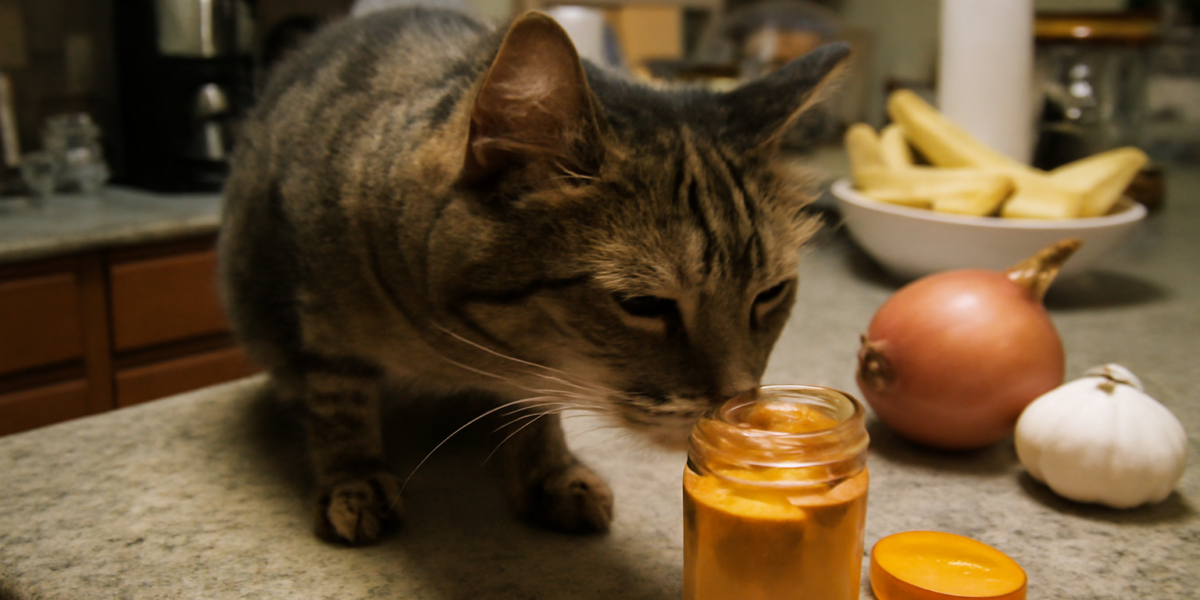
When it comes to adding turmeric to your cat’s diet, the answer is yes, but with caution. While turmeric is not toxic to cats, it should be given in moderation. Understanding the potential health benefits and risks is crucial before incorporating it into your feline friend’s meals.
Is Turmeric Safe for Cats?
Turmeric is generally considered safe for cats when given in small amounts. It is often praised for its anti-inflammatory and antioxidant properties, which can be beneficial for cats just as they are for humans. However, it’s important to consult with your veterinarian before introducing any new supplement to your cat’s diet to ensure it aligns with their specific health needs.
Some pet owners find that turmeric can help with joint pain and inflammation, especially in older cats. Yet, it’s essential to proceed with caution and not to exceed recommended amounts, as too much turmeric could lead to digestive issues or other complications.
Nutritional Benefits of Turmeric for Cats
Turmeric contains curcumin, a compound that is believed to offer several health benefits. Here are some potential advantages of turmeric for cats:
- Anti-inflammatory properties: Curcumin may help reduce inflammation, which can be beneficial for cats with arthritis or other inflammatory conditions.
- Antioxidant effects: Turmeric’s antioxidants can help protect your cat’s cells from damage caused by free radicals.
- Digestive health: Turmeric can aid in digestion and may help alleviate symptoms of digestive distress.
- Immune support: Curcumin may enhance your cat’s immune system, helping them fend off illnesses.
For more insights on natural supplements, check out our article on can cats eat ginger?
Risks and Side Effects
While turmeric offers several benefits, it’s not without potential risks. Some cats may experience side effects, including:
- Gastrointestinal upset: Too much turmeric can lead to stomach upset, diarrhea, or vomiting in cats.
- Allergic reactions: Although rare, some cats might be allergic to turmeric, leading to itching or skin irritations.
- Interaction with medications: Turmeric may interact with certain medications, including blood thinners and diabetes medications. Always consult your vet if your cat is on medication.
It’s important to monitor your cat closely after introducing turmeric and discontinue use if any adverse reactions occur.
How to Serve Turmeric to Your Cat
When serving turmeric to your cat, it’s best to start with a very small amount. You can mix it with their regular food, whether it’s wet or dry. Some pet owners choose to create a paste by mixing turmeric with coconut oil or olive oil, which can improve the absorption of curcumin.
Alternatively, you can find commercial pet supplements that contain turmeric, formulated specifically for cats. These products often contain turmeric in the right dosage and are easier to administer. Make sure to choose high-quality, pet-safe brands.
How Much Turmeric Can Cats Eat?
The appropriate dosage of turmeric for cats is generally quite low. A small pinch mixed into their food is a good starting point. It’s advisable to begin with a very small amount and gradually increase if needed, but always keep it well below what would be considered a therapeutic dose for humans.
As a rule of thumb, never give more than 1/8 teaspoon per day to start, and observe your cat’s reaction. Adjust according to their tolerance and health status, always with the guidance of a veterinarian.
For more on safe seasoning options, read our guide on can cats eat cinnamon.
Signs of an Adverse Reaction
Monitoring your cat after introducing turmeric is crucial. Look out for the following signs of an adverse reaction:
- Vomiting or diarrhea
- Loss of appetite
- Excessive scratching or skin irritation
- Lethargy or behavioral changes
If you notice any of these symptoms, discontinue the use of turmeric immediately and consult your veterinarian. Prompt action can prevent more serious health issues.
Frequently Asked Questions
Can turmeric help with my cat’s arthritis?
Turmeric may help reduce inflammation associated with arthritis due to its anti-inflammatory properties. However, it’s important to consult with your veterinarian for a proper diagnosis and treatment plan.
Is turmeric safe for kittens?
While turmeric is not toxic, kittens have more sensitive digestive systems. It’s best to avoid giving turmeric to kittens unless specifically advised by a veterinarian.
Can I give my cat turmeric supplements made for humans?
No, you should not give turmeric supplements made for humans to cats. These may contain additional ingredients that are harmful to cats. Always choose supplements formulated specifically for pets.
How should I introduce turmeric to my cat’s diet?
Introduce turmeric gradually by mixing a small pinch into your cat’s regular food. Monitor for any adverse reactions and consult your veterinarian if you have concerns.
For more tips on safe foods, check out our article on can cats eat coconut oil.


