
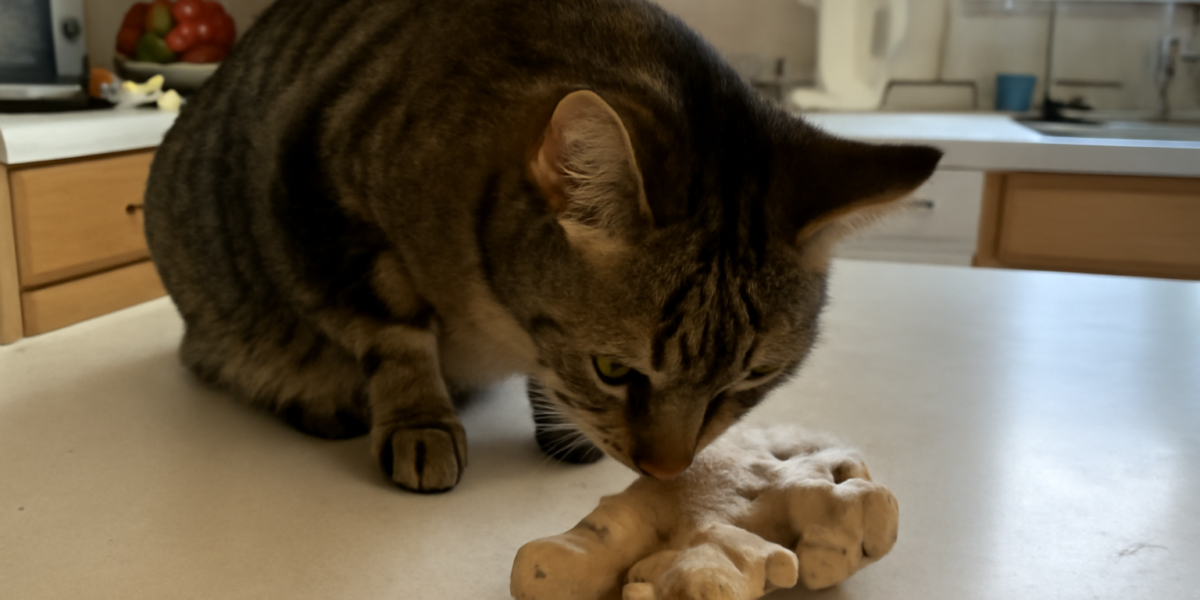
Can Cats Eat Ginger? Benefits & Risks
Cats can eat ginger, but it should only be given in small amounts. While ginger is not toxic to cats, there are important factors to consider before adding it to their diet. Understanding the benefits and potential risks can help you make an informed decision about whether to offer this spice to your feline friend.
In this article
Is Ginger Safe for Cats?
Ginger is generally safe for cats when provided in moderation. It contains antioxidants and vitamins that can be beneficial for their health. However, it’s crucial to introduce ginger slowly and monitor your cat for any adverse reactions. Always consult with your veterinarian before making any significant changes to your pet’s diet.
Nutritional Benefits of Ginger for Cats
Ginger is known for its anti-inflammatory properties, which can help alleviate joint pain and improve mobility in older cats. It may also aid in digestion and reduce nausea, making it a useful remedy for cats with sensitive stomachs. Additionally, ginger’s antioxidants can boost the immune system, offering a layer of protection against common feline illnesses.
Risks and Side Effects
Despite its benefits, ginger can pose some risks to cats if not administered properly. Overconsumption can lead to gastrointestinal upset, including vomiting and diarrhea. Cats with existing medical conditions or those on medication should avoid ginger unless advised by a veterinarian. It’s also important to avoid ginger products that contain artificial sweeteners or additives, which can be harmful to cats.
How to Serve Ginger to Your Cat
When serving ginger to your cat, it’s best to use fresh ginger root, finely grated. You can mix a small amount into their regular food or offer it as a treat. Ensure that the ginger is free of any added sugars or preservatives. If you prefer, ginger capsules or powders designed for pets can also be an option, but always stick to the recommended dosage.
How Much Ginger Can Cats Eat?
It’s crucial to keep ginger consumption to a minimum. A small pinch of grated ginger root mixed into food once or twice a week is typically sufficient. Since every cat is different, start with a very small amount and observe your cat’s reaction. If they seem to enjoy it without any negative effects, you can continue offering ginger in small, controlled doses.
Signs of an Adverse Reaction
If your cat experiences an adverse reaction to ginger, you might notice symptoms such as vomiting, diarrhea, or lethargy. In such cases, discontinue feeding ginger immediately and consult your veterinarian. It’s always better to err on the side of caution and seek professional advice if you’re unsure.
Frequently Asked Questions
Can ginger help my cat with motion sickness?
Yes, ginger is known to help reduce nausea and can be beneficial for cats suffering from motion sickness. However, always consult your vet before using ginger as a remedy.
Is ginger tea safe for cats?
Ginger tea is not recommended for cats as it often contains additional ingredients that are not safe for feline consumption. It’s best to stick to fresh ginger root.
Can I give my cat ginger supplements?
Ginger supplements can be given to cats, but it’s important to choose products specifically formulated for pets. Consult your veterinarian for advice on appropriate brands and dosages.
What should I do if my cat eats too much ginger?
If your cat consumes too much ginger and shows signs of distress, such as vomiting or diarrhea, contact your veterinarian immediately for guidance.
For more information on what cats can safely eat, check out our articles on Can Cats Eat Cinnamon? and Can Cats Eat Turmeric?. You may also find our article on Can Cats Eat Garlic? informative for understanding what spices to avoid.


