
Last updated: June 13, 2026
In this article
Quick Answer: Coconut is not toxic to cats, but it should only be given in very small amounts as an occasional treat. The high fat content in coconut flesh and oil can cause digestive upset, diarrhea, and weight gain. Coconut milk and coconut water are also not recommended as regular additions to a cat’s diet. If you want to offer your cat a tiny taste of plain coconut, it is unlikely to cause harm — but moderation is everything.
Coconut has earned a reputation as a superfood for humans, appearing in everything from smoothies and curries to skincare routines and health supplements. It is natural for cat owners to wonder whether their feline companions can share in the benefits. The question “can cats eat coconut” is a common one, and the answer is more nuanced than a simple yes or no. While coconut is not classified as toxic to cats by the ASPCA, it does present several risks that every cat owner should understand before offering it. This comprehensive guide breaks down every form of coconut — flesh, oil, milk, and water — so you can make an informed decision for your pet.
Is Coconut Safe for Cats?
Coconut is technically safe for cats in the sense that it is not poisonous and will not cause an emergency veterinary visit if your cat eats a small piece. The ASPCA lists coconut as non-toxic to cats. However, “non-toxic” is not the same as “recommended” or “healthy.” Cats are obligate carnivores, meaning their digestive systems are designed to process animal protein and fat — not plant-based foods like coconut. Their bodies lack many of the enzymes that omnivores and herbivores use to efficiently digest plant materials.
The primary concern with coconut in all its forms is the extremely high fat content. Coconut flesh contains approximately 33 grams of fat per 100 grams, and coconut oil is nearly 100 percent fat. A cat’s daily caloric needs are relatively modest — around 200 to 300 calories for an average-sized indoor cat — and even a small amount of coconut can represent a disproportionate share of that intake. Over time, excess dietary fat contributes to obesity, pancreatitis, and other serious health conditions in cats.
The bottom line is that while coconut will not poison your cat, it is not a food that provides meaningful nutritional value for felines. If you choose to offer it, treat it as an occasional indulgence rather than a dietary staple. Cats who are already overweight, have sensitive stomachs, or have a history of pancreatitis should avoid coconut entirely.
Can Cats Eat Coconut Flesh?
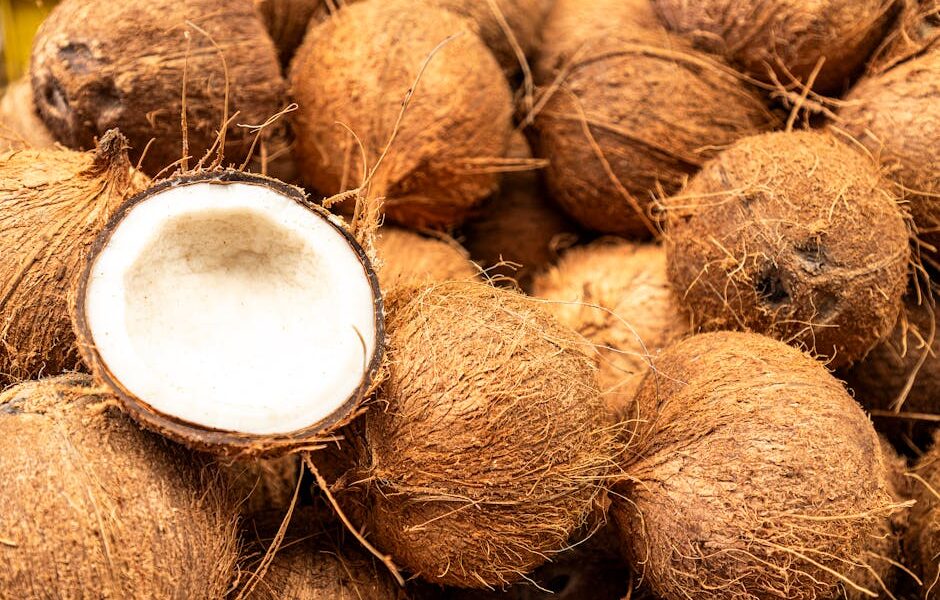
Fresh coconut flesh — the white, firm meat found inside a whole coconut — is the most natural form of coconut and one that some cats will show curiosity about. In very small amounts, a tiny piece of plain, unsweetened coconut flesh is unlikely to cause your cat any harm. Some cats enjoy the texture and mild sweetness, while others will show no interest at all.
If you want to offer your cat a small taste of coconut flesh, make sure it is raw or unsweetened. Shredded coconut sold in grocery stores for baking is often coated in sugar and preservatives, both of which are unnecessary and potentially harmful additions to a cat’s diet. Sweetened coconut products can contribute to weight gain, dental problems, and digestive issues. Dried coconut flakes are also more concentrated in fat and calories than fresh flesh, so they pose a higher risk per serving.
Cut the coconut flesh into a very small piece — no larger than the size of a pea — and offer it to your cat. Watch for any signs of gastrointestinal upset in the following 12 to 24 hours, including vomiting, diarrhea, or a noticeably softer stool. If your cat tolerates it well and you would like to offer it again, limit the frequency to no more than once or twice per week. Coconut flesh should never replace any portion of a balanced, protein-based cat food. If you are looking for a cat who might enjoy exploring new treats, consider adopting a cat from our rescue — each one has a unique personality and set of preferences.
Coconut Oil for Cats: Benefits and Risks
Coconut oil is perhaps the most widely discussed coconut product in the context of pet health. Proponents claim it can improve a cat’s coat, support digestion, reduce hairballs, fight infections, and even help with cognitive function. The reality is more measured. While coconut oil does contain medium-chain triglycerides (MCTs) — particularly lauric acid, which has demonstrated antimicrobial properties in laboratory studies — the evidence for most of these benefits in cats is largely anecdotal rather than supported by rigorous veterinary research.
Potential topical uses: Some cat owners apply a very thin layer of coconut oil to dry, flaky skin or minor abrasions. The oil can act as a moisturizer and may provide temporary relief. However, cats groom themselves constantly, so any topical application will likely be licked off quickly. This means you are effectively giving your cat an oral dose of coconut oil whether you intended to or not. If you do apply coconut oil topically, use an extremely small amount and monitor your cat closely.
Oral use: If you want to give your cat coconut oil orally, the maximum recommended amount is one-quarter teaspoon per day for an average-sized cat, and even that should be introduced gradually over a week or two. Start with a tiny dab — less than an eighth of a teaspoon — and observe your cat’s response. Too much coconut oil can cause diarrhea, greasy stools, and vomiting. Over the long term, regular consumption of coconut oil adds significant calories and saturated fat to your cat’s diet, increasing the risk of obesity and pancreatitis.
Hairball remedy claims: One of the most common reasons cat owners consider coconut oil is as a natural hairball remedy. The theory is that the oil lubricates the digestive tract, allowing hair to pass through more easily. While some owners report anecdotal success, veterinarians generally recommend purpose-formulated hairball remedies or increased dietary fiber as more effective and safer solutions. If hairballs are a persistent problem for your cat, a conversation with your vet is more valuable than reaching for the coconut oil.
Can Cats Drink Coconut Milk?
Coconut milk — the creamy liquid produced by blending and straining coconut flesh with water — is not toxic to cats, but it is not a suitable beverage or food supplement for them either. Most commercially available coconut milk contains added sugars, preservatives, thickeners like guar gum, and sometimes artificial flavors. None of these ingredients belong in a cat’s diet.
Even unsweetened, pure coconut milk is high in fat and calories. A single tablespoon of full-fat coconut milk contains roughly 3 grams of fat and 30 calories. For a cat whose total daily caloric intake should be around 200 to 300 calories, that is a significant contribution from a non-nutritive source. Cats do not need plant-based milks of any kind. Their hydration should come from fresh water, and their nutrition from balanced cat food.
Many adult cats are lactose intolerant, and while coconut milk does not contain lactose, this fact has led some owners to assume it is a safe milk substitute. It is not. The absence of lactose does not make coconut milk appropriate for cats — the high fat content and lack of essential feline nutrients (taurine, arachidonic acid, preformed vitamin A) mean it offers nothing your cat needs and carries real downsides. If your cat seems to enjoy the taste, a tiny lick once in a while is unlikely to cause a problem, but do not make it a habit or pour it into a bowl alongside their regular food.
Can Cats Have Coconut Water?
Coconut water — the clear liquid found naturally inside a young coconut — is different from coconut milk. It is lower in fat and calories but presents its own set of concerns for cats. The primary issue with coconut water is its high potassium content. A single cup of coconut water contains roughly 600 milligrams of potassium, which is a substantial amount relative to a cat’s small body size and specific electrolyte needs.
Cats regulate potassium levels carefully through their kidneys, and healthy cats eating a balanced commercial diet are already receiving the potassium they need. Adding an extra source of concentrated potassium can potentially contribute to hyperkalemia, particularly in cats with kidney disease or other underlying conditions that affect electrolyte balance. Chronic kidney disease is one of the most common conditions in older cats, and many owners may not know their cat has early-stage kidney compromise until it is diagnosed during routine bloodwork.
Additionally, many commercial coconut water products contain added sugars or flavorings. Even plain coconut water has a naturally sweet taste from its sugar content. Cats lack the taste receptors for sweetness, so they gain no enjoyment from it, and the sugars provide nothing but empty calories. Fresh, clean water remains the only beverage your cat needs. If you are concerned about your cat’s water intake, consider a cat water fountain — many cats prefer moving water and will drink more readily from a fountain than from a still bowl.
Risks of Feeding Coconut to Cats
While a tiny taste of coconut is unlikely to cause serious harm, there are genuine risks associated with making coconut a regular part of your cat’s diet. Understanding these risks helps you make responsible decisions about what goes into your cat’s food bowl.
Digestive upset: The most immediate and common risk is gastrointestinal disturbance. Coconut’s high fat content is difficult for a cat’s digestive system to process efficiently. Diarrhea, soft stools, vomiting, and abdominal discomfort can result from even moderate amounts of coconut in any form. Cats with sensitive stomachs are particularly vulnerable.
Pancreatitis: This is the most serious dietary risk associated with high-fat foods in cats. Pancreatitis — inflammation of the pancreas — can be triggered by a sudden influx of dietary fat and ranges from mild and self-limiting to severe and life-threatening. Symptoms include vomiting, lethargy, loss of appetite, abdominal pain, and dehydration. Treatment often requires hospitalization and IV fluid support. Cats with a history of pancreatitis or those who are overweight are at elevated risk.
Obesity and weight gain: The caloric density of coconut products makes them a significant contributor to weight gain if offered regularly. Cat obesity is already epidemic — estimates suggest that over 60 percent of domestic cats in the United States are overweight or obese. Every unnecessary calorie matters, and coconut’s fat-heavy profile makes it one of the least efficient treats you can offer in terms of nutritional return.
Allergic reactions: While rare, some cats may be allergic or hypersensitive to coconut. Signs of a food allergy include itching (especially around the face and ears), skin irritation, vomiting, and diarrhea. If your cat shows any of these symptoms after eating coconut for the first time, do not offer it again and consult your veterinarian.
Choking and obstruction: Pieces of coconut shell or large chunks of firm coconut flesh can pose a choking risk, particularly in cats who tend to gulp food without chewing thoroughly. Always remove the hard outer shell entirely and cut the flesh into very small pieces before offering any to your cat. Never give a cat access to a whole coconut or large shell fragments.
How Much Coconut Can You Give a Cat?
If you have decided to let your cat try coconut despite the risks outlined above, the key principle is extreme moderation. Coconut should represent a tiny fraction of your cat’s total caloric intake — veterinary nutritionists generally recommend that treats of any kind make up no more than 10 percent of a cat’s daily calories.
For coconut flesh, a pea-sized piece once or twice a week is the maximum reasonable amount. This is small enough to minimize digestive risk while still letting your cat enjoy the experience if they are interested.
For coconut oil, start with less than one-eighth of a teaspoon and work up to a maximum of one-quarter teaspoon per day over the course of one to two weeks. Even at this dose, monitor your cat’s weight and stool quality closely. If you see any signs of digestive upset, discontinue immediately.
For coconut milk, a small lick or taste from your finger is the safest approach. Do not pour coconut milk into your cat’s bowl or mix it with their food.
For coconut water, it is best to avoid it altogether. The potassium content and lack of nutritional benefit make it the least advisable form of coconut for cats.
Regardless of the form, always introduce coconut gradually and watch for adverse reactions over 24 to 48 hours before offering it again. If your cat has any preexisting health conditions — including diabetes, kidney disease, pancreatitis, or obesity — talk to your veterinarian before offering coconut in any form. To learn more about cat nutrition and care for specific breeds, visit our cat breeds directory for breed-by-breed guidance on dietary needs and health considerations.
Frequently Asked Questions
Can kittens eat coconut?
No. Kittens have even more sensitive digestive systems than adult cats, and their caloric and nutritional needs are very specific. Kittens should be eating a balanced, high-quality kitten food formulated to support their rapid growth and development. Introducing high-fat, low-nutrition foods like coconut during this critical growth period can cause digestive upset and displace the nutrients they genuinely need. Wait until your cat is fully grown — at least 12 months old — before considering any treat outside of their regular kitten diet, and even then, coconut should be a rare exception rather than a regular offering.
Is coconut oil safe for cats to lick off their skin?
A small amount of coconut oil licked from the skin is unlikely to cause harm in a healthy adult cat. However, because cats groom so thoroughly, any topical application will almost certainly be ingested. This means that using coconut oil on your cat’s skin is functionally the same as feeding it to them orally. Keep the amount minimal — a very thin layer on a small area — and factor the ingested oil into your cat’s daily fat and calorie intake. If you are using coconut oil to address a skin condition, consult your veterinarian first, as there may be more effective veterinary-grade treatments available.
Can coconut oil help with my cat’s hairballs?
Some cat owners report that a small amount of coconut oil helps hairballs pass more easily through the digestive tract. The idea is that the oil acts as a lubricant. While this is plausible in theory, there is no strong clinical evidence supporting coconut oil as a hairball remedy for cats. Commercial hairball treatments, increased dietary fiber, and regular brushing to reduce the amount of loose fur your cat swallows are all more reliably effective strategies. If hairballs are frequent or your cat is struggling to pass them, consult your vet rather than experimenting with home remedies.
What should I do if my cat ate a large amount of coconut?
If your cat has consumed a significant amount of coconut flesh, oil, or milk — for example, getting into a bag of shredded coconut or lapping up a spilled container of coconut oil — monitor them closely for signs of digestive distress. Vomiting, diarrhea, lethargy, and loss of appetite are the most likely symptoms and usually appear within a few hours. In most cases, the episode will resolve on its own within 24 to 48 hours with access to fresh water and their regular food. However, if symptoms are severe, persistent, or if your cat appears to be in pain, contact your veterinarian. Cats who consume a large amount of fat in a single sitting are at increased risk of developing pancreatitis, which requires professional treatment.
Are coconut-flavored cat treats safe?
Commercial cat treats that include coconut as an ingredient are generally formulated to contain safe amounts. Reputable pet food manufacturers design their products to meet feline nutritional standards, and the amount of coconut in a commercially produced treat is typically small enough to avoid the risks associated with giving your cat raw coconut or coconut oil directly. Always check the ingredient list for unnecessary additives, artificial sweeteners (especially xylitol, which is extremely toxic to pets), and excessive sugar. Choose treats from established brands and follow the recommended serving guidelines on the packaging.
For the full picture, see our complete guide to the human foods cats can eat safely.
Not sure what to keep away from your cat? See our complete list of foods toxic to cats.


