
Last updated: April 8, 2026
In this article
Can Cats Eat Coconut Milk? What to Know
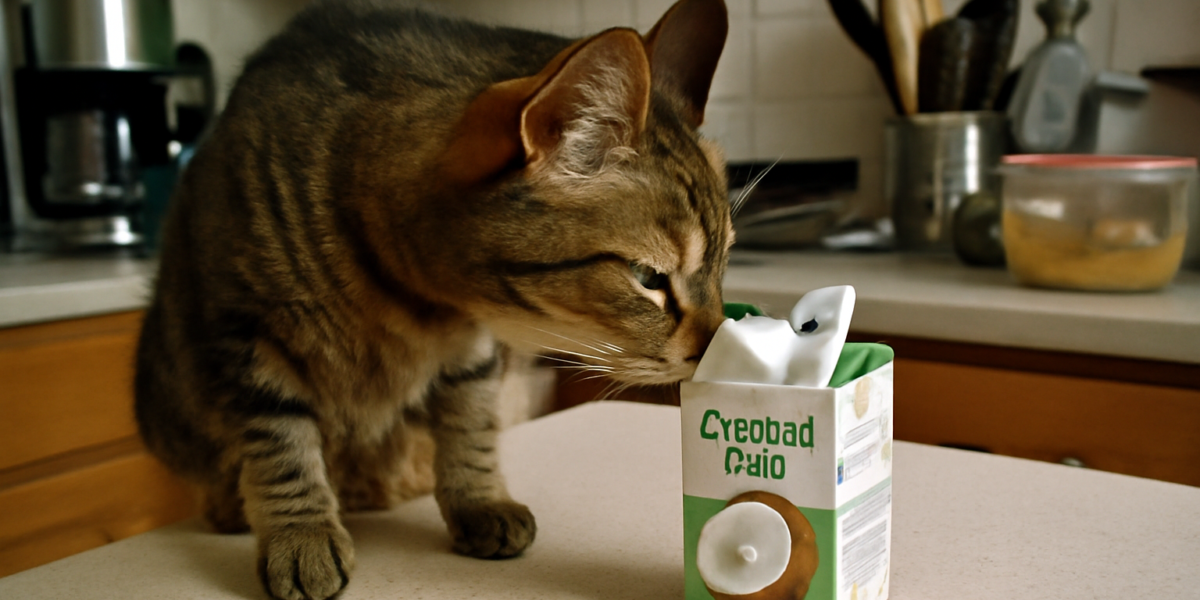
When it comes to feeding your feline friend, you might wonder, can cats eat coconut milk? The short answer is yes, but with some important caveats. While coconut milk is not toxic to cats, there are several considerations to keep in mind to ensure your cat’s health and safety.
Is Coconut Milk Safe for Cats?
Coconut milk is generally safe for cats in small amounts. It is not toxic and does not pose a direct threat to their health. However, it’s important to remember that cats are obligate carnivores and their digestive systems are not well-suited to process plant-based foods. This means that while a small taste may not harm your cat, coconut milk should not be a regular part of their diet.
Nutritional Benefits of Coconut Milk for Cats
Coconut milk contains some nutrients that can be beneficial, such as healthy fats and certain vitamins. These components can potentially contribute to a shiny coat and healthy skin. However, the amounts required to see these benefits are minimal, and your cat can obtain more appropriate nutrients from a balanced, meat-based diet.
Risks and Side Effects
Despite its non-toxic nature, coconut milk can lead to digestive upset in cats. The high fat content can cause stomach upset, diarrhea, or even pancreatitis in more severe cases. Additionally, coconut milk contains sugars and carbohydrates that cats do not need and can lead to obesity if consumed in large amounts.
How to Serve Coconut Milk to Your Cat
If you decide to offer coconut milk to your cat, it should be done sparingly and with caution. Always ensure that the coconut milk is unsweetened and free from additives. Introduce it slowly and observe how your cat reacts. A small spoonful mixed with their regular food or offered as a treat on occasion may be enough to satisfy their curiosity without causing harm.
How Much Coconut Milk Can Cats Eat?
Cats should only consume coconut milk in very small quantities. A teaspoon is usually sufficient and should not be given more than once a week. This ensures that your cat does not consume excess fat or calories that could contribute to weight gain or other health issues.
Signs of an Adverse Reaction
It’s crucial to monitor your cat after introducing any new food. If your cat exhibits symptoms such as vomiting, diarrhea, lethargy, or any other unusual behavior, it may indicate an adverse reaction to coconut milk. In such cases, discontinue feeding it immediately and consult your veterinarian.
Frequently Asked Questions
Can kittens drink coconut milk?
Kittens should avoid coconut milk as their digestive systems are even more sensitive than adult cats. Stick to kitten formula or water for hydration.
Is coconut water a better option for cats?
Coconut water, like coconut milk, is not toxic but should be given in moderation. It does not provide significant nutritional benefits and can also cause digestive issues if consumed in large amounts. Learn more about cats and coconut water.
What should I do if my cat drinks too much coconut milk?
If your cat consumes a large quantity of coconut milk, monitor them closely for signs of digestive distress. If symptoms like vomiting or diarrhea occur, contact your veterinarian for advice.
Are there other non-toxic plant-based milks for cats?
Some plant-based milks like almond milk are also non-toxic in small amounts. However, like coconut milk, they should be given sparingly. For more information, check out our article on almond milk for cats.


