
Last updated: April 8, 2026
In this article
Can Cats Eat Almond Milk? What Cat Owners Need to Know
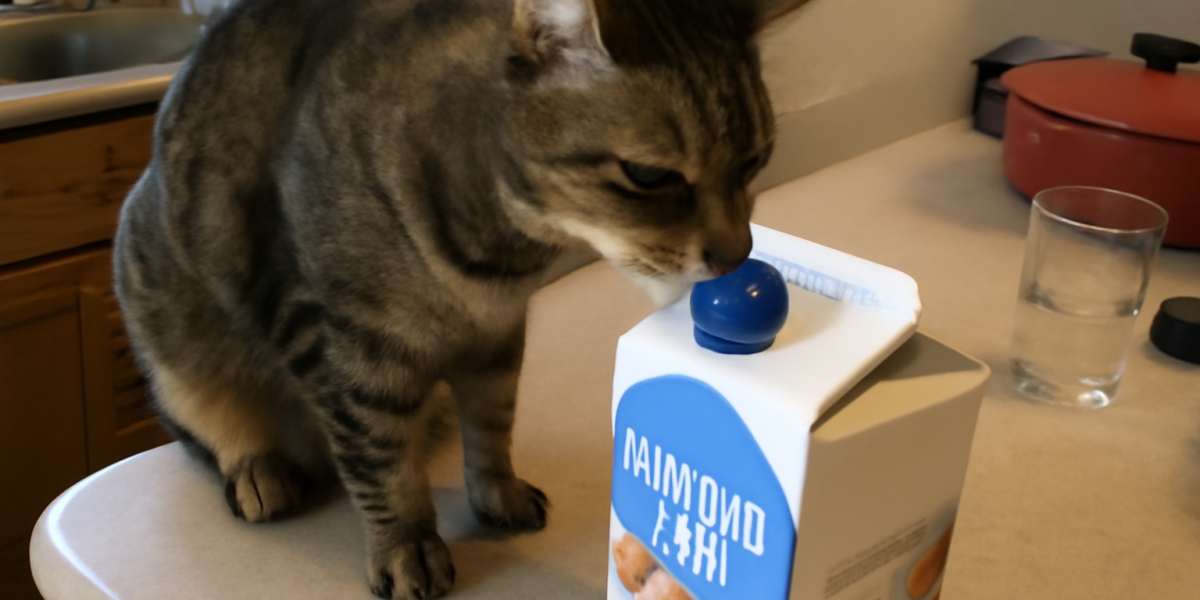
The image of a cat happily lapping up a saucer of milk is deeply embedded in our cultural imagination, but veterinary science has long since debunked the notion that milk is good for cats. Most adult cats are lactose intolerant and will experience digestive upset from cow’s milk. This has led many cat owners to wonder about plant-based alternatives, and almond milk is one of the most frequently asked about options. Can cats safely drink almond milk, and is it a good alternative to dairy milk?
The short answer is that almond milk is not toxic to cats, but it is also not particularly beneficial for them and may cause digestive issues in some individuals. In this comprehensive guide, we will explore the safety of almond milk for cats, examine its nutritional relevance to felines, discuss the potential risks and concerns, provide guidelines for offering it safely if you choose to do so, and suggest better alternatives for cat owners who want to give their pets a special liquid treat.
Is Almond Milk Safe for Cats?
Almond milk is made by blending almonds with water and then straining out the solids, resulting in a creamy, nutty-flavored liquid. In its simplest form, plain unsweetened almond milk contains only almonds and water, neither of which is toxic to cats. This means that if your cat takes a few laps of plain, unsweetened almond milk, there is generally no cause for alarm.
However, the fact that something is not toxic does not necessarily mean it is safe or beneficial. Cats are obligate carnivores whose digestive systems are specifically designed to process animal-based proteins and fats. Their bodies are not well-equipped to handle plant-based foods, and while a small amount of almond milk is unlikely to cause serious harm, it provides no meaningful nutritional value for cats and may cause mild digestive discomfort.
The safety picture becomes more complicated when we consider the many varieties of almond milk available commercially. Sweetened almond milk contains added sugars that are unnecessary and potentially harmful for cats, contributing to obesity and dental problems. Flavored varieties, such as vanilla or chocolate almond milk, often contain additional ingredients that range from unnecessary to dangerous. Chocolate-flavored almond milk, for instance, contains theobromine, which is toxic to cats. Some almond milk products also contain carrageenan, a thickening agent that has been linked to gastrointestinal inflammation in some animals.
Unlike regular dairy milk, almond milk does not contain lactose, which is why some cat owners consider it as an alternative. While the absence of lactose is an advantage, it does not make almond milk a nutritionally appropriate beverage for cats. Cats that enjoy liquid treats beyond water might benefit more from other options, which we will discuss later in this article.
Nutritional Value of Almond Milk for Cats
To understand why almond milk is not a beneficial addition to your cat’s diet, it helps to examine its nutritional profile in the context of feline nutritional needs.
One cup of unsweetened almond milk typically contains approximately 30 to 40 calories, 1 gram of protein, 2.5 to 3.5 grams of fat, and 1 to 2 grams of carbohydrates. Many commercial almond milks are fortified with vitamins and minerals, including calcium, vitamin D, and vitamin E, to make them nutritionally competitive with dairy milk for human consumption.
From a cat’s perspective, this nutritional profile is largely irrelevant. The protein content is negligible, and the protein that is present is plant-based, which is less bioavailable and less nutritionally complete for cats than animal-based protein. Cats require specific amino acids like taurine and arginine that are found in animal tissues, not in almonds or almond milk.
The fat in almond milk is primarily monounsaturated and polyunsaturated fat from the almonds themselves. While fat is an important part of a cat’s diet, cats require specific fatty acids like arachidonic acid that are found only in animal fats. The plant-based fats in almond milk do not meet these requirements.
The fortified vitamins and minerals in commercial almond milk are added in forms and quantities designed for human nutrition, not feline nutrition. Cats have different vitamin and mineral requirements and different abilities to absorb and utilize various nutrient forms. For example, cats cannot efficiently convert the beta-carotene found in plant foods into usable vitamin A, requiring preformed vitamin A from animal sources instead.
In practical terms, the small amount of almond milk that would be appropriate as an occasional treat contributes so few nutrients that it has no meaningful impact on your cat’s overall nutrition, whether positive or negative. The primary appeal of almond milk for cats is its taste and texture rather than its nutritional value.
Potential Risks and Side Effects
While almond milk is not toxic in its plain, unsweetened form, there are several potential risks and side effects that cat owners should consider before offering it to their feline companions.
Digestive upset is the most common concern. Cats’ digestive systems are not designed to process plant-based foods efficiently, and the fiber, fats, and other compounds in almond milk may cause gastrointestinal discomfort in some cats. Symptoms can include mild diarrhea, soft stools, gas, bloating, and nausea. These effects are more likely to occur if the cat consumes more than a small amount or if the cat has a particularly sensitive digestive system.
Caloric concerns are another consideration, especially for indoor cats that are prone to weight gain. While a tablespoon or two of almond milk may seem insignificant, cats have very low daily caloric requirements, typically around 200 to 300 calories per day for an average adult cat. Even 30 to 40 calories from a cup of almond milk represents a significant proportion of their daily needs, and any extra calories from treats need to be accounted for to prevent weight gain over time.
Added ingredients in commercial almond milk products can pose risks that go beyond the almonds themselves. Common additives to watch out for include sugar and artificial sweeteners, particularly xylitol, which is extremely toxic to cats and dogs. Chocolate or cocoa flavoring, which contains theobromine, is toxic to cats. Carrageenan may cause gastrointestinal inflammation. Gums and thickeners like guar gum or gellan gum may cause digestive issues in some cats. High sodium content in some formulations can be problematic for cats with heart or kidney issues.
Nut allergies, while rare in cats, are possible. Signs of an allergic reaction may include vomiting, diarrhea, itching, swelling, and in severe cases, difficulty breathing. If your cat shows any signs of an allergic reaction after consuming almond milk, discontinue it immediately and contact your veterinarian.
Long-term or frequent consumption of almond milk can potentially displace nutritionally important foods in your cat’s diet. If a cat fills up on almond milk and then eats less of their balanced commercial food, they may develop nutritional deficiencies over time. This is particularly concerning for cats that are already picky eaters or that have increased nutritional needs, such as pregnant or nursing cats, kittens, or cats recovering from illness.
How to Offer Almond Milk to Your Cat Safely
If you have decided to offer your cat a small taste of almond milk as an occasional treat, following these guidelines will help ensure the experience is as safe as possible.
Choose plain, unsweetened almond milk with the fewest added ingredients possible. The ideal product contains only almonds and water. Read the ingredient list and nutrition label carefully to check for sugar, artificial sweeteners especially xylitol, chocolate, excessive sodium, and other potentially problematic additives. Organic and minimal-ingredient varieties are generally the safest choices.
Start with a very small amount, no more than a teaspoon, to see how your cat tolerates it. Wait 24 to 48 hours and observe for any signs of digestive upset or allergic reaction before offering more. If your cat tolerates the initial taste well, you can offer up to one to two tablespoons as an occasional treat, but this should not become a daily habit.
Limit almond milk treats to no more than once or twice per week. Remember that any calories from almond milk should be factored into your cat’s total daily caloric intake, and treats of all kinds should make up no more than 10 percent of their daily calories.
Serve almond milk at room temperature rather than cold from the refrigerator. Some cats are put off by very cold liquids, and room temperature beverages are generally gentler on the digestive system. You can also try offering almond milk in a shallow dish or plate rather than a deep bowl to make it more accessible and appealing to your cat.
Never use almond milk as a substitute for water. Cats need access to fresh, clean water at all times, and almond milk does not meet their hydration needs as effectively as plain water. If you are concerned about your cat’s water intake, there are better strategies to encourage hydration than offering almond milk, including providing a cat water fountain, adding water to their wet food, or offering pet-safe bone broth.
Better Alternatives for Cats Who Love Liquid Treats
If your cat enjoys liquid treats and you are looking for options that are safer and more nutritionally appropriate than almond milk, there are several excellent alternatives to consider.
Goat milk is often better tolerated by cats than cow’s milk because it contains lower levels of lactose and smaller fat molecules that are easier to digest. Raw or pasteurized goat milk formulated for pets is available at many pet stores and can be a more nutritionally relevant liquid treat for cats. It provides animal-based protein, fat, and naturally occurring vitamins and minerals that are more useful to a cat’s body than the nutrients in almond milk.
Cat-specific milk products are commercially available and are formulated to be safe and appealing for cats. These products typically have reduced lactose content and are supplemented with taurine and other cat-essential nutrients. While they are not necessary as part of a cat’s diet, they can serve as safe occasional treats for cats that enjoy milk-like beverages.
Plain, unseasoned bone broth made from chicken, beef, or fish bones is an excellent liquid treat for cats that provides collagen, amino acids, and minerals in a form that is highly bioavailable and appealing to felines. Bone broth also supports hydration, joint health, and digestive function, making it a more functionally beneficial option than almond milk.
The liquid from canned tuna packed in water can be offered as a very occasional treat that most cats find irresistible. However, it should be used sparingly due to the sodium content and the potential for cats to become addicted to its strong flavor. A teaspoon of tuna water drizzled over food or offered in a dish can be a special treat without the concerns associated with plant-based beverages.
Coconut-based products are another option some cat owners explore, though they come with their own set of considerations and should be offered in very small amounts.
Frequently Asked Questions
Can kittens have almond milk?
No, kittens should not be given almond milk. Kittens have very specific nutritional requirements for growth and development that can only be met through their mother’s milk or a kitten milk replacement formula specifically designed to replicate the nutrient profile of cat milk. Almond milk contains none of the essential nutrients that kittens need, including adequate protein, taurine, and the specific fat profile required for brain and eye development. If you need to supplement or replace a kitten’s mother’s milk, always use a commercial kitten milk replacer, never almond milk, cow’s milk, or any other substitute.
Is almond milk better than cow’s milk for cats?
Almond milk has the advantage of being lactose-free, which means it is less likely to cause the digestive upset associated with cow’s milk in lactose-intolerant cats. However, neither almond milk nor cow’s milk is nutritionally necessary or particularly beneficial for cats. If you want to offer your cat a milk-like treat, cat-specific milk products with reduced lactose and added taurine, or goat milk formulated for pets, are better options than either almond milk or cow’s milk. The best beverage for cats is always fresh, clean water.
What should I do if my cat drank a lot of almond milk?
If your cat consumed a large amount of plain, unsweetened almond milk, monitor them for signs of digestive upset over the next 12 to 24 hours. Mild diarrhea or soft stools are the most likely symptoms and usually resolve on their own. Ensure your cat has access to plenty of fresh water. If the almond milk was sweetened, flavored, or contained any additional ingredients, check the label carefully for toxic substances like xylitol or chocolate. If your cat consumed almond milk containing xylitol or chocolate, contact your veterinarian or an emergency animal poison control hotline immediately, as these substances are toxic to cats and require urgent treatment.
Can almond milk cause pancreatitis in cats?
While a small amount of almond milk is unlikely to cause pancreatitis in a healthy cat, the fat content in almond milk could potentially contribute to pancreatic inflammation in cats that are prone to pancreatitis or that consume almond milk in excessive amounts. Pancreatitis is a serious and painful condition that requires veterinary treatment. Symptoms include vomiting, loss of appetite, abdominal pain, lethargy, and diarrhea. If your cat has a history of pancreatitis, it is best to avoid almond milk and all other high-fat treats entirely and to discuss appropriate treat options with your veterinarian.
When to Contact Your Veterinarian
In most cases, a cat that has lapped up a small amount of plain, unsweetened almond milk will not experience any problems. However, you should contact your veterinarian if your cat consumed almond milk containing xylitol, chocolate, or other potentially toxic ingredients, if your cat shows signs of an allergic reaction including swelling, hives, difficulty breathing, or severe vomiting, if digestive symptoms such as vomiting or diarrhea persist for more than 24 hours, if your cat has a pre-existing condition like pancreatitis, diabetes, or kidney disease and has consumed almond milk, or if you notice any unusual behavioral changes following consumption.
In conclusion, while almond milk is not toxic to cats in its plain, unsweetened form, it offers no nutritional benefits for feline health and may cause digestive issues in sensitive individuals. If you choose to offer your cat a taste of almond milk as a very occasional treat, keep the amount tiny, choose the plainest product available, and monitor your cat for any adverse reactions. For most cats, fresh water remains the best and most important beverage, and animal-based liquid treats like bone broth or pet-formulated goat milk are more nutritionally appropriate alternatives to plant-based milks. As always, your cat’s complete and balanced commercial diet should remain the foundation of their nutrition.


