
Last updated: April 9, 2026
In this article
Can Cats Eat Vanilla? Safety Guide and Tips
Vanilla is perhaps the most universally loved flavor in the world — it appears in ice cream, baked goods, candles, and even perfumes. Its warm, comforting aroma fills kitchens and bakeries, and it is hard to imagine the dessert world without it. If your cat has shown interest in your vanilla-scented baking or has tried to lick a bowl of vanilla batter, you might be wondering whether this familiar flavor is safe for felines.
The answer depends entirely on the form of vanilla in question. Vanilla comes in several forms — whole beans, pure extract, imitation flavoring, and vanilla-flavored products — and each carries different risk levels for cats. As obligate carnivores, cats have no dietary need for vanilla in any form, but understanding the specific dangers helps you protect your pet from accidental exposure.
Quick Answer: Can Cats Eat Vanilla?
No, vanilla products are generally not safe for cats. Pure vanilla extract is the most dangerous form because it contains approximately 35 percent ethanol (alcohol), making it essentially a spirit. Cats are extremely sensitive to alcohol, and even small amounts can cause toxicity. Imitation vanilla flavoring also contains alcohol, though sometimes at slightly lower concentrations.
The vanilla bean itself is not toxic to cats. If a cat chewed on a piece of vanilla bean pod, the primary concern would be gastrointestinal irritation from the unfamiliar plant material rather than any specific toxicity. However, vanilla beans are expensive and offer absolutely nothing nutritionally for a cat, so there is no reason to offer them.
Vanilla-flavored foods (ice cream, cookies, yogurt, custard) carry the additional concerns of sugar, dairy, fat, and various additives, all of which are problematic for cats. The vanilla flavoring in these products is usually a minor concern compared to the other ingredients, but the overall product remains inappropriate for feline consumption.
Nutritional Profile of Vanilla
Vanilla itself is used in such small quantities that its nutritional contribution is negligible. However, the composition is worth understanding. One teaspoon (approximately 4.2 grams) of pure vanilla extract contains:
- Calories: 12 kcal
- Alcohol (ethanol): Approximately 1.5 grams — this is the primary concern for cats
- Sugar: 0.5 grams
- Vanillin: The primary flavor compound, present in small amounts
- Minor compounds: Over 200 additional aromatic compounds contribute to vanilla’s complex flavor
- Protein, fat, fiber: Essentially zero in extract form
The alcohol content of vanilla extract is the critical safety issue. At 35 percent ethanol, vanilla extract has an alcohol concentration comparable to many spirits. A teaspoon of vanilla extract contains roughly the same amount of alcohol as a third of a shot of vodka. For a 4-kilogram cat, this is a significant dose that could cause alcohol poisoning.
Cats metabolize alcohol very poorly compared to humans. They lack the efficient liver enzyme systems (particularly alcohol dehydrogenase variants) needed to quickly break down ethanol. This means alcohol remains in their system longer and at higher effective concentrations, causing more damage per unit consumed.
Benefits and Risks of Vanilla for Cats
Benefits
- Non-toxic vanillin compound: The vanillin molecule itself is not toxic to cats, and trace amounts from a baked product where the alcohol has evaporated pose minimal risk
- Aromatherapy claims: Some sources suggest vanilla scent may have calming properties for pets, though this is not scientifically validated for cats
- Antioxidant properties: Vanilla contains minor antioxidant compounds, though the amounts are too small to be meaningful
- No practical benefits: There are no demonstrated health benefits of vanilla for cats
Risks
- Alcohol toxicity: The ethanol in vanilla extract can cause disorientation, vomiting, diarrhea, difficulty breathing, central nervous system depression, coma, and death in cats
- Rapid absorption: Alcohol is absorbed quickly through the stomach and intestinal lining, meaning toxic effects can develop rapidly
- Liver damage: Even sub-lethal alcohol exposure taxes the liver, which is already working hard in cats due to their limited detoxification capacity
- Imitation vanilla concerns: Artificial vanilla flavoring may contain propylene glycol, which is toxic to cats and can cause Heinz body anemia
- Sugar in vanilla products: Vanilla-flavored foods are typically high in sugar, contributing to obesity, diabetes, and dental disease
- Dairy in vanilla products: Vanilla ice cream and custard contain dairy that most adult cats cannot digest
How to Serve Vanilla Safely to Your Cat
Vanilla should not be intentionally served to cats. The alcohol content in extract makes it dangerous, and the vanilla bean offers no nutritional value. However, understanding exposure levels can help you assess risk from accidental contact.
If your cat licks a bowl that contained vanilla batter (where the extract was mixed into a large batch of ingredients), the dilution factor means the actual vanilla and alcohol exposure is minimal. A few licks of diluted batter are unlikely to cause alcohol toxicity, though the sugar and raw egg in the batter present their own minor concerns.
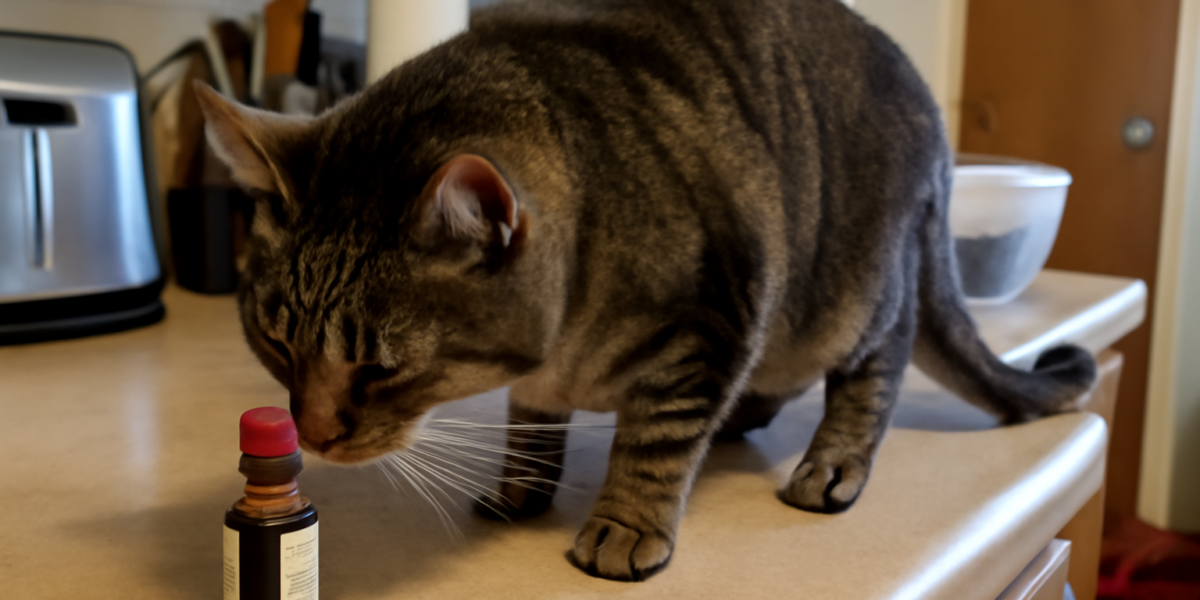
If your cat has consumed pure vanilla extract directly — for example, by knocking over a bottle and licking the spill — this is more serious. Even a teaspoon of pure extract represents a meaningful alcohol dose for a small cat. Contact your veterinarian, especially if you notice any signs of intoxication such as unsteadiness or lethargy.
Store vanilla extract, like all alcohol-containing products, in secure cabinets. Clean up spills immediately. When baking, keep the extract bottle capped and out of reach. The strong, sweet scent of vanilla can attract curious cats, so do not leave it accessible on countertops.
In baked goods where vanilla extract has been heated (cookies, cakes), much of the alcohol evaporates during the baking process, leaving primarily the vanillin flavor. A crumb of a baked vanilla cookie is less concerning from an alcohol perspective than a lick of raw extract, though the sugar and other ingredients in baked goods remain inappropriate for cats.
Signs of Problems After Consuming Vanilla
The symptoms to watch for depend on the form and amount of vanilla consumed.
Alcohol poisoning symptoms (within 30 minutes to 2 hours of consuming extract): Disorientation, stumbling or uncoordinated walking, drowsiness, vomiting, slow breathing, and drop in body temperature. These are signs of ethanol toxicity and can progress to loss of consciousness and respiratory failure. If your cat consumed a significant amount of vanilla extract, this is a veterinary emergency.
Mild exposure symptoms: A lick of diluted vanilla in batter or a crumb of baked goods may cause mild drooling, brief nausea, or no symptoms at all. Monitor your cat for a few hours and contact your vet if any concerning signs develop.
Propylene glycol exposure (from some imitation vanillas): Lethargy, reduced appetite, vomiting, and in more severe cases, signs of anemia such as pale gums and rapid breathing. Propylene glycol causes Heinz body formation in cat red blood cells, leading to their destruction. If your cat consumed imitation vanilla, check the ingredient label for propylene glycol and inform your vet.
Digestive upset from vanilla-flavored foods: If the exposure was through vanilla ice cream, pudding, or similar products, watch for lactose intolerance symptoms (diarrhea, gas, bloating) and sugar-related effects (increased thirst, hyperactivity followed by lethargy).
Healthy Alternatives to Vanilla
If you are looking for ways to make your cat’s treats more interesting, these safe options are far better than vanilla:
- Cooked plain chicken: The natural aroma and flavor of warm chicken is far more appealing to cats than any flavoring extract
- Fish-flavored cat treats: Commercial treats come in flavors cats naturally enjoy, without any harmful additives
- Warm chicken broth: A tablespoon of unseasoned, onion-free broth provides a warm, aromatic treat
- Freeze-dried meat: Single-ingredient treats provide concentrated natural flavor without artificial or risky additives
- Catnip: If your cat responds to catnip, this is a safe, natural way to provide an aromatic experience
- Cooked salmon: The rich aroma and omega-3 content make this a treat that is both appealing and beneficial
Looking for a sweet feline companion? Visit our adoption page to find a rescue cat waiting for a loving home.
Frequently Asked Questions
Is vanilla toxic or just bad for cats?
The vanilla compound (vanillin) itself is not classified as toxic to cats. However, vanilla extract — the most common form used in homes — is dangerous because of its high alcohol content. The distinction is important: a trace of vanillin in a baked cookie is very different from a lick of pure vanilla extract. The extract is the dangerous form, and the alcohol it contains can cause genuine toxicity in cats.
Will the alcohol in vanilla extract evaporate if I cook with it?
Some alcohol evaporates during cooking, but the amount depends on temperature, cooking time, and method. Baking at high temperatures for extended periods (like cookies at 350 degrees for 15 minutes) removes most of the alcohol. However, dishes where vanilla is added at the end or not heated extensively may retain significant alcohol. In any case, the other ingredients in vanilla-flavored foods (sugar, dairy, fat) remain problematic for cats regardless of alcohol evaporation.
Can cats eat vanilla yogurt?
Vanilla yogurt is not recommended for cats. It contains added sugar, potential artificial sweeteners (including xylitol in some brands, which is toxic), dairy that most cats cannot digest, and vanilla flavoring. Plain, unsweetened yogurt in very small amounts is sometimes tolerated by some cats, but vanilla yogurt adds too many additional concerns to be considered safe.
Is vanilla ice cream safe for cats?
No, vanilla ice cream is not safe for cats. It combines dairy (causing lactose intolerance symptoms), high sugar content (contributing to obesity and diabetes), and vanilla flavoring in a frozen product that can also cause cold sensitivity. There are cat-specific frozen treats available that are much safer if you want to share a frozen snack with your pet.
My cat knocked over a bottle of vanilla extract — what should I do?
Clean up the spill immediately and check your cat for any signs that they licked the extract. Look for vanilla staining on their paws or face. If you believe your cat consumed more than a tiny lick, contact your veterinarian. Alcohol is absorbed quickly, so prompt assessment is important. Monitor your cat for signs of intoxication (stumbling, drowsiness, vomiting) over the next few hours even if you are not sure they ingested any.
Does vanilla scent bother cats?
Cats have highly sensitive noses, and strong vanilla scents — particularly from candles, air fresheners, or essential oil diffusers — can be overwhelming or irritating. While the scent itself is not typically toxic when properly ventilated, concentrated vanilla fragrance products may contain other compounds that are harmful to cats when inhaled. Keep scented products in well-ventilated areas and observe your cat for signs of respiratory irritation such as sneezing, coughing, or watery eyes.
Your cat depends on you to keep their environment safe and their diet appropriate. If you are ready to give a rescue cat the loving home they deserve, please visit our adoption page to find your perfect match.


