
Last updated: May 4, 2026
In this article
Can Cats Eat Ice Cream? Safety Guide for Cat Owners
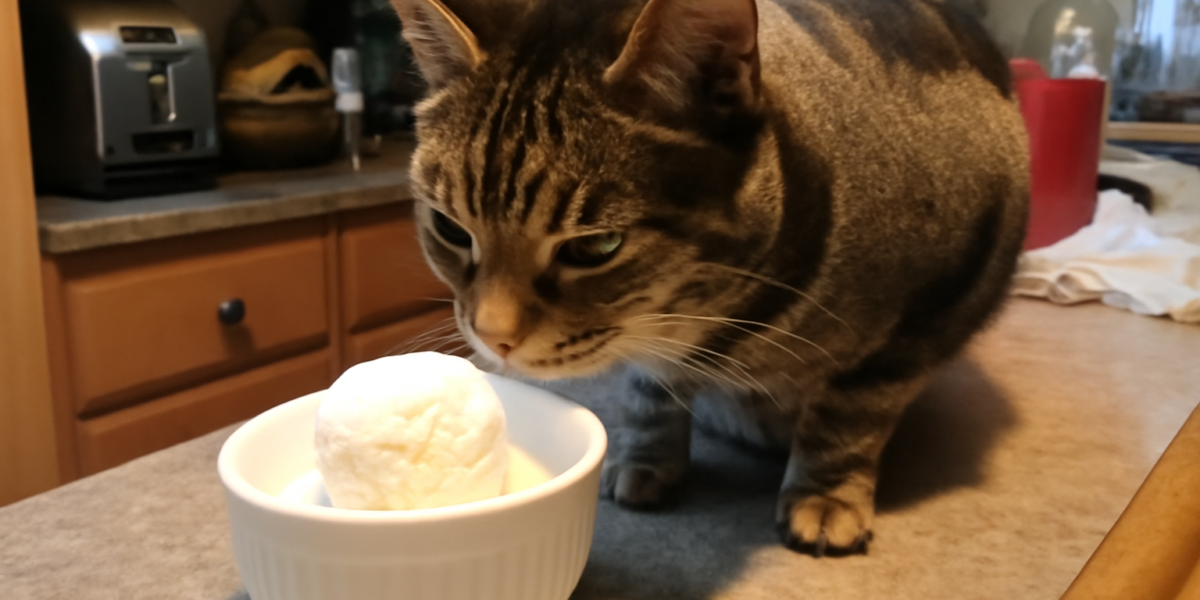
On a warm day, few things are more tempting than a bowl of ice cream, and your cat may show keen interest in your frozen treat. The creamy texture and fat content of ice cream can be appealing to cats, leading many owners to wonder if a small lick is harmless. Unfortunately, ice cream is one of those foods that is best kept entirely away from your feline companion. This guide explains why ice cream is problematic for cats and what alternatives you can offer instead.
Quick Answer
No, cats should not eat ice cream. There are multiple reasons why ice cream is a poor choice for felines. The primary concern is that most adult cats are lactose intolerant, meaning they lack sufficient levels of the enzyme lactase needed to properly digest the lactose found in dairy products like ice cream. Feeding ice cream to a lactose-intolerant cat will almost certainly result in gastrointestinal distress, including diarrhea, vomiting, gas, and abdominal cramps.
Beyond the lactose issue, ice cream is loaded with sugar, which cats cannot taste and do not need. Many ice cream flavors also contain ingredients that are outright toxic to cats, including chocolate, coffee, certain nuts, raisins, and artificial sweeteners like xylitol. Even plain vanilla ice cream offers no nutritional value to a cat and introduces unnecessary calories, sugar, and dairy that can harm their health.
Nutritional Considerations for Cats
As obligate carnivores, cats have evolved to obtain their nutrition almost exclusively from animal proteins and fats. Their digestive systems are specialized for processing meat, and they have limited ability to handle lactose, plant-based carbohydrates, and sugars.
Here is why the nutritional profile of ice cream is fundamentally incompatible with feline dietary needs:
- Lactose: Kittens produce the enzyme lactase to digest their mother’s milk, but most cats gradually lose this ability after weaning. By adulthood, the majority of cats are lactose intolerant to some degree. Ice cream is a concentrated dairy product with significant lactose content, making it likely to cause digestive problems in most adult cats.
- Sugar: A typical serving of ice cream contains substantial amounts of sugar. Cats lack the taste receptors for sweetness, so they gain no enjoyment from the sugar content. More importantly, cats metabolize sugars inefficiently, and regular sugar consumption can contribute to obesity, dental problems, and diabetes.
- Fat: While cats do need dietary fat, the types and amounts found in ice cream are not ideal. The saturated fats in ice cream, combined with the sugar and dairy, can strain a cat’s digestive system and contribute to pancreatitis in susceptible individuals.
- Artificial ingredients: Many commercial ice creams contain artificial flavors, colors, stabilizers, and preservatives that have not been evaluated for safety in cats and may cause adverse reactions.
A cat fed a complete and balanced commercial diet has absolutely no nutritional need for ice cream. Every calorie consumed from ice cream displaces calories that could come from nutritionally appropriate food.
Benefits and Risks
Potential benefits: Honestly, there are no meaningful health benefits to feeding ice cream to cats. Some might argue that the fat and protein in ice cream could provide a caloric boost for underweight cats, but there are far safer and more appropriate high-calorie foods available, including veterinarian-recommended recovery diets and high-quality wet cat foods.
Risks:
- Lactose intolerance symptoms: The most common and immediate risk. Expect diarrhea, vomiting, bloating, gas, and abdominal discomfort within a few hours of consumption in most adult cats.
- Chocolate toxicity: Chocolate ice cream contains theobromine and caffeine, both of which are toxic to cats. Even small amounts of chocolate can cause vomiting, diarrhea, rapid heart rate, tremors, and in severe cases, seizures or death.
- Xylitol poisoning: Sugar-free and low-calorie ice creams often contain xylitol, an artificial sweetener that is extremely toxic to animals. Xylitol can cause rapid insulin release leading to dangerous hypoglycemia, liver failure, and potentially death, even in small quantities.
- Coffee and caffeine: Coffee-flavored ice cream contains caffeine, which is toxic to cats and can cause restlessness, rapid breathing, heart palpitations, and muscle tremors.
- Macadamia nuts and raisins: Some ice cream varieties contain macadamia nuts or raisins, both of which are toxic to cats and can cause weakness, vomiting, tremors, and kidney damage.
- Obesity: Ice cream is calorie-dense, and even occasional indulgence can contribute to weight gain in cats, who have relatively low daily caloric needs.
- Pancreatitis: The high fat and sugar content of ice cream can trigger pancreatitis, a painful and potentially serious inflammation of the pancreas.
- Brain freeze: The extreme cold temperature of ice cream can cause discomfort in a cat’s mouth and throat and may startle them, though this is a minor concern compared to the chemical and nutritional risks.
How to Serve Safely
The safest approach is to not serve ice cream to your cat at all. No variety of ice cream, whether dairy-based, sugar-free, or plant-based, is appropriate for cats.
If your cat has had a small accidental lick of plain vanilla ice cream, there is usually no need to panic. A tiny amount of vanilla ice cream is unlikely to cause a medical emergency in most cats, though you may notice mild digestive upset. Monitor your cat and ensure they have access to fresh water.
However, if your cat has consumed any amount of chocolate ice cream, coffee ice cream, or ice cream containing xylitol, macadamia nuts, raisins, or other known toxic ingredients, contact your veterinarian or the ASPCA Animal Poison Control Center immediately. These situations can quickly become medical emergencies.
If you want to give your cat a cool treat on a hot day, consider these safe alternatives:
- Ice cubes made from plain, low-sodium chicken or bone broth (ensure the broth contains no onion, garlic, or excessive salt)
- A small amount of plain, lactose-free goat milk yogurt (still offer sparingly)
- Commercially available cat-safe frozen treats designed specifically for felines
- Simply providing fresh, cool water and a comfortable, air-conditioned environment
Signs of Problems
If your cat has consumed ice cream, watch for the following symptoms. The timeline and severity will vary depending on the type and amount of ice cream consumed and whether it contained any toxic ingredients.
Symptoms of lactose intolerance (typically appear within 8-12 hours):
- Diarrhea, which may be watery
- Vomiting
- Abdominal pain and bloating
- Excessive gas
- Decreased appetite
Symptoms of chocolate or caffeine toxicity (can appear within 1-6 hours):
- Restlessness and hyperactivity
- Rapid breathing and elevated heart rate
- Muscle tremors
- Vomiting and diarrhea
- Seizures in severe cases
Symptoms of xylitol poisoning (can appear within 30 minutes to 12 hours):
- Vomiting
- Weakness and lethargy
- Loss of coordination
- Collapse
- Seizures
Any exposure to chocolate, caffeine, or xylitol warrants an immediate call to your veterinarian, even if symptoms have not yet appeared. Early intervention is critical for the best possible outcome. Do not wait for symptoms to develop before seeking help.
Healthy Alternatives
Instead of ice cream, treat your cat to foods that are safe, nutritious, and appropriate for their carnivorous physiology.
- Cooked plain meat: Small pieces of unseasoned chicken, turkey, or duck are among the best treats you can offer a cat. These align with their natural dietary needs and are almost always eagerly accepted.
- Freeze-dried meat treats: Available in varieties like chicken, salmon, and shrimp, these single-ingredient treats are convenient, shelf-stable, and provide pure protein.
- Chilled wet cat food: On a hot day, serving refrigerator-temperature wet food can give your cat a cool eating experience without any of the risks associated with ice cream.
- Cat-specific frozen treats: Several pet food brands make frozen treats formulated specifically for cats, using cat-safe ingredients without dairy, sugar, or artificial sweeteners.
- Cooked egg: A small amount of scrambled or boiled egg provides a protein-rich treat that cats enjoy.
Thinking about adding a feline friend to your family? Visit our adoption page to find rescue cats who would love a forever home where they are cared for with safe, healthy treats.
Frequently Asked Questions
Can cats eat vanilla ice cream?
While vanilla ice cream does not contain the acutely toxic ingredients found in chocolate or coffee varieties, it is still not safe for cats. It contains lactose, which most adult cats cannot digest, along with high amounts of sugar and fat. Even a small amount can cause digestive upset. The vanilla flavoring itself is not toxic, but the dairy base makes it inappropriate for feline consumption.
What about lactose-free ice cream?
Lactose-free ice cream eliminates one concern but introduces others. These products still contain high levels of sugar, fat, and potentially harmful artificial ingredients. Some lactose-free ice creams use xylitol as a sweetener, which is extremely toxic to animals. Even without toxic additives, the sugar and caloric content make lactose-free ice cream an unhealthy choice for cats. It is not a suitable workaround.
My cat loves ice cream. Why is that?
Cats are attracted to ice cream primarily because of its fat content, not its sweetness. Cats lack the taste receptors to detect sweet flavors, but they are highly attuned to fat, which signals caloric density. The creamy, rich texture of ice cream appeals to their preference for high-fat foods. This attraction does not mean ice cream is safe for them, just as a cat’s interest in a piece of string does not make it safe to swallow.
What should I do if my cat ate chocolate ice cream?
Contact your veterinarian or the ASPCA Animal Poison Control Center (888-426-4435) immediately. Provide information about the approximate amount consumed, the type of chocolate (dark chocolate is more dangerous than milk chocolate), and your cat’s weight. Chocolate contains theobromine and caffeine, both toxic to cats. Your veterinarian may recommend inducing vomiting or bringing your cat in for observation and treatment, depending on the amount ingested.
Can cats eat frozen yogurt instead of ice cream?
Frozen yogurt is not a safe alternative for cats. While yogurt contains somewhat less lactose than ice cream due to the fermentation process, frozen yogurt products are typically loaded with sugar and may contain artificial sweeteners, flavorings, and other additives that are not safe for cats. Some cats can tolerate a tiny amount of plain, unsweetened yogurt, but frozen yogurt products marketed to humans are not appropriate for feline consumption.
Is coconut or other non-dairy ice cream safe for cats?
Non-dairy ice creams made from coconut, almond, oat, or soy milk are not recommended for cats either. These products still contain high levels of sugar and may include xylitol or other artificial sweeteners. Additionally, some cats are sensitive to coconut oil, and the high fat content can cause digestive upset. None of these alternatives provide any nutritional value for cats, and the risks remain significant.
Your cat’s health and happiness are best served by sticking to species-appropriate foods and treats. For more guidance on what foods are safe for your feline friend, explore our article on whether cats can eat quinoa. And if you are looking to bring a new cat into your life, our adoption program has wonderful rescue cats waiting for their forever homes.


