
Last updated: May 4, 2026
In this article
Can Cats Eat Duck? Everything You Need to Know About This Novel Protein
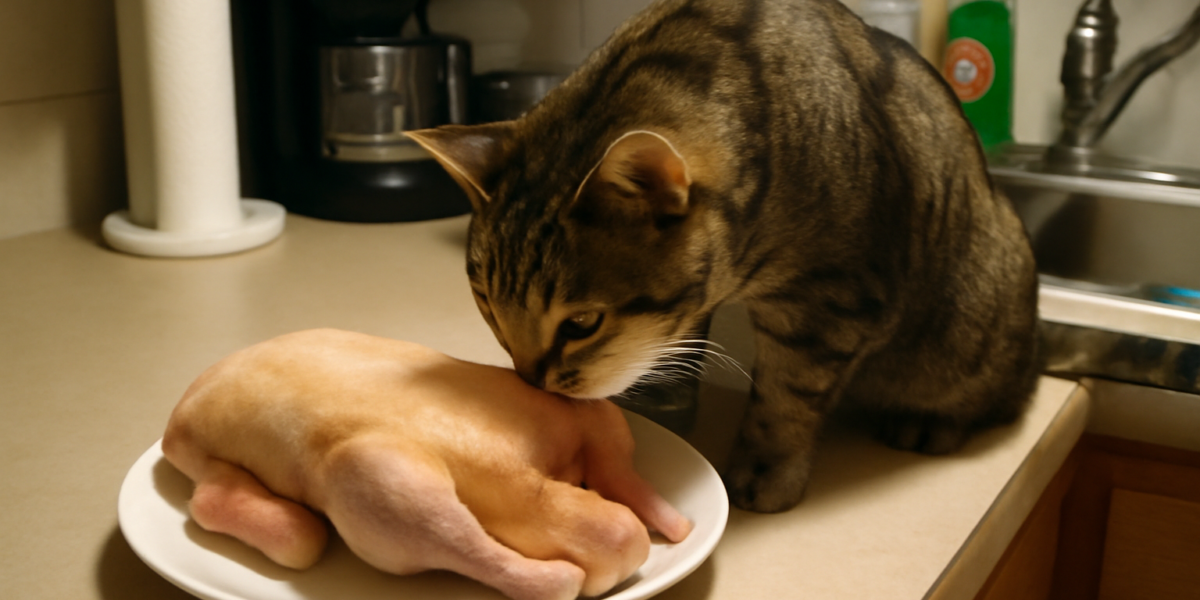
Duck might not be the first meat that comes to mind when you think about feeding your cat, but it’s gaining popularity among pet owners for good reason. Can cats eat duck? Yes, plain cooked duck meat is safe for cats and can actually be an excellent protein source for your feline companion. In fact, duck is considered a “novel protein” in the pet food world, which makes it particularly valuable for cats with allergies or sensitivities to more common meats like chicken or beef.
As obligate carnivores, cats thrive on animal-based protein, and duck delivers high-quality protein along with a rich nutritional profile that aligns well with feline dietary needs. In this guide, we’ll explore the benefits of duck for cats, how to prepare it safely, appropriate serving sizes, potential risks, and how duck compares to other poultry options. Whether you’re considering duck as a treat, a food topper, or part of a rotation diet, you’ll find everything you need to make an informed decision.
Is Duck Safe for Cats?
Duck meat is completely safe for cats when properly prepared. It’s a nutritious animal protein that cats can digest efficiently, and it provides many of the essential nutrients that felines need to thrive. Duck is used as a primary protein source in many premium commercial cat foods, which speaks to its established safety and nutritional value for feline consumption.
The key safety considerations with duck are the same as with any meat you’d share with your cat: it should be thoroughly cooked, served plain without seasonings, and offered in appropriate portions. Let’s look at the specific forms of duck and their safety profiles.
Cooked duck breast and thigh meat: Safe and excellent for cats. These are the best cuts to share, as they provide lean to moderately fatty protein that’s easy for cats to eat and digest.
Duck skin: While not toxic, duck skin is extremely high in fat and should be removed or strictly limited. A tiny piece of crispy skin is unlikely to cause harm, but the concentrated fat can lead to digestive upset, especially in cats prone to pancreatitis.
Duck bones: Cooked duck bones should never be given to cats. Cooking makes poultry bones brittle and prone to splintering into sharp fragments that can puncture the mouth, throat, esophagus, stomach, or intestines. This is a genuine emergency risk. Always remove all bones before serving duck to your cat.
Duck organs: Duck liver, heart, and gizzards are all safe and nutritious for cats when cooked. Duck liver follows the same guidelines as other types of liver: limit to small portions once or twice a week due to its high vitamin A content.
Raw duck: Raw duck carries the risk of bacterial contamination, including Salmonella, Campylobacter, and Listeria. While some raw-feeding advocates include raw duck in their cats’ diets, the safest approach for most pet owners is to cook duck thoroughly before serving.
If your cat enjoys poultry, you may want to explore our guides on whether cats can eat chicken and whether cats can eat turkey for additional options.
Nutritional Benefits of Duck for Cats
Duck is a nutritional powerhouse for cats, delivering a wide range of nutrients that support feline health in multiple ways.
High-quality complete protein: Duck meat provides approximately 19 to 23 grams of protein per 3-ounce cooked serving, depending on the cut. This protein is complete, meaning it contains all the essential amino acids cats need, including taurine, arginine, methionine, and cysteine. For obligate carnivores like cats, animal-based protein is the foundation of good health, supporting muscle development, organ function, immune response, and enzymatic processes.
Taurine: Duck meat is a good source of taurine, the amino acid that cats cannot synthesize in adequate amounts and must obtain through diet. Taurine is critical for heart health (preventing dilated cardiomyopathy), vision (preventing retinal degeneration), reproductive function, and immune health. A taurine-deficient diet can have serious, potentially fatal consequences for cats.
Iron and zinc: Duck is richer in iron than chicken or turkey, making it a particularly good choice for supporting red blood cell production and oxygen transport. The heme iron in duck meat is highly bioavailable, meaning cats can absorb and use it efficiently. Duck also provides zinc, which supports immune function, wound healing, and skin health.
B vitamins: Duck is an excellent source of B vitamins, particularly niacin (B3), B6 (pyridoxine), and B12 (cobalamin). These vitamins support energy metabolism, nervous system function, red blood cell formation, and overall vitality. B12 is especially important for cats and is found abundantly in animal proteins like duck.
Selenium: This trace mineral acts as an antioxidant, supporting immune health and thyroid function. Duck provides a meaningful amount of selenium that contributes to your cat’s overall antioxidant defense.
Omega fatty acids: Duck fat contains a balanced mix of monounsaturated and polyunsaturated fatty acids, including omega-3 and omega-6 fatty acids. In appropriate amounts, these fats support skin and coat health, reduce inflammation, and promote cardiovascular wellness. Duck fat is actually more nutritionally complex than chicken fat, with a fatty acid profile that some nutritionists consider superior.
Higher caloric density: Duck is somewhat higher in calories than chicken breast due to its higher fat content. While this means portion sizes should be carefully managed, it also means that duck can provide a caloric boost for underweight cats or those needing extra energy during recovery from illness.
Duck as a Novel Protein for Allergy Management
One of the most significant advantages of duck for cats is its status as a novel protein. In veterinary nutrition, a “novel protein” is a protein source that a cat has not been regularly exposed to. This is important because food allergies in cats develop in response to proteins the cat has eaten repeatedly over time. The most common food allergens for cats are the proteins they encounter most frequently: chicken, beef, fish, and dairy.
Because duck is less commonly used in mainstream cat foods compared to chicken or beef, many cats have had little or no prior exposure to it. This makes duck an excellent protein choice for cats undergoing elimination diets to diagnose food allergies, cats with confirmed allergies to chicken, beef, or other common proteins, and cats with chronic digestive issues, skin problems, or ear infections that may be food-related.
If your veterinarian has recommended an elimination diet, duck may be one of the novel proteins they suggest. During an elimination diet, the cat is fed a single protein source they haven’t eaten before for 8 to 12 weeks to see if symptoms improve. If they do, other proteins are gradually reintroduced one at a time to identify which ones trigger reactions.
It’s worth noting that as duck becomes more popular in pet foods, it may become a less reliable “novel” protein for some cats. If your cat has already been eating duck-based food, it won’t serve the novel protein purpose for allergy testing.
How to Prepare Duck for Your Cat
Proper preparation ensures that duck is safe, digestible, and nutritious for your cat.
Select quality duck: Choose fresh duck from a reputable source, such as a grocery store, butcher shop, or farm. Duck breast and thigh are the most practical cuts for cat treats. If available, duck organs (liver, heart, gizzard) can also be prepared for your cat.
Remove skin and excess fat: Before cooking, remove the skin and trim away any large visible fat deposits. Duck is naturally fattier than chicken or turkey, and while some fat is beneficial, the concentrated fat layer under the skin is more than a cat needs and can cause digestive upset. Removing the skin before cooking also prevents the temptation to share the delicious but overly rich crispy skin.
Cook thoroughly: Cook duck to an internal temperature of at least 165 degrees Fahrenheit (74 degrees Celsius) to eliminate harmful bacteria. The best cooking methods for cat-friendly duck include baking or roasting (place skinless duck in an oven at 375 degrees Fahrenheit until fully cooked), boiling or poaching (simmer duck in water for 15 to 25 minutes depending on the size of the piece), and steaming (steam for 15 to 20 minutes until cooked through). Avoid frying, as this adds unnecessary oil and fat.
Keep it completely plain: Do not add any seasoning, salt, pepper, garlic, onion, herbs, sauces, glazes, or marinades. Many duck recipes call for ingredients like orange sauce, hoisin, five-spice powder, or garlic that are not safe for cats. Your cat needs and wants plain meat; the natural flavor of duck is more than enough to entice most felines.
Remove all bones: This step is critical. Carefully inspect the cooked duck and remove every bone and bone fragment. Cooked poultry bones are brittle and can splinter into sharp shards that cause internal injuries. Run your fingers through the meat to feel for any small bones you might have missed visually.
Shred or dice into small pieces: Cut or shred the cooked duck meat into small, cat-appropriate pieces. For most cats, pieces roughly the size of a pea or small bean are ideal. This prevents choking and makes it easy to control portions accurately.
Cool completely before serving: Let the duck meat cool to room temperature before offering it to your cat. Hot food can burn a cat’s mouth, tongue, and throat.
Portion Sizes and Feeding Frequency
Duck should be treated as a treat or small dietary supplement rather than a primary food source, unless it’s part of a veterinarian-supervised diet plan.
Small cats (under 8 pounds): One to two tablespoons of diced, plain cooked duck meat per serving, offered two to three times per week. Smaller cats have lower caloric needs, and duck’s higher fat content means calories add up faster than with leaner meats like chicken breast.
Average cats (8-12 pounds): Two to three tablespoons of diced cooked duck per serving, two to three times per week. This provides a substantial treat experience while keeping the caloric and fat contribution manageable.
Large cats (over 12 pounds): Three to four tablespoons of diced cooked duck per serving, two to three times per week. Even larger cats should maintain moderation, as the goal is a treat-sized portion.
All treats combined, including duck, should represent no more than 10% of your cat’s total daily caloric intake. The remaining 90% should come from a complete and balanced commercial cat food that provides all essential nutrients in the right proportions.
If you’re interested in using duck as a more significant part of your cat’s diet, perhaps as a protein rotation or for allergy management, consult with your veterinarian or a board-certified veterinary nutritionist. They can help you determine appropriate amounts and ensure your cat’s overall nutritional needs are being met.
For another poultry option that makes an excellent comparison to duck, explore our article on whether cats can eat pork.
Potential Risks and Things to Watch For
While duck is generally safe and well-tolerated by most cats, there are several risks and considerations to keep in mind.
High fat content: Duck is fattier than chicken or turkey, which is both a benefit (for underweight cats or added palatability) and a risk (for overweight cats or those prone to pancreatitis). The fat in duck can cause digestive upset if too much is consumed at once, and chronic overconsumption can contribute to obesity. Cats with a history of pancreatitis should have duck introduced very carefully, in small amounts, with veterinary guidance.
Bone hazards: As discussed in the preparation section, cooked duck bones are a serious safety hazard. They can splinter and cause lacerations or perforations anywhere in the digestive tract. Always remove all bones meticulously before serving duck to your cat.
Seasoned or prepared duck: Duck dishes intended for human consumption almost always contain ingredients that are unsafe for cats. Duck a l’orange, Peking duck, confit, smoked duck, and other preparations contain salt, sugar, garlic, onion, spices, sauces, or other additives that can harm your cat. Never share prepared duck dishes with your feline friend. Only plain, unseasoned, home-cooked duck is appropriate.
Raw duck risks: Raw duck can carry Salmonella, Campylobacter, Clostridium, and other pathogenic bacteria that can cause serious foodborne illness in cats (and their human family members through cross-contamination). If you choose to feed raw duck as part of a carefully managed raw diet, discuss the risks and proper handling procedures with your veterinarian.
Allergic reactions: While duck is valued as a novel protein for allergy-prone cats, it’s possible for cats to develop an allergy to any protein, including duck. Signs of a food allergy include itching (especially around the face, ears, and neck), skin rashes or redness, hair loss, vomiting, diarrhea, and chronic ear infections. If your cat develops these symptoms after eating duck, discontinue it and consult your veterinarian.
Nutritional imbalance: Duck meat alone does not provide a complete and balanced diet for cats. It lacks certain essential nutrients, including calcium (which cats normally get from bone content in commercial foods), adequate taurine in some cuts, and the full spectrum of vitamins and minerals needed for long-term health. Duck should complement a balanced commercial diet, not replace it.
When to Contact Your Veterinarian
Duck is a low-risk food for cats when properly prepared, but certain situations warrant professional attention.
Seek emergency veterinary care if your cat ate cooked duck bones or you suspect they may have. Bone splinters can perforate the esophagus, stomach, or intestines, leading to peritonitis, a life-threatening abdominal infection. Signs include drooling, gagging, difficulty swallowing, vomiting (possibly with blood), abdominal pain, bloody stools, lethargy, and refusal to eat. Do not wait for symptoms to appear if you know bones were consumed; contact your vet immediately.
Contact your veterinarian if your cat ate duck that was prepared with garlic, onion, or other toxic seasonings. Both garlic and onion can cause oxidative damage to red blood cells, leading to hemolytic anemia. Symptoms may not appear immediately but can develop over several days and include lethargy, pale gums, rapid breathing, dark-colored urine, and weakness.
Reach out to your vet if your cat shows signs of pancreatitis after eating duck, including persistent vomiting, severe diarrhea, abdominal pain, loss of appetite, and lethargy. This is more likely in cats that consumed a fatty portion of duck or those with a history of pancreatic issues.
Consult your veterinarian if your cat develops signs of a food allergy after eating duck, particularly if the symptoms are persistent or worsening. Your vet can help determine whether duck is the culprit and recommend an appropriate dietary strategy.
Frequently Asked Questions
How does duck compare to chicken for cats?
Both duck and chicken are excellent protein sources for cats, but they have some notable differences. Duck is generally higher in fat and calories than chicken breast, which gives it a richer flavor that many cats prefer but also means portions should be slightly smaller. Duck provides more iron and a more complex fatty acid profile than chicken, which can be beneficial for cats needing extra nutritional support. Chicken is leaner, more widely available, and typically more affordable, making it a practical everyday treat. The most significant difference in a veterinary context is that duck serves as a novel protein for cats that have developed allergies to chicken, one of the most common feline food allergens. If your cat tolerates both, rotating between duck and chicken provides dietary variety and a broader nutritional spectrum.
Can cats eat duck-based commercial cat food as their primary diet?
Yes, cats can eat duck-based commercial cat food as their primary diet, provided the food is labeled as “complete and balanced” and meets AAFCO standards for the appropriate life stage (kitten, adult, or all life stages). Complete and balanced duck-based cat foods are formulated to provide all the essential nutrients cats need, including taurine, arachidonic acid, vitamins, and minerals, using duck as the primary protein source. These foods are an excellent option for cats with chicken or beef allergies, or for owners who simply want to offer their cat a premium protein. When selecting a duck-based cat food, look for products where duck or duck meal is listed as the first ingredient, and avoid those with excessive fillers, artificial preservatives, or by-products. As with any dietary change, transition gradually over 7 to 10 days to avoid digestive upset.
Is smoked or cured duck safe for cats?
Smoked, cured, or processed duck products are not recommended for cats. These preparations involve high levels of salt, which can lead to sodium toxicity and kidney strain in cats. Smoked duck also contains compounds produced during the smoking process, including polycyclic aromatic hydrocarbons (PAHs) and nitrosamines, which are potentially carcinogenic. Cured duck products like duck prosciutto or duck bacon are heavily salted and often contain nitrates, nitrites, sugar, and various seasonings that are not appropriate for feline consumption. Duck jerky intended for human consumption may also contain garlic, onion powder, soy sauce, and other flavorings that are harmful to cats. If you want to share duck with your cat, always prepare it fresh, plain, and unseasoned at home.
Can kittens eat duck?
Kittens over 12 weeks old can try small amounts of plain, cooked, boneless duck meat as an occasional treat. However, kittens have very specific and demanding nutritional needs during their rapid growth phase, and their primary nutrition should come from a kitten-formulated complete and balanced cat food. Kitten food is specifically designed to provide the higher protein, fat, calorie, vitamin, and mineral levels that growing kittens need for proper development of bones, muscles, organs, and immune function. A tiny amount of duck, roughly a teaspoon of finely diced cooked meat, can be offered as a treat once or twice a week without displacing their regular food. Avoid giving kittens duck skin or fatty portions, as their young digestive systems are more sensitive to dietary fat. If you have any concerns about supplementing your kitten’s diet, consult your veterinarian for personalized guidance.


