
Last updated: May 4, 2026
In this article
Can Cats Eat Pork? Safety, Risks, and Feeding Guidelines
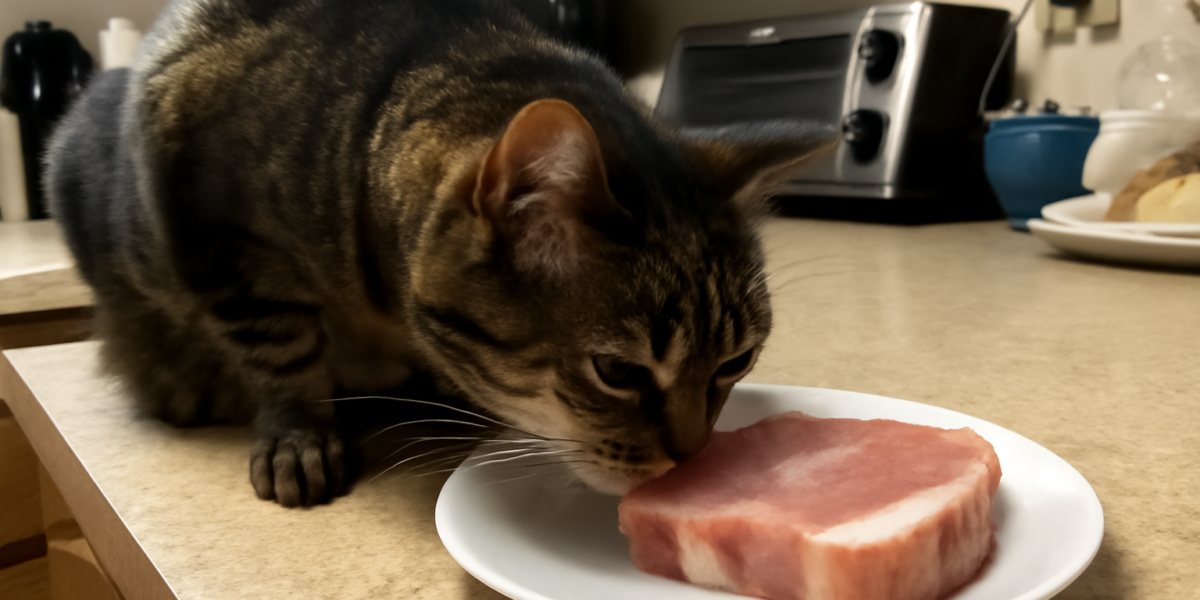
When you are cooking up some pork chops for dinner and your cat starts weaving around your ankles with hopeful eyes, the temptation to share is real. Cats are carnivores after all, so it seems logical that pork would be a natural fit for their diet. But can cats eat pork safely, and if so, what rules should you follow?
The answer is yes, cats can eat pork in moderation, but not all pork products are created equal when it comes to feline safety. Plain, thoroughly cooked pork with no seasonings or additives is generally safe as an occasional treat. However, processed pork products like bacon, sausage, and ham introduce a range of concerns from excessive sodium to harmful preservatives.
As obligate carnivores, cats need animal protein to thrive. Pork provides plenty of protein along with essential nutrients, making it a more species-appropriate treat than many plant-based human foods. That said, pork also comes with higher fat content than some other meats, and the way it is prepared matters enormously for your cat’s health. This guide will walk you through everything you need to know about safely feeding pork to your feline friend.
Is Pork Safe for Cats to Eat?
Plain, cooked pork is safe for cats when offered in small amounts as an occasional treat. Pork is not toxic to cats, and as a meat, it aligns with their natural dietary needs better than many other human foods. However, several important caveats apply that every cat owner should understand before offering pork to their pet.
The most critical rule is that pork must always be thoroughly cooked. Raw or undercooked pork can harbor parasites such as Trichinella spiralis, which causes trichinosis, and bacteria like Salmonella and E. coli. These pathogens can cause serious illness in cats just as they can in humans. Cook pork to an internal temperature of at least 145 degrees Fahrenheit to eliminate these risks.
Seasoning is another major concern. Plain pork is fine, but pork prepared with garlic, onion, heavy salt, or other seasonings commonly used in human cooking can be dangerous. Garlic and onion belong to the allium family and are toxic to cats even in small amounts. They can cause oxidative damage to red blood cells, leading to a condition called Heinz body anemia. Always serve pork completely unseasoned.
The cut of pork matters as well. Lean cuts like pork loin or tenderloin are better choices for cats than fattier options like pork belly or ribs. High-fat foods can cause digestive upset and, with repeated exposure, may contribute to pancreatitis, a painful and potentially serious inflammation of the pancreas.
If your cat enjoys meat treats, you may also want to learn about other protein options like chicken and turkey, which tend to be leaner alternatives that many cats love.
Nutritional Benefits of Pork for Cats
Pork offers several nutritional benefits that make it a reasonable occasional treat for cats. As an animal protein source, it provides amino acids in a form that cats can readily absorb and utilize, which is a significant advantage over plant-based foods.
A three-ounce serving of cooked pork loin contains approximately 22 grams of protein, making it a protein-dense food that aligns with a cat’s carnivorous nutritional requirements. Protein is essential for maintaining muscle mass, supporting immune function, and enabling countless biological processes throughout your cat’s body.
Pork is an excellent source of B vitamins, particularly thiamine (B1), niacin (B3), and B12. Thiamine is especially important for cats because they have a higher requirement for this vitamin than many other animals. Thiamine deficiency in cats can lead to serious neurological problems, so foods that provide it can offer supplementary value. Niacin supports energy metabolism and skin health, while B12 is crucial for nervous system function and red blood cell production.
The mineral profile of pork includes phosphorus, zinc, and selenium. Phosphorus works alongside calcium to support bone and dental health. Zinc contributes to immune function, wound healing, and skin health. Selenium acts as an antioxidant, helping to protect cells from damage caused by free radicals.
Pork also contains taurine, an amino acid that is absolutely essential for cats. Unlike dogs, cats cannot synthesize enough taurine on their own and must obtain it from their diet. Taurine deficiency can lead to serious health problems including dilated cardiomyopathy, retinal degeneration, and reproductive issues. While your cat should get adequate taurine from their regular commercial food, the taurine in pork is a nice supplementary bonus.
However, it is important to note that pork tends to be higher in fat than chicken or turkey. While some fat is necessary in a cat’s diet, excessive fat intake can lead to weight gain and digestive problems. This is why lean cuts and moderate portions are so important when sharing pork with your cat.
Pork Products to Avoid Feeding Your Cat
Not all pork products are safe for cats, and some should be strictly avoided. Understanding which forms of pork are problematic will help you protect your cat from potential harm.
Bacon is one of the most common pork products that cat owners ask about, and unfortunately, it is not a good choice for felines. Bacon is extremely high in sodium and fat, both of which can cause problems for cats. A single slice of bacon contains around 137 milligrams of sodium, which is a significant amount for a small animal. Excessive sodium intake can lead to increased thirst, dehydration, and in severe cases, sodium ion poisoning. The high fat content can trigger digestive upset and contribute to pancreatitis over time.
Ham is another processed pork product that should be given sparingly if at all. Like bacon, ham is typically high in sodium due to the curing process. It may also contain preservatives like nitrates and nitrites, which are not ideal for feline consumption. A tiny piece of ham is unlikely to cause immediate harm, but it should not become a regular treat.
Sausages, hot dogs, and deli meats made from pork are all poor choices for cats. These products are heavily processed and typically contain a long list of additives including salt, sugar, garlic powder, onion powder, and various preservatives. Many of these ingredients are harmful to cats, and the overall nutritional profile of processed meats is far from ideal for feline health.
Pork rinds, cracklins, and other fried pork products should also be avoided. These items are extremely high in fat and salt and offer virtually no nutritional benefit to cats. The frying process adds unhealthy fats and can make these products difficult for cats to digest.
Smoked pork products carry additional risks due to the smoking process, which can introduce compounds that are not beneficial for cats. While the occasional tiny morsel may not cause immediate problems, smoked meats are best kept off your cat’s menu entirely.
How to Prepare and Serve Pork for Cats
Preparing pork safely for your cat is straightforward once you know the guidelines. The key principles are simplicity, thorough cooking, and proper portioning.
Start with a lean cut of pork such as loin, tenderloin, or center-cut chops. Trim away any visible fat before cooking, as excess fat is the primary concern with pork for cats. Remove any bones as well, since cooked pork bones can splinter and pose a serious choking and internal injury risk.
Cook the pork without any oil, butter, seasoning, marinade, or sauce. Baking, boiling, or grilling are all acceptable cooking methods. The goal is to cook the meat thoroughly while keeping it as plain as possible. Avoid any cooking sprays that contain garlic or other flavorings.
Once cooked, let the pork cool completely to room temperature before offering it to your cat. Cut the meat into small, bite-sized pieces that your cat can easily chew and swallow. For cats that tend to gulp their food, you may want to shred the pork into thin strips to reduce choking risk.
A good serving size is one to two small pieces, roughly the size of your fingertip, offered no more than once or twice a week. This amount is enough for your cat to enjoy as a treat without significantly impacting their overall nutritional balance. Remember that treats should make up no more than ten percent of your cat’s total daily calories.
Store any leftover cooked pork in the refrigerator and use it within three to four days. You can also freeze small portions for future use. When serving refrigerated pork, let it come to room temperature or warm it slightly so it is more palatable and aromatic for your cat.
Potential Risks and Health Concerns
While plain cooked pork is generally safe for cats, there are several health risks and concerns to keep in mind. Being aware of these potential issues will help you make the best decisions for your cat’s wellbeing.
Pancreatitis is one of the most serious risks associated with feeding high-fat foods like pork to cats. The pancreas produces enzymes that help digest fat, and when overloaded, it can become inflamed. Symptoms of pancreatitis include lethargy, loss of appetite, vomiting, abdominal pain, diarrhea, and fever. This condition can range from mild to life-threatening and often requires veterinary treatment including hospitalization in severe cases.
Digestive upset is common when cats eat foods they are not accustomed to, and pork is no exception. Even plain, properly cooked pork can cause vomiting, diarrhea, or stomach discomfort in some cats, particularly if they eat too much or if it is their first time trying it. Always introduce pork gradually and in very small amounts to gauge your cat’s tolerance.
Allergies to pork, while not extremely common, do occur in some cats. Food allergies in cats typically manifest as skin problems including itching, hair loss, and skin infections, though gastrointestinal symptoms are also possible. If your cat shows any signs of an allergic reaction after eating pork, discontinue it and consult your veterinarian.
Parasitic infections from raw or undercooked pork are a genuine concern. Trichinosis, toxoplasmosis, and various bacterial infections can all be transmitted through improperly cooked pork. These infections can cause serious symptoms in cats including fever, muscle pain, digestive upset, and neurological problems. Always cook pork thoroughly to eliminate this risk.
Sodium toxicity is a concern with processed pork products but can also be an issue if plain pork is brined or injected with a salt solution, which is common in commercially sold pork. Check the packaging of any pork you plan to share with your cat and choose products with no added sodium when possible.
When to Contact Your Veterinarian
Most cats that eat a small amount of plain, cooked pork will be perfectly fine. However, certain situations call for veterinary attention, and knowing when to seek help is an important part of responsible pet ownership.
If your cat has eaten pork that was seasoned with garlic, onion, or other toxic ingredients, contact your veterinarian or an animal poison control hotline right away. Garlic and onion toxicity can take several days to fully manifest, so early intervention is important even if your cat appears fine initially.
Seek immediate veterinary care if your cat has swallowed a pork bone. Cooked bones are brittle and can splinter, potentially causing choking, esophageal tears, intestinal blockages, or perforation of the digestive tract. Symptoms of a bone-related obstruction can include drooling, gagging, vomiting, straining to defecate, lethargy, and abdominal pain.
Call your vet if your cat develops persistent vomiting or diarrhea lasting more than 24 hours after eating pork. While mild digestive upset may resolve on its own, prolonged symptoms can lead to dehydration and may indicate a more serious problem such as pancreatitis or a food allergy.
Cats with pre-existing health conditions such as kidney disease, pancreatitis, diabetes, or obesity should not be given pork without veterinary approval. The fat and protein content of pork can exacerbate certain conditions, and your vet can advise you on whether pork is appropriate for your cat’s specific health situation.
If you notice signs of an allergic reaction such as excessive scratching, facial swelling, hives, or difficulty breathing after your cat eats pork, seek veterinary attention promptly. Severe allergic reactions, while rare, require immediate treatment.
Frequently Asked Questions
Can cats eat raw pork?
No, cats should not eat raw pork. While some proponents of raw feeding include pork in their cats’ diets, raw pork carries a significant risk of parasitic infections including trichinosis and toxoplasmosis, as well as bacterial contamination from Salmonella and E. coli. These pathogens can cause serious illness in cats and can also be transmitted to humans in the household. Always cook pork thoroughly before offering it to your cat to eliminate these risks.
Is pork better for cats than chicken or turkey?
Pork, chicken, and turkey are all safe protein options for cats when served plain and cooked. However, chicken and turkey are generally leaner than pork, meaning they have less fat per serving. This makes them slightly better choices for cats, especially those that are overweight or prone to digestive issues. Pork does offer some unique nutritional benefits, particularly its high thiamine content, but for everyday treat purposes, poultry is often the safer and more practical option.
How much pork can I safely feed my cat?
A safe serving of pork for an average-sized adult cat is one to two small pieces, roughly the size of a fingertip, offered no more than once or twice per week. This amount provides a tasty treat without significantly impacting your cat’s overall nutritional balance. All treats combined should make up no more than ten percent of your cat’s daily caloric intake. For cats with health conditions or weight management needs, consult your veterinarian before introducing pork or any new treat.
Can cats eat pork liver or organ meats?
Pork liver and other organ meats can be fed to cats in very small amounts, but they require extra caution. Liver is extremely rich in vitamin A, and excessive vitamin A intake can lead to a condition called hypervitaminosis A, which causes bone and joint problems. A tiny piece of cooked pork liver once a week or less is generally safe, but it should not be a regular part of your cat’s diet. Other organ meats like heart and kidney are lower risk but should still be offered sparingly and always cooked thoroughly.
My cat ate a piece of seasoned pork. What should I do?
If your cat ate a small piece of pork seasoned with salt and pepper only, monitor them for any signs of digestive upset but do not panic. If the pork contained garlic, onion, or any allium-family ingredient, contact your veterinarian right away, as these are toxic to cats. For pork with heavy salt seasoning, provide plenty of fresh water and watch for signs of excessive thirst, lethargy, or vomiting. When in doubt, call your vet for guidance specific to the ingredients your cat was exposed to.


