
Last updated: April 10, 2026
In this article
Can Cats Eat Pork Rinds?
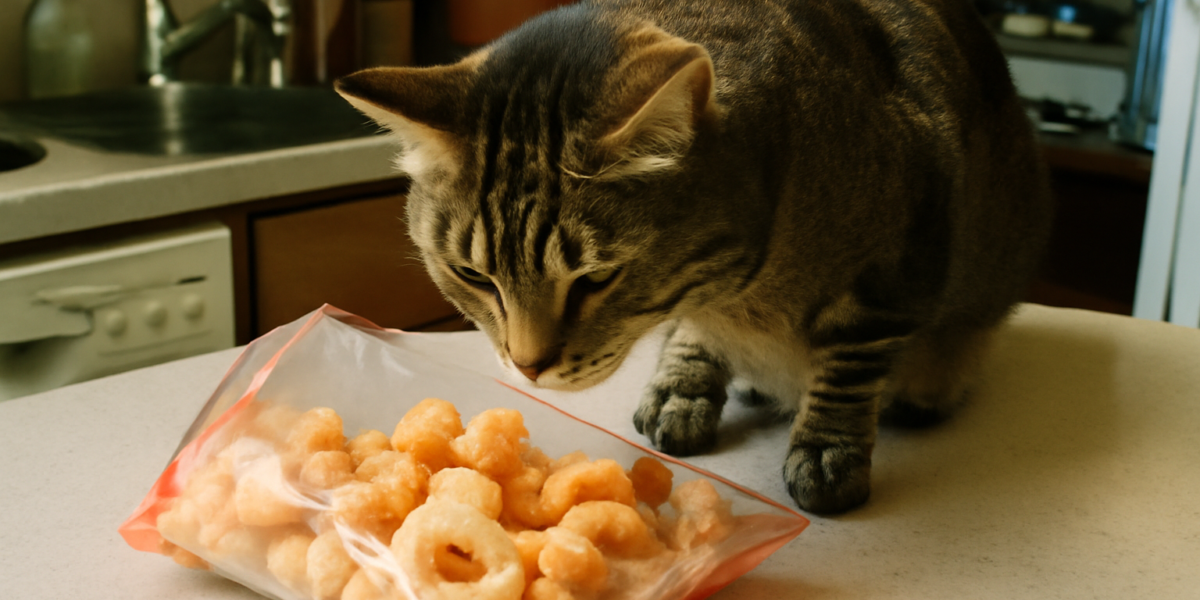
No, cats should not eat pork rinds. While pork itself is not toxic to cats, commercially produced pork rinds are deep-fried, extremely high in fat and sodium, and often coated with seasonings that can be harmful to cats. The crunchy, irregular texture also presents a choking hazard. Pork rinds have no nutritional value for cats and pose multiple health risks that far outweigh any enjoyment your cat might get from eating them.
It can be tempting to share snack foods with your cat, especially when they show interest in what you are eating. However, pork rinds are one of the worst human snacks you could offer a cat. Understanding the specific dangers will help you make better choices when your feline friend comes begging.
Why Pork Rinds Are Dangerous for Cats
Extreme Fat Content
Pork rinds are made by deep-frying or baking pork skin until it puffs up into a crispy snack. The result is a food that is roughly 40 to 50 percent fat by weight. A single ounce of pork rinds can contain 8 to 9 grams of fat, much of it saturated.
For a cat, this level of fat in a single snack is overwhelming. Cats need fat in their diet, but in controlled amounts from appropriate sources. A sudden intake of concentrated fat can trigger acute pancreatitis, a painful and potentially life-threatening inflammation of the pancreas. Pancreatitis in cats can cause severe vomiting, abdominal pain, lethargy, fever, and sometimes requires hospitalization.
Excessive Sodium
Most pork rinds are heavily salted. A single ounce can contain 500 milligrams or more of sodium, which is roughly 25 times the daily sodium needs of an average cat. Even a few pieces of pork rind can deliver a dangerous sodium load to a small animal.
Sodium overload in cats can cause excessive thirst and urination, elevated blood pressure, dehydration, and in severe cases, sodium ion poisoning. Cats with kidney disease or heart conditions are at particularly high risk from excess sodium.
Harmful Seasonings
Flavored pork rinds are especially dangerous. Common seasonings include:
- Garlic powder: Toxic to cats, causing oxidative damage to red blood cells.
- Onion powder: Also toxic, with similar effects to garlic.
- Chili and cayenne pepper: Can cause severe gastrointestinal irritation.
- Artificial flavors and preservatives: Some are not tested for safety in cats.
Choking and Digestive Hazards
Pork rinds have an irregular, sharp texture when broken. Cats tend to swallow food without thoroughly chewing, which means jagged pieces of pork rind can scratch the throat and esophagus. Larger pieces can become lodged in the throat, creating a choking emergency. The fried skin is also difficult for a cat’s digestive system to break down, potentially causing stomach upset or intestinal discomfort.
What Happens If Your Cat Eats Pork Rinds
If your cat stole a pork rind or two off your plate, here is what to watch for:
After a Small Amount (1-2 pieces)
A healthy adult cat that eats one or two plain pork rinds will likely be fine, though you may notice mild symptoms:
- Increased thirst from sodium intake
- Mild stomach upset, possibly a soft stool
- Brief nausea
After a Larger Amount or Seasoned Variety
Eating several pork rinds or any amount of heavily seasoned pork rinds is more concerning:
- Vomiting: From fat and sodium overload.
- Diarrhea: Possibly greasy or watery.
- Excessive thirst and urination: Sodium-driven fluid imbalance.
- Lethargy: Digestive discomfort and nausea.
- Abdominal pain: Your cat may hide, vocalize, or resist being touched around the belly.
If your cat ate pork rinds containing garlic or onion seasoning, contact your veterinarian regardless of the amount. Garlic and onion toxicity effects may not appear for two to five days but can cause serious anemia. Monitor for pale gums, rapid breathing, dark urine, and weakness.
What to Do If Your Cat Eats Pork Rinds
- Remove the remaining pork rinds from your cat’s reach immediately.
- Check the ingredient label. Look for garlic, onion, or other toxic seasonings. If present, call your vet.
- Offer fresh water. Your cat will likely be thirsty from the sodium. Ensure clean water is readily available.
- Monitor for symptoms over the next 12 to 24 hours. Note the time of ingestion and any symptoms that develop.
- Withhold treats and rich foods for the rest of the day. Offer plain, regular cat food at the next mealtime.
- Contact your vet if vomiting persists, diarrhea is severe or bloody, your cat appears lethargic, or the pork rinds contained toxic seasonings.
Healthier Crunchy Treat Alternatives
If your cat seems to enjoy crunchy textures, there are much safer options:
- Commercial cat treats: Many brands offer crunchy treats formulated with appropriate ingredients and portion sizes for cats.
- Freeze-dried meat treats: Chicken, salmon, or turkey freeze-dried treats provide a satisfying crunch with pure animal protein and no added fat, salt, or seasonings.
- Dental treats: Designed to be crunchy while also supporting dental health.
- Small pieces of cooked chicken: Not crunchy, but a high-protein alternative that satisfies the desire to share snack time. For more protein-rich treat ideas, check out our guide on cooked salmon for cats.
You can also explore other safe human foods as occasional treats. Read about sweet corn safety and nutritional yeast benefits for more options.
Other Human Snack Foods Cats Should Avoid
Pork rinds are not the only snack food that is inappropriate for cats. Other common human snacks to keep away from your cat include:
- Chips and pretzels: High sodium, often seasoned with harmful ingredients.
- Popcorn with butter and salt: Too much fat and sodium.
- Beef jerky: High sodium, often contains garlic and onion.
- Cheese puffs and crackers: Processed carbohydrates with little nutritional value.
- Chocolate or candy: Chocolate is toxic to cats, and sugar is unnecessary in their diet.
When in doubt, remember that the best treats for cats are small amounts of plain, cooked meat or commercially formulated cat treats. If you have recently adopted a cat, establishing healthy treat boundaries early prevents bad habits and supports long-term health.
Frequently Asked Questions
Are plain, unsalted pork rinds safe for cats?
Plain, unsalted pork rinds are less dangerous than seasoned ones, but they are still not recommended. They remain very high in fat and have a texture that poses choking risks. Even without added salt, they offer no nutritional benefit to cats and the fat content can still trigger digestive upset or pancreatitis.
Can cats eat cooked pork skin without the frying?
A tiny piece of plain, boiled pork skin without any seasoning is less risky than a fried pork rind, but it is still high in fat and tough to digest. If you want to share pork with your cat, a small piece of lean, plain, cooked pork meat (not skin) is a much better option.
My cat ate half a bag of pork rinds while I was away. Should I go to the vet?
Yes, contact your veterinarian. Half a bag of pork rinds represents a very large amount of fat and sodium for a cat. Your vet may want to monitor for pancreatitis, dehydration, and sodium toxicity. Check the ingredient list for garlic or onion and inform your vet. Bring the packaging to the appointment if possible.
Why does my cat beg for pork rinds?
Cats are attracted to the fat and protein smell of pork rinds. Pork skin has a strong, meaty aroma that triggers a cat’s prey-drive-related food interest. The crackling sound of you eating them may also pique their curiosity. This attraction does not mean the food is safe for them, just that their nose is leading them astray.
Can pork rinds cause pancreatitis in cats?
Yes. The extremely high fat content in pork rinds can trigger acute pancreatitis in cats, especially in cats that are not accustomed to high-fat foods or those with a history of pancreatic issues. Pancreatitis is a serious condition that causes vomiting, abdominal pain, lethargy, and fever, and may require hospitalization. This is one of the primary reasons pork rinds should not be given to cats.


