
Last updated: April 10, 2026
In this article
Can Cats Eat Cooked Salmon?
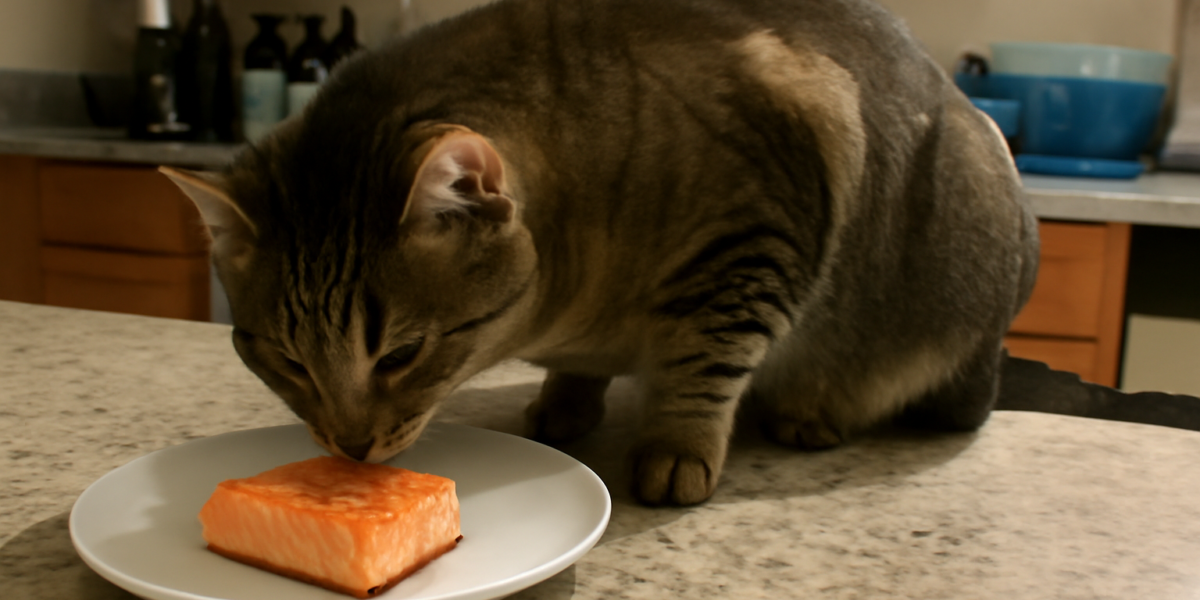
Yes, cats can eat cooked salmon in moderation, and most cats love it. Plain, thoroughly cooked salmon without any seasoning, butter, or oil is a nutritious occasional treat for healthy cats. It is an excellent source of omega-3 fatty acids, high-quality protein, and essential vitamins. However, salmon should be served as a treat or supplement, not as a primary food source, because feeding too much can lead to mercury exposure, nutritional imbalances, and excessive fat intake.
Salmon’s rich, oily texture and strong smell make it one of the most appealing foods you can offer a cat. As obligate carnivores, cats are biologically wired to crave animal protein, and fish is particularly enticing. The key is knowing how to prepare it safely and how much is appropriate.
Nutritional Benefits of Salmon for Cats
When served properly, cooked salmon offers several health benefits for cats:
- Omega-3 fatty acids (EPA and DHA): Support healthy skin and coat, reduce inflammation, promote joint health, and support brain and eye function.
- High-quality protein: Easily digestible animal protein that provides essential amino acids cats need, including taurine.
- Vitamin D: Supports bone health and calcium absorption.
- Vitamin B12: Essential for nervous system function and red blood cell production.
- Selenium: An antioxidant mineral that supports immune function.
- Astaxanthin: A natural antioxidant that gives salmon its pink color and may have anti-inflammatory properties.
The omega-3 content is particularly valuable. Many commercial cat foods are relatively low in omega-3s, so occasional salmon treats can help supplement this important nutrient. Cats with dry skin, dull coats, or inflammatory conditions like arthritis may benefit most from the omega-3 boost.
How to Prepare Salmon Safely for Your Cat
Proper preparation is essential to make salmon safe for your cat. Follow these steps:
Choosing the Salmon
- Fresh or frozen fillets are best. Wild-caught salmon tends to have higher omega-3 levels than farmed salmon, though both are safe when cooked.
- Avoid smoked salmon. Smoked salmon is extremely high in sodium and may contain preservatives. It can also harbor parasites that survive the cold-smoking process.
- Avoid canned salmon with added salt. If using canned, choose varieties packed in water with no added sodium. Drain and rinse before serving.
- Check for bones. Run your fingers along the fillet and remove any pin bones before cooking.
Cooking Methods
- Baking: Bake at 375 degrees Fahrenheit for 15 to 20 minutes until the internal temperature reaches 145 degrees. No oil, butter, or seasoning needed.
- Steaming: Steam for 10 to 15 minutes. This is the gentlest method and preserves the most nutrients.
- Poaching: Simmer in plain water for 8 to 10 minutes until cooked through.
- Avoid: Frying, grilling with oil, or any method that adds fat or charring. Never use garlic, onion, lemon, dill, or any other seasoning.
Serving
- Flake the cooked salmon into small pieces, checking again for bones.
- Let it cool to room temperature before serving.
- Mix into your cat’s regular food or offer separately as a treat.
Portion Sizes and Frequency
Salmon is calorie-dense due to its fat content, so portions should be small:
- Small cats (under 8 pounds): About half a tablespoon of flaked salmon per serving.
- Average cats (8-12 pounds): About one tablespoon of flaked salmon per serving.
- Large cats (over 12 pounds): Up to one and a half tablespoons per serving.
Offer cooked salmon no more than one to two times per week. Treats, including salmon, should not exceed 10 percent of your cat’s daily caloric intake. Overfeeding salmon can lead to weight gain, and the high fat content may trigger pancreatitis in susceptible cats.
Risks and Concerns with Salmon
Mercury and Heavy Metals
Salmon is a moderate-mercury fish. While it contains less mercury than tuna, swordfish, or king mackerel, regular, excessive consumption can lead to mercury accumulation over time. Sticking to recommended portions and frequency limits this risk.
Raw Salmon Dangers
Never feed your cat raw salmon. Raw salmon can carry Neorickettsia helminthoeca, the organism that causes salmon poisoning disease. While this condition is more commonly discussed in dogs, cats can also be affected. Raw salmon also carries risks of Salmonella and parasites. Always cook salmon thoroughly before serving.
Salmon Skin
Cooked salmon skin is not toxic but is very high in fat. Small amounts are fine for healthy cats, but cats prone to weight gain or pancreatitis should have the skin removed before serving.
Canned Salmon Concerns
Canned salmon often contains added salt and sometimes bone fragments. If using canned salmon, choose low-sodium or no-salt-added varieties packed in water. Drain and rinse before serving. Avoid canned salmon in oil.
Signs of Trouble After Eating Salmon
Monitor your cat after feeding salmon, especially the first time:
- Vomiting: Could indicate the salmon was too rich, too much was given, or your cat has a sensitivity.
- Diarrhea: The high fat content can cause loose stools, particularly in cats not used to salmon.
- Allergic reaction: Itching, hives, swelling, or gastrointestinal distress may indicate a fish allergy.
- Lethargy: Unusual tiredness after eating could signal digestive discomfort.
- Refusal to eat regular food: Some cats become fixated on salmon and refuse their balanced commercial food. This is more of a behavioral issue but can lead to nutritional imbalances if not managed.
If symptoms are mild, they should resolve within 24 hours. Persistent vomiting, bloody diarrhea, or signs of allergic reaction warrant a call to your veterinarian.
Salmon vs. Other Fish for Cats
How does salmon compare to other fish options for your cat?
- Salmon: High omega-3s, moderate mercury, high fat. Good in moderation.
- Sardines: Lower mercury, high omega-3s, smaller portion needed. A strong alternative.
- Tuna: Higher mercury risk, highly palatable (risk of addiction). Best as a rare treat.
- White fish (cod, tilapia): Leaner, lower in omega-3s, lower mercury. Good for cats watching calories.
- Shrimp: Low calorie, low mercury, must be cooked. Learn more in our shrimp safety guide.
- Anchovies: Very low mercury, high omega-3s. See our anchovy feeding guide.
Rotating between different protein sources helps prevent both food sensitivities and nutritional gaps. For more on safe foods for cats, read our article on nutritional yeast benefits and risks.
If you are preparing to adopt a cat, discussing a feeding plan with your vet will help you provide the best nutrition from day one.
Frequently Asked Questions
Can cats eat salmon every day?
No. Daily salmon feeding can lead to excessive fat and calorie intake, potential mercury accumulation, and nutritional imbalances. Salmon does not provide all the nutrients a cat needs for a complete diet. Stick to one to two servings per week as a treat alongside a balanced commercial cat food.
Is smoked salmon safe for cats?
No. Smoked salmon is extremely high in sodium and may contain preservatives that are not safe for cats. The cold-smoking process does not reach temperatures high enough to kill all parasites and bacteria. Always offer plain, fully cooked salmon instead.
Can cats eat salmon bones?
Cooked salmon bones are soft and small, making them less dangerous than the cooked bones of larger animals. However, they can still pose a choking risk or irritate the digestive tract. Remove all visible bones before serving salmon to your cat to be safe.
My cat only wants to eat salmon and refuses other food. What should I do?
Some cats develop a strong preference for salmon and may refuse their regular food, a condition sometimes called “fish addiction.” This can lead to nutritional deficiencies because salmon alone does not provide complete nutrition. Gradually reduce the amount and frequency of salmon while mixing it into their regular food. Over time, decrease the salmon ratio until your cat accepts their balanced diet. If the problem persists, consult your veterinarian for strategies.
Is wild-caught or farmed salmon better for cats?
Both wild-caught and farmed salmon are safe for cats when cooked. Wild-caught salmon typically has higher omega-3 levels and lower fat content. Farmed salmon may contain slightly more contaminants depending on farming practices, but the differences are generally small. Choose whichever fits your budget and is available fresh in your area.


