
Last updated: April 10, 2026
In this article
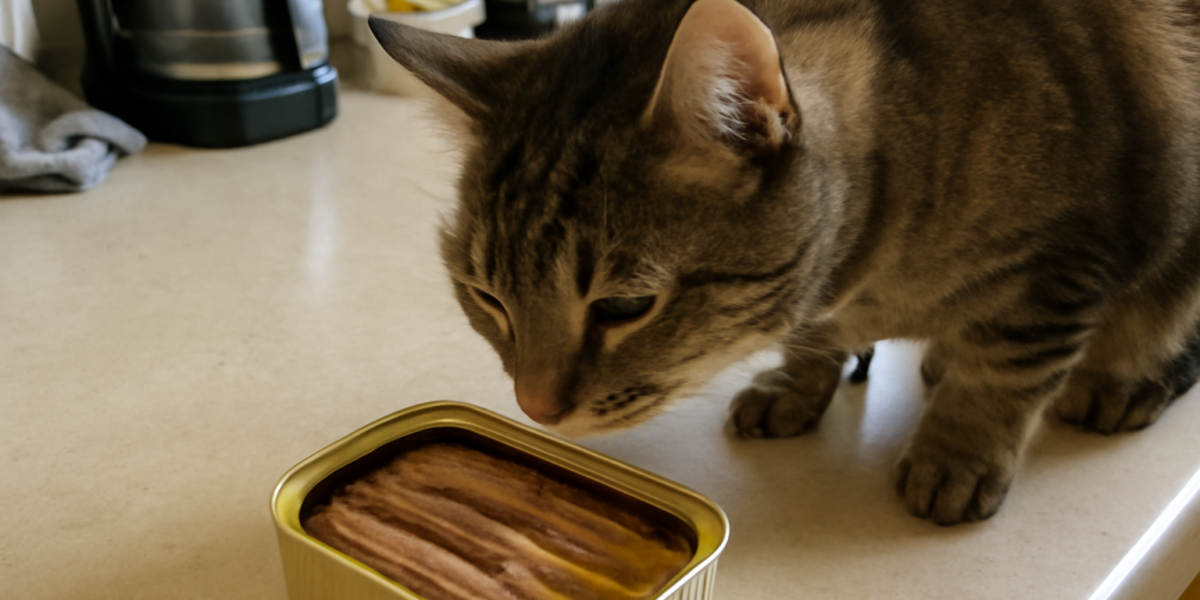
Can Cats Eat Anchovies in Oil?
Cats can eat plain anchovies in small amounts, but anchovies packed in oil are not recommended as a regular treat. The combination of high sodium content, added oils, and sometimes preservatives or seasonings makes oil-packed anchovies a poor choice for your cat. If you want to share anchovies with your feline friend, plain, unsalted anchovies rinsed of excess oil are a much safer option in small, occasional portions.
As obligate carnivores, cats are naturally drawn to fish. The strong smell and flavor of anchovies can be irresistible to most cats. While the fish itself offers some nutritional benefits, the way commercially canned anchovies are prepared introduces ingredients that can cause digestive upset and, over time, contribute to more serious health problems.
Why Oil-Packed Anchovies Are Problematic for Cats
There are three main concerns with feeding your cat anchovies packed in oil.
Excess Sodium
Canned anchovies are notoriously high in sodium. A single serving can contain over 1,000 milligrams of sodium, which is far more than a cat should consume. Cats need very little sodium in their diet, roughly 21 milligrams per day for a typical adult cat. Excessive sodium intake can lead to increased thirst, dehydration, elevated blood pressure, and in severe cases, sodium ion poisoning.
Symptoms of too much sodium include vomiting, diarrhea, excessive thirst and urination, lethargy, tremors, and in extreme cases, seizures. Cats with kidney disease or heart conditions are especially vulnerable to sodium overload.
Added Fat from Oil
Oil-packed anchovies are submerged in vegetable oil, olive oil, or sunflower oil, adding significant calories and fat to an already oily fish. While cats need fat in their diet, the type and amount matter. Too much fat can cause digestive upset in the short term and contribute to obesity and pancreatitis over time.
A single anchovy fillet packed in oil contains more fat than a cat should get from a treat. Pancreatitis, an inflammation of the pancreas triggered by high-fat foods, is a painful and potentially serious condition in cats that requires veterinary treatment.
Potential Seasonings and Additives
Many canned anchovies include garlic, herbs, or other seasonings that can be harmful to cats. Garlic is toxic to cats and can cause oxidative damage to red blood cells. Always check the ingredient list before sharing any human food with your cat.
Nutritional Benefits of Plain Anchovies for Cats
When prepared safely, plain anchovies do offer some nutritional value for cats:
- Omega-3 fatty acids: EPA and DHA support healthy skin, a shiny coat, joint health, and cognitive function.
- High-quality protein: Anchovies provide easily digestible animal protein that cats need.
- Vitamin D: Important for bone health and calcium absorption.
- B vitamins: Including B12, which supports nervous system function.
- Low mercury levels: Anchovies are small, short-lived fish that accumulate less mercury than larger species like tuna.
The low mercury content is a genuine advantage of anchovies over larger fish. Mercury accumulation is a real concern with fish-heavy cat diets, and anchovies are among the safest fish options in this regard.
How to Safely Feed Anchovies to Your Cat
If you want to give your cat anchovies, follow these guidelines for safe preparation and portions:
- Choose the right product. Look for anchovies packed in water with no added salt, or buy fresh or frozen whole anchovies. Avoid oil-packed, salted, or seasoned varieties.
- Rinse thoroughly. If you only have oil-packed anchovies available, rinse them under running water for at least 30 seconds to remove as much oil and salt as possible. This reduces but does not eliminate the sodium and fat content.
- Serve in small pieces. Cut or break anchovies into small, manageable pieces to prevent choking. One to two small fillets is plenty for a single serving.
- Limit frequency. Offer anchovies as an occasional treat, no more than once or twice a week. They should not replace your cat’s balanced commercial cat food.
- Watch for reactions. The first time you offer anchovies, give just a small piece and monitor for vomiting, diarrhea, or signs of allergic reaction over the next 24 hours.
Signs of Trouble After Eating Anchovies
If your cat gets into a tin of oil-packed anchovies or eats more than a safe portion, watch for these symptoms:
- Vomiting or diarrhea: The most common reactions to high-fat, high-sodium foods.
- Excessive thirst: A sign of sodium overload.
- Lethargy: Reduced energy or reluctance to move.
- Bloating or abdominal discomfort: Your cat may seem uncomfortable or resist being touched around the belly.
- Loss of appetite: Refusing their next regular meal.
If symptoms are mild and your cat seems otherwise alert, withhold food for a few hours and offer fresh water. Symptoms should resolve within 12 to 24 hours. If vomiting is persistent, your cat seems lethargic, or symptoms worsen, contact your veterinarian. Cats with existing kidney, heart, or pancreatic conditions should see a vet after any significant sodium or fat intake.
Healthier Fish Alternatives for Cats
If your cat loves the taste of fish, there are safer ways to include it in their diet:
- Plain cooked salmon: Baked or steamed with no seasoning. A great source of omega-3s. Learn more in our guide to cooked salmon for cats.
- Sardines in water: Lower in sodium than anchovies and packed with omega-3s. Choose unsalted varieties.
- Commercial cat food with fish: High-quality cat foods that include fish are formulated with appropriate sodium and fat levels for feline health.
- Fish oil supplements: If you want your cat to get omega-3 benefits without the sodium risk, a veterinarian-approved fish oil supplement is the cleanest option.
Variety is important in a cat’s diet, so rotate between different protein sources rather than relying heavily on any single type of fish. For more on safe foods for cats, check out our articles on raw shrimp safety and nutritional yeast for cats.
If you are adopting a cat and planning their diet, consult your veterinarian about the best balance of commercial food and occasional treats.
Frequently Asked Questions
Can cats eat anchovies straight from the tin?
It is not recommended. Tinned anchovies are typically very high in sodium and packed in oil with possible added seasonings. If you want to share them, rinse the anchovies thoroughly under water first and offer only one or two small pieces. Water-packed, no-salt-added anchovies are a much better option.
How many anchovies can I give my cat?
One to two small anchovy fillets once or twice a week is a reasonable limit for a healthy adult cat. Treats of any kind, including anchovies, should make up no more than 10 percent of your cat’s daily caloric intake. Adjust portions for smaller cats or kittens.
Are anchovies better than tuna for cats?
In some ways, yes. Anchovies are lower in mercury than tuna because they are smaller and lower on the food chain. However, both can be high in sodium when canned. Plain, unsalted anchovies or sardines are generally safer fish choices for cats compared to tuna, which also carries a risk of creating a tuna addiction where your cat refuses other foods.
Can kittens eat anchovies?
Kittens have more sensitive digestive systems and lower sodium tolerance than adult cats. It is best to wait until a kitten is at least six months old before offering any anchovies, and then only in very small amounts. Focus on a balanced kitten food formula for proper growth and development.
My cat ate several anchovies in oil. Should I go to the vet?
Monitor your cat for vomiting, diarrhea, excessive thirst, or lethargy. If your cat ate a large amount (more than four or five fillets) or has a pre-existing health condition, call your veterinarian for guidance. For otherwise healthy cats that ate a moderate amount, home monitoring with access to fresh water is usually sufficient, but do not hesitate to call your vet if you are concerned.


