
Last updated: April 10, 2026
In this article
Can Cats Eat Olive Oil? Safety Guide and Tips
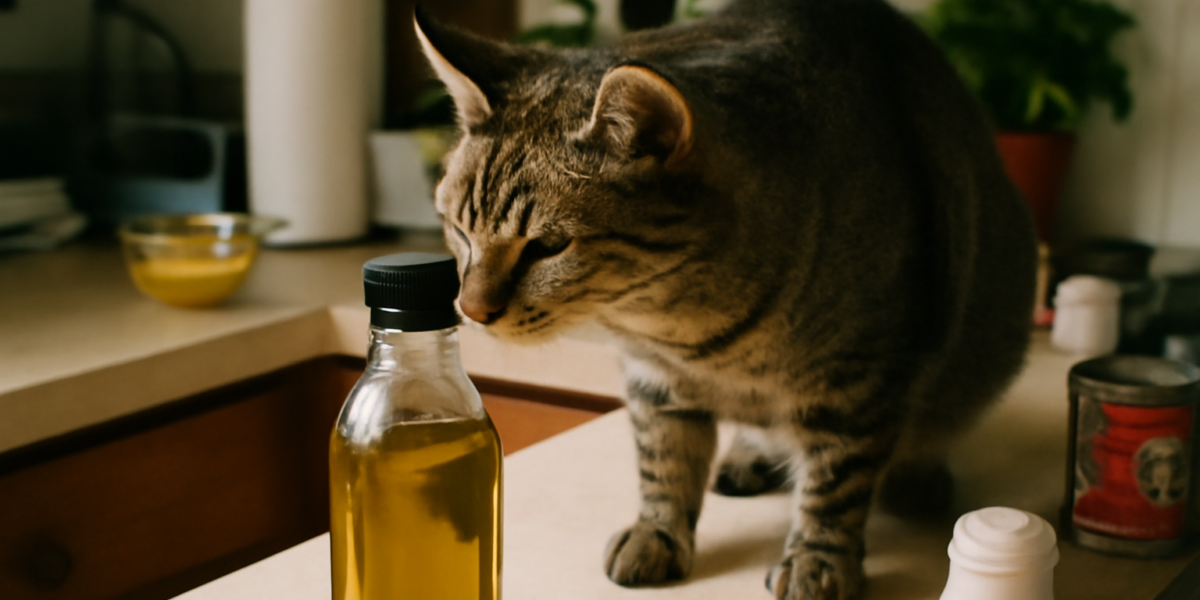
Olive oil is a kitchen staple celebrated for its health benefits in the human diet, from heart-healthy monounsaturated fats to powerful antioxidants. If you have noticed your cat showing interest as you drizzle olive oil over your salad or cooking, you may be curious whether this golden oil could benefit your feline friend as well.
The good news is that olive oil is one of the safer human foods to share with cats in very small quantities. Unlike many oils and fats, olive oil is non-toxic to cats and may even offer some modest health benefits. However, as with all things involving feline nutrition, moderation is absolutely critical. Cats are obligate carnivores with specific dietary needs, and while olive oil can be a useful occasional supplement, it should never be treated as a regular dietary addition without veterinary guidance.
Quick Answer: Can Cats Eat Olive Oil?
Yes, cats can safely consume small amounts of olive oil. Extra virgin olive oil is the preferred variety, as it undergoes less processing and retains more beneficial compounds. A tiny amount — roughly a quarter to half a teaspoon — mixed into your cat’s food occasionally is generally considered safe for healthy adult cats.
Olive oil has been used by some cat owners and holistic veterinarians as a natural remedy for hairballs, dry skin, and constipation. The oil’s lubricating properties can help hairballs pass through the digestive tract more easily, and its fatty acid content may support skin and coat health from the inside.
That said, olive oil is extremely calorie-dense. A single teaspoon contains about 40 calories and nearly 5 grams of fat. For a cat that needs only 200-250 calories per day, even a small amount of olive oil represents a significant caloric addition. Regular or excessive use can quickly lead to weight gain. Cats with pancreatitis, obesity, or digestive sensitivities should avoid olive oil unless specifically recommended by their veterinarian.
Nutritional Profile of Olive Oil
Olive oil is primarily a source of healthy fats, with some additional beneficial compounds. A typical teaspoon of extra virgin olive oil contains:
- Calories: Approximately 40 calories per teaspoon — a notable amount for a small cat.
- Total fat: About 4.5 grams, primarily monounsaturated oleic acid.
- Monounsaturated fat (oleic acid): Roughly 3.3 grams, the predominant fatty acid in olive oil and its main health-promoting component.
- Saturated fat: About 0.6 grams.
- Polyunsaturated fat: Approximately 0.5 grams, including small amounts of omega-6 and omega-3 fatty acids.
- Vitamin E: Present in small amounts, acting as a natural antioxidant.
- Vitamin K: Trace amounts that support blood clotting.
- Polyphenols: Extra virgin olive oil contains antioxidant compounds like oleocanthal and oleuropein, which have anti-inflammatory properties.
- Protein and carbohydrates: Zero — olive oil is pure fat.
While cats do need dietary fat, they primarily require animal-based fats that provide arachidonic acid — an essential fatty acid that cats cannot synthesize from plant sources. Olive oil does not contain arachidonic acid. However, the monounsaturated fats in olive oil are not harmful and may provide supplementary benefits alongside a complete, animal-protein-based diet.
Benefits and Risks of Olive Oil for Cats
Benefits
- Hairball management: One of the most commonly cited benefits. A small amount of olive oil can lubricate the digestive tract, helping hairballs pass through rather than being vomited up. This can be particularly helpful for long-haired breeds.
- Skin and coat health: The monounsaturated fats and vitamin E in olive oil may help improve dry, flaky skin and promote a shinier, healthier coat when used as an occasional supplement.
- Mild constipation relief: The lubricating effect of olive oil can help ease mild constipation by softening stool and facilitating passage through the intestines. This should only be used for occasional, mild issues — chronic constipation requires veterinary evaluation.
- Antioxidant properties: Extra virgin olive oil contains polyphenols with anti-inflammatory and antioxidant effects that may provide some general health benefits, though research in cats specifically is limited.
- Palatability enhancement: A tiny drizzle of olive oil can make food more appealing to picky eaters, potentially encouraging better food intake in cats who are reluctant to eat.
- Weight management support: In very small, controlled amounts, the healthy fats in olive oil can help a cat feel satisfied, potentially reducing begging behavior. However, this requires careful caloric management.
Risks
- High calorie density: Olive oil is one of the most calorie-dense foods available. Regular or excessive consumption can rapidly contribute to weight gain and obesity, increasing the risk of diabetes, arthritis, and heart disease in cats.
- Pancreatitis risk: High-fat foods are a known trigger for pancreatitis in cats. Cats with a history of pancreatic issues or those predisposed to pancreatitis should not be given olive oil.
- Diarrhea and digestive upset: Too much olive oil can have a strong laxative effect, causing diarrhea, greasy stools, and stomach discomfort. Start with very small amounts to gauge your cat’s tolerance.
- Nutritional imbalance: Olive oil provides fat without the essential amino acids, taurine, or arachidonic acid that cats need. Relying on olive oil as a fat source instead of animal-based fats can create nutritional gaps.
- Quality concerns: Not all olive oils are equal. Some lower-quality products may be mixed with other oils or contain impurities. Use only reputable extra virgin olive oil for your cat.
- Vomiting: Some cats may vomit after consuming olive oil, particularly if given on an empty stomach or in too large a quantity.
How to Serve Olive Oil Safely to Your Cat
If you decide to offer olive oil to your cat, proper dosing and technique make all the difference. Choose extra virgin olive oil from a reputable brand, as it undergoes the least processing and retains the most beneficial compounds. Avoid flavored olive oils or those infused with garlic, herbs, or chili, as these additives can be harmful to cats.
For most adult cats, start with just a quarter teaspoon mixed into their regular wet food. This allows you to observe how your cat tolerates it without overwhelming their system. If there are no adverse effects after 24-48 hours, you can use up to half a teaspoon per serving.
Offer olive oil no more than two to three times per week. Mixing it into wet food is preferable to offering it on its own, as this slows absorption and reduces the chance of stomach upset. Do not add olive oil to dry kibble alone, as it tends to sit on the surface and the cat may lick it off without eating the food, consuming too much oil at once.
For hairball management specifically, a half teaspoon of olive oil offered once or twice a week during shedding season may help. If your cat frequently struggles with hairballs despite dietary interventions, consult your veterinarian for a more comprehensive approach that may include specialized food or professional-grade hairball remedies.
Signs of Problems After Eating Olive Oil
While olive oil is generally safe in appropriate amounts, too much can cause noticeable digestive issues. Watch for these symptoms:
- Diarrhea or very loose, greasy stools
- Vomiting, particularly within an hour of consumption
- Loss of appetite or nausea
- Abdominal discomfort or bloating
- Lethargy following consumption
- Greasy or oily appearance around the mouth or on the fur
If your cat consumed a large amount of olive oil — for instance, lapping up a spilled puddle — the primary concern is severe diarrhea leading to dehydration. Monitor fluid intake and ensure fresh water is available. Withhold food for a few hours to let the stomach settle, then offer a small bland meal.
In cats with pancreatitis risk factors, even a moderate amount of olive oil could trigger an episode. Signs of pancreatitis include severe vomiting, abdominal pain (hunching, crying when touched), fever, and refusal to eat. This is a medical emergency requiring immediate veterinary care.
Healthy Alternatives to Olive Oil
If you are looking to support your cat’s skin, coat, or digestive health, consider these alternatives that may be more appropriate:
- Fish oil supplements: Veterinary-grade fish oil provides omega-3 fatty acids (EPA and DHA) in forms cats can readily use. These are more effective than olive oil for skin, coat, and inflammatory conditions.
- Commercial hairball remedies: Purpose-made hairball pastes and gels are formulated specifically for cats, with appropriate lubricant content and often added flavors cats enjoy.
- Pumpkin puree: Plain canned pumpkin (not pie filling) provides fiber that can help with both constipation and diarrhea, offering digestive support without the high fat content.
- Coconut oil: In tiny amounts, coconut oil is another option some cat owners use for skin and coat health, though it should be used even more sparingly than olive oil due to its saturated fat content.
- Wet food: Simply increasing the proportion of wet food in your cat’s diet can improve hydration, support digestive health, and provide animal-based fats naturally.
- Regular grooming: For hairball prevention, regular brushing is more effective and carries no dietary risks. It removes loose fur before your cat can ingest it during self-grooming.
Looking for a feline friend to share your healthy lifestyle with? Visit our adoption page at Walk Me Home Rescue to meet cats waiting for loving homes.
Frequently Asked Questions
How much olive oil should I give my cat?
For an average adult cat weighing 8-10 pounds, a quarter to half a teaspoon of extra virgin olive oil mixed into wet food is an appropriate amount. Start with the smaller amount and increase only if well-tolerated. Offer this no more than two to three times per week. Larger cats may tolerate slightly more, while smaller cats or kittens should receive less. Always consult your veterinarian for personalized dosing.
Can olive oil cure hairballs in cats?
Olive oil can help manage hairballs by lubricating the digestive tract and facilitating passage, but it is not a cure. Effective hairball management typically requires a multi-pronged approach: regular grooming to remove loose fur, a high-fiber diet or hairball-control food, adequate hydration, and occasional use of lubricants like olive oil or commercial hairball remedies. If your cat has frequent or severe hairball problems, consult your veterinarian.
Is extra virgin olive oil better than regular olive oil for cats?
Yes, extra virgin olive oil is the preferred choice for cats. It is the least processed form, retaining more of the beneficial antioxidants and polyphenols, and is less likely to contain impurities or blended oils. Regular (refined) olive oil is not harmful but offers fewer potential health benefits. Avoid “light” olive oil, which is more heavily processed and stripped of most beneficial compounds.
Can kittens have olive oil?
It is best to avoid giving olive oil to kittens. Their digestive systems are more sensitive, and their small body size makes even tiny amounts of high-calorie fat proportionally significant. Kittens should be fed a complete kitten food that provides all the fat and nutrients they need for growth. If a kitten has constipation or hairball issues, consult your veterinarian for age-appropriate solutions.
Can I put olive oil on my cat’s skin or fur?
While some people apply olive oil topically to address dry skin, this is generally not recommended. Cats will lick any substance applied to their fur, potentially ingesting more oil than is safe. Topical olive oil can also make the coat greasy and attract dirt. If your cat has dry or flaky skin, a veterinarian can recommend appropriate topical treatments or dietary supplements specifically designed for feline skin health.
Will olive oil help my constipated cat?
A small amount of olive oil may help with mild, occasional constipation by lubricating the intestinal tract and softening stool. However, constipation in cats can have serious underlying causes, including dehydration, megacolon, intestinal obstruction, or kidney disease. If your cat is straining to defecate, producing hard dry stools, or has not had a bowel movement in more than 48 hours, see your veterinarian rather than relying on home remedies.
Olive oil is one of the safer human foods to share with your cat, offering genuine potential benefits when used appropriately and sparingly. The key is moderation — a little goes a long way with this calorie-dense oil. For more information about cat-safe foods and supplements, explore our guides on hemp seeds and mayonnaise. If you are ready to welcome a feline companion into your home, visit Walk Me Home Rescue to find your perfect match.


