
Last updated: April 10, 2026
In this article
Can Cats Eat Canned Pumpkin? Yes, in Moderation
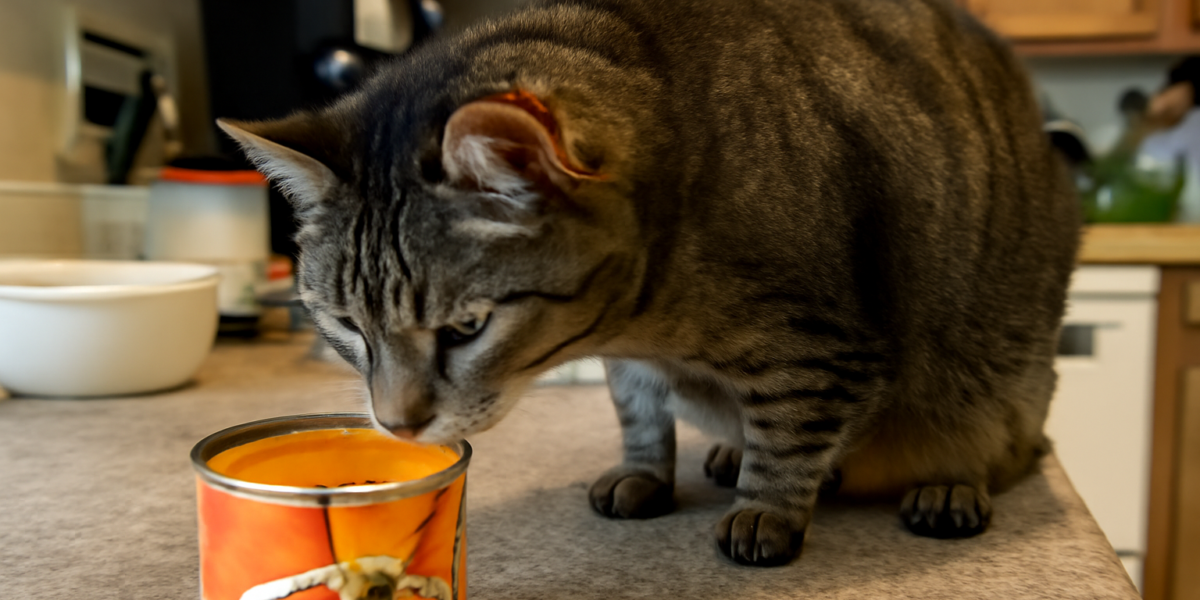
Cats can eat plain canned pumpkin in small amounts, and it is actually one of the most commonly recommended natural remedies for feline digestive issues. The key word here is “plain.” Pure canned pumpkin with no added sugar, spice, or salt is safe and even beneficial for most cats. Pumpkin pie filling, on the other hand, contains sugar, cinnamon, nutmeg, and other ingredients that are harmful to cats and should never be offered.
Veterinarians frequently suggest plain canned pumpkin as a gentle way to address both constipation and mild diarrhea in cats. This might sound contradictory, but the soluble fiber in pumpkin works both ways. It absorbs excess water in the digestive tract to firm up loose stools, and it adds bulk and moisture to help things move along when a cat is backed up.
Before reaching for the can, it is worth understanding how much to give, what to look for on the label, and when pumpkin is not enough to solve the problem on its own.
How Pumpkin Fiber Helps Cat Digestion
Pumpkin is rich in soluble fiber, which dissolves in water to form a gel-like substance in the digestive tract. This gel slows digestion enough to allow better nutrient absorption while also keeping stool at a healthy consistency. For cats dealing with occasional constipation, this added fiber draws water into the intestines and softens stool for easier passage.
For cats with mild diarrhea, the same fiber absorbs excess fluid in the gut, helping to bulk up loose or watery stools. This dual action makes pumpkin a versatile and gentle digestive aid that works without the side effects of over-the-counter medications.
Pumpkin also acts as a prebiotic, feeding the beneficial bacteria in your cat’s gut. A healthy gut microbiome supports immune function, nutrient absorption, and overall digestive regularity. While pumpkin alone cannot fix a severely disrupted microbiome, it can support the good bacteria that are already there.
Keep in mind that pumpkin is a supplement, not a solution for chronic digestive problems. If your cat has recurring constipation or diarrhea, a veterinarian visit is essential to rule out underlying conditions like inflammatory bowel disease, food allergies, or intestinal parasites.
Choosing the Right Canned Pumpkin
Not all canned pumpkin products are safe for cats. The distinction between plain pumpkin and pumpkin pie filling is critical, and the labels can be confusingly similar on the shelf.
Look for cans labeled “100% pure pumpkin” or “plain pumpkin.” The ingredient list should contain only one item: pumpkin. Some brands may also list water. That is fine. What you do not want to see is sugar, corn syrup, spices, cinnamon, nutmeg, cloves, or ginger. Nutmeg in particular contains myristicin, which is toxic to cats.
Popular brands that offer plain canned pumpkin include Libby’s 100% Pure Pumpkin and store-brand equivalents. Always double-check the label, even if you have bought the same product before, as manufacturers occasionally change formulations.
Once opened, store unused pumpkin in an airtight container in the refrigerator. It will stay fresh for about five to seven days. You can also freeze small portions in an ice cube tray for longer storage, thawing one cube at a time as needed.
How Much Canned Pumpkin to Give Your Cat
Less is more when it comes to feeding pumpkin to cats. Their digestive systems are designed for a high-protein, low-carbohydrate diet, and pumpkin is a carbohydrate-containing food. A little goes a long way, and too much can actually cause the digestive upset you are trying to prevent.
Recommended Serving Sizes
- Kittens (under one year): No more than half a teaspoon per day, and only if recommended by your vet
- Small adult cats (under 8 pounds): Half a teaspoon to one teaspoon per day
- Average adult cats (8-12 pounds): One to two teaspoons per day
- Large cats (over 12 pounds): Up to one tablespoon per day
Start with the smallest amount and increase gradually if your cat tolerates it well. Mix the pumpkin into your cat’s regular wet food for easiest acceptance. Some cats enjoy the mild, slightly sweet flavor of pumpkin and will eat it directly, while others need it disguised in something more appealing.
For digestive support, offer pumpkin daily for three to five days and then reassess. If symptoms improve, you can continue offering a small amount a few times per week as maintenance. If symptoms do not improve or worsen, stop the pumpkin and consult your veterinarian.
Nutritional Profile of Pumpkin for Cats
Beyond fiber, plain canned pumpkin offers several nutrients that can complement your cat’s diet in small amounts. It contains beta-carotene, which cats convert to vitamin A in limited quantities. Vitamin A supports vision, immune function, and skin health.
Pumpkin also provides potassium, which supports heart and muscle function, and small amounts of iron, which is important for oxygen transport in the blood. The moisture content of canned pumpkin is another benefit, as many cats do not drink enough water on their own. Adding a spoonful of pumpkin to food is one more way to sneak in extra hydration.
That said, cats are obligate carnivores and get the vast majority of their essential nutrients from animal protein. Pumpkin is a supplement, not a nutritional cornerstone. It should never replace any portion of a complete and balanced cat food. Treats and supplements, including pumpkin, should stay within that ten percent of daily calories guideline.
One tablespoon of plain canned pumpkin contains roughly 5 calories, so even generous portions are unlikely to cause weight gain. This makes pumpkin a particularly useful treat for overweight cats who need low-calorie options.
When Pumpkin Is Not Enough
Pumpkin is a helpful tool for mild, occasional digestive irregularity, but it has limits. Some situations call for veterinary attention rather than a home remedy.
See your veterinarian if your cat shows any of these signs:
- Constipation lasting more than 48 hours
- Straining in the litter box with no results
- Blood in the stool
- Diarrhea lasting more than two days
- Vomiting alongside constipation or diarrhea
- Loss of appetite or refusal to eat
- Lethargy or behavioral changes
Chronic constipation in cats can signal dehydration, megacolon, pelvic injuries, or neurological issues. Chronic diarrhea may point to food sensitivities, parasites, infections, or conditions like inflammatory bowel disease. Pumpkin can provide temporary relief in mild cases, but it cannot treat the root cause of ongoing problems.
For cats with diabetes, discuss pumpkin with your veterinarian before offering it. While pumpkin is relatively low in sugar compared to other vegetables, it does contain natural carbohydrates that could affect blood sugar management in diabetic cats.
Other Ways to Support Your Cat’s Digestive Health
Pumpkin works best as part of a broader approach to digestive wellness. Hydration is one of the most important factors in preventing constipation. If your cat primarily eats dry kibble, consider adding wet food to increase moisture intake. A cat water fountain can also encourage more frequent drinking.
Regular exercise helps keep the digestive system moving. Interactive play sessions that get your cat running, jumping, and pouncing stimulate gut motility naturally. Even ten to fifteen minutes of active play twice a day can make a difference.
Probiotics designed for cats are another option worth discussing with your veterinarian. Products like goat milk kefir offer natural probiotics that support a healthy gut microbiome. Fermented foods can complement the prebiotic fiber in pumpkin for a more comprehensive approach to digestive health.
Hairball prevention also plays a role, especially in long-haired breeds. Regular brushing reduces the amount of fur your cat swallows during grooming, which in turn reduces the hairball-related constipation that is common in cats. A high-fiber diet that includes occasional pumpkin can help ingested hair pass through the system more easily.
Frequently Asked Questions
Can I give my cat pumpkin pie filling instead of plain pumpkin?
No. Pumpkin pie filling contains sugar, spices like nutmeg and cinnamon, and sometimes artificial sweeteners like xylitol, which is extremely toxic to cats. Only use 100% pure pumpkin with no added ingredients.
How quickly does canned pumpkin work for cat constipation?
Most cats show improvement within 24 to 48 hours of starting pumpkin. If your cat has not had a bowel movement after 48 hours of pumpkin supplementation, contact your veterinarian. The constipation may require medical intervention.
Can cats eat fresh pumpkin instead of canned?
Yes, cats can eat cooked fresh pumpkin. Steam or bake plain pumpkin without any seasoning and mash it into a smooth consistency. Raw pumpkin is harder to digest and less palatable. Canned pumpkin is simply more convenient and has a consistent texture that mixes well into food.
Is pumpkin safe for kittens?
Plain pumpkin in very small amounts, about half a teaspoon, is generally safe for kittens over eight weeks old. However, kittens with digestive issues should always be seen by a veterinarian first, as they are more vulnerable to dehydration from diarrhea and complications from constipation. Your vet can guide you on whether pumpkin is appropriate for your kitten’s situation.
Can I give my cat pumpkin every day?
A small daily amount is fine for most healthy adult cats, especially those prone to hairball-related constipation. One to two teaspoons mixed into wet food is a reasonable daily maintenance dose. If you are using pumpkin to address a specific issue, offer it for a few days and then scale back to a few times per week once things normalize. For protein-rich additions to your cat’s diet, explore our other cat nutrition guides at our cat adoption hub.


