
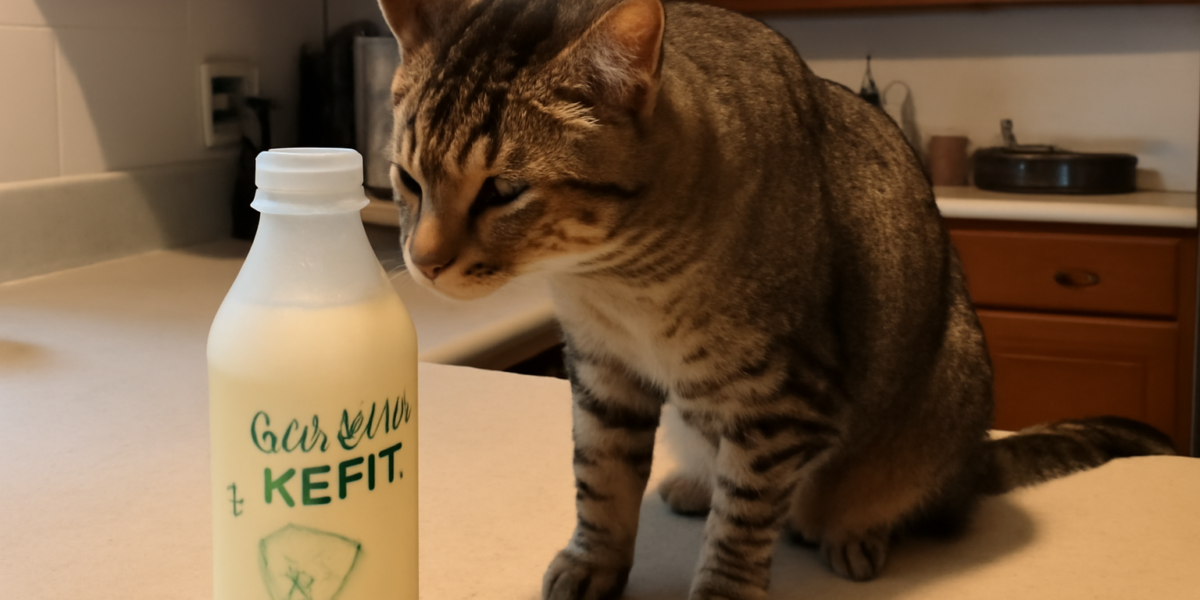
Can Cats Eat Goat Milk Kefir?
Yes, cats can eat goat milk kefir in small amounts, and it may be especially beneficial for cats with sensitive stomachs. Goat milk kefir is a fermented dairy product that contains natural probiotics, and its fermentation process breaks down much of the lactose that causes digestive trouble for most cats. This makes it one of the more tolerable dairy options for felines.
In this article
While most cats are lactose intolerant and cannot handle cow’s milk, goat milk kefir offers a different profile. Goat milk naturally contains less lactose than cow’s milk, and the kefir fermentation process further reduces lactose levels by converting it into lactic acid. The result is a probiotic-rich food that many cats can digest without the bloating, gas, and diarrhea associated with regular milk.
Why Goat Milk Kefir Is Different From Regular Milk
Understanding why goat milk kefir is better tolerated than cow’s milk helps explain why many veterinarians and feline nutrition experts consider it an acceptable supplement in moderation.
Lower Lactose Content
Goat milk contains roughly 4.1 percent lactose compared to cow’s milk at about 4.7 percent. While this difference is modest, the kefir fermentation process reduces lactose content by an additional 20 to 30 percent. The combination means goat milk kefir contains significantly less lactose than a glass of regular cow’s milk.
Smaller Fat Globules
Goat milk has naturally smaller fat globules than cow’s milk, which makes it easier to digest. The smaller particles require less bile salt for emulsification and pass through the digestive tract more efficiently. For cats with sensitive GI systems, this improved digestibility can make a meaningful difference.
A1 Versus A2 Casein
Goat milk predominantly contains A2 beta-casein protein, while most cow’s milk contains A1 beta-casein. A2 casein is generally considered easier to digest and less likely to cause inflammatory responses in the gut. This protein difference may contribute to the better tolerance many cats show with goat milk products.
Probiotic Content
Kefir is made by fermenting milk with kefir grains, which are colonies of beneficial bacteria and yeasts. The resulting drink contains dozens of probiotic strains, including Lactobacillus, Bifidobacterium, and Saccharomyces species. These beneficial microorganisms support digestive health and may help maintain a balanced gut microbiome.
Probiotic Benefits for Cats With Sensitive Stomachs
The probiotic content of goat milk kefir is its primary appeal for cats with digestive sensitivities. Here is how these beneficial bacteria can help your cat.
Probiotics support a healthy balance of gut flora, which is essential for proper digestion, nutrient absorption, and immune function. Cats that experience chronic soft stool, intermittent diarrhea, or frequent hairball-related vomiting may benefit from regular probiotic supplementation.
The live cultures in kefir can help during and after antibiotic treatment. Antibiotics kill both harmful and beneficial bacteria in the gut, often leading to digestive upset. Introducing probiotics through goat milk kefir can help repopulate the beneficial bacteria more quickly.
Some research suggests that probiotics may help cats with mild inflammatory bowel disease by modulating the immune response in the gut lining. While goat milk kefir should never replace veterinary treatment for IBD, it may serve as a gentle complementary support. Discuss this with your vet before adding it to the regimen of a cat with any diagnosed GI condition.
Safe Portions and How to Serve Goat Milk Kefir
Even though goat milk kefir is better tolerated than regular dairy, it should still be given in moderation. Cats are obligate carnivores, and dairy products are not a natural part of their diet.
Starting Portions
Begin with one teaspoon per day for an average adult cat. Observe your cat over two to three days for any signs of digestive upset, including loose stool, gas, or vomiting. If all goes well, you can increase to one tablespoon per day as a maximum for most cats.
Frequency
Three to four times per week is a reasonable frequency for most cats. Daily supplementation is acceptable for cats that tolerate it well, but alternate days allow you to monitor tolerance more easily. Cats with diagnosed GI conditions should follow their veterinarian’s specific recommendations.
Serving Ideas
- Serve plain at room temperature as a standalone treat
- Pour over dry food as a flavor enhancer and moisture booster
- Mix into wet food for an extra probiotic boost
- Freeze in small ice cube trays for a cool-weather enrichment treat
- Mix with a small amount of freeze-dried chicken for a protein-rich snack
Choosing the Right Product
Look for plain, unflavored goat milk kefir with no added sugar, artificial sweeteners, or fruit. Flavored kefirs may contain xylitol (extremely toxic to pets), excess sugar, or other additives that are harmful to cats. Raw goat milk kefir from reputable sources tends to have the highest probiotic counts but also carries a slightly higher risk of pathogenic bacteria. Pasteurized versions are safer, especially for immunocompromised cats.
When to Avoid Goat Milk Kefir for Cats
While generally well-tolerated, goat milk kefir is not appropriate for every cat. Avoid it or consult your vet first in these situations.
- Known dairy allergy: Some cats are allergic to casein or other milk proteins regardless of the source. If your cat has a confirmed dairy allergy, goat milk kefir is not safe.
- Severe lactose intolerance: While kefir has reduced lactose, it still contains some. Cats that react severely to any dairy may not tolerate even small amounts.
- Pancreatitis: The fat content in goat milk kefir can be problematic for cats with pancreatitis. These cats need carefully controlled fat intake.
- Obesity: Goat milk kefir adds calories. For overweight cats on a calorie-restricted diet, these extra calories may undermine weight loss goals.
- Kittens under weaning age: Very young kittens should receive kitten milk replacer, not kefir. After weaning, small amounts may be gradually introduced.
Signs Your Cat Is Not Tolerating Goat Milk Kefir
Even with careful introduction, some cats simply do not tolerate goat milk kefir. Watch for these indicators and stop offering it if they appear.
Diarrhea or significantly softer stool than normal is the most common sign of intolerance. Gas, bloating, or audible stomach gurgling after consuming kefir also suggests poor tolerance. Vomiting within a few hours of consumption, loss of appetite, or signs of abdominal discomfort like hunching or reluctance to be touched around the belly all warrant discontinuation.
If symptoms are mild and resolve within a day of stopping kefir, you can try again later with a smaller amount. If symptoms are more pronounced or do not resolve quickly, consult your veterinarian. There may be an underlying condition that makes dairy supplementation inadvisable for your specific cat. Explore other protein-rich cat treats for alternative ways to supplement your cat’s diet.
Frequently Asked Questions
Is goat milk kefir better than probiotic supplements for cats?
Both have merits. Goat milk kefir provides a wider variety of probiotic strains in a whole-food form that many cats enjoy eating. Commercial probiotic supplements offer more precise dosing and strain-specific benefits. For cats with diagnosed conditions, a veterinarian-recommended probiotic supplement may be more targeted. For general digestive support, goat milk kefir is a palatable natural option.
Can goat milk kefir replace water for my cat?
No. While goat milk kefir can support hydration, it should never replace fresh water. Cats need access to clean water at all times. Kefir adds calories and nutrients that water does not, and excessive consumption can lead to digestive upset or weight gain. Think of it as a supplement, not a beverage substitute.
How long does opened goat milk kefir last in the fridge?
Opened goat milk kefir typically stays fresh for seven to ten days in the refrigerator. The fermentation process acts as a natural preservative. If the kefir develops an off smell, unusual color, or visible mold, discard it. You can freeze small portions in ice cube trays for longer storage.
Can I make my own goat milk kefir for my cat?
Yes. Homemade goat milk kefir allows you to control the ingredients and fermentation time. Use fresh or pasteurized goat milk and food-grade kefir grains. Ferment at room temperature for 24 hours, strain out the grains, and refrigerate. Longer fermentation produces lower lactose content, which is better for cats.
My cat has IBD. Can goat milk kefir help?
Probiotics may offer modest benefits for cats with mild IBD, but goat milk kefir should not replace veterinary treatment. Some IBD cats tolerate it well, while others may be triggered by the dairy proteins. Introduce it only with your veterinarian’s approval and monitor closely for any worsening of symptoms.


