
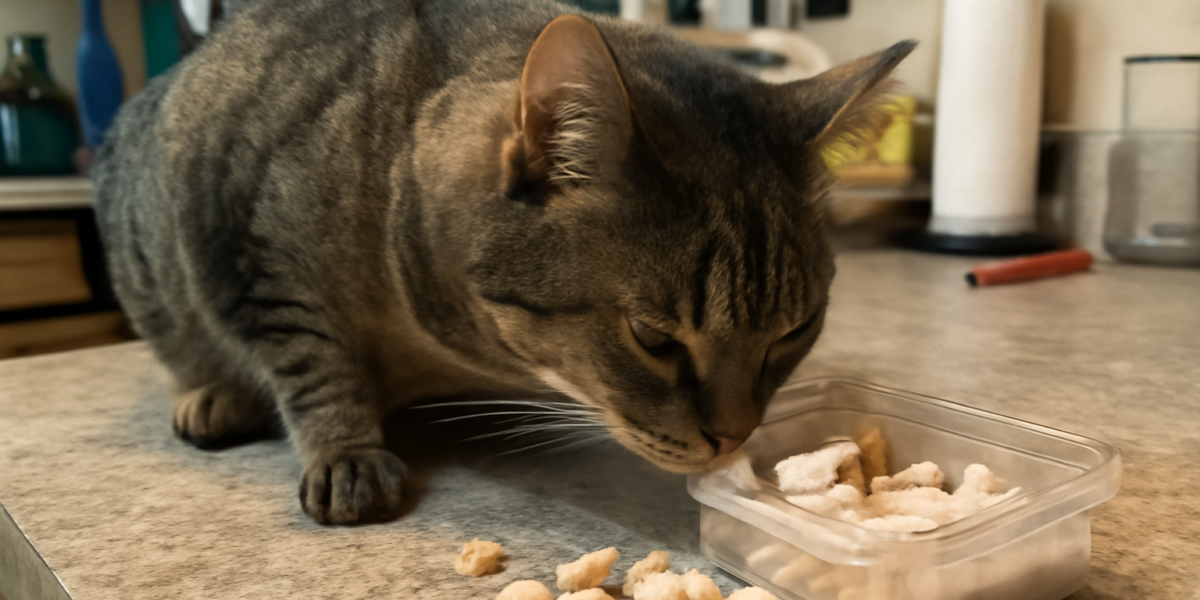
Can Cats Eat Freeze-Dried Chicken?
Yes, cats can eat freeze-dried chicken, and most cats absolutely love it. Freeze-dried chicken is one of the safest, most nutritious treats you can offer your cat. It is made from real chicken that has been frozen and then had its moisture removed through sublimation, preserving the protein, flavor, and nutritional profile while creating a lightweight, shelf-stable product.
In this article
As obligate carnivores, cats thrive on animal protein, and freeze-dried chicken delivers exactly that without the fillers, grains, and artificial additives found in many commercial cat treats. Whether used as an occasional treat, a training reward, or a food topper, freeze-dried chicken is an excellent addition to your cat’s routine when given in appropriate amounts.
Nutritional Value of Freeze-Dried Chicken for Cats
The freeze-drying process preserves most of the nutritional value of raw chicken. The result is a concentrated protein source that aligns perfectly with a cat’s biological dietary needs.
Protein Content
Freeze-dried chicken is approximately 70 to 80 percent protein by weight once the moisture has been removed. This high protein density makes it an incredibly efficient treat. Cats require a protein-rich diet to maintain muscle mass, support organ function, and fuel their metabolism, and freeze-dried chicken delivers on all fronts.
Essential Amino Acids
Chicken is a complete protein source, meaning it contains all the essential amino acids cats need, including taurine. Taurine is critical for cats and must come from their diet because cats cannot synthesize enough on their own. Deficiency leads to heart disease, vision problems, and reproductive issues. Freeze-dried chicken retains its taurine content better than heavily processed treats.
Low Carbohydrate Content
Pure freeze-dried chicken contains virtually no carbohydrates, which aligns with a cat’s natural dietary profile. Cats have limited ability to process carbohydrates, and their ideal diet is high in protein and fat with minimal carbs. This makes freeze-dried chicken a metabolically appropriate treat.
Vitamins and Minerals
Freeze-dried chicken retains B vitamins, phosphorus, selenium, and niacin from the original meat. While not a complete nutritional source on its own (it lacks adequate calcium and some other minerals for a balanced diet), it contributes valuable micronutrients alongside your cat’s regular food.
Rehydration Tips and Best Practices
One of the most important considerations when feeding freeze-dried chicken to cats is moisture. The freeze-drying process removes approximately 98 percent of the water content, creating a very dry product. Cats that eat large amounts of freeze-dried food without adequate water intake can experience digestive discomfort.
Why Rehydration Matters
Freeze-dried chicken absorbs moisture in the stomach, which can contribute to mild dehydration if your cat does not drink enough to compensate. For treats given in small amounts, this is generally not an issue. However, if you use freeze-dried chicken as a regular food topper or offer it frequently, rehydrating it first is a smart practice.
How to Rehydrate Freeze-Dried Chicken
Add warm water to the freeze-dried chicken pieces and let them soak for two to five minutes. The pieces will absorb the water and return to a texture closer to cooked chicken. Use roughly equal parts water and freeze-dried chicken by volume. Some cats prefer the crunchy dry texture, while others enjoy the rehydrated version. Offer both ways and see which your cat prefers.
You can also rehydrate with low-sodium bone broth for added flavor and nutrition. Avoid using milk or cream, as many cats are lactose intolerant and dairy can cause digestive upset.
Safe Portions and Feeding Frequency
Freeze-dried chicken is calorie-dense due to its concentrated nature. Treats of any kind should make up no more than 10 percent of your cat’s daily caloric intake to maintain nutritional balance.
For an average 10-pound adult cat requiring approximately 200 to 250 calories per day, that means about 20 to 25 calories from treats. A tablespoon of freeze-dried chicken contains roughly 15 to 20 calories, so one to two tablespoons per day is a reasonable upper limit for most cats.
Start with a few small pieces and see how your cat’s digestive system responds. Most cats tolerate freeze-dried chicken very well, but any new food should be introduced gradually. If your cat has a sensitive stomach, begin with just one or two small pieces and increase slowly over several days.
Feeding frequency depends on how you use the product. As an occasional treat, daily is fine within the portion guidelines above. As a regular food topper, three to five times per week mixed into meals works well. For training purposes, break pieces into very small bits so you can offer multiple rewards without exceeding caloric limits.
Choosing the Best Freeze-Dried Chicken for Cats
The quality of freeze-dried chicken products varies significantly. Here is what to look for when shopping for your cat.
Ideal Product Characteristics
- Single ingredient: chicken (or chicken breast, chicken liver, etc.)
- No added salt, sugar, or seasonings
- No artificial preservatives, colors, or flavors
- Made from human-grade or USDA-inspected chicken
- Manufactured in the USA, Canada, or another country with strong food safety standards
Products to Avoid
- Freeze-dried chicken with added garlic or onion flavoring (toxic to cats)
- Products with long ingredient lists indicating additives
- Seasoned or marinated varieties designed for human consumption
- Products without clear sourcing information
Pet-specific brands like PureBites, Vital Essentials, and Stella and Chewy’s offer single-ingredient freeze-dried chicken treats specifically formulated for pets. These are your safest and most convenient options.
Signs of Trouble After Eating Freeze-Dried Chicken
While freeze-dried chicken is very well tolerated by most cats, a small number may experience issues. Watch for vomiting or diarrhea, which could indicate a chicken sensitivity or that the portions were too large. Some cats may have a true chicken allergy, though this is uncommon.
If your cat experiences repeated digestive upset after eating freeze-dried chicken, discontinue the treat and consult your veterinarian. They may recommend an elimination diet to determine whether your cat has a chicken protein allergy or if another factor is at play.
Choking is a rare but possible concern, especially with larger pieces. Break freeze-dried chicken into small, manageable pieces for your cat’s size. Kittens and senior cats with dental issues benefit from rehydrated pieces that are softer and easier to chew.
If your cat becomes fixated on freeze-dried chicken and starts refusing regular meals, reduce the treat frequency and amount. No treat, no matter how nutritious, should replace a complete and balanced cat food. Check out our guides on chicken gizzards and organ meat mixes for more protein-rich options your cat may enjoy.
Frequently Asked Questions
Is freeze-dried chicken better than cooked chicken for cats?
Both are safe and nutritious. Freeze-dried chicken offers superior convenience, longer shelf life, and often retains more nutrients than chicken cooked at high temperatures. Cooked chicken provides natural moisture. Either makes an excellent treat, and you can alternate between the two for variety.
Can kittens eat freeze-dried chicken?
Yes, kittens over eight weeks old can eat small amounts of freeze-dried chicken. Rehydrate the pieces first to make them softer and easier for small mouths and developing teeth. Keep portions very small, as kittens need the majority of their calories from complete kitten food to support proper growth.
Can I use freeze-dried chicken as my cat’s main food?
No. Freeze-dried chicken alone does not provide complete and balanced nutrition for cats. It lacks adequate calcium, certain vitamins, and the proper calcium-to-phosphorus ratio needed for long-term health. Use it as a treat or supplement alongside a nutritionally complete cat food.
Does freeze-dried chicken need to be refrigerated?
Unopened freeze-dried chicken can be stored at room temperature in a cool, dry place. Once opened, reseal the package tightly and use within a month for best quality. Rehydrated freeze-dried chicken should be refrigerated and used within 24 hours, just like any moist perishable food.
Is freeze-dried chicken safe for cats with kidney disease?
Cats with kidney disease often need controlled protein and phosphorus intake. While freeze-dried chicken is high in both, small amounts may still be acceptable depending on the stage of disease. Always consult your veterinarian before adding any supplemental protein source to a kidney disease management diet.


