
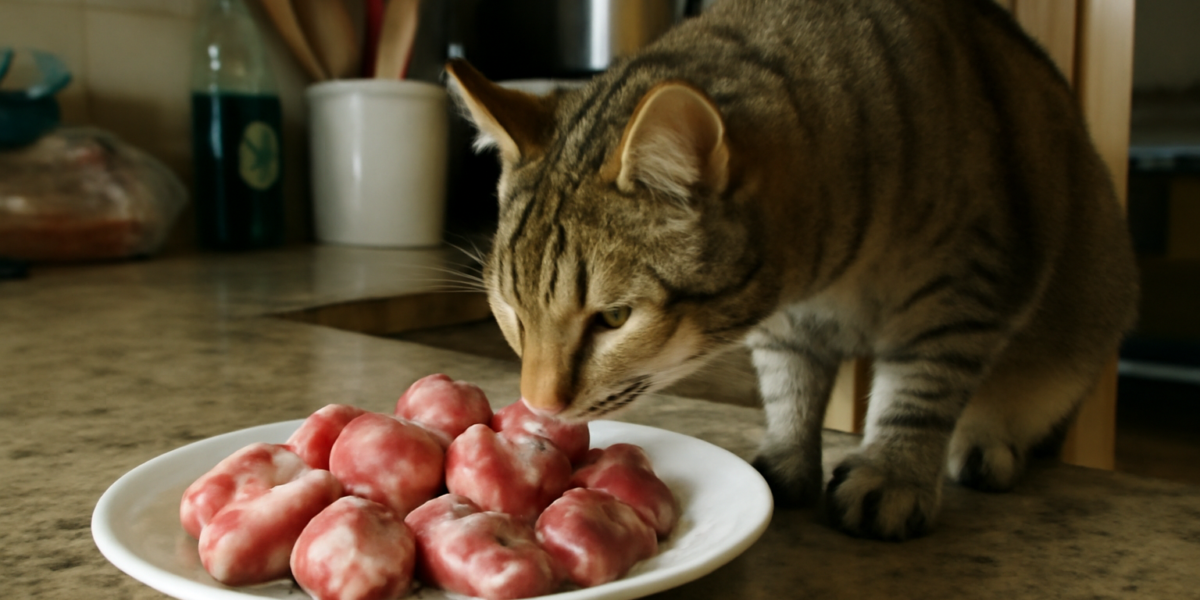
Can Cats Eat Chicken Gizzards?
Yes, cats can eat chicken gizzards, and they are one of the most nutritious and affordable treats you can offer your feline companion. Chicken gizzards are a taurine-rich muscle organ that provides high-quality protein, essential amino acids, iron, zinc, and B vitamins. As obligate carnivores, cats thrive on animal-based proteins, and gizzards align perfectly with their biological dietary requirements.
In this article
Gizzards are the muscular part of a chicken’s stomach that grinds food. Their dense, chewy texture makes them satisfying for cats to eat and even provides some dental benefit through the chewing action. Whether served raw, lightly cooked, or freeze-dried, chicken gizzards are a wholesome addition to your cat’s diet when given in appropriate amounts.
Nutritional Profile of Chicken Gizzards
Chicken gizzards deliver an impressive nutritional punch that makes them stand out among common cat treats.
Taurine Content
Taurine is the headline nutrient in chicken gizzards, and it is arguably the most critical amino acid for cats. Unlike dogs and humans, cats cannot synthesize enough taurine on their own and must get it from their diet. Taurine deficiency leads to dilated cardiomyopathy (heart failure), retinal degeneration (blindness), reproductive problems, and impaired immune function.
Chicken gizzards contain approximately 33 milligrams of taurine per ounce of raw meat, making them one of the richest dietary sources available. For comparison, chicken breast contains roughly 17 milligrams per ounce. This makes gizzards nearly twice as taurine-dense as regular chicken meat.
Protein
A one-ounce serving of chicken gizzard provides about 6 grams of protein with very little fat (roughly 0.5 to 1 gram). The protein is complete, containing all essential amino acids cats need. The high protein-to-fat ratio makes gizzards an excellent treat for cats that need to watch their weight.
Vitamins and Minerals
Gizzards supply vitamin B12, niacin (B3), riboflavin (B2), iron, zinc, phosphorus, and selenium. Iron from animal sources (heme iron) is more bioavailable than plant-based iron, meaning your cat absorbs and uses it more efficiently. The zinc content supports skin health, immune function, and wound healing.
Raw Versus Cooked Chicken Gizzards
Both raw and cooked chicken gizzards are nutritious options, and each comes with its own considerations.
Raw Gizzards
Raw gizzards retain maximum taurine content, as cooking can reduce taurine levels by 50 to 75 percent depending on the method and duration. Many raw feeding advocates prefer serving gizzards raw, cut into small pieces or minced. The firm texture of raw gizzard gives cats a satisfying chew.
The risk with raw poultry products is bacterial contamination, primarily Salmonella and Campylobacter. Healthy adult cats are fairly resistant to these pathogens, but immunocompromised cats, kittens, and senior cats may be more vulnerable. Raw feeding also poses a zoonotic risk to human household members through contaminated surfaces, bowls, and litter.
Lightly Cooked Gizzards
Boiling or steaming gizzards for five to ten minutes kills surface bacteria while preserving a significant portion of the nutritional value. This is the safest preparation method for most households. Avoid frying, seasoning, or adding butter or oil, as these additions are unnecessary and can cause digestive upset.
If you boil gizzards, save the cooking water. It becomes a light, flavorful broth that most cats love and that retains some of the taurine and B vitamins that leached out during cooking. Offer it as a hydrating treat or mix it into your cat’s food.
Freeze-Dried Gizzards
Freeze-dried chicken gizzards offer convenience and shelf stability while retaining much of the raw nutritional profile. They make excellent portable treats and training rewards. Rehydrate them with a little warm water before serving to add moisture and improve digestibility, or offer them dry for a crunchy treat.
Safe Portions and Feeding Guidelines
Chicken gizzards should be treated as a supplement or treat rather than a meal replacement. They do not provide complete and balanced nutrition on their own, lacking adequate calcium and certain vitamins for sole feeding.
Portion Sizes
One to two chicken gizzards (roughly one ounce total) makes an appropriate serving for an average adult cat. This provides about 30 calories, which fits comfortably within the 10 percent treat allowance for a cat eating 200 to 250 calories per day.
Serve gizzards two to four times per week for a good balance of benefits without overloading any single nutrient. Cut gizzards into bite-sized pieces appropriate for your cat’s size. Small pieces are especially important for kittens and cats who tend to gulp their food without chewing.
Introduction Tips
If your cat has never eaten gizzards before, start with one small piece mixed into their regular food. The dense texture and distinct flavor may be unfamiliar, and some cats need a few exposures before accepting a new food. Lightly searing the outside of a raw gizzard can release appetizing aromas that help attract a hesitant cat.
Cats that eat primarily dry kibble may need a more gradual introduction, as the jump from crunchy dry food to a chewy organ meat is a bigger sensory change. Mix tiny minced pieces into wet food first, then progress to larger pieces once your cat shows enthusiasm.
Where to Buy Chicken Gizzards for Cats
Chicken gizzards are widely available and remarkably affordable, making them one of the most budget-friendly nutritious treats you can offer.
Most grocery stores sell chicken gizzards in the poultry section, often packaged with hearts. A one-pound package typically costs between one and three dollars, which yields many servings. Select gizzards that look fresh, with a deep reddish-purple color and no off-putting odor.
Farmers’ markets and local poultry farms may offer gizzards from pasture-raised chickens. These tend to be larger (the birds move more, developing stronger gizzard muscles) and may have a richer nutritional profile. Some pet food retailers also sell gizzards specifically for pets, both fresh and freeze-dried.
Buy in bulk and freeze individual portions for convenience. Gizzards freeze well for up to three months. Thaw in the refrigerator overnight before serving and use within 48 hours of thawing. For more ideas on protein-rich foods to complement gizzards in your cat’s diet, check out our articles on organ meat mixes and raw quail eggs.
Signs of Trouble to Watch For
Chicken gizzards are very well tolerated by the vast majority of cats. However, a few issues can arise.
Choking is possible if a cat swallows a large piece without chewing. Always cut gizzards into pieces smaller than your cat’s mouth, and supervise the first few feedings to observe your cat’s eating style. Cats that gulp food may need gizzards minced finely rather than offered in chunks.
Digestive upset, including vomiting or diarrhea, can occur with any new food introduction. If this happens, reduce the portion size and reintroduce more gradually. If upset persists despite a slow introduction, your cat may have a sensitivity to chicken protein, which is uncommon but possible.
Bacterial illness from raw gizzards can present as fever, lethargy, vomiting, and diarrhea. If your cat develops these symptoms within 24 to 72 hours of eating raw gizzards, contact your veterinarian. Switching to lightly cooked gizzards eliminates this risk while retaining most of the nutritional value. Explore our cat nutrition guides for more safe feeding options.
Frequently Asked Questions
Are chicken gizzards better than chicken breast for cats?
Gizzards and breast each have strengths. Gizzards contain nearly twice the taurine of chicken breast and provide more iron and zinc. Chicken breast offers slightly more protein per gram and a milder flavor that picky cats may prefer. Ideally, offer both as part of a varied treat rotation for the broadest nutritional benefit.
Can kittens eat chicken gizzards?
Kittens over eight weeks old can eat small amounts of finely minced or lightly cooked chicken gizzard. The taurine content is particularly valuable for growing kittens. Keep portions tiny, about one teaspoon of minced gizzard, and ensure the kitten is eating a complete kitten food as their primary diet.
How many gizzards can I give my cat per day?
One to two gizzards (approximately one ounce total) per serving, given two to four times per week, is a safe guideline. Do not offer gizzards as the sole food source. They should supplement a complete and balanced diet, not replace it.
Can I give my cat the gizzard cooking water?
Yes. The water from boiling gizzards contains taurine, B vitamins, and flavor that most cats love. Let it cool to room temperature and offer it as a hydrating drink or pour a small amount over dry food. Refrigerate unused broth and use within three days.
My cat refuses chicken gizzards. How can I make them more appealing?
Try different preparations: raw, lightly seared, boiled, or freeze-dried. Warming the gizzard slightly enhances its aroma. Mixing tiny minced pieces into a favorite wet food can help mask the unfamiliar texture. Some cats prefer gizzards sliced thin rather than chunked. If your cat still refuses, do not worry. Plenty of other treats provide similar benefits, and you can discuss alternatives with your veterinarian.


