
Last updated: April 8, 2026
In this article
Can Cats Eat Mayonnaise? Safety Guide and Tips
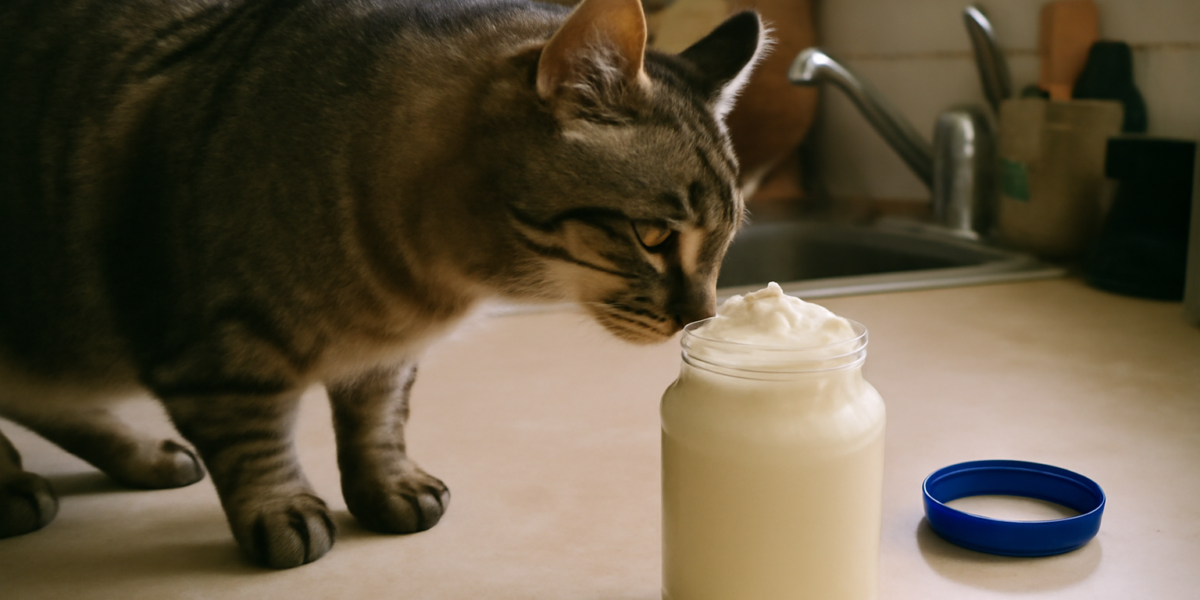
Mayonnaise is one of those condiments that seems to find its way into everything — sandwiches, salads, dips, and countless other dishes. If you have ever made a tuna sandwich, you probably know the scene well: your cat appears out of nowhere, drawn by the smell of fish, eagerly eyeing your plate. The question is whether that mayonnaise mixed in with the tuna is safe for your feline companion.
The straightforward answer is that plain mayonnaise is not toxic to cats, but it is also one of the least beneficial human foods you could share. As obligate carnivores, cats need animal-based protein and specific nutrients that mayonnaise simply does not provide. What it does deliver in abundance is fat and empty calories — two things most house cats definitely do not need more of. Let us explore the details so you can make an informed decision.
Quick Answer: Can Cats Eat Mayonnaise?
A tiny taste of plain mayonnaise is unlikely to harm your cat, but it should not become any kind of regular treat. Mayonnaise is essentially an emulsion of oil, egg yolk, and acid (vinegar or lemon juice), and while none of these individual ingredients are toxic to cats in small amounts, the resulting product is extremely high in fat with virtually no nutritional benefit for felines.
The main ingredients in basic mayonnaise — soybean or canola oil, egg yolk, and a small amount of vinegar — are not on any toxicity lists for cats. However, many commercial mayonnaise brands include additional ingredients such as garlic powder, onion powder, mustard, or various preservatives that can be harmful. Always check the ingredient list if your cat has gotten into mayonnaise.
The most significant concern with mayonnaise is its extremely high fat content. A single tablespoon contains about 10 grams of fat and 100 calories. For a 10-pound cat that needs only about 200-250 calories per day, even a small amount of mayonnaise represents a disproportionate caloric load. Regular consumption can quickly lead to weight gain, and the high fat content poses a risk of pancreatitis — a painful and potentially life-threatening inflammation of the pancreas.
Nutritional Profile of Mayonnaise
Understanding what mayonnaise contains helps explain why it is such a poor choice for cats. A standard tablespoon of mayonnaise provides:
- Calories: Approximately 90-100 calories — nearly half of a small cat’s entire daily caloric need in a single tablespoon.
- Fat: About 10-11 grams, almost entirely from vegetable oil. This is primarily unsaturated fat, which is not harmful in small amounts but provides excessive calories.
- Protein: Less than 0.5 grams, a negligible amount from the egg yolk component.
- Carbohydrates: Minimal, usually less than 1 gram.
- Sodium: Around 80-100 milligrams per tablespoon, which is notable for a cat’s small body.
- Cholesterol: Approximately 5-10 milligrams from the egg yolk.
- Vitamin E: Small amounts from the vegetable oil.
- Vitamin K: Trace amounts.
From a feline nutritional standpoint, mayonnaise provides almost nothing useful. Cats require animal-based protein, taurine, arachidonic acid, vitamin A, and other nutrients found in meat and organ tissues. The plant-based oils that make up the bulk of mayonnaise do not provide the essential fatty acids cats need in the forms they can best utilize. In short, mayonnaise is empty calories for cats — a condiment that takes up caloric space without contributing to their health.
Benefits and Risks of Mayonnaise for Cats
Benefits
- Non-toxic base ingredients: The basic components of plain mayonnaise (oil, egg yolk, vinegar) are not poisonous to cats, making an accidental taste a low-concern event.
- Medication disguise: Some cat owners use a tiny smear of mayonnaise to hide pills or liquid medications, as many cats find the texture and mild flavor appealing. This should only be done with veterinary approval.
- Hairball passage: In rare cases, some older home remedies suggest that the oil content in mayonnaise can help a hairball pass through the digestive tract. However, purpose-made hairball remedies are far more appropriate and effective.
- Appetite stimulant: A tiny amount may entice a very picky or unwell cat to eat, though veterinary-approved appetite stimulants are preferable.
Risks
- Extremely high fat content: The primary concern with mayonnaise is its fat density. High-fat foods are a leading trigger for pancreatitis in cats, a serious and painful condition that requires emergency veterinary care and can be fatal.
- Obesity and weight gain: Even small amounts of mayonnaise add significant calories to a cat’s diet. Feline obesity is associated with diabetes, arthritis, heart disease, and shortened lifespan.
- Digestive upset: The high fat content can overwhelm a cat’s digestive system, causing vomiting, diarrhea, and stomach discomfort, particularly in cats not accustomed to fatty foods.
- Harmful additives: Many commercial mayonnaise products contain garlic powder, onion powder, mustard extract, or artificial preservatives. Garlic and onion are toxic to cats even in powdered form, as they can damage red blood cells.
- Egg-related concerns: While cooked egg yolk in mayonnaise is generally safe, raw or undercooked egg whites contain avidin, which can interfere with biotin absorption. Most commercial mayonnaise uses pasteurized eggs, mitigating this risk.
- Sodium overload: The salt content in mayonnaise, while moderate by human standards, can be problematic for cats with kidney disease, heart conditions, or hypertension.
How to Serve Mayonnaise Safely to Your Cat
The best advice is to simply not offer mayonnaise to your cat. There is no nutritional reason to do so, and the risks outweigh any minimal benefits. If your cat has licked a bit of mayonnaise off a plate, there is no need to panic, but there is also no reason to intentionally provide more.
If you are using mayonnaise to hide medication (with your vet’s approval), use the absolute minimum amount necessary — a thin smear about the size of a pencil eraser tip. Choose plain mayonnaise with the simplest ingredient list possible, and verify that it does not contain garlic, onion, or mustard. This should be a short-term strategy, not a regular practice.
Keep mayonnaise jars and containers securely closed and out of your cat’s reach. Clean up any mayonnaise-containing food scraps promptly. Be especially careful with tuna or chicken salad that combines mayonnaise with other ingredients — while your cat may be intensely attracted to the fish or poultry smell, the mayonnaise and any seasonings in the salad may be problematic.
Cats with any history of pancreatitis, obesity, diabetes, or kidney disease should never be given mayonnaise under any circumstances. For healthy cats, if an accidental exposure occurs, it is not an emergency — but it should not become a habit.
Signs of Problems After Eating Mayonnaise
If your cat has consumed more than a tiny taste of mayonnaise, watch for these signs of digestive distress or potential pancreatitis:
- Vomiting, especially if repeated or containing bile
- Diarrhea or greasy, unusually soft stools
- Loss of appetite or refusal to eat
- Abdominal pain (hunching posture, reluctance to be picked up or touched on the belly)
- Lethargy or withdrawal from normal activities
- Fever (warm ears and nose can be indicators)
- Dehydration (check by gently pinching the skin at the scruff — if it does not snap back immediately, dehydration may be present)
Pancreatitis is the most serious potential complication of high-fat food consumption in cats. Symptoms can develop within hours to days and include severe vomiting, abdominal pain, fever, and lethargy. Pancreatitis requires immediate veterinary treatment, often including hospitalization, IV fluids, pain management, and anti-nausea medication. If you suspect pancreatitis, do not wait — seek veterinary care immediately.
For mild digestive upset from a small amount of plain mayonnaise, symptoms typically resolve within 24-48 hours. Ensure your cat stays hydrated and returns to their regular food normally.
Healthy Alternatives to Mayonnaise
Instead of mayonnaise, offer your cat treats that actually align with their nutritional needs:
- Plain cooked chicken: Unseasoned chicken breast provides lean protein that cats thrive on. It is far more nutritious and appealing to most cats than any condiment.
- Plain cooked fish: A small piece of cooked salmon, cod, or catfish gives your cat the seafood flavor they may be seeking without the empty fat calories of mayonnaise.
- Lickable cat treats: Commercial squeezable cat treats come in tuna, chicken, and salmon flavors with a creamy texture similar to mayonnaise but formulated for feline nutrition.
- Small amount of fish oil: If you want to add healthy fat to your cat’s diet, a veterinary-recommended fish oil supplement provides omega-3 fatty acids in a form cats can utilize.
- Cooked egg yolk: A small piece of hard-boiled egg yolk provides protein and healthy fats without the excessive oil and additives found in mayonnaise.
- Meat baby food: Plain, single-ingredient meat baby food (chicken, turkey, or beef with no onion or garlic) has a smooth texture many cats enjoy.
Ready to give a cat a loving home filled with healthy treats? Visit our adoption page at Walk Me Home Rescue to meet cats in need of families.
Frequently Asked Questions
My cat loves mayonnaise — is it okay as an occasional treat?
While an extremely small taste on rare occasions is unlikely to cause harm in a healthy cat, there is no good reason to make mayonnaise a treat. The extremely high fat content and lack of nutritional value make it one of the worst treat options available. If your cat enjoys creamy textures, consider lickable cat treats specifically formulated for felines — they provide similar satisfaction with proper nutrition.
Can mayonnaise cause pancreatitis in cats?
Yes, high-fat foods like mayonnaise are a recognized trigger for pancreatitis in cats. Even a single episode of consuming a significant amount of high-fat food can trigger an acute pancreatitis attack. Cats with a history of pancreatitis are particularly vulnerable and should never be given mayonnaise. Pancreatitis is a serious, potentially life-threatening condition requiring immediate veterinary care.
Is light or low-fat mayonnaise safer for cats?
Light mayonnaise has less fat than regular mayonnaise, but it often compensates with additional sugar, modified starches, and other additives. While the reduced fat content lowers the pancreatitis risk somewhat, light mayonnaise still provides no nutritional benefit and may contain more processed ingredients. Neither version is recommended for cats.
What if my cat ate mayonnaise with garlic in it?
This is more concerning than plain mayonnaise, as garlic is toxic to cats. Garlic can cause oxidative damage to red blood cells, leading to hemolytic anemia. Symptoms may not appear for 1-5 days and include lethargy, pale gums, rapid breathing, and dark urine. Contact your veterinarian promptly if your cat consumed garlic-containing mayonnaise, especially in any significant amount.
Can I use mayonnaise to help with hairballs?
While some old home remedies suggest using petroleum jelly or oil-based products for hairball passage, mayonnaise is not a recommended solution. Its high fat content poses more risk than benefit. Commercial hairball remedies, regular grooming, and specialized hairball-control cat foods are all safer and more effective approaches. Consult your veterinarian if your cat has frequent hairball problems.
Is homemade mayonnaise safer for cats than store-bought?
Homemade mayonnaise can be simpler in its ingredients (just oil, egg yolk, and a touch of vinegar or lemon), which eliminates the concern about garlic, onion, or preservatives. However, it carries an additional risk: homemade mayonnaise uses raw egg yolk, which can contain Salmonella bacteria. The fundamental issue — excessive fat with no nutritional benefit — remains the same regardless of how the mayonnaise is made.
The bottom line on mayonnaise is clear: it is not dangerous in tiny accidental amounts, but it has no place in your cat’s diet as a deliberate treat. Your cat deserves foods that actually nourish their obligate-carnivore body. For more information on safe foods for cats, check out our guides on olive oil and kefir. If you are looking to add a new feline member to your family, browse the cats available at Walk Me Home Rescue.


