
Last updated: May 4, 2026
In this article
Can Cats Eat Turkey? A Safe Meat Guide for Cat Owners
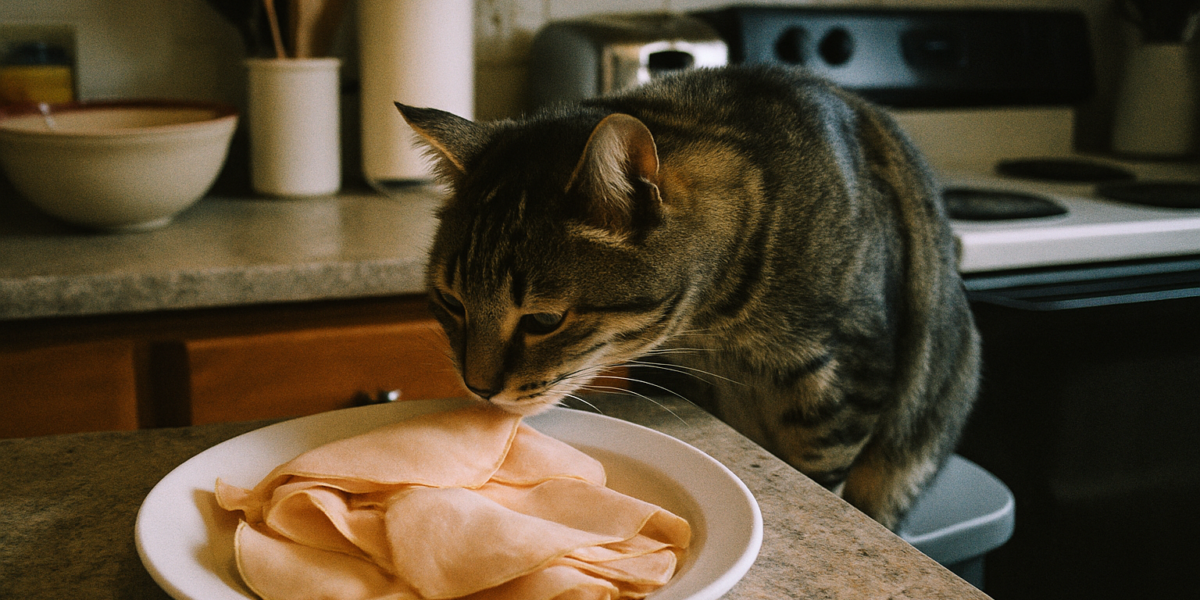
Turkey is one of the best human food treats you can offer your cat. As a lean source of high-quality animal protein, it aligns perfectly with a cat’s carnivorous biology. The turkey must be fully cooked, boneless, and completely free of seasoning, skin, and excess fat. Avoid deli turkey, smoked turkey, and any turkey prepared with garlic, onion, or heavy salt.
When it comes to sharing human food with cats, turkey is about as close to ideal as it gets. Cats are obligate carnivores, which means their bodies are specifically designed to thrive on animal protein, and turkey delivers exactly that in a lean, nutrient-rich package. If you have ever carved a Thanksgiving turkey and noticed your cat lurking nearby with undisguised intensity, their instincts are pointing them in the right direction.
Of course, the turkey on your holiday table is usually seasoned, buttered, and accompanied by all sorts of cat-unfriendly trimmings. The details of how turkey is prepared make all the difference between a healthy treat and a potential health risk. Here at Walk Me Home Rescue, we want to help you share turkey safely so your cat can enjoy this excellent protein source without any problems.
Is Turkey Safe for Cats? The Straightforward Answer
Plain, cooked turkey meat is completely safe for cats and is, in fact, one of the most nutritionally appropriate human foods you can offer them. Turkey is a common ingredient in many commercial cat foods, which reflects the veterinary nutrition community’s recognition of its value as a feline protein source.
The safety of turkey for cats depends entirely on preparation. Plain turkey breast that has been baked, boiled, or steamed without any seasoning is ideal. The moment you add garlic, onion, salt, butter, herbs, or any other seasoning, the safety profile changes significantly. Many of the ingredients used in traditional turkey recipes are harmful or toxic to cats, even in small amounts.
Turkey is one of the few human foods where the conversation shifts from whether it is safe to how much you should offer. Unlike many of the foods in our Can Cats Eat series where the answer comes with extensive caveats, turkey earns a genuine endorsement from most veterinary professionals as an appropriate occasional treat. The caveat is always the same: plain, cooked, boneless, and unseasoned.
Nutritional Benefits of Turkey for Cats
Turkey’s nutritional profile reads like a checklist of what cats need, which makes sense given that cats evolved eating birds and other small animals.
High-quality animal protein. This is the big one. Cats require more dietary protein than almost any other common pet, and the protein in turkey is complete, meaning it provides all the essential amino acids cats need. Turkey breast is particularly lean, with about 25 grams of protein per 3-ounce serving. This protein supports muscle maintenance, organ function, immune health, skin and coat condition, and virtually every other bodily process in your cat.
Taurine. Turkey is a natural source of taurine, an amino acid that cats cannot synthesize on their own and must obtain from their diet. Taurine deficiency in cats can lead to dilated cardiomyopathy, retinal degeneration, reproductive problems, and immune dysfunction. While commercial cat food is supplemented with taurine, having additional natural sources from treats like turkey reinforces your cat’s intake of this critical nutrient.
B vitamins. Turkey provides significant amounts of B vitamins, particularly niacin (B3), vitamin B6, and vitamin B12. These vitamins support energy metabolism, nervous system function, and red blood cell production. B vitamins are especially important for cats because they are water-soluble and need to be replenished regularly through diet.
Selenium. Turkey is an excellent source of selenium, a trace mineral that functions as an antioxidant and supports thyroid function and immune health. Cats need selenium in their diet, and turkey provides it in a highly bioavailable form.
Phosphorus. This mineral works with calcium to support bone and teeth health. Turkey provides phosphorus in amounts appropriate for cats when offered as a treat alongside a balanced diet.
Low fat content. Turkey breast is one of the leanest meats available, with only about 1 to 2 grams of fat per 3-ounce serving when the skin is removed. This makes it an excellent treat option for cats that need to manage their weight or those prone to pancreatitis. Dark meat has slightly more fat but is still relatively lean compared to other protein sources.
Calories. A one-ounce serving of plain cooked turkey breast contains about 45 calories. For a cat-appropriate treat portion of a tablespoon or two of shredded turkey, the caloric impact is quite modest.
Benefits and Risks of Feeding Turkey to Cats
Turkey is one of the safest human foods for cats, but there are still important considerations on both sides.
Benefits:
The biological appropriateness of turkey for cats cannot be overstated. This is a food that aligns with your cat’s evolutionary dietary needs. The protein, amino acids, and micronutrients in turkey are all in forms that cats’ bodies can efficiently absorb and utilize. Very few human foods can claim this level of nutritional compatibility with feline biology.
Turkey makes an excellent high-value treat for training and positive reinforcement. Many cats that are indifferent to commercial treats become highly motivated by small pieces of real cooked turkey. This can be invaluable for training, encouraging medication compliance, or rewarding good behavior.
For cats recovering from illness or those with reduced appetites, small amounts of plain turkey can sometimes encourage eating when regular food is being refused. The strong aroma and appealing taste of turkey can stimulate interest in food. Always check with your veterinarian before changing the diet of a sick cat.
Turkey can be used as a food topper to make regular meals more appealing. A small amount of finely shredded turkey mixed into your cat’s regular food can encourage picky eaters to clean their bowls. This can be particularly helpful when transitioning a newly adopted cat to a new food brand.
Risks:
Seasoned or prepared turkey. This is the primary risk area. Garlic and onion, common in turkey recipes, are toxic to cats and can damage red blood cells, leading to hemolytic anemia. Salt in excess can cause sodium poisoning. Butter and cooking oils add unnecessary fat. Sage, thyme, and other herbs commonly used in turkey preparation can cause gastrointestinal upset. Any turkey prepared for human consumption with typical seasonings should be considered off-limits for your cat.
Turkey bones. Cooked turkey bones are extremely dangerous for cats. Cooking makes bones brittle and prone to splintering into sharp fragments that can cause choking, internal cuts, or intestinal puncture. Never give your cat cooked turkey bones of any size. Raw bones are somewhat less dangerous but still pose risks and should only be offered under close supervision, if at all.
Turkey skin. The skin concentrates fat and is usually where most of the seasoning, butter, and salt end up during cooking. Turkey skin is too fatty for cats and should always be removed before offering turkey meat.
Deli and processed turkey. Deli turkey slices, turkey sausage, turkey bacon, smoked turkey, and other processed turkey products are high in sodium, nitrates, preservatives, and sometimes garlic or onion powder. These products are not appropriate for cats despite being turkey-based. Fresh, home-cooked plain turkey is the only form that qualifies as safe.
Raw turkey. Raw turkey can carry Salmonella, Campylobacter, and other pathogens that cause foodborne illness in cats. While some advocates of raw feeding believe cats can handle raw poultry, the risk of bacterial infection is real. Cooking turkey thoroughly eliminates these pathogens without reducing the nutritional value.
Imbalanced diet. Turkey, while nutritious, does not constitute a complete and balanced diet for cats on its own. It lacks sufficient taurine in isolation, does not provide adequate calcium, and is missing other nutrients that commercial cat foods are formulated to include. Turkey should always be a supplement to, not a replacement for, a complete cat food.
How to Prepare Turkey for Your Cat Safely
Preparing turkey specifically for your cat is straightforward and takes only a few minutes.
Choose plain turkey breast. Boneless, skinless turkey breast is the best cut for cats. It is the leanest part of the bird with the highest protein concentration. Dark meat from the thigh or drumstick is also acceptable but contains more fat. Avoid ground turkey that contains added seasonings or fillers.
Cook thoroughly without seasoning. Bake, boil, or steam the turkey until it reaches an internal temperature of 165 degrees Fahrenheit throughout. Do not add any salt, pepper, garlic, onion, butter, oil, or herbs. The turkey should be completely plain. Boiling is one of the easiest methods: simply place turkey breast in a pot of water and cook until done.
Remove all skin, bones, and cartilage. Strip away every trace of skin, and check carefully for any small bones or hard cartilage pieces. Even small bone fragments can cause choking or internal damage.
Shred or dice into small pieces. Shred the turkey into thin strips or cut it into small cubes appropriate for your cat’s size. Small pieces are easier to eat, reduce choking risk, and help you control portion size accurately.
Cool to room temperature. Do not serve hot turkey to your cat. Let it cool completely to room temperature before offering. Hot food can burn a cat’s sensitive mouth and tongue.
Appropriate portions. A tablespoon or two of shredded turkey is a reasonable treat serving for an average adult cat. This can be offered several times per week without concern, as long as it remains within the 10 percent treat guideline for daily calories. Turkey’s lean profile means it has less caloric impact than many other treats.
Storage. Plain cooked turkey can be stored in an airtight container in the refrigerator for up to four days or frozen for up to three months. Portion it into cat-sized servings before freezing so you can thaw exactly what you need.
Signs of Problems After Your Cat Eats Turkey
Plain cooked turkey is extremely well-tolerated by most cats, but here is what to watch for in different scenarios.
After eating plain cooked turkey. Adverse reactions to properly prepared turkey are rare. Some cats with very sensitive stomachs may experience mild digestive upset when trying any new food. If your cat develops soft stools or vomits once after eating turkey for the first time, it is likely just a reaction to the novelty. These symptoms should resolve quickly. If they persist, turkey may not agree with your specific cat.
After eating seasoned turkey. If your cat consumed turkey prepared with garlic, onion, or heavy amounts of salt, monitor closely for vomiting, diarrhea, lethargy, pale gums, dark urine, rapid breathing, or loss of appetite. Garlic and onion toxicity can take several days to fully develop, so continue monitoring even if your cat initially seems fine. Contact your veterinarian for guidance, especially if your cat ate a significant amount.
After eating turkey bones. If your cat ate cooked turkey bones, watch for signs of choking, gagging, pawing at the mouth, drooling, vomiting, bloody stool, abdominal pain, or refusal to eat. Bone fragments can cause damage anywhere along the digestive tract. If you suspect your cat has swallowed bone fragments, contact your veterinarian immediately rather than waiting for symptoms.
After eating deli turkey. The high sodium content in deli turkey can cause increased thirst, frequent urination, vomiting, or diarrhea. A small amount will likely cause no serious issues in a healthy cat, but regular consumption of deli meats is unhealthy due to the sodium, nitrates, and preservative load.
After eating turkey skin. The high fat content of turkey skin may cause vomiting, diarrhea, or pancreatitis symptoms including severe abdominal pain, lethargy, and refusal to eat. If your cat ate a significant amount of turkey skin and shows any of these symptoms, contact your vet.
Alternatives to Turkey for Cats
Turkey is hard to beat as a treat for cats, but variety is enriching for felines too. Here are other excellent options.
Plain cooked chicken is nutritionally very similar to turkey and equally well-suited to a cat’s dietary needs. It provides lean protein, taurine, and B vitamins in a format cats love. The same preparation rules apply: plain, boneless, skinless, and unseasoned.
Cooked shrimp is another outstanding protein treat that adds seafood variety to your cat’s treat rotation. Shrimp provides taurine, omega-3 fatty acids, and other nutrients that complement the nutritional profile of poultry treats.
For non-protein treats that offer different benefits, pumpkin provides excellent digestive fiber support, while small amounts of blueberries, strawberries, or cantaloupe can add variety for cats that enjoy fruit.
Commercial freeze-dried cat treats made from single protein sources like turkey, chicken, or fish offer the convenience of a shelf-stable product with the nutritional benefits of real meat. These can be a good option when fresh cooked meat is not practical. Check our cat breeds directory for breed-specific dietary recommendations.
Frequently Asked Questions
Can cats eat deli turkey from the grocery store?
Deli turkey is not recommended for cats. Even varieties labeled as “natural” or “low sodium” contain significantly more salt than plain home-cooked turkey, along with preservatives like sodium nitrate and sodium nitrite. Some deli turkey products also include garlic powder, onion powder, or other flavorings that can be harmful to cats. If you want to treat your cat to turkey, cook plain turkey breast at home. It is safer, healthier, and not much more effort than opening a deli package.
Can cats eat turkey bones?
Cooked turkey bones should never be given to cats. Cooking makes bones brittle, causing them to splinter into sharp fragments that can puncture the esophagus, stomach, or intestines. Even small cooked bones from turkey wings or necks are dangerous. If your cat manages to get a cooked turkey bone, watch closely for choking, gagging, vomiting, bloody stool, or signs of abdominal pain, and contact your veterinarian if any of these occur.
Can I give my cat Thanksgiving turkey?
Traditional Thanksgiving turkey is prepared with butter, herbs, garlic, onion, and salt, all of which make it unsuitable for cats. If you want to share turkey with your cat during the holidays, set aside a small portion of plain turkey breast before seasoning the rest. Alternatively, cook a small piece of turkey separately without any seasoning. Avoid giving your cat any turkey that was cooked with stuffing inside, as stuffing typically contains onion, garlic, and other cat-toxic ingredients.
How much turkey can I give my cat?
One to two tablespoons of shredded or diced plain cooked turkey is an appropriate treat serving for an average adult cat. Turkey can be offered more frequently than many other human food treats because of its strong nutritional compatibility with feline dietary needs, but it should still stay within the 10 percent treat guideline. Turkey should supplement, not replace, a complete and balanced cat food that provides all essential nutrients in proper proportions.
Is raw turkey safe for cats?
Raw turkey carries a risk of bacterial contamination from Salmonella, Campylobacter, and other pathogens. While proponents of raw feeding argue that cats are equipped to handle raw poultry, the risk of foodborne illness is real and can cause serious gastrointestinal symptoms. Cooking turkey to an internal temperature of 165 degrees Fahrenheit eliminates these pathogens without reducing the protein quality or nutritional value. For the vast majority of cat owners, cooked turkey is the safest and most practical option.
Can turkey upset my cat’s stomach?
Plain cooked turkey is one of the most well-tolerated foods for cats, and stomach upset from properly prepared turkey is uncommon. If your cat does experience digestive issues after eating turkey, it may be because the food was new to them, the portion was too large, or the turkey contained hidden seasonings or skin. Cats with particularly sensitive stomachs may occasionally react to any new food. Start with a very small amount and gradually increase the portion to give your cat’s digestive system time to adjust.


