
Last updated: June 13, 2026
In this article
Can Cats Eat Cantaloupe? A Melon Safety Guide for Cat Owners
Cantaloupe is non-toxic to cats and can be offered as an occasional treat. Many cats are surprisingly attracted to cantaloupe, likely because its amino acid profile gives off an aroma similar to meat. Serve only the flesh in small, seedless pieces. Avoid the rind and seeds, and keep portions modest due to the sugar content.
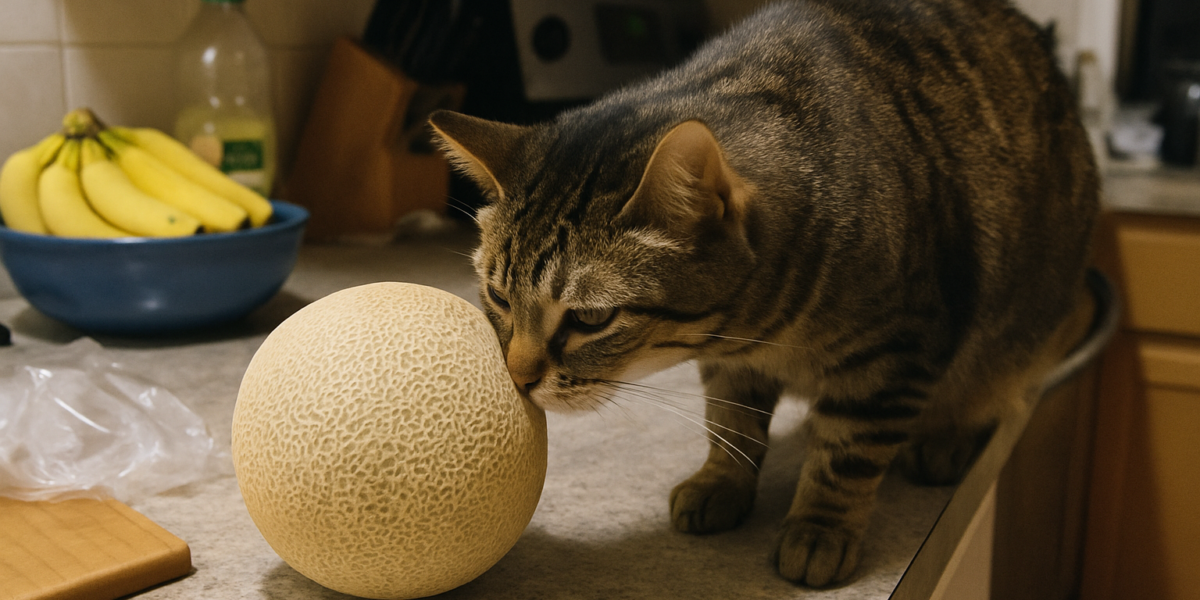
If you have ever cut open a cantaloupe and had your cat come running, you are not imagining things. Cantaloupe is one of the few fruits that consistently attracts feline attention, and many cat owners are both surprised and puzzled by their cat’s enthusiasm for this melon. The reason is fascinating and has less to do with sweetness than you might think.
The good news is that cantaloupe is perfectly safe for cats when offered correctly. It is non-toxic, relatively low in calories, and can serve as a hydrating treat. At Walk Me Home Rescue, we love helping cat owners understand the science behind their cat’s food preferences and make safe choices. Let us explore everything you need to know about feeding cantaloupe to your cat.
Is Cantaloupe Safe for Cats? And Why Do They Like It?
Cantaloupe is completely non-toxic to cats and is recognized as safe by veterinary authorities. The flesh of the cantaloupe can be offered as an occasional treat without concern about poisoning or acute health risks.
But the really interesting question is why so many cats are attracted to cantaloupe in the first place. After all, cats are obligate carnivores that cannot taste sweetness, so the sugary flavor that humans enjoy is invisible to them.
The most widely accepted explanation is that cantaloupe produces volatile organic compounds during ripening that share similarities with amino acids found in meat. When a cat smells cantaloupe, their nose may be picking up chemical signals that resemble the scent of animal protein. Essentially, to your cat’s nose, cantaloupe may smell a bit like food even though it is a fruit.
This does not mean your cat thinks cantaloupe is meat or that they are confused. It simply means the aromatic profile of cantaloupe triggers a positive food response in many cats. Not all cats will be interested, but those that are tend to be quite enthusiastic about it.
Regardless of the reason for the attraction, the important thing is that cantaloupe is safe to share in moderation. Your cat’s body still processes it as a fruit, not as a protein source, so the same rules about limiting plant-based foods apply. But as an occasional treat, cantaloupe is one of the better fruit options available for cats.
Nutritional Value of Cantaloupe for Cats
Cantaloupe has a nutritional profile that offers some modest benefits for cats, though it is far from essential.
Water content. Cantaloupe is approximately 90 percent water, making it one of the most hydrating fruits available. For cats that are not great drinkers, or those on a primarily dry food diet, the moisture in cantaloupe can contribute to overall hydration. Proper hydration supports kidney function, urinary tract health, and digestion.
Beta-carotene and vitamin A. Cantaloupe is rich in beta-carotene, which the body converts into vitamin A. Vitamin A is essential for cats and plays roles in vision, immune function, skin health, and cell growth. However, cats get all the vitamin A they need from a balanced cat food, and excessive vitamin A over time can lead to toxicity. The small amount from an occasional cantaloupe treat is not a concern, but it is a reason to keep portions moderate.
Vitamin C. Cantaloupe is a good source of vitamin C for humans, but cats synthesize their own vitamin C and do not need supplementary sources. The vitamin C in cantaloupe is not harmful to cats but provides no meaningful benefit either.
Fiber. Cantaloupe provides a moderate amount of dietary fiber, which supports digestive health by promoting regular bowel movements. The fiber content per serving is modest compared to dedicated fiber sources like pumpkin, but it contributes positively.
Natural sugars. Cantaloupe contains about 8 grams of sugar per cup, which is relatively low for a fruit but still relevant for cats. Cats do not need dietary sugar, and their bodies are not designed to process it efficiently. In small amounts, the sugar in cantaloupe is not harmful, but in larger quantities it can contribute to weight gain and potentially increase diabetes risk in predisposed cats.
Potassium. This mineral supports heart function, muscle contractions, and nerve signaling. Cantaloupe provides a reasonable amount of potassium, though cats with kidney disease should have their potassium intake monitored by a veterinarian.
Calories. Cantaloupe is low in calories at roughly 27 calories per half-cup serving. A few small pieces appropriate for a cat treat contain only a handful of calories, making cantaloupe a lighter option than many other treats.
Benefits and Risks of Feeding Cantaloupe to Cats
As with any human food offered to cats, cantaloupe comes with both positives and considerations.
Benefits:
Hydration support is perhaps the most practical benefit of cantaloupe for cats. The high water content means your cat is getting moisture along with their treat, which is beneficial for urinary and kidney health. This makes cantaloupe a particularly good option during warm weather when dehydration risk increases.
The low calorie density of cantaloupe makes it suitable for overweight cats or those on calorie-restricted diets. Compared to many commercial cat treats, a few pieces of cantaloupe deliver very few calories while still providing the rewarding experience of receiving a treat.
The natural attraction many cats have to cantaloupe means it can be used as a positive reinforcement tool. If your cat loves cantaloupe, small pieces can serve as high-value rewards during training sessions or as a way to encourage a picky eater to approach their food bowl.
Mental enrichment is another subtle benefit. Offering a novel food like cantaloupe gives your cat something different to explore and engage with, which supports cognitive health and reduces boredom.
Risks:
Sugar content. While lower in sugar than many fruits, cantaloupe still contains more sugar than a cat’s diet ideally includes. Regular or generous cantaloupe feeding can contribute to weight gain and may be problematic for diabetic cats or those predisposed to diabetes.
Digestive upset. Some cats may experience diarrhea, gas, or soft stools after eating cantaloupe, especially if they eat too much. The combination of fiber and sugar can overwhelm a cat’s digestive system when consumed in excess.
Seeds. Cantaloupe seeds are not toxic to cats, but they can pose a choking hazard, particularly for smaller cats. Seeds should always be removed before serving cantaloupe to your cat.
Rind. The tough outer rind of cantaloupe is difficult for cats to chew and digest. It can cause gastrointestinal irritation or blockage if swallowed in pieces. The rind can also harbor bacteria, including Salmonella, on its textured surface. Always remove the rind completely and serve only the soft inner flesh.
Bacterial contamination. Cantaloupe rinds have a rough, netted texture that can trap bacteria. When you cut through the rind, these bacteria can transfer to the flesh. Wash the outside of the cantaloupe thoroughly before cutting, and discard any flesh that has been sitting at room temperature for more than two hours.
How to Feed Cantaloupe to Your Cat Safely
Following a few straightforward steps ensures that cantaloupe is a safe and enjoyable treat for your cat.
Wash the melon. Before cutting into the cantaloupe, wash the outer surface thoroughly under running water and scrub gently with a clean brush. This removes dirt and reduces the risk of transferring surface bacteria to the edible flesh.
Remove all seeds and rind. Cut away the rind completely and scoop out all seeds from the center. Serve only the soft, orange flesh. Do not leave cantaloupe rinds where your cat can access them, as some cats may try to chew on the discarded rind.
Cut into small pieces. Dice the cantaloupe into small, bite-sized pieces appropriate for your cat’s size. Pieces roughly the size of a blueberry work well for most cats. Smaller pieces are easier to eat, reduce choking risk, and make it easier to control portion size.
Start with a small amount. If your cat has never had cantaloupe before, offer just one or two small pieces and watch their reaction. Some cats will be enthusiastic, others indifferent. Observe for any digestive issues over the following 24 hours before offering more.
Keep portions reasonable. Two to four small pieces of cantaloupe is a reasonable serving for an adult cat. This amount provides the treat experience and some hydration without introducing excessive sugar. Cantaloupe should be offered no more than once or twice per week and should always remain within the 10 percent treat guideline for daily calories.
Serve fresh. Offer cantaloupe fresh rather than leaving it out. Cut fruit at room temperature can become a breeding ground for bacteria relatively quickly. If your cat does not finish their cantaloupe within 20 minutes or so, discard the remainder.
If you have recently adopted a cat and are still learning their food preferences, cantaloupe is a safe food to use as you explore what treats your new companion enjoys. Just introduce it gradually, as you would any new food.
Signs of Problems After Your Cat Eats Cantaloupe
Adverse reactions to cantaloupe are uncommon when served properly, but here is what to keep an eye on.
Diarrhea or loose stools. The most likely issue from too much cantaloupe is digestive upset. The natural sugars and fiber can cause loose stools if your cat eats more than their system can handle. Mild diarrhea typically resolves within a day. If it persists, cut cantaloupe from their diet and consult your vet.
Vomiting. Some cats may vomit after eating cantaloupe, especially if it is a new food or they ate too much too quickly. A single episode is usually not serious, but repeated vomiting needs veterinary attention.
Refusal to eat regular food. If your cat becomes so enamored with cantaloupe that they start refusing their regular meals in hopes of getting more melon, you are offering it too frequently. Cut back on cantaloupe and ensure your cat’s primary nutrition comes from their balanced cat food.
Choking. If you notice your cat coughing, gagging, or pawing at their mouth while eating cantaloupe, they may have a piece lodged in their throat. This is more likely with larger pieces or if seeds were not fully removed. Always cut cantaloupe into appropriately small pieces.
Allergic reactions. Fruit allergies in cats are very rare but not impossible. Watch for itching, skin redness, facial swelling, or difficulty breathing. If any of these occur, discontinue cantaloupe immediately and seek veterinary care.
For breed-specific dietary sensitivities and health considerations, our cat breeds directory can provide helpful insights into your cat’s unique needs.
Alternatives to Cantaloupe for Cats
If your cat enjoys cantaloupe, they may also appreciate some of these other safe treat options.
Blueberries are another safe fruit option with antioxidant benefits and very low calories. They are easy to serve and many cats enjoy batting them around before eating.
Strawberries offer a similar sweet-fruit treat experience with added vitamin C and antioxidants. Cut them into small pieces for safe serving.
For hydration specifically, wet cat food is the most effective way to increase your cat’s moisture intake. Cantaloupe can supplement hydration but should not be relied upon as a primary moisture source.
Protein-based treats like cooked plain turkey or shrimp are more biologically appropriate for cats and provide nutrients their bodies are designed to utilize. These are often more satisfying for cats than fruit treats.
Pumpkin is an excellent option for fiber and digestive support with minimal calories and no significant sugar content. It is one of the most widely recommended human foods for cats.
Frequently Asked Questions
Why is my cat obsessed with cantaloupe?
Your cat’s fascination with cantaloupe is likely driven by smell rather than taste. Cantaloupe produces volatile compounds during ripening that are chemically similar to amino acids found in meat. To a cat’s keen nose, cantaloupe may smell like a protein source, triggering a strong food interest response. Since cats cannot taste sweetness, they are not attracted to the melon’s flavor the way humans are. This meat-like aroma theory is the most widely accepted explanation for the many cats that go wild for cantaloupe.
Can cats eat cantaloupe rind?
No, cats should not eat cantaloupe rind. The tough outer rind is difficult to chew and nearly impossible for cats to digest properly. It can cause gastrointestinal irritation, blockages, or choking. The rough, netted texture of cantaloupe rind also harbors bacteria that could cause illness. Always remove the rind completely and offer only the soft inner flesh, cut into small pieces.
Can cats eat cantaloupe seeds?
While cantaloupe seeds are not toxic to cats, they present a choking hazard and offer no nutritional value. The smooth, slippery surface of the seeds makes them difficult for cats to chew, and they could become lodged in the throat or cause intestinal issues. Always scoop out and discard all seeds before offering cantaloupe to your cat.
How much cantaloupe can a cat eat?
Two to four small pieces of cantaloupe, roughly blueberry-sized, is an appropriate serving for an adult cat. This can be offered once or twice per week as part of a balanced treat rotation. All treats combined should not exceed 10 percent of your cat’s daily caloric intake. If your cat is diabetic, overweight, or has any health conditions, consult your veterinarian before offering cantaloupe or any other treats.
Can kittens eat cantaloupe?
Kittens can eat a very small amount of cantaloupe without harm, but it is generally best to wait until they are fully weaned and established on a kitten food diet. Kittens have sensitive digestive systems and specific nutritional needs for growth that cannot be met by fruit. If you want to offer a taste, keep it to a single tiny piece and monitor closely. Prioritize kitten-formulated food for proper nutrition during this critical growth period.
Is cantaloupe better for cats than other melons?
Cantaloupe, honeydew, and watermelon are all safe for cats in small amounts. Cantaloupe tends to attract more feline attention than other melons due to its distinctive amino acid-like aroma. Nutritionally, the differences between melon varieties are minor from a feline perspective. All provide hydration and should be offered in the same moderate amounts. Watermelon has slightly higher water content, while cantaloupe offers more beta-carotene. Choose whichever your cat prefers and follow the same safety guidelines for preparation and serving size.
For the full picture, see our complete guide to the human foods cats can eat safely.
Not sure what to keep away from your cat? See our complete list of foods toxic to cats.


