
Last updated: March 26, 2026
In this article
Cats are not typically known for their fruit enthusiasm — as obligate carnivores, their taste buds are tuned to protein and fat, not sweetness. Yet many cat owners have noticed their feline companion showing surprising interest in melon, particularly cantaloupe. This seemingly odd behavior has a fascinating explanation rooted in biochemistry, and it raises a practical question: is melon actually safe for cats to eat? The short answer is yes, with some important details to understand.
Quick Answer: Yes, cats can eat melon in small amounts. Cantaloupe, honeydew, and watermelon are all safe for cats. The flesh is non-toxic and provides hydration and some vitamins. Remove all seeds and rind before serving, and keep portions small due to the sugar content that cats do not need in their diet.
Is Melon Safe for Cats?
The flesh of common melons — cantaloupe, honeydew, watermelon, and other varieties — is safe for cats. None of these melons contain compounds that are toxic to felines, and they are recognized by veterinary professionals as acceptable occasional treats. This safety extends across melon varieties, from the orange flesh of cantaloupe to the green of honeydew to the red of watermelon.
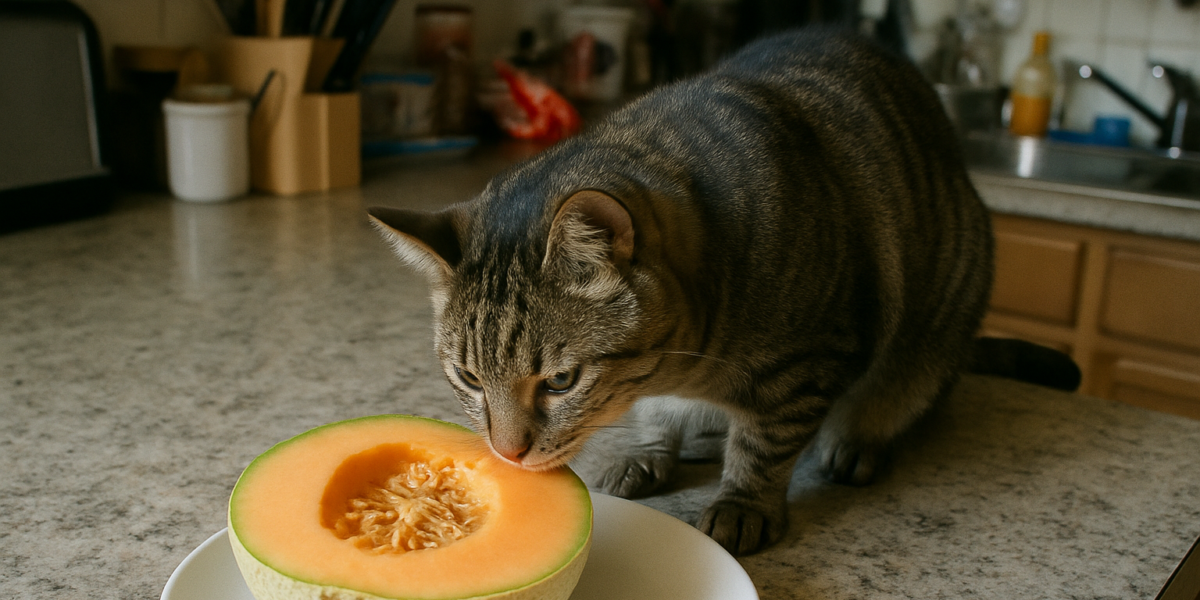
The reason many cats show interest in cantaloupe specifically has been the subject of both anecdotal observation and scientific curiosity. The leading theory is that cantaloupe produces volatile organic compounds — particularly amino acid-derived aromatic molecules — that smell similar to meat proteins to a cat’s highly sensitive olfactory system. Cats have approximately 200 million scent receptors (compared to about 5 million in humans), and the aromatic profile of ripe cantaloupe may trigger their protein-seeking instincts. This would explain why cats who ignore most fruits make a beeline for cantaloupe.
The parts of the melon that are not safe are the seeds and the rind. Melon seeds — while not toxic — pose a choking risk and can cause digestive discomfort or minor blockages if consumed in quantity. The rind is tough, fibrous, and very difficult for cats to digest. Eating rind can cause gastrointestinal upset, vomiting, and in larger amounts, potentially an intestinal obstruction. The outer surface of the rind can also harbor bacteria, including Salmonella and Listeria, which can cause foodborne illness. Always remove all seeds and rind before offering melon to your cat.
The sugar content of melon is the primary nutritional concern. While melon sugar is natural, cats have no biological need for dietary sugar and lack the sweet taste receptors to even enjoy it. Their bodies are designed to derive energy primarily from protein and fat, and excess sugar — even from natural sources — offers no benefit while contributing unnecessary calories. This is why melon should always be a small, occasional treat rather than a regular offering. For more on feline nutrition, visit our cat breeds directory.
Nutritional Profile of Melon
Different melon varieties have slightly different nutritional profiles, but they share common characteristics that are relevant to feline health.
Cantaloupe contains approximately 60 calories per cup of cubed flesh, with 14.4 grams of carbohydrates (including 13.9 grams of sugar), 1.6 grams of fiber, 1.5 grams of protein, and 0.3 grams of fat. It is an excellent source of vitamin A (in the form of beta-carotene, which gives it its orange color), providing over 100 percent of the human daily value per cup. It also provides significant vitamin C, potassium, folate, and B vitamins.
Honeydew is slightly lower in calories at about 64 per cup, with 16.1 grams of carbohydrates (including 15.5 grams of sugar), 1.4 grams of fiber, 1 gram of protein, and 0.2 grams of fat. Honeydew is a good source of vitamin C and potassium but contains significantly less vitamin A than cantaloupe.
Watermelon is the lowest in calories among common melons at roughly 46 per cup, with 11.5 grams of carbohydrates (including 9.4 grams of sugar), 0.6 grams of fiber, 0.9 grams of protein, and 0.2 grams of fat. Watermelon stands out for its extremely high water content — approximately 92 percent — making it the most hydrating melon option. It also contains lycopene, a powerful antioxidant that gives watermelon its red color.
For cats, the most relevant nutritional features of melon are the water content (supporting hydration), vitamin A (supporting vision, immune function, and skin health), and the antioxidant compounds. The sugar content, while natural, is nutritionally irrelevant and calorically undesirable for cats. Cats cannot efficiently metabolize large amounts of carbohydrate, and their metabolic pathways are optimized for protein and fat utilization.
Benefits of Melon for Cats
Despite cats having no biological need for fruit, melon can offer a few modest benefits when given as an occasional treat.
Hydration. This is the most practically useful benefit. Cats evolved in arid environments and have a naturally low thirst drive, which means many domestic cats are chronically under-hydrated — particularly those fed primarily dry food. Dehydration contributes to urinary tract issues, kidney problems, and constipation, all of which are common in cats. The high water content of melon — ranging from 86 percent in cantaloupe to 92 percent in watermelon — provides supplemental hydration in a form that many cats find appealing. While melon is not a substitute for fresh water or wet food, it can serve as a helpful hydration boost.
Vitamin A support. Cantaloupe in particular provides significant beta-carotene, which the body can convert to vitamin A. This vitamin supports healthy vision (especially night vision), immune function, skin and coat health, and reproductive health. While commercial cat food provides adequate vitamin A, the naturally occurring beta-carotene in cantaloupe offers it in a whole-food form that may be more bioavailable.
Antioxidant compounds. The vitamin C, beta-carotene, and lycopene (in watermelon) found in melon provide antioxidant protection that helps neutralize free radicals and reduce oxidative stress. For senior cats or those with chronic inflammatory conditions, these compounds may offer modest supportive benefits.
Enrichment value. Introducing novel, safe foods to cats can provide mental stimulation and enrichment. A small piece of melon offers a new texture and flavor experience that some cats find genuinely interesting. In multi-cat households, individual preferences for melon can become an amusing personality differentiator.
Risks and Side Effects of Melon for Cats
The risks of melon for cats are relatively modest compared to many human foods, but they are worth understanding.
Sugar content. The natural sugars in melon are the primary nutritional concern. Cats lack efficient carbohydrate metabolism pathways, and excess sugar contributes to weight gain without providing useful energy. For diabetic cats, even natural sugars can cause blood glucose spikes that complicate disease management. Overweight cats and those with diabetes should avoid melon or receive only the tiniest amounts under veterinary guidance.
Digestive upset. Cats who eat too much melon may experience vomiting, diarrhea, or loose stool. The combination of sugar, water, and fiber that the feline digestive system is not designed to process in large quantities can cause gastrointestinal discomfort. Starting with a very small piece and observing your cat’s reaction is always the prudent approach.
Choking and obstruction. Melon seeds can lodge in a cat’s throat, and the rind is too tough for feline digestion. Even the flesh, if cut into pieces that are too large, can pose a choking risk for cats who tend to gulp rather than chew. Always remove seeds and rind, and cut the flesh into small, manageable pieces. Read our lettuce safety guide for another hydrating treat option.
Bacterial contamination. The outer rind of cantaloupe in particular has been associated with bacterial contamination, including Salmonella and Listeria. These bacteria can be transferred from the rind surface to the flesh during cutting. Wash melons thoroughly before cutting, use clean cutting surfaces and utensils, and refrigerate cut melon promptly. Do not serve melon that has been sitting at room temperature for more than two hours.
Allergic reaction. While rare, food allergies to melon can occur in cats. Signs include itching, skin inflammation, vomiting, diarrhea, or facial swelling. If your cat shows any of these symptoms after eating melon, discontinue immediately and consult your veterinarian.
How to Feed Melon to Your Cat Safely
Making melon safe and enjoyable for your cat is straightforward with these steps.
Wash the melon. Before cutting, wash the outer surface of the melon thoroughly under running water, even if you will be discarding the rind. Bacteria on the surface can be transferred to the flesh during cutting. For cantaloupe, which has a textured rind that can harbor more bacteria, consider scrubbing with a produce brush.
Remove seeds and rind. Scoop out all seeds from cantaloupe and honeydew. For watermelon, either use seedless varieties or carefully remove all seeds, including the small white ones, which can still cause digestive discomfort. Cut away all rind, including the white part of watermelon that borders the pink flesh.
Cut into appropriate pieces. Cut the melon flesh into pieces no larger than a small pea for most cats. Larger cats can handle slightly bigger pieces, but keeping them small minimizes any choking risk and makes it easier for your cat to eat without difficulty.
Start with a tiny amount. If your cat has never eaten melon, offer a single small piece and observe for any adverse reaction over 24 hours. Many cats will sniff it curiously and walk away — this is perfectly normal. Others will be immediately interested, particularly with cantaloupe. Either response is fine.
Keep portions small. Two to three small pieces of melon once or twice a week is plenty for most cats. This provides the potential hydration and nutritional benefits without introducing problematic amounts of sugar or calories. Remember that your cat’s treats should not exceed 10 percent of their daily caloric intake.
Frozen melon treats. Small cubes of melon frozen in ice cube trays (or simply frozen melon pieces) can provide a stimulating, hydrating treat on warm days. The frozen texture slows eating and extends the enrichment value. Supervise your cat while they eat frozen treats to ensure they do not have difficulty with the hard texture.
Signs of Problems After Eating Melon
Most cats who eat a small amount of melon will show no adverse effects, but here is what to monitor.
Mild digestive upset. Slightly loose stool or a single episode of vomiting within a few hours of eating melon is typically benign and resolves quickly. It usually means the portion was too large or that your cat’s system is not accustomed to the fiber and sugar content. Reduce the amount next time.
Diarrhea. More persistent diarrhea — multiple loose stools over 12 to 24 hours — may indicate a stronger sensitivity. Withhold melon and all treats, offer bland food if recommended by your veterinarian, and ensure adequate hydration. If diarrhea persists beyond 24 hours or contains blood, contact your veterinarian.
Signs of allergic reaction. Itching, facial swelling, hives, difficulty breathing, or severe vomiting occurring shortly after eating melon may indicate an allergic response. These symptoms require veterinary attention, particularly difficulty breathing, which is a medical emergency.
Choking. If your cat is gagging, pawing at the mouth, drooling excessively, or making distressed sounds while eating melon, a piece may be lodged in the throat. Remain calm and check for visible obstructions. If the cat cannot clear the obstruction on their own, seek emergency veterinary care immediately.
Frequently Asked Questions
Why does my cat love cantaloupe?
The most widely accepted explanation is that ripe cantaloupe produces volatile organic compounds — particularly amino acid-derived molecules — that mimic the scent of meat proteins to a cat’s extremely sensitive sense of smell. Cats have roughly 200 million scent receptors, and these aromatic compounds may trigger the same instinctive interest that meat aromas do. Since cats cannot taste sweetness, their attraction to cantaloupe is about smell, not flavor. This also explains why many cats are indifferent to other melons that do not produce the same aromatic profile.
Can cats eat watermelon seeds?
Cats should not eat watermelon seeds. While watermelon seeds are not toxic to cats, they pose a choking risk and can cause digestive discomfort, particularly in smaller cats. The seeds are not digestible and will pass through the gastrointestinal tract intact, potentially causing irritation along the way. If your cat eats a seed or two accidentally, it is not an emergency, but intentionally feeding seeds should be avoided. Use seedless watermelon or carefully remove all seeds before offering pieces to your cat.
Can diabetic cats eat melon?
Melon is generally not recommended for diabetic cats. All melons contain natural sugars that can cause blood glucose spikes in diabetic cats, complicating insulin management and blood sugar regulation. If your cat is diabetic and you want to offer a fruit treat, consult your veterinarian first. They may advise very small amounts of lower-sugar options or may recommend avoiding fruit entirely depending on your cat’s specific diabetes management protocol. Stability and predictability in diet are important for diabetic cats, and introducing variable sugar sources works against that goal.
Is it okay to give my cat melon every day?
Daily melon consumption is not recommended for cats. While melon is safe, the sugar and calorie content — though modest — add up over time with daily feeding. Additionally, cats who become accustomed to receiving fruit treats may become pickier about their regular food. Two to three small pieces of melon once or twice per week is a more appropriate frequency that provides the potential benefits without the cumulative risks of daily sugar intake.
Can kittens eat melon?
Kittens over 8 weeks old who are eating solid food can have a very small piece of melon — about the size of a small pea — as a rare treat. However, kittens have very specific nutritional needs that are best met by high-quality kitten food, and filling up on nutritionally sparse treats like melon can displace more nutritious food. Additionally, kittens have more sensitive digestive systems and are more susceptible to digestive upset from unfamiliar foods. If you offer melon to a kitten, make it an exceptionally rare and tiny treat.
Which melon is best for cats?
If hydration is the primary goal, watermelon is the best choice due to its 92 percent water content and relatively lower sugar content compared to other melons. If your cat is specifically attracted to melon (as many cats are to cantaloupe), cantaloupe is fine to offer and provides more vitamin A than other varieties. Honeydew is a perfectly safe middle-ground option. All common melon varieties are safe, so the “best” one often comes down to what your individual cat prefers and what you have available. Avoid exotic melons or varieties you are unfamiliar with until you can confirm their safety.


