
Last updated: June 13, 2026
In this article
Can Cats Eat Lettuce? Safety, Benefits & Feeding Tips
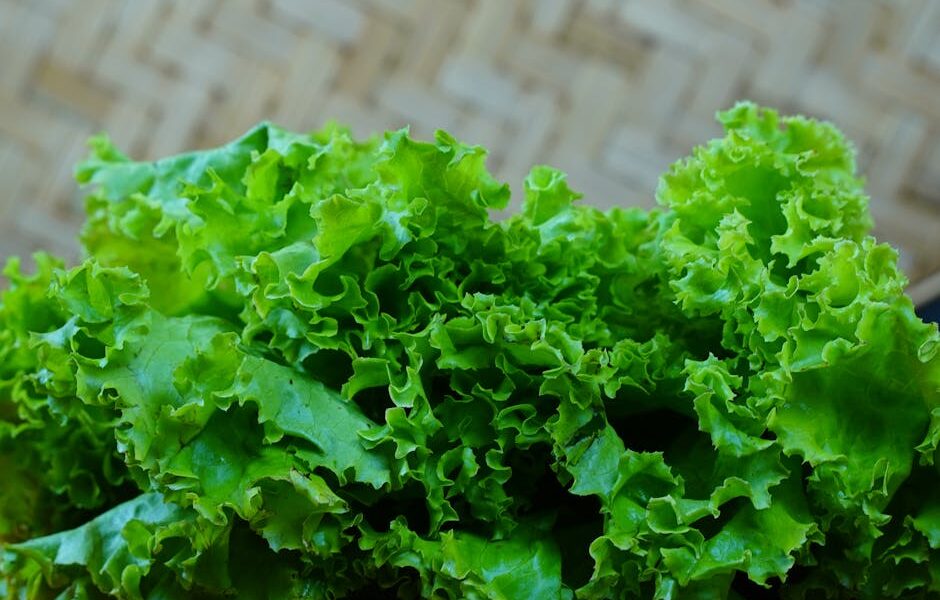
Can cats eat lettuce? Most common varieties of lettuce, including romaine, butterhead, and iceberg, are not toxic to cats and can be offered as an occasional treat. Lettuce is very low in calories and high in water content, which makes it one of the safer plant-based snacks you can share with a curious feline. However, lettuce offers minimal nutritional value for obligate carnivores, should never replace a balanced cat food diet, and needs to be served plain and properly washed. Always introduce new foods gradually and consult your veterinarian if your cat has any existing health conditions.
If your cat has ever batted a piece of lettuce off your plate or nibbled at a leaf while you were making a salad, you have probably asked yourself: can cats eat lettuce? It is a reasonable question. Cats are obligate carnivores, meaning their bodies are designed to derive nutrition primarily from animal protein, so any plant-based food warrants a closer look before you share it. The good news is that lettuce is one of the more straightforward vegetables when it comes to feline safety. It is not toxic to cats. It does not contain the dangerous compounds found in foods like garlic, onions, or grapes. And it carries very few of the conditional risks that make vegetables like spinach or certain wild greens more complicated to evaluate. That said, there are still things worth knowing before you start offering lettuce to your cat on a regular basis. This guide covers the full picture — which types of lettuce are safe, what benefits lettuce might offer, what risks to be aware of, how much is appropriate, and how to prepare it correctly.
Is Lettuce Safe for Cats?
Lettuce is generally considered safe for cats. It is not listed as a toxic plant for felines by veterinary toxicology resources, and none of the commonly available lettuce varieties — romaine, butterhead (also called Boston or Bibb lettuce), green leaf, red leaf, or iceberg — contain compounds that are known to be harmful to cats. This places lettuce in a notably different category from some other leafy greens, such as certain wild lettuces or plants that look similar to lettuce but belong to entirely different botanical families.
The safety of lettuce for cats is relatively unconditional compared to vegetables like spinach, which contains high levels of oxalates that pose real risks for cats with kidney or urinary tract issues. Lettuce is very low in oxalates, making it a safer leafy green option for cats across a wider range of health profiles. It does not contain significant levels of any compounds that are known to be specifically problematic for feline physiology.
One important distinction to draw is between cultivated lettuce (Lactuca sativa) and wild lettuce (Lactuca virosa). Wild lettuce contains lactucarium, a milky substance with mild sedative and potentially toxic properties. Wild lettuce is not what you find in grocery stores, but it does grow in some gardens and outdoor areas. If your cat has access to outdoor spaces where wild lettuce might be present, be aware that it is not the same as the cultivated lettuce you buy for salads. The safety discussion in this article refers exclusively to common cultivated lettuce varieties.
For healthy adult cats, lettuce is safe to offer in small amounts as an occasional treat. If your cat has any chronic health conditions or is on a specialized diet, it is still a good practice to check with your veterinarian before introducing any new food, even one as mild as lettuce.
Types of Lettuce and Which Are Best for Cats
Not all lettuce is created equal in terms of nutritional content, and while all common varieties are safe, some offer slightly more value than others for a cat that enjoys the occasional leaf.
Romaine lettuce is generally the best option to offer cats. It has the highest nutrient density among common lettuce varieties, with more vitamin A, vitamin K, and folate than its counterparts. It also has a crisp texture that some cats find appealing, and its water content is high without being as nutritionally empty as iceberg lettuce.
Butterhead lettuce (including Boston and Bibb varieties) is another good choice. Its leaves are soft and tender, which makes them easy for cats to chew and digest. It has a mild flavor that most cats tolerate well, and it provides a reasonable amount of vitamins and minerals relative to other lettuce types.
Green leaf and red leaf lettuce fall somewhere in between romaine and iceberg in terms of nutritional content. They are perfectly safe for cats and can be offered without concern about toxicity. Red leaf lettuce contains slightly more antioxidants than green varieties due to its anthocyanin content, though the practical significance of this for a cat eating a small piece is minimal.
Iceberg lettuce is safe but offers the least nutritional value of any common variety. It is composed almost entirely of water with very little in the way of vitamins, minerals, or fiber. While it is not harmful, it is essentially just a crunchy water delivery vehicle. If your cat enjoys it, there is no reason to prevent them from having a small piece, but it will not contribute anything meaningful to their nutrition.
Benefits of Lettuce for Cats
Lettuce is not a nutritional powerhouse for cats, and it should never be treated as a dietary supplement or a meaningful source of nutrients for an obligate carnivore. That said, it does offer a few modest benefits that make it a reasonable occasional treat for cats that show interest.
Hydration support. Lettuce is roughly 94 to 96 percent water depending on the variety. For cats that tend to drink less water than they should — which is common, particularly among cats fed exclusively dry food — a small piece of lettuce can contribute a minor amount of additional hydration. This is not a substitute for fresh water or a properly hydrating diet, but it is a small positive when a cat voluntarily eats it.
Low calorie content. At approximately 5 calories per cup of shredded lettuce, this is about as low-calorie as a treat gets. For cats on a weight management plan or those prone to obesity, lettuce can serve as a satisfying snack that does not meaningfully add to their daily caloric intake. If your cat is one of those that seems always interested in food and you want to offer something between meals, lettuce is a better option than most commercial treats from a calorie perspective. For more guidance on helping your cat maintain a healthy weight, see our cat breeds directory for breed-specific information.
Fiber content. Although the fiber content in lettuce is modest compared to some other vegetables, it is present and may provide a small amount of digestive support. For some cats, a bit of added fiber can help with bowel regularity and may assist with hairball passage. This benefit is most relevant for cats that are prone to mild constipation.
Enrichment value. Some cats genuinely enjoy the texture and crunch of lettuce, and offering a piece can serve as a form of enrichment. The novel texture gives them something to explore and chew, which can be mildly stimulating. This is especially true for indoor cats whose diets and experiences are otherwise very consistent day to day.
Risks of Lettuce for Cats
The risk profile of lettuce for cats is low compared to many other human foods, but there are still considerations worth understanding before offering it regularly.
Digestive upset. Cats are not built to process large amounts of plant material. Their digestive systems are short and optimized for breaking down animal protein and fat, not cellulose and fiber. While a small piece of lettuce is unlikely to cause issues, larger quantities can lead to loose stools, diarrhea, vomiting, or stomach discomfort. Some individual cats are more sensitive than others, and a cat that has never eaten plant material before may experience mild digestive upset even from a small amount.
Pesticide and chemical residue. Conventionally grown lettuce can carry pesticide residues on its surface. While the levels present on store-bought lettuce are regulated for human safety, cats are much smaller than humans, and their bodies process toxins differently. Always wash lettuce thoroughly under running water before offering it to your cat. If you have access to organic lettuce, that is preferable, though not strictly necessary as long as conventional lettuce is well washed.
Choking hazard. While lettuce is generally soft, larger pieces or the tough central rib of romaine and other varieties can present a mild choking hazard, particularly for kittens or cats that tend to gulp their food rather than chewing. Cut or tear lettuce into small, manageable pieces before offering it to your cat to reduce this risk.
Nutritional displacement. This is perhaps the most important risk to keep in mind. Lettuce has almost no protein, very little fat, and minimal calories. Cats need a diet that is rich in animal-based protein, contains adequate fat, and includes specific nutrients like taurine, arachidonic acid, and preformed vitamin A that they cannot synthesize on their own or obtain from plant sources. If a cat fills up on lettuce and eats less of their nutritionally complete food as a result, that is a net negative for their health. Lettuce should always be treated as a small supplement to the diet, never a replacement for any portion of it.
Dressings and seasonings. This applies to any human food offered to cats: never give your cat lettuce that has been dressed, seasoned, or included as part of a salad. Salad dressings often contain garlic, onion, salt, and oils that are inappropriate or outright dangerous for cats. Only offer plain, undressed lettuce leaves.
How Much Lettuce Can a Cat Eat?
For healthy adult cats, the appropriate amount of lettuce is small and occasional. A good starting guideline is one to two small pieces — roughly the size of your thumbnail or slightly larger — offered no more than two to three times per week. This is enough to satisfy a curious cat without introducing enough plant material to cause digestive disruption.
The standard 10 percent rule for treats applies: all treats and non-staple foods combined should account for no more than 10 percent of your cat’s daily caloric intake. Since lettuce is extremely low in calories, you are unlikely to hit this limit with lettuce alone, but keep in mind that the caloric cap includes all treats your cat receives in a day, not just lettuce.
If you are offering lettuce to your cat for the first time, start with a very small piece — a single bite-sized portion — and observe your cat over the next 24 hours. Watch for any signs of digestive upset including vomiting, diarrhea, or decreased appetite. If your cat tolerates it well and shows interest, you can continue offering it occasionally. If your cat shows no interest or experiences any adverse reaction, there is no reason to persist. Lettuce is not a necessary part of any cat’s diet, and your cat is not missing anything by not eating it.
Kittens, elderly cats, and cats with sensitive stomachs should be given even smaller amounts, if any. For kittens in particular, their caloric and nutritional needs are high relative to their size, and filling up on low-nutrient foods is counterproductive to healthy growth and development. If you are considering adopting a kitten or an adult cat and want to learn more about proper nutrition and care, visit our adoption page for guidance and available pets.
How to Serve Lettuce to Cats
Preparation is straightforward, but following a few simple steps ensures that you are offering lettuce in the safest and most appropriate way.
Wash thoroughly. Rinse the lettuce under cool running water to remove any dirt, bacteria, or pesticide residue. This step is non-negotiable regardless of whether the lettuce is conventional or organic. Pre-washed bagged lettuce should still be rinsed as an extra precaution.
Serve it raw. Unlike some vegetables that benefit from cooking before being offered to cats, lettuce is best served raw. Cooking lettuce causes it to wilt into a mushy texture that most cats find unappealing, and it further reduces the already minimal nutrient content. Raw lettuce retains its crunch and water content, which are the two things that make it appealing to cats in the first place.
Cut into small pieces. Tear or cut the lettuce into small, bite-sized pieces that your cat can manage easily. Remove any tough central ribs or stems, particularly from romaine lettuce, as these can be harder to chew and may present a mild choking risk for smaller cats.
Offer it plain. Do not add any dressings, oils, salt, seasonings, or other ingredients. No croutons, no cheese, no vinaigrette. Only plain washed lettuce should be offered to your cat. This point cannot be overstated — many common salad ingredients, including garlic and onion, are toxic to cats.
Offer it separately. Rather than mixing lettuce into your cat’s regular food, offer it as a standalone treat on a small plate or by hand. This makes it easier to monitor how much your cat eats and prevents the lettuce from making the rest of the food unpalatable if your cat decides it is not interested.
Frequently Asked Questions
Can cats eat lettuce every day?
While lettuce is not toxic and daily consumption is unlikely to cause acute harm in a healthy cat, it is not recommended as a daily food. Offering lettuce every day increases the chance of digestive upset over time, and it establishes a routine that is unnecessary given that lettuce provides almost no nutritional value for cats. A few times per week at most is a better approach, with the amount kept small each time. Your cat’s diet should be centered on a complete and balanced commercial cat food that meets all of their nutritional requirements as an obligate carnivore.
Why does my cat like eating lettuce?
There are a few possible explanations for why some cats are drawn to lettuce. The texture may be appealing — the crunch of a fresh lettuce leaf provides sensory stimulation that some cats enjoy, similar to how some cats chew on grass or other plants. The high water content may also be a factor, as some cats instinctively seek out moisture-rich foods, particularly those that do not drink enough water from their bowl. In some cases, a strong interest in plant material can indicate that a cat is seeking additional fiber or experiencing mild digestive discomfort. If your cat seems unusually fixated on eating lettuce or other plants, it may be worth mentioning to your veterinarian to rule out any underlying issues.
Can kittens eat lettuce?
Kittens can technically eat a very small piece of lettuce without immediate risk, but it is generally not recommended. Kittens have high caloric and protein needs to support their rapid growth and development, and their digestive systems are still maturing. Offering low-nutrient foods like lettuce takes up stomach space that would be better filled with kitten-appropriate food. If you have a kitten that shows interest in lettuce, a tiny nibble is unlikely to cause harm, but it should not become a regular offering. Focus on high-quality kitten food and save the lettuce treats for when your cat reaches adulthood.
Is lettuce better than grass for cats?
Lettuce and cat grass serve somewhat different purposes, and one is not strictly better than the other. Cat grass (typically wheatgrass, oat grass, or barley grass) is specifically cultivated for cats and provides fiber that can help with hairball passage and mild digestive support. Lettuce provides hydration and a crunchy texture but less fiber than most cat grasses. The key advantage of lettuce over outdoor grass is that you know exactly what your cat is eating — outdoor grass may be treated with pesticides, herbicides, or fertilizers. If your cat enjoys both, there is no harm in offering either one in moderation. For more on breed-specific dietary considerations and care tips, explore our cat breeds directory.
What should I do if my cat eats a large amount of lettuce?
If your cat has eaten a larger quantity of lettuce than intended — for example, they got into a bag of salad greens — do not panic. Lettuce is not toxic, and a larger-than-normal amount is unlikely to cause anything more serious than temporary digestive upset. Watch for vomiting, diarrhea, or signs of abdominal discomfort over the next 12 to 24 hours. Make sure your cat has access to fresh water. If symptoms are severe, persistent, or if the lettuce was part of a prepared salad that contained dressings or other ingredients like garlic or onion, contact your veterinarian promptly. In the case of plain lettuce, most cats will pass through any mild digestive effects without needing veterinary intervention.
For the full picture, see our complete guide to the human foods cats can eat safely.
Not sure what to keep away from your cat? See our complete list of foods toxic to cats.


