
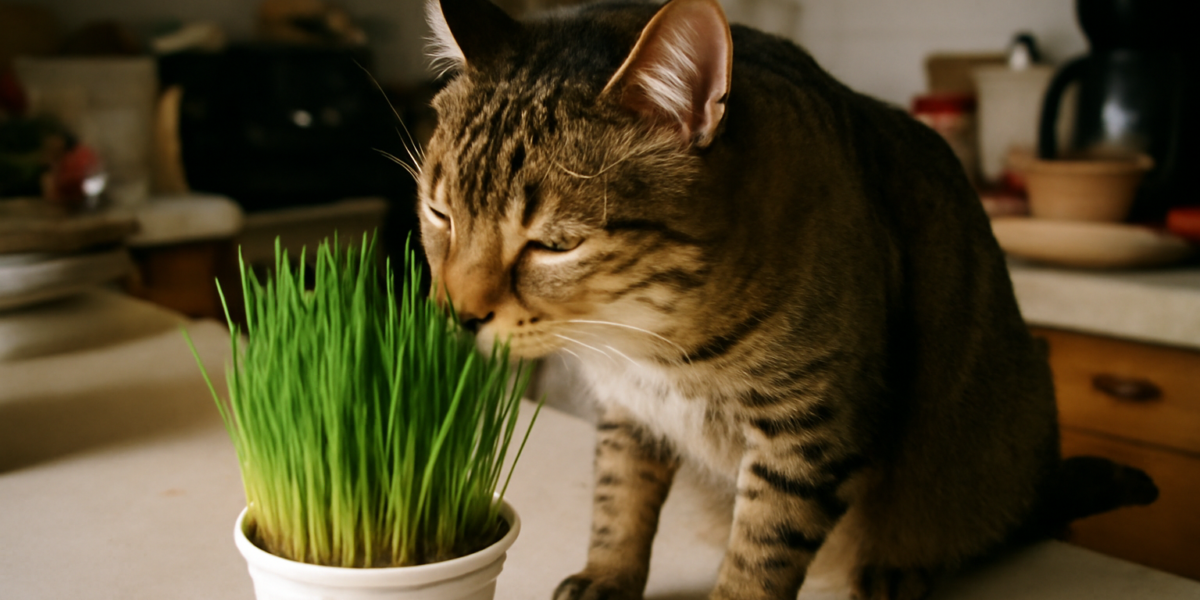
Can Cats Eat Wheatgrass? Benefits
Yes, cats can eat wheatgrass, and many feline owners have noticed their cats nibbling on it with enthusiasm. While it is generally safe, there are nuances to consider to ensure it benefits your feline friend without causing any digestive issues.
In this article
Is Wheatgrass Safe for Cats?
Wheatgrass is safe for cats when consumed in moderation. It is a natural plant that many cats enjoy due to its appealing texture and taste. Unlike some houseplants, which can be toxic to cats, wheatgrass does not contain harmful substances that could endanger your pet’s health. However, it’s always wise to monitor your cat’s intake and observe any unusual behavior after consumption.
Nutritional Benefits of Wheatgrass for Cats
Wheatgrass offers several nutritional benefits that can support your cat’s health. It is rich in vitamins such as A, C, and E, which can aid in boosting your cat’s immune system. Additionally, wheatgrass contains chlorophyll, which may help detoxify the blood and improve overall well-being. Some believe that wheatgrass can also aid in digestion, helping cats pass hairballs more easily.
For more on feline diets, check our article on Can Cats Eat Spinach?
Risks and Side Effects
Although wheatgrass is generally safe, some cats might experience digestive upset if they consume too much. Symptoms such as vomiting or diarrhea can occur if your cat ingests an excessive amount. Additionally, some cats might have allergies to wheatgrass, although this is rare. If your cat shows signs of discomfort after eating wheatgrass, it is advisable to consult your veterinarian.
How to Serve Wheatgrass to Your Cat
Serving wheatgrass to your cat can be as simple as placing a pot of it in a spot accessible to them. Make sure the plant is fresh and free from pesticides or chemicals. You can also cut a few blades and mix them into your cat’s food or offer them directly as a treat. Encouraging your cat to chew on wheatgrass can be a healthy part of their diet.
For more tips on feline-friendly plants, visit our guide on Can Cats Eat Basil?
How Much Wheatgrass Can Cats Eat?
Moderation is key when it comes to feeding your cat wheatgrass. Offering a small handful of fresh wheatgrass a couple of times a week is generally sufficient. Overconsumption can lead to digestive issues, so it’s important to limit the amount your cat eats at any one time. Monitor your cat’s response and adjust the amount accordingly.
Signs of an Adverse Reaction
If your cat experiences an adverse reaction to wheatgrass, you may notice signs such as vomiting, diarrhea, or excessive drooling. In rare cases, swelling around the mouth or signs of an allergic reaction might occur. If any of these symptoms present, discontinue feeding wheatgrass and seek veterinary advice promptly.
Frequently Asked Questions
Can wheatgrass help with my cat’s hairballs?
Yes, wheatgrass can aid in digestion and help your cat pass hairballs more easily due to its fibrous content.
Is there a difference between wheatgrass and regular grass?
Wheatgrass is a specific type of grass that is rich in nutrients, whereas regular grass may not have the same nutritional benefits and could be treated with chemicals.
Can kittens eat wheatgrass?
Kittens can eat wheatgrass in small amounts, but it’s best to introduce it gradually and monitor their reaction.
Where can I buy wheatgrass for my cat?
Wheatgrass can be purchased at pet stores, health food stores, or grown at home from seeds. Ensure any store-bought wheatgrass is organic and free from pesticides.
For more information on safe foods for cats, you may also be interested in reading Can Cats Eat Watermelon?


