
Last updated: March 31, 2026
In this article
Can Cats Eat Spinach? A Leafy Green Guide for Cat Owners
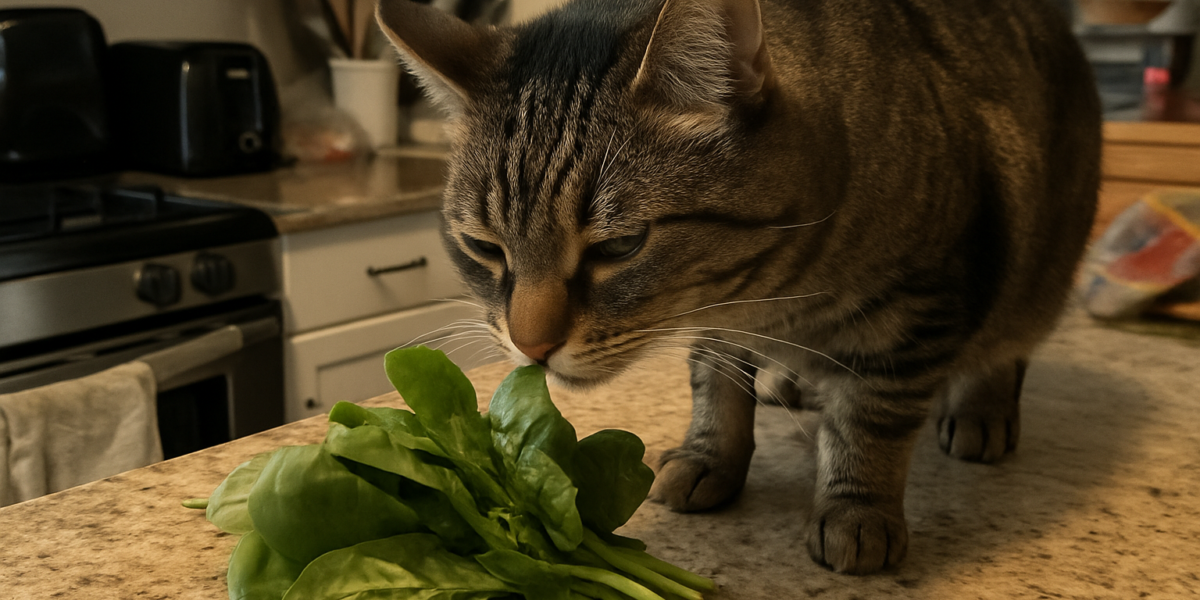
Plain, cooked spinach is not toxic to cats and can provide some vitamins and minerals. However, spinach contains calcium oxalates, which can contribute to urinary crystal and stone formation. Cats with a history of urinary tract problems, kidney stones, or kidney disease should not eat spinach. For healthy cats, a small amount as an occasional treat is generally safe.
Spinach is celebrated as one of the healthiest vegetables for humans, packed with iron, vitamins, and all sorts of beneficial compounds. It is the kind of food that makes you feel virtuous just for eating it. So when your cat shows interest in a spinach leaf or you are looking for healthy treat options, it makes sense to wonder whether this nutritional powerhouse is safe for felines too.
The answer is more conditional than it is for many other foods. Spinach is generally safe for healthy cats in small amounts, but its oxalate content makes it a poor choice for cats with certain health conditions. At Walk Me Home Rescue, we believe every cat owner should understand these nuances to make the best decisions for their individual cat.
Is Spinach Safe for Cats? The Important Details
Spinach is not toxic to cats. It does not contain any compound that causes poisoning or acute illness in felines. In fact, you will find spinach listed as an ingredient in some commercial cat foods, which demonstrates that the veterinary nutrition community considers it safe in appropriate amounts.
However, spinach contains calcium oxalates, and this is where things get complicated. Calcium oxalates are naturally occurring compounds found in many leafy green vegetables. When consumed in significant quantities, oxalates can bind with calcium in the body and contribute to the formation of calcium oxalate crystals and stones in the urinary tract.
For healthy cats with no history of urinary problems, the small amount of oxalates in an occasional spinach treat is unlikely to cause issues. The body can handle modest amounts of oxalates without significant consequence. But for cats that have a history of urinary tract disease, calcium oxalate crystals or stones, kidney stones, or chronic kidney disease, spinach should be avoided entirely. These cats are already predisposed to crystal formation, and adding oxalates to their diet, even in small amounts, is an unnecessary and potentially harmful risk.
If you are unsure about your cat’s urinary health history or whether spinach is appropriate for them specifically, a quick conversation with your veterinarian can provide clarity. This is especially relevant if you have recently adopted a cat and may not have a complete health history.
Cats are obligate carnivores, and spinach, like all plant foods, is not a natural part of their diet. They do not need vegetables to be healthy, and their bodies are not optimized for digesting plant material. Spinach should be viewed as an occasional novelty treat rather than a dietary component.
Nutritional Profile of Spinach for Cats
Spinach is nutrient-dense by human standards, but the relevance of those nutrients differs significantly for cats.
Vitamins A, C, and K. Spinach is rich in all three of these vitamins. Vitamin A supports vision, immune function, and skin health in cats. Vitamin K plays a role in blood clotting. Vitamin C is one that cats can synthesize on their own, so supplementary vitamin C from spinach is unnecessary. While the vitamin content of spinach is impressive on paper, a cat eating a balanced commercial diet is already getting all the vitamins they need.
Iron. Spinach is famous for its iron content, and iron is indeed important for cats as it supports oxygen transport in the blood. However, the iron in spinach is non-heme iron, which is less bioavailable than the heme iron found in meat. Cats absorb iron much more efficiently from animal sources, which is another reminder that their biology is built around a carnivorous diet.
Folate. Also known as vitamin B9, folate supports cell division and DNA synthesis. It is present in spinach in meaningful amounts. Cats do need folate, but their requirement is met by commercial cat food formulations.
Fiber. Spinach provides dietary fiber that can support digestive regularity. Cooked spinach is easier for cats to digest than raw, as cooking breaks down some of the plant cell walls that a cat’s digestive system cannot efficiently penetrate on its own.
Water content. Raw spinach is about 91 percent water, and even cooked spinach retains significant moisture. This contributes positively to hydration.
Calcium oxalates. As discussed, this is the compound of concern. While calcium itself is necessary for bone health and other functions, the oxalate form can cause problems in the urinary tract of susceptible cats. Cooking spinach reduces the oxalate content somewhat but does not eliminate it entirely.
Calories. Spinach is extremely low in calories, with a tablespoon of cooked spinach containing roughly 4 calories. This makes it one of the lowest-calorie treat options available, which is a genuine advantage for weight-conscious feeding.
Benefits and Risks of Spinach for Cats
The balance of benefits and risks for spinach depends heavily on your individual cat’s health status.
Benefits for healthy cats:
The vitamin and mineral content of spinach can provide a minor supplementary boost alongside a balanced diet. While not necessary, the additional nutrients are not harmful for healthy cats and may contribute positively to overall nutrition.
The fiber in cooked spinach can support digestive health, particularly for cats that need a little extra help with regular bowel movements. While pumpkin is usually the preferred fiber source for cats, spinach offers a fiber alternative for variety.
The very low calorie count of spinach makes it suitable for overweight cats who benefit from treats that satisfy their interest in food without adding significant calories. If your cat enjoys spinach, it is one of the lightest options you can offer.
Some cats are attracted to leafy greens and will actively seek them out. Offering safe greens like spinach in controlled amounts can satisfy this interest and may reduce your cat’s tendency to chew on houseplants, some of which can be toxic.
Risks:
Calcium oxalate crystal and stone formation. This is the primary risk and the most important one to understand. Cats with existing urinary tract disease, a history of calcium oxalate crystals or stones, or chronic kidney disease should not eat spinach. The oxalates in spinach can contribute to crystal formation in the urinary tract, which can cause pain, urinary blockages, and kidney damage. This risk cannot be eliminated by cooking or by limiting portion size, though smaller amounts pose less risk than larger ones.
Digestive upset. Cats are not built to process large amounts of plant material. Too much spinach can cause diarrhea, gas, or vomiting. Raw spinach is particularly likely to cause digestive issues because the uncooked plant fibers are harder for cats to break down.
Interference with mineral absorption. Oxalates can bind with calcium and other minerals in the digestive tract, potentially reducing the absorption of these nutrients from other foods. In small amounts this is unlikely to have a meaningful impact, but it is another reason to keep spinach portions minimal.
Pesticide residue. Spinach frequently ranks among the produce items with the highest pesticide residue levels. Wash spinach thoroughly before offering any to your cat, and consider organic spinach if available. A cat’s smaller body size means they are more sensitive to chemical residues than humans.
How to Feed Spinach to Your Cat Safely
If your cat is healthy, has no history of urinary problems, and you want to offer spinach as a treat, here is how to do it safely.
Cook it first. Always offer cooked rather than raw spinach. Cooking breaks down some of the oxalate content and makes the spinach easier for your cat to digest. Steam or boil the spinach without any seasoning, butter, oil, salt, garlic, or onion. These additions are either unnecessary or actively harmful for cats. Steaming is the preferred method as it retains more nutrients than boiling.
Chop it finely. Cats do not have the flat grinding teeth that herbivores use to break down plant material. Chop or mince the cooked spinach finely so your cat does not have to struggle with large leaves. This also makes it easier to mix into their regular food.
Start very small. Offer just a pinch of finely chopped cooked spinach the first time. Observe your cat over the next 24 hours for any signs of digestive upset or changes in urination patterns before offering more.
Keep portions minimal. One teaspoon of cooked, chopped spinach is a reasonable maximum serving for a cat. This amount provides a taste and minor nutritional contribution without overloading the system with oxalates or fiber. Offer spinach no more than once or twice per week.
Mix it into food. Most cats prefer spinach mixed into their regular wet food rather than served on its own. A small amount of chopped cooked spinach stirred into wet food is usually well-received and may encourage cats to eat their full meal.
Wash thoroughly. Whether you are using fresh or frozen spinach, wash it carefully to remove any pesticide residue, dirt, or contaminants. For frozen spinach, choose plain varieties with no added salt or sauces.
Check with your vet first. Before adding spinach to your cat’s treat rotation, mention it to your veterinarian, especially if your cat is middle-aged or older when urinary issues become more common. A simple urinalysis can determine whether your cat has any predisposition to crystal formation.
Signs of Problems After Your Cat Eats Spinach
Monitoring your cat after they eat spinach is important, particularly the first few times. Here is what to watch for.
Changes in urination. This is the most important thing to monitor given the oxalate content of spinach. Watch for frequent trips to the litter box, straining to urinate, blood in the urine, urinating outside the litter box, or vocalizing during urination. Any of these symptoms could indicate urinary irritation or crystal formation and require prompt veterinary attention. Urinary blockages, especially in male cats, can become life-threatening within hours.
Diarrhea. Too much spinach or a sensitive digestive system can result in loose stools. Mild diarrhea from a small amount of spinach should resolve within a day. Persistent diarrhea warrants stopping the spinach and consulting your vet.
Vomiting. Some cats may vomit after eating spinach, especially if it was raw or they consumed too much. This is typically self-limiting but should be monitored.
Gas and bloating. The fiber content can produce gas as it is processed in the gut. If your cat seems uncomfortable or their abdomen appears distended, reduce or eliminate spinach from their diet.
Lethargy or appetite loss. If your cat seems less energetic or refuses their regular food after eating spinach, their stomach may be bothering them. These symptoms usually resolve on their own but warrant monitoring.
If you notice any urinary symptoms at all, do not wait to see if they improve. Urinary issues in cats can escalate rapidly, and early intervention is critical for the best outcome.
Alternatives to Spinach for Cats
If spinach is not appropriate for your cat due to health concerns, or if you want to diversify their treat options, consider these alternatives.
Pumpkin is the gold standard for vegetable-based cat treats. It provides excellent fiber for digestive support without the oxalate concerns of spinach. It is low in calories, high in moisture, and well-tolerated by most cats.
Cooked plain green beans are another vegetable option that provides fiber without significant oxalate content. They can be chopped and mixed into food similarly to spinach.
For cats that crave greens, cat grass grown specifically for feline consumption is a safe option that satisfies their urge to eat plant material. Cat grass is typically wheatgrass or oat grass and is available at most pet stores.
Protein-based treats remain the most biologically appropriate option for cats. Cooked plain turkey, shrimp, and chicken provide nutrients that cats’ bodies are designed to process efficiently.
Small amounts of safe fruits like blueberries, strawberries, or cantaloupe offer variety without the oxalate risk, though they do contain natural sugars that should be accounted for.
Our cat breeds directory provides breed-specific information that can help you understand which treats and dietary considerations are most relevant for your particular cat.
Frequently Asked Questions
Can cats eat raw spinach?
While raw spinach is not toxic to cats, cooked spinach is the better choice. Raw spinach contains higher levels of oxalates than cooked spinach, and the uncooked plant fibers are harder for cats to digest. Cooking spinach, particularly steaming or boiling, reduces the oxalate content and softens the leaves, making them easier for your cat’s digestive system to process. If you offer spinach to your cat, always cook it first and chop it finely.
Can cats with kidney disease eat spinach?
No. Cats with kidney disease, a history of kidney stones, urinary crystals, or any form of urinary tract disease should not eat spinach. The calcium oxalates in spinach can contribute to the formation of calcium oxalate crystals and stones in the urinary tract, which can worsen existing kidney conditions and cause significant pain and complications. If your cat has any kidney or urinary health concerns, avoid spinach entirely and discuss safe treat options with your veterinarian.
Does cooking spinach reduce the oxalate content?
Yes, cooking reduces the oxalate content of spinach, though it does not eliminate it completely. Boiling is the most effective method for reducing oxalates because the compounds leach into the cooking water, which is then discarded. Steaming also reduces oxalates but to a lesser degree. Even after cooking, spinach still contains oxalates, which is why it should be offered in very small amounts and avoided entirely for cats with urinary health issues.
How much spinach is safe for a healthy cat?
For a healthy adult cat with no history of urinary problems, one teaspoon of cooked, finely chopped spinach is a reasonable serving. This can be offered once or twice per week at most. As with all treats, spinach should not make up more than 10 percent of your cat’s daily caloric intake. Start with an even smaller amount the first time and observe your cat’s reaction before establishing a routine.
Is frozen spinach safe for cats?
Plain frozen spinach is safe for cats as long as it contains no added salt, butter, sauces, or seasonings. Many frozen spinach products are plain, but always check the ingredient list to confirm. Frozen spinach has the advantage of being pre-blanched during processing, which may slightly reduce the oxalate content compared to fresh spinach that you cook at home. Thaw and warm the spinach before serving, and chop it finely.
Why does my cat try to eat my spinach salad?
Some cats are attracted to leafy greens and will actively seek them out. This behavior may be related to the instinct to eat grass and plant material for digestive purposes, or it could simply be curiosity about what their human is eating. If your cat regularly tries to eat salad greens, be cautious about what else is in the salad. Ingredients like onions, garlic, grapes, and certain salad dressings are toxic to cats. If your cat wants greens, offer a small amount of safe, plain cooked spinach or invest in cat grass as a dedicated safe option.


