
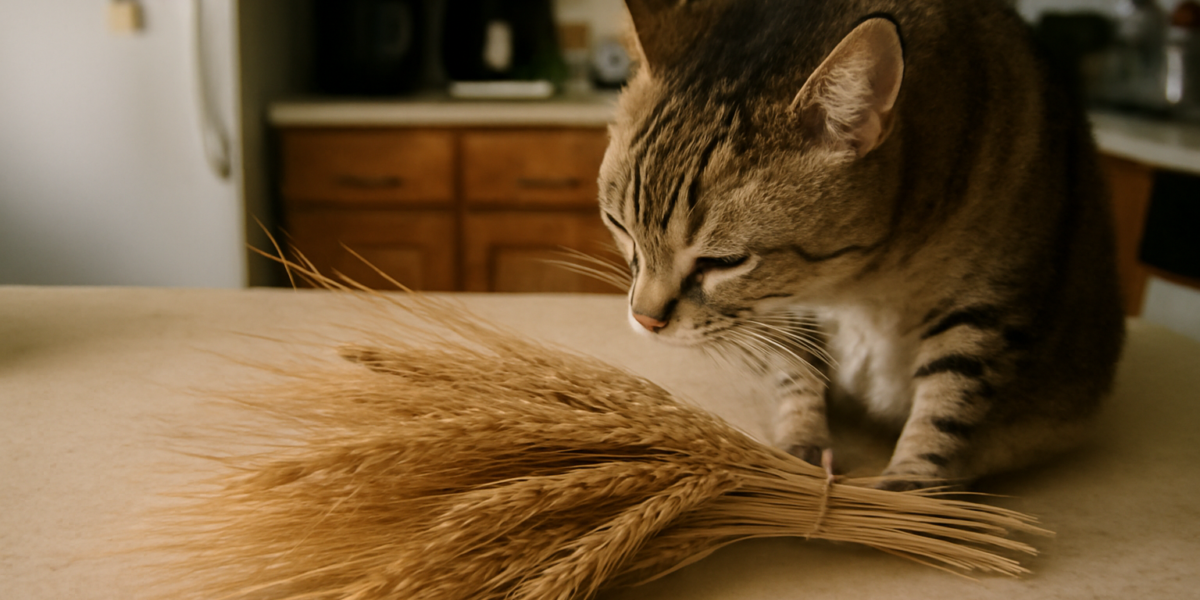
Can Cats Eat Barley?
When it comes to feeding your feline friend, you might wonder, can cats eat barley? The short answer is yes, cats can eat barley in moderation. However, there are many nuances to consider regarding its safety and nutritional benefits for your cat. Understanding how barley fits into your cat’s diet can help ensure their health and happiness.
In this article
Is Barley Safe for Cats?
Barley is generally safe for cats to consume, but it should not be a staple in their diet. Cats are obligate carnivores, meaning their primary nutritional needs are met through meat. While barley is not toxic, it should be offered in small amounts and as an occasional treat. Before introducing barley or any new food, consult with your veterinarian to ensure it fits with your cat’s dietary needs.
Nutritional Benefits
Barley is rich in fiber, which can aid your cat’s digestion and help maintain a healthy weight. It also contains essential vitamins and minerals such as selenium, copper, and manganese. These nutrients can support your cat’s overall health, but it’s important to remember that they should primarily obtain their nutrients from animal sources. Barley can be an excellent supplement to your cat’s diet but should not replace their regular high-protein meals.
Risks and Side Effects
While barley is not harmful to cats, introducing it too quickly or in large quantities can lead to digestive upset, such as vomiting or diarrhea. Some cats may also have an allergy to grains, including barley, which can cause skin irritations or gastrointestinal issues. Always monitor your cat’s reaction when trying out new foods, and discontinue feeding barley if any adverse symptoms arise.
How to Serve Barley to Your Cat
If you decide to include barley in your cat’s diet, preparation is key. Cook the barley thoroughly to make it easier for your cat to digest. Avoid adding any seasonings, oils, or additives that could be harmful to your pet. Serve the cooked barley plain and in small amounts mixed with their regular food. This method ensures that your cat gets the benefits without the risks of overconsumption.
How Much Is Safe?
Portion control is crucial when feeding barley to your cat. A teaspoon of cooked barley once or twice a week is usually sufficient. This small amount allows your cat to enjoy the benefits without overloading their system with fiber, which could cause digestive issues. Always tailor the portion size to your cat’s size, age, and health status, and consult with your veterinarian for personalized advice.
Signs of an Adverse Reaction
Watch for signs of an adverse reaction whenever introducing new foods to your cat’s diet. Symptoms to watch out for include vomiting, diarrhea, changes in appetite, excessive scratching, or lethargy. If you observe any of these signs, stop feeding barley immediately and consult your veterinarian. Understanding your cat’s food sensitivities is essential for maintaining their well-being.
Frequently Asked Questions
Can cats eat barley every day?
No, cats should not eat barley every day. While it is safe in small amounts, overfeeding can lead to nutritional imbalances. It is best to offer barley as an occasional treat rather than a daily component of their diet.
Is barley better than rice for cats?
Both barley and rice can be safe for cats in moderation, but they serve different purposes. Barley offers more fiber, while rice is often used to soothe digestive issues. It depends on your cat’s specific needs and preferences. Learn more about grain choices in our Can Cats Eat Rice? guide.
What should I do if my cat ate too much barley?
If your cat consumes too much barley, monitor them for any signs of digestive distress such as vomiting or diarrhea. Ensure they have access to plenty of water and consult your veterinarian if symptoms persist. Excessive consumption can cause discomfort, so it’s essential to regulate their intake.
Are there any grains that cats should avoid?
While many grains are safe in moderation, some cats may have allergies or sensitivities. It’s important to introduce any new grain slowly and observe for any adverse reactions. For more information about safe grains for cats, check out our Can Cats Eat Quinoa? article.


