
Last updated: April 9, 2026
In this article
Can Cats Eat Quinoa? Safety Guide for Cat Owners
Quinoa has become a popular superfood in human diets, praised for its complete protein profile, fiber content, and versatility. As health-conscious cat owners seek to share wholesome foods with their pets, many wonder whether quinoa is a safe option for their feline companions. While quinoa is not toxic to cats, the answer to whether they should eat it requires a deeper understanding of feline nutrition. This guide provides everything you need to know about feeding quinoa to your cat safely and sensibly.
Quick Answer
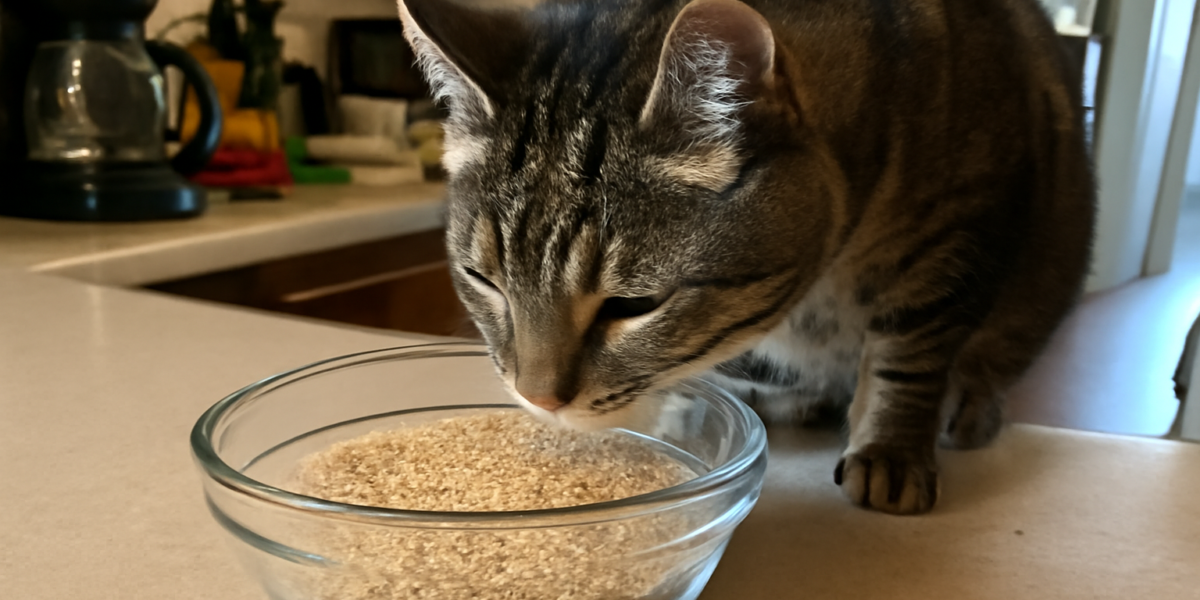
Cats can eat small amounts of cooked, plain quinoa without significant risk. Quinoa is not toxic to cats and is not listed as a dangerous food by the ASPCA or other animal health organizations. In fact, some commercial cat food brands include quinoa as a minor ingredient in their formulations.
However, cats are obligate carnivores with no biological requirement for grains, pseudocereals, or plant-based proteins. Quinoa offers no essential nutrients that a cat cannot obtain more efficiently from animal-based foods. If you choose to offer quinoa, it should be thoroughly cooked, completely plain, and served only as an occasional small addition rather than a regular dietary component. Most cats will show little interest in quinoa on its own, as their palates are oriented toward meat-based flavors.
Nutritional Considerations for Cats
To understand why quinoa is nutritionally redundant for cats, it helps to review the basics of feline dietary biology. Cats are obligate carnivores, a classification that means their bodies require specific nutrients found primarily or exclusively in animal tissue. These include taurine, arachidonic acid, preformed vitamin A, and high levels of bioavailable protein with a specific amino acid profile.
Quinoa is technically a pseudocereal, meaning it is a seed that is prepared and eaten like a grain. For humans, it is celebrated for several nutritional attributes:
- Complete protein: Quinoa contains all nine essential amino acids, which is unusual for a plant-based food. However, the protein in quinoa is less bioavailable to cats than animal protein. Cats are designed to extract amino acids from meat, and their bodies process plant proteins less efficiently.
- Fiber: Quinoa is relatively high in fiber. While a small amount of fiber can support digestive regularity in cats, excessive fiber from plant sources can cause bloating, gas, and diarrhea. Cats need far less fiber than humans.
- Carbohydrates: Quinoa is a carbohydrate-rich food. Cats have limited amylase production and a shorter digestive tract compared to omnivores, which means they are less equipped to break down and utilize carbohydrates efficiently. Excess carbohydrates can contribute to weight gain and metabolic issues.
- Minerals: Quinoa contains iron, magnesium, phosphorus, and manganese. While these minerals are important for cats, they obtain adequate amounts from a balanced commercial cat food formulated to meet their needs.
- Saponins: Quinoa’s outer coating contains saponins, naturally occurring compounds that have a bitter taste and can cause gastrointestinal irritation. Thorough rinsing and cooking significantly reduces saponin content, but trace amounts may remain.
In practical terms, quinoa provides nothing that a well-formulated cat diet does not already supply. The nutrients in quinoa that are beneficial for humans are either unnecessary for cats, present in forms cats cannot efficiently use, or already adequately provided by quality cat food.
Benefits and Risks
Potential benefits:
- Non-toxic: Unlike many human foods, quinoa does not contain compounds that are acutely toxic to cats. This makes it one of the safer plant-based foods to share in small amounts.
- Supplemental protein: While not as bioavailable as animal protein, the amino acid profile of quinoa is more complete than most plant foods. Some commercial cat foods include quinoa as a supplementary protein source alongside primary animal proteins.
- Digestive fiber: A very small amount of quinoa may provide gentle fiber that could help with mild constipation in some cats, though veterinarian-recommended fiber supplements are a more reliable option.
- Gluten-free: For the rare cat with a confirmed grain sensitivity, quinoa is naturally gluten-free and may be better tolerated than wheat or corn-based foods.
Risks:
- Gastrointestinal upset: Even cooked quinoa can cause vomiting, diarrhea, gas, and stomach discomfort in cats, particularly if introduced too quickly or fed in excessive amounts. Cats’ digestive systems are not optimized for processing plant-based foods.
- Saponin irritation: If quinoa is not rinsed and cooked properly, residual saponins can irritate a cat’s digestive tract, causing nausea and diarrhea.
- Caloric displacement: Filling a cat up on quinoa means they consume fewer calories from nutritionally appropriate animal-based foods. Over time, this could contribute to nutritional imbalances.
- Seasonings and additives: Quinoa prepared for human consumption often includes salt, butter, oil, garlic, onions, and spices that are harmful or toxic to cats. Only plain, unseasoned quinoa should ever be considered.
- Weight gain: The carbohydrate content in quinoa adds calories without providing the nutrients cats need most. For indoor or less active cats, even small additional calorie sources can contribute to obesity over time.
- Choking or texture issues: Some cats may not chew quinoa seeds adequately, and the small, round shape could theoretically pose a mild choking concern for cats that gulp food quickly.
How to Serve Safely
If you want to let your cat try quinoa, preparation is key to minimizing any risk of adverse effects.
- Rinse thoroughly: Before cooking, rinse the quinoa under running water for at least two minutes using a fine-mesh strainer. This removes the saponin coating, which can cause bitterness and digestive irritation.
- Cook completely: Cook the quinoa in plain water according to package directions until it is fully soft and fluffy. Never offer raw or undercooked quinoa to a cat, as it is difficult to digest and the saponin content will be higher.
- Keep it plain: Do not add salt, butter, oil, garlic, onion, broth, spices, or any other seasoning. Your cat’s portion must be completely unflavored.
- Cool to room temperature: Allow the cooked quinoa to cool completely before offering it to your cat. Hot food can burn their mouth and esophagus.
- Start with a tiny amount: Offer no more than half a teaspoon of cooked quinoa the first time. Wait 24 hours and monitor for any digestive upset before considering offering more.
- Mix with regular food: If your cat tolerates quinoa, you can mix a small amount into their regular wet food. Many cats will not eat plain quinoa on its own but may accept it when combined with a protein they enjoy.
Portion guidelines: For an average adult cat, no more than one teaspoon of cooked plain quinoa once or twice per week is appropriate. This should be treated as an occasional addition, not a regular dietary component. Quinoa and all other treats combined should account for no more than 10 percent of your cat’s total daily caloric intake.
Signs of Problems
Monitor your cat for the following signs after feeding quinoa, especially during the first introduction.
- Vomiting or retching
- Diarrhea or loose stools
- Excessive gas or abdominal bloating
- Decreased appetite or refusal to eat regular food
- Lethargy or reduced activity
- Straining in the litter box
- Abdominal discomfort, indicated by a hunched posture or sensitivity when touched
Most adverse reactions to quinoa in cats will be mild and self-limiting, typically resolving within 24 hours once the quinoa has passed through the digestive system. If your cat experiences vomiting or diarrhea, withhold quinoa permanently and ensure they have access to fresh water to prevent dehydration.
If symptoms are severe, persistent beyond 24 hours, or if your cat shows signs of dehydration such as sunken eyes, dry gums, or skin tenting, contact your veterinarian. While quinoa is unlikely to cause a serious medical emergency, prolonged digestive upset warrants professional evaluation to rule out other underlying causes.
Healthy Alternatives
Rather than quinoa, consider these cat-appropriate foods that align better with your feline’s carnivorous dietary requirements.
- Cooked plain chicken: A lean, highly digestible protein that virtually all cats enjoy. Serve boneless, skinless, and unseasoned.
- Cooked duck: A flavorful novel protein option that is well-suited to a cat’s carnivorous nature. Read our complete guide on feeding duck to cats for preparation tips.
- Cooked salmon or whitefish: Plain cooked fish provides protein and beneficial omega-3 fatty acids in small portions.
- Cooked egg: Scrambled or hard-boiled without seasoning, eggs are a protein-rich treat most cats appreciate.
- High-quality commercial cat treats: Look for treats with meat as the first ingredient and minimal fillers. These are formulated to be both safe and nutritionally suitable for cats.
- Freeze-dried raw treats: Single-ingredient freeze-dried chicken, turkey, or fish treats offer pure animal protein in a convenient form.
If you are looking for a feline companion to share your life with, consider adopting a rescue cat. Visit our adoption page to meet cats who are ready for loving homes.
Frequently Asked Questions
Is quinoa used in commercial cat food?
Yes, some premium and holistic cat food brands include quinoa as a minor ingredient in their formulations. In these products, quinoa is used as a supplementary carbohydrate and protein source alongside primary animal proteins. The quinoa in commercial cat food is properly processed and included in carefully calculated amounts as part of a nutritionally complete formula. This is different from adding cooked quinoa to your cat’s bowl at home, where the overall nutritional balance may be disrupted.
Can cats eat raw quinoa?
No, cats should never eat raw quinoa. Uncooked quinoa is hard, difficult to digest, and coated with saponins that can cause significant gastrointestinal irritation, including nausea, vomiting, and diarrhea. Raw quinoa could also pose a choking risk. Always rinse quinoa thoroughly and cook it completely before offering any to your cat.
Is quinoa better than rice for cats?
Neither quinoa nor rice is necessary for cats, but both can be tolerated in small amounts when cooked plain. Quinoa has a more complete amino acid profile and higher protein content than white rice, while plain cooked white rice is often recommended by veterinarians as a bland food to help settle a cat’s upset stomach temporarily. For digestive issues, follow your veterinarian’s specific recommendations rather than making substitutions on your own.
Can kittens eat quinoa?
It is best to avoid feeding quinoa to kittens. Young cats have specific and demanding nutritional requirements for growth, brain development, and immune system maturation. Their diet should consist exclusively of high-quality kitten food formulated to meet these needs. Introducing unnecessary plant-based foods like quinoa can displace essential nutrients and may cause digestive upset in their sensitive developing systems.
How much quinoa is too much for a cat?
Any amount beyond one teaspoon of cooked, plain quinoa per serving is likely excessive for a cat. Even this small amount should only be offered once or twice per week at most. If quinoa or any treats begin to make up more than 10 percent of your cat’s daily calories, you risk creating nutritional imbalances. Cats who eat too much quinoa may experience digestive upset, weight gain, or reduced interest in their nutritionally complete regular food.
My cat ate flavored quinoa with garlic. Should I be worried?
Yes, contact your veterinarian immediately. Garlic is toxic to cats and can cause oxidative damage to red blood cells, leading to a condition called Heinz body anemia. Symptoms may not appear for several days and can include lethargy, pale gums, rapid breathing, weakness, dark-colored urine, and loss of appetite. Even small amounts of garlic are considered dangerous for cats, so any exposure warrants professional veterinary assessment, regardless of how much was consumed.
While quinoa is not harmful in tiny amounts, your cat’s nutritional needs are best met by a diet built on quality animal proteins. For more information about what cats can and cannot eat, explore our guide on whether cats can eat ice cream. And if you are ready to welcome a cat into your family, browse the wonderful rescue animals available through our adoption program.


