
Last updated: June 13, 2026
In this article
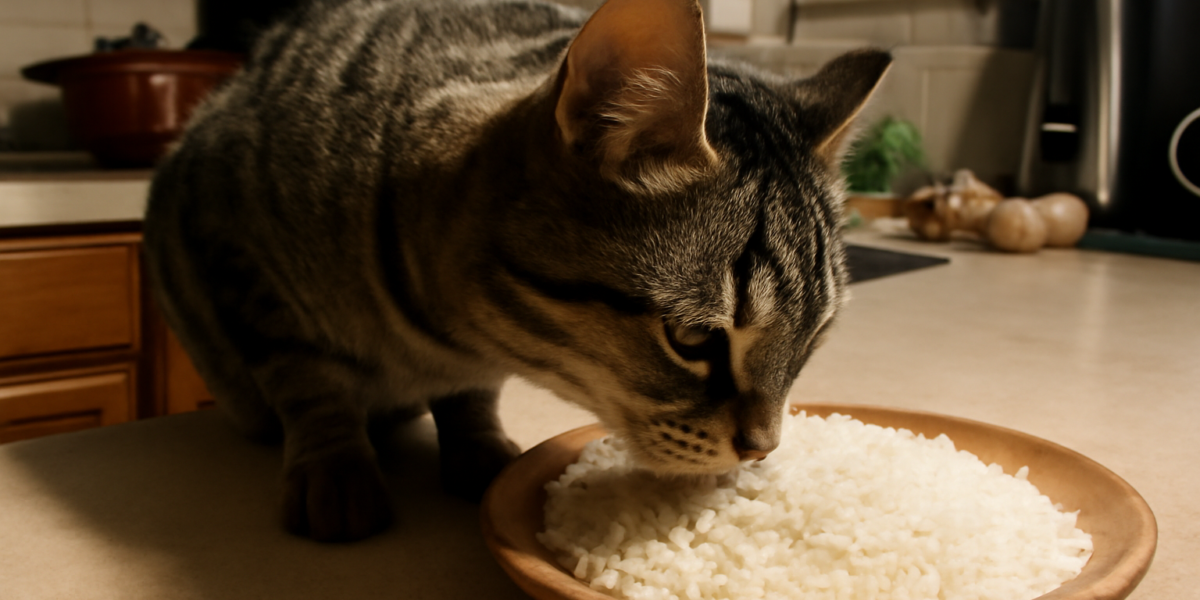
If you have ever caught your cat sniffing around your dinner plate, you may have wondered whether sharing a bite of rice is safe. Rice is one of the most commonly consumed grains worldwide, and it shows up in many commercial cat foods as a filler ingredient. But just because it appears on an ingredient label does not mean it should be a staple in your cat’s bowl. Understanding how rice fits — or doesn’t fit — into feline nutrition will help you make the best choices for your pet’s health.
Quick Answer: Yes, cats can eat small amounts of plain, fully cooked rice. It is non-toxic and sometimes recommended by veterinarians to help settle mild digestive upset. However, rice offers minimal nutritional benefit for cats because they are obligate carnivores whose bodies are designed to thrive on animal protein.
Is Rice Safe for Cats?
Plain, cooked white or brown rice is generally safe for cats. It is non-toxic and does not contain compounds that are inherently harmful to felines. In fact, many veterinarians suggest a bland diet of boiled chicken and white rice when a cat is experiencing mild diarrhea or an upset stomach.
However, uncooked rice is a different story. Raw rice grains are difficult for cats to digest, can swell inside the stomach, and may contain a natural pesticide called lectin that can cause gastrointestinal distress. Always ensure rice is thoroughly cooked before offering it to your cat, and never serve it with seasonings, butter, garlic, onion, or sauces — all of which can be toxic or harmful to cats.
It is also worth noting that some cats may have grain sensitivities. If your cat has never eaten rice before, introduce it very gradually and watch for any signs of digestive discomfort.
Nutritional Profile of Rice
A quarter-cup serving of cooked white rice contains approximately 51 calories, 11 grams of carbohydrates, 1 gram of protein, and negligible fat. Brown rice offers slightly more fiber (about 0.9 grams per quarter cup) along with small amounts of B vitamins, manganese, and magnesium.
For humans, rice is a valuable source of energy. For cats, the picture is quite different. As obligate carnivores, cats derive their essential nutrients — including taurine, arachidonic acid, and preformed vitamin A — from animal tissue. Their digestive systems are optimized for breaking down protein and fat, not carbohydrates. While cats can metabolize some carbohydrates, they lack the salivary enzyme amylase that helps herbivores and omnivores begin starch digestion in the mouth.
In short, rice can provide a temporary source of bland energy, but it does not supply the amino acids, fatty acids, or vitamins that cats need to stay healthy long-term.
Potential Benefits of Rice for Cats
While rice is not nutritionally essential for cats, it can be useful in specific situations:
- Digestive support: Plain white rice is easy on the stomach and can help firm up loose stools during mild bouts of diarrhea. The binding quality of starch can slow intestinal transit time.
- Bland diet component: Veterinarians sometimes recommend a temporary bland diet of boiled chicken and white rice to help a cat recover from a gastrointestinal episode.
- Energy source: For underweight cats who need additional calories, a small amount of rice mixed with protein-rich food can provide quick energy.
- Fiber from brown rice: The additional fiber in brown rice may support healthy digestion in cats prone to constipation, though high-fiber cat foods are usually a better choice.
These benefits are situational. Rice should be seen as a short-term dietary tool, not a permanent addition to your cat’s meals.
Risks and Side Effects of Feeding Rice to Cats
Despite its safety in small amounts, rice carries some risks when fed inappropriately:
- Nutritional imbalance: Feeding too much rice can displace protein-rich food in your cat’s diet, leading to deficiencies in essential amino acids like taurine, which is critical for heart function and vision.
- Weight gain: Rice is calorie-dense relative to its nutritional value for cats. Regular portions can contribute to obesity, especially in indoor cats with lower activity levels.
- Blood sugar concerns: White rice has a high glycemic index. Cats with diabetes or insulin resistance should avoid it, as it can cause rapid spikes in blood glucose.
- Gastrointestinal upset: Ironically, while rice can soothe some digestive issues, too much can cause bloating, gas, or constipation in cats unaccustomed to grains.
- Arsenic traces: Rice can absorb arsenic from soil and water during cultivation. While the levels are generally low, long-term regular feeding could result in cumulative exposure.
How to Feed Rice to Your Cat Safely
If you decide to offer your cat rice, follow these guidelines to minimize risk:
- Kittens: Avoid feeding rice to kittens. Their rapid growth demands nutrient-dense, protein-rich food, and rice provides none of the essential nutrients they need during development.
- Adult cats (6–10 lbs): No more than 1 tablespoon of cooked, plain rice mixed into their regular food, offered no more than once or twice per week.
- Large cats (over 10 lbs): Up to 2 tablespoons of cooked, plain rice, again limited to once or twice weekly at most.
Always cook the rice thoroughly in plain water — no salt, no butter, no seasonings. Let it cool to room temperature before serving. Mix it into your cat’s regular wet food rather than offering it as a standalone meal. Rice should never make up more than 10 percent of your cat’s daily caloric intake.
Signs Your Cat Is Having a Bad Reaction to Rice
Most cats tolerate small amounts of rice without any problems. However, watch for these warning signs after introducing rice to your cat’s diet:
- Vomiting or repeated gagging
- Diarrhea or unusually loose stools
- Excessive gas or visible abdominal bloating
- Loss of appetite or refusal to eat regular food
- Lethargy or unusual behavior
If any of these symptoms persist for more than 24 hours, discontinue rice and consult your veterinarian. While rice is unlikely to cause a serious medical emergency, prolonged digestive distress should always be evaluated by a professional.
Healthier Alternatives to Rice for Cats
If you want to supplement your cat’s diet with whole foods, there are better options than rice that align with their carnivorous biology:
- Cooked chicken: Plain, boneless, skinless chicken breast is an excellent source of lean protein and closely matches a cat’s natural dietary needs.
- Cooked salmon: Rich in omega-3 fatty acids, salmon supports skin, coat, and joint health. Serve it cooked and boneless.
- Cooked turkey: Another lean protein that most cats enjoy. Avoid deli turkey, which contains excessive sodium and preservatives.
- Pumpkin puree: Plain, canned pumpkin (not pie filling) is a better source of fiber for digestive support and is lower in carbohydrates than rice.
- Blueberries: A small, antioxidant-rich treat that some cats enjoy. Offer only one or two at a time.
Frequently Asked Questions
Can cats eat brown rice?
Yes, cats can eat small amounts of cooked brown rice. Brown rice contains more fiber than white rice, which may benefit cats with mild constipation. However, the higher fiber content also makes it slightly harder to digest, so introduce it gradually and in very small quantities.
Can cats eat rice every day?
No, cats should not eat rice daily. Regular rice consumption can displace essential animal-based nutrients from your cat’s diet and contribute to weight gain. Limit rice to an occasional treat or a short-term bland diet recommended by your vet — no more than once or twice a week.
Is rice better than other grains for cats?
Rice is generally considered one of the more digestible grains for cats, which is why it appears in many commercial cat food formulas. It is less likely to cause allergic reactions than wheat or corn. However, no grain is nutritionally necessary for cats, and grain-free diets built on quality animal protein are perfectly appropriate for most felines.
Can I feed my cat rice if she has diarrhea?
A small amount of plain cooked white rice mixed with boiled chicken is a common veterinarian-recommended bland diet for cats with mild diarrhea. The starch in rice can help firm up stools. However, if diarrhea persists beyond 24–48 hours, or if you notice blood in the stool, contact your veterinarian immediately rather than continuing home treatment.
What happens if my cat eats uncooked rice?
A few grains of uncooked rice are unlikely to cause a medical emergency, but they can be difficult to digest and may cause stomach discomfort, bloating, or mild vomiting. Raw rice can also expand in the stomach when it absorbs water. If your cat consumes a large amount of uncooked rice, monitor closely for signs of gastrointestinal distress and contact your vet if symptoms develop.
Should I add rice to homemade cat food?
If you prepare homemade cat food, a very small amount of rice can serve as a carbohydrate source, but it should represent no more than 5–10 percent of the recipe. The bulk of any homemade cat food should be high-quality animal protein supplemented with taurine and other essential nutrients. Always work with a veterinary nutritionist when formulating homemade diets to avoid dangerous deficiencies.
Thinking about welcoming a feline friend into your home? Visit our adoption page to find cats looking for their forever families. Every cat deserves a home where they are fed well and loved even better.
For the full picture, see our complete guide to the human foods cats can eat safely.
Not sure what to keep away from your cat? See our complete list of foods toxic to cats.


