
Last updated: April 9, 2026
In this article
Can Cats Eat Hemp Seeds? Safety Guide and Tips
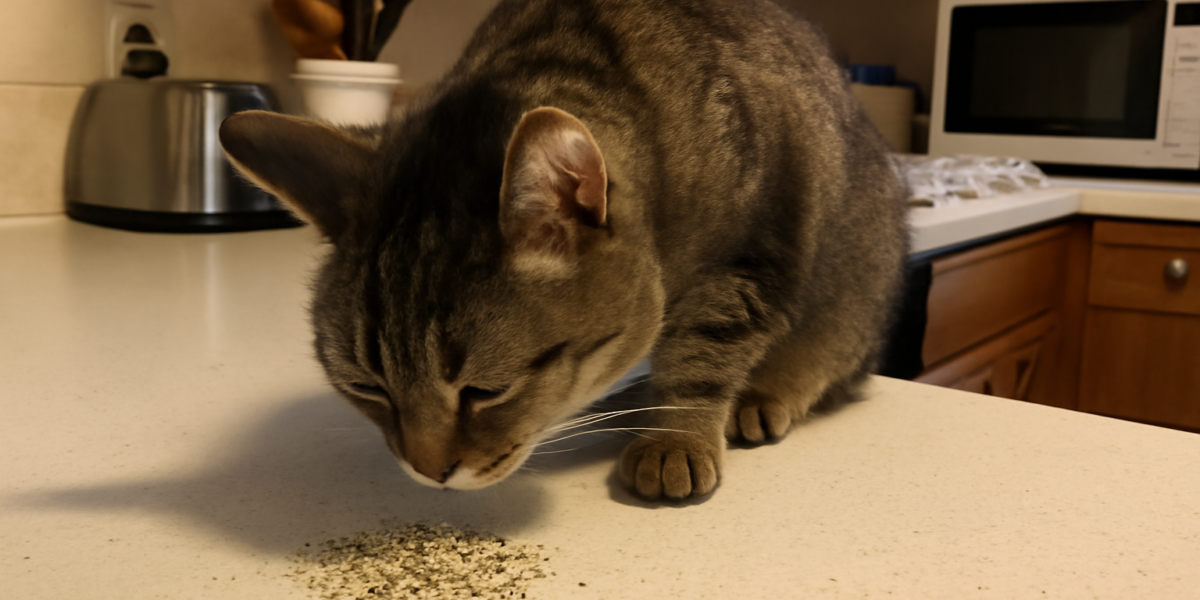
Hemp seeds have become a popular superfood in the human health world, prized for their exceptional nutritional profile and balanced fatty acid content. If you sprinkle hemp seeds on your smoothie bowls, salads, or yogurt, you might wonder whether your cat could benefit from these tiny nutritional powerhouses as well.
The answer is generally positive — hemp seeds are non-toxic to cats and may offer some supplementary nutritional benefits when used appropriately. Importantly, hemp seeds (also called hemp hearts) come from the Cannabis sativa plant but contain negligible amounts of THC, the psychoactive compound found in marijuana. They will not get your cat “high” or cause any cannabis-related effects. However, as with all plant-based foods, there are important considerations for obligate carnivores like cats.
Quick Answer: Can Cats Eat Hemp Seeds?
Yes, cats can safely eat small amounts of hemp seeds. Hemp hearts (shelled hemp seeds) are the best form to offer, as the outer shell has been removed, making them easier to digest. Hemp seeds are notable for their balanced ratio of omega-6 to omega-3 fatty acids, complete plant-based protein, and various minerals — all of which can modestly complement a cat’s regular diet.
It is worth emphasizing that hemp seeds should be viewed as an occasional supplement, not a dietary staple. Cats are obligate carnivores whose primary nutritional needs must be met through animal-based protein sources. Plant-based protein, even from a “complete” source like hemp, does not provide taurine and has a different amino acid balance than what cats optimally require.
A small sprinkle of hemp hearts — about a quarter to half a teaspoon — mixed into your cat’s regular food a few times per week is a reasonable approach. Always introduce hemp seeds gradually and watch for any digestive changes. Cats with known food sensitivities, allergies, or chronic health conditions should only receive hemp seeds with veterinary approval.
Nutritional Profile of Hemp Seeds
Hemp seeds pack an impressive nutritional punch for their small size. A one-tablespoon serving of shelled hemp seeds (hemp hearts) contains approximately:
- Calories: About 55-60 calories per tablespoon, though cats should receive far less than a full tablespoon.
- Protein: Approximately 3-4 grams of complete plant-based protein containing all essential amino acids, though in different proportions than animal protein.
- Fat: About 4-5 grams, with an excellent omega-6 to omega-3 ratio of roughly 3:1.
- Omega-6 fatty acids (linoleic acid): Significant amounts that support skin and coat health.
- Omega-3 fatty acids (alpha-linolenic acid): Present in meaningful amounts, supporting anti-inflammatory processes.
- GLA (gamma-linolenic acid): A relatively rare omega-6 fatty acid with anti-inflammatory properties.
- Magnesium: A good source, supporting muscle and nerve function.
- Phosphorus: Present in moderate amounts, supporting bone health.
- Iron: Contains iron that supports red blood cell production.
- Zinc: Important for immune function and skin health.
While hemp seeds offer an impressive range of nutrients, cats process plant-based nutrients differently than humans. The alpha-linolenic acid (ALA) in hemp seeds is a plant-based omega-3 that cats have limited ability to convert to the more biologically active EPA and DHA forms. For this reason, hemp seed oil is not as effective as fish oil for providing omega-3 benefits to cats. Still, the overall fatty acid profile may offer some supportive benefits.
Benefits and Risks of Hemp Seeds for Cats
Benefits
- Balanced fatty acid profile: The near-ideal ratio of omega-6 to omega-3 fatty acids in hemp seeds may support skin health, coat quality, and general anti-inflammatory processes, complementing the animal-based fats in your cat’s regular diet.
- GLA content: Gamma-linolenic acid is relatively uncommon in the diet and has been associated with anti-inflammatory benefits that may help cats with skin conditions or mild joint discomfort.
- Mineral supplementation: The magnesium, zinc, and iron in hemp seeds can provide modest supplementary mineral support alongside a complete cat food.
- Digestibility: Hemp hearts (shelled seeds) are soft and easily digestible compared to many other seeds and nuts, reducing the risk of gastrointestinal irritation.
- No THC concerns: Commercially available food-grade hemp seeds contain negligible THC (well below 0.3%), posing no psychoactive risk to cats.
- Fiber content: A small amount of fiber from hemp seeds may support digestive regularity without the excessive carbohydrate load of many plant foods.
Risks
- High calorie and fat density: Despite their small size, hemp seeds are calorie-dense due to their high fat content. Regular or excessive consumption can contribute to weight gain in cats who already receive adequate calories from their regular food.
- Digestive upset: Introducing hemp seeds too quickly or in too large a quantity can cause diarrhea, gas, or stomach discomfort. Cats’ digestive systems are designed for meat, not seeds.
- Incomplete amino acid profile for cats: While hemp protein contains all essential amino acids, it does not provide taurine, which cats absolutely must obtain from their diet. Relying on hemp seeds as a protein source would be nutritionally inadequate.
- Potential allergic reactions: Though uncommon, some cats may develop sensitivities to hemp seed protein, manifesting as skin irritation, itching, or gastrointestinal symptoms.
- Phosphorus content: Cats with kidney disease need to limit phosphorus intake. The phosphorus in hemp seeds could be problematic for cats with renal issues.
- Choking risk from whole seeds: Unshelled hemp seeds with the hard outer hull may pose a choking risk or be difficult for cats to chew and digest. Always use shelled hemp hearts.
How to Serve Hemp Seeds Safely to Your Cat
If you want to introduce hemp seeds to your cat’s diet, proper preparation and portioning are essential. Use only shelled hemp seeds (hemp hearts), as the outer hull is tough and difficult for cats to digest. Choose plain, unflavored hemp hearts with no added salt, seasoning, or coatings.
Start with just a few seeds — about a quarter teaspoon — mixed into your cat’s regular wet food. This allows you to observe how your cat’s digestive system responds. If there are no adverse effects after 2-3 days, you can gradually increase to about half a teaspoon per serving.
For an average adult cat, half a teaspoon of hemp hearts sprinkled over wet food two to three times per week is an appropriate serving. You can gently crush or grind the seeds to make them easier to eat and mix into food, though hemp hearts are already quite soft. Some cats may enjoy the slight nutty crunch, while others may prefer them ground.
Hemp seed oil is another option — a few drops (about a quarter teaspoon) added to food can provide similar fatty acid benefits without the fiber and protein components. Store hemp seeds and hemp oil in the refrigerator after opening, as the high unsaturated fat content makes them prone to rancidity. Discard any products that smell off or have been stored beyond their shelf life.
Signs of Problems After Eating Hemp Seeds
Hemp seeds are generally well-tolerated, but watch for these potential signs of a problem:
- Diarrhea or loose stools, especially when first introduced
- Gas or bloating
- Vomiting or nausea
- Loss of appetite following consumption
- Itchy skin, excessive scratching, or hair loss (possible allergic reaction)
- Lethargy or general malaise
If your cat experiences digestive upset after eating hemp seeds, discontinue them and return to your cat’s regular diet. Mild symptoms should resolve within 24-48 hours. If symptoms are severe or persistent, consult your veterinarian.
Be aware of the source and quality of your hemp seeds. Poorly sourced hemp products may contain contaminants, pesticides, or mold. Purchase from reputable brands that provide third-party testing and quality assurance. If your cat shows any unusual symptoms after consuming hemp products, bring the packaging to your veterinarian to help identify the cause.
Healthy Alternatives to Hemp Seeds
If hemp seeds are not available or your cat does not tolerate them, consider these alternatives for supplementary fatty acids and nutrition:
- Fish oil supplements: Veterinary-formulated fish oil provides omega-3 fatty acids (EPA and DHA) in forms cats can readily utilize, making it more effective than plant-based sources for anti-inflammatory and skin benefits.
- Cooked salmon: A small piece of plain cooked salmon provides omega-3 fatty acids along with high-quality animal protein that cats are designed to thrive on.
- Flaxseed oil (small amounts): Like hemp oil, flaxseed oil provides plant-based omega-3s, though cats have limited ability to convert ALA to EPA and DHA.
- Cooked egg: Eggs provide protein, healthy fats, and various vitamins in a highly digestible, animal-based form that is well-suited to feline nutrition.
- Commercial omega supplements for cats: Purpose-made supplements ensure proper dosing and provide fatty acids in the most bioavailable forms for felines.
- Sardines in water: A small portion of canned sardines packed in water (no salt added) is an excellent source of omega-3s and protein that most cats find irresistible.
Searching for a feline friend to share healthy meals with? Visit our adoption page at Walk Me Home Rescue to find your perfect companion.
Frequently Asked Questions
Will hemp seeds make my cat high?
No. Food-grade hemp seeds contain negligible amounts of THC — typically well below 0.3%, which is the legal limit. This trace amount has no psychoactive effect on cats or any other animal. Hemp seeds are completely different from marijuana in their chemical composition and will not produce any intoxicating effects.
Can I give my cat hemp seed oil instead of whole seeds?
Yes, hemp seed oil is another way to provide the fatty acid benefits. Use a few drops (about a quarter teaspoon) mixed into your cat’s wet food. Hemp seed oil provides the omega fatty acids without the fiber and protein, making it easier to digest for some cats. Store it in the refrigerator and use within the recommended timeframe, as it can go rancid.
Are hemp seeds better than fish oil for cats?
For most purposes, fish oil is more beneficial for cats. Fish oil contains EPA and DHA — the omega-3 fatty acids in their most bioavailable forms for cats. Hemp seeds contain ALA, which cats have limited ability to convert to EPA and DHA. If your primary goal is omega-3 supplementation, fish oil is the superior choice. Hemp seeds do offer other nutrients like GLA and minerals that fish oil does not.
How many hemp seeds can my cat eat per day?
An appropriate serving for an average adult cat is about half a teaspoon of shelled hemp hearts, offered two to three times per week rather than daily. This small amount provides some supplementary nutrition without adding excessive calories. For daily use, reduce the portion to a quarter teaspoon and ensure your cat’s total caloric intake remains appropriate.
Can kittens eat hemp seeds?
It is best to wait until a cat is fully grown (around 12 months) before introducing hemp seeds. Kittens have specific nutritional requirements for growth that are best met through kitten-formulated food. Their smaller size and more sensitive digestive systems make them more susceptible to issues from novel foods. Consult your veterinarian before offering any supplements to kittens.
Is CBD oil the same as hemp seed oil for cats?
No, these are very different products. Hemp seed oil is pressed from hemp seeds and contains fatty acids, minerals, and protein but virtually no CBD or THC. CBD oil is extracted from the flowers and leaves of the hemp plant and contains cannabidiol (CBD) as its active compound. While some pet owners use CBD products under veterinary guidance, it is a distinct substance from hemp seed oil and should not be confused or used interchangeably.
Hemp seeds can be a modest nutritional supplement for cats when used appropriately and in small amounts. Their balanced fatty acid profile and mineral content make them one of the more justifiable plant-based additions to a feline diet. For more information on cat nutrition, explore our guides on olive oil and buckwheat. Ready to welcome a cat into your life? Visit our adoption page at Walk Me Home Rescue.


