
Last updated: April 10, 2026
In this article
Can Cats Eat Buckwheat? Safety Guide and Tips
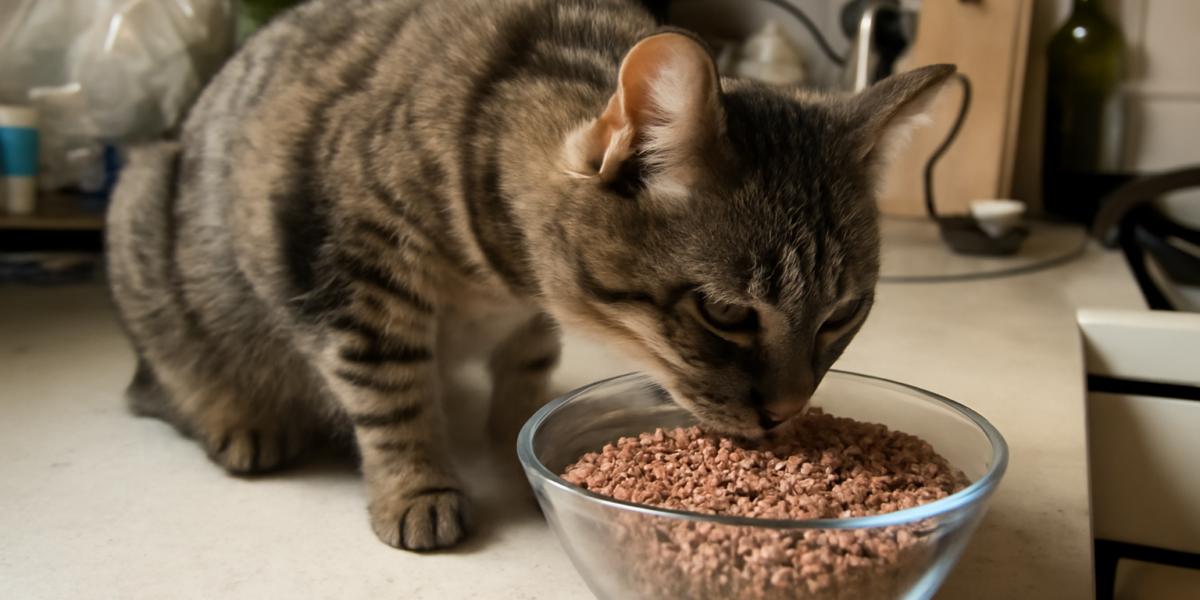
Buckwheat has gained popularity as a nutritious, gluten-free grain alternative in the human diet, appearing in everything from porridge and pancakes to soba noodles and salads. Despite its name, buckwheat is not related to wheat at all — it is actually a seed from a plant related to rhubarb and sorrel. If your cat has shown interest in your buckwheat dish, you may be curious about its safety for felines.
Buckwheat is not toxic to cats, and a small amount of cooked buckwheat is unlikely to cause harm. However, the fact that it is safe for human consumption and trendy in health-food circles does not mean it is beneficial for your cat. As obligate carnivores, cats are designed to thrive on animal-based protein, and plant-based foods like buckwheat play no essential role in their nutrition. Understanding the details will help you decide whether and how to share this food with your feline companion.
Quick Answer: Can Cats Eat Buckwheat?
Yes, a small amount of cooked, plain buckwheat is safe for cats to eat. It is not classified as toxic, and the gluten-free nature of buckwheat means it avoids the gluten sensitivity concerns associated with wheat-based grains. Some commercial cat foods actually include buckwheat as an ingredient, particularly in grain-free or limited-ingredient formulations.
However, buckwheat is primarily a source of carbohydrates and plant-based protein, neither of which cats can efficiently utilize. Cats have limited amylase production and shorter digestive tracts designed for rapid processing of animal tissue, not plant seeds. The nutritional benefits of buckwheat that appeal to humans — high fiber, B vitamins, mineral content — are largely inaccessible or unnecessary for cats.
If you choose to offer buckwheat, it must be thoroughly cooked and served plain with no butter, salt, honey, milk, or other additions. Raw buckwheat groats are too hard for cats to chew safely and could pose a choking hazard. A teaspoon of cooked buckwheat mixed into your cat’s regular food as an occasional addition is the maximum recommended amount.
Nutritional Profile of Buckwheat
Cooked buckwheat groats provide a moderate nutrient profile for humans. A half-cup serving of cooked buckwheat contains approximately:
- Calories: About 77 calories per half cup cooked.
- Carbohydrates: Roughly 17 grams, making carbs the dominant macronutrient.
- Protein: Approximately 3 grams of plant-based protein with a relatively complete amino acid profile for a plant food, though still lacking in taurine.
- Fat: About 0.5 grams.
- Fiber: Around 2-3 grams, supporting digestive health in humans.
- Magnesium: A good source, involved in hundreds of enzymatic reactions.
- Manganese: Present in significant amounts, supporting bone health and metabolism.
- Copper: Contains copper important for red blood cell formation.
- B vitamins: Including niacin and vitamin B6.
- Rutin: A flavonoid antioxidant found in buckwheat that may support cardiovascular health in humans.
For cats, the high carbohydrate content is the primary concern. While the minerals and B vitamins in buckwheat are genuinely nutritious, cats obtain these nutrients more efficiently from animal tissue. The plant protein in buckwheat, while relatively complete by plant standards, does not contain taurine — an amino acid critical for feline heart and eye health that cats can only get from animal sources.
Benefits and Risks of Buckwheat for Cats
Benefits
- Gluten-free: Unlike wheat, barley, and rye, buckwheat contains no gluten. This makes it a safer grain alternative for cats that may have gluten sensitivities, and it is why some premium cat food brands use it.
- Non-toxic: Buckwheat contains no compounds known to be poisonous to cats, making accidental consumption a non-emergency event.
- Moderate fiber content: A small amount of fiber from buckwheat may provide mild digestive support, though cats typically get adequate fiber from their regular food and do not need plant-based supplementation.
- Used in commercial cat food: The inclusion of buckwheat in some quality cat food formulations suggests it is recognized as safe when used appropriately as a minor ingredient.
- Lower glycemic index: Compared to many grains, buckwheat has a lower glycemic index, meaning it causes a slower, more moderate blood sugar response — a minor advantage over higher-glycemic carbohydrate sources.
Risks
- High carbohydrate content: Buckwheat is predominantly carbohydrates, which cats have limited ability to metabolize efficiently. Excess carbs contribute to weight gain and can exacerbate insulin resistance in cats predisposed to diabetes.
- Digestive upset: The fiber content and novel plant proteins in buckwheat can cause gas, bloating, diarrhea, or vomiting in cats, especially when introduced suddenly or in excessive amounts.
- Nutritional displacement: Filling up on buckwheat means less room for the animal-based foods cats actually need. Even a small amount displaces potential calories from more nutritionally appropriate sources.
- Choking hazard from raw groats: Uncooked buckwheat groats are small, hard, and can pose a choking risk or be difficult for cats to digest if swallowed.
- Potential for allergic reaction: Though uncommon, individual cats may develop sensitivity to buckwheat proteins, manifesting as skin irritation or digestive symptoms.
- Preparation additives: Buckwheat dishes frequently include butter, milk, honey, salt, or other ingredients that are problematic for cats. Only plain cooked buckwheat is safe.
How to Serve Buckwheat Safely to Your Cat
If you decide to offer your cat a taste of buckwheat, the preparation must be simple and plain. Cook buckwheat groats in water according to package directions — typically simmering for 10-15 minutes until tender. Do not add butter, salt, sugar, honey, milk, or any other ingredients.
Allow the cooked buckwheat to cool completely to room temperature. Offer about one teaspoon of cooked buckwheat mixed into your cat’s regular wet food. This is enough for your cat to experience the taste and texture without consuming a significant amount of carbohydrates.
This should be an occasional offering — no more than once a week at most. There is no nutritional reason to make buckwheat a regular part of your cat’s diet. If your cat shows no interest (which is common — most cats prefer meat-based flavors), do not force it.
Cats with diabetes, obesity, or sensitive digestive systems should avoid buckwheat entirely. For healthy cats, if any digestive upset occurs after the first introduction, do not offer buckwheat again. Always ensure your cat’s primary diet is a complete, balanced cat food that meets all their nutritional requirements as obligate carnivores.
Signs of Problems After Eating Buckwheat
While a small amount of cooked buckwheat is unlikely to cause serious issues, monitor for:
- Vomiting or retching
- Diarrhea or loose stools
- Gas, bloating, or visible abdominal discomfort
- Loss of appetite for regular food
- Lethargy following consumption
- Any signs of allergic reaction (itching, skin redness, swelling)
Symptoms from a small portion of cooked buckwheat should be mild and self-limiting, typically resolving within 24 hours. Ensure your cat has access to fresh water and returns to their regular feeding schedule. If symptoms are severe or persist beyond 24-48 hours, contact your veterinarian.
If your cat consumed raw, uncooked buckwheat groats, the hard texture could potentially cause mild oral discomfort or gastrointestinal irritation. Monitor for any signs of choking, difficulty swallowing, or persistent digestive upset.
Healthy Alternatives to Buckwheat
Rather than offering plant-based grains, consider these cat-appropriate alternatives:
- Cooked chicken: Plain, unseasoned chicken breast is the ideal cat treat — high in the animal protein cats are designed to eat.
- Cooked fish: A small piece of plain baked salmon, cod, or halibut provides species-appropriate nutrition with omega-3 benefits.
- Pumpkin puree: If you are looking for plant-based digestive support, a tiny amount of plain canned pumpkin is a better choice than grains for cats.
- Cooked egg: A small amount of scrambled or boiled egg provides animal-based protein and fat that cats can efficiently utilize.
- Commercial cat treats: Purpose-formulated treats provide appropriate nutrition in controlled portions.
- Freeze-dried meat: Chicken, turkey, or fish in freeze-dried form offers protein-rich, shelf-stable treats cats love.
Want to adopt a new feline family member? Visit our adoption page at Walk Me Home Rescue to find cats ready for their forever homes.
Frequently Asked Questions
Is buckwheat better than rice for cats?
Buckwheat and rice are both non-toxic to cats and occasionally used in commercial cat foods. Buckwheat has a slight advantage in protein content and lower glycemic index, while rice (especially white rice) is generally easier to digest and is sometimes recommended by veterinarians for cats with upset stomachs. Neither is necessary in a cat’s diet, and both should be offered only in very small amounts if at all.
Can cats eat buckwheat flour or buckwheat noodles?
Plain buckwheat flour and plain cooked buckwheat noodles (soba) are not toxic to cats, but they offer the same carbohydrate concerns as whole buckwheat groats. Soba noodles often also contain wheat flour and salt. If offering noodles, ensure they are plain, cooked, and cut into very small pieces to prevent choking. A tiny amount is unlikely to cause harm but provides no nutritional benefit.
Is buckwheat found in commercial cat foods?
Yes, some premium and grain-free cat food brands include buckwheat as a carbohydrate source. In these formulations, buckwheat is used in controlled proportions alongside animal protein and other ingredients to create a balanced diet. The amount of buckwheat in commercial cat food is carefully calibrated and far less than what a cat might consume from a human dish.
Can kittens eat buckwheat?
It is best to avoid giving buckwheat to kittens. Their nutritional needs are very specific and focused on growth, requiring high levels of animal protein, fat, and essential nutrients like taurine and calcium. Kittens should eat only kitten-formulated food until they are at least 12 months old. Plant-based carbohydrates like buckwheat take up valuable dietary space without providing the nutrients kittens need.
How is buckwheat different from wheat for cats?
Despite the name, buckwheat is not a grain and is botanically unrelated to wheat. It is a pseudocereal — a seed that is used like a grain. The key difference for cats is that buckwheat is naturally gluten-free, while wheat contains gluten that some cats may be sensitive to. Both are high in carbohydrates and neither is necessary in a cat’s diet, but buckwheat may be better tolerated by cats with wheat or gluten sensitivities.
Can buckwheat help with my cat’s digestion?
There is no evidence that buckwheat provides special digestive benefits for cats. The fiber content may have a very mild regulatory effect, but cats are better served by species-appropriate sources of dietary fiber, such as small amounts of pumpkin puree or a high-fiber cat food recommended by your veterinarian. If your cat has ongoing digestive issues, a vet visit is more appropriate than dietary experimentation with plant foods.
Buckwheat is safe but unnecessary for cats — a food that will not harm them but will not help them either. For more grain and food safety information, explore our guides on farro and cornbread. If you are looking to adopt a feline friend, visit our adoption page at Walk Me Home Rescue.


