
Last updated: April 9, 2026
In this article
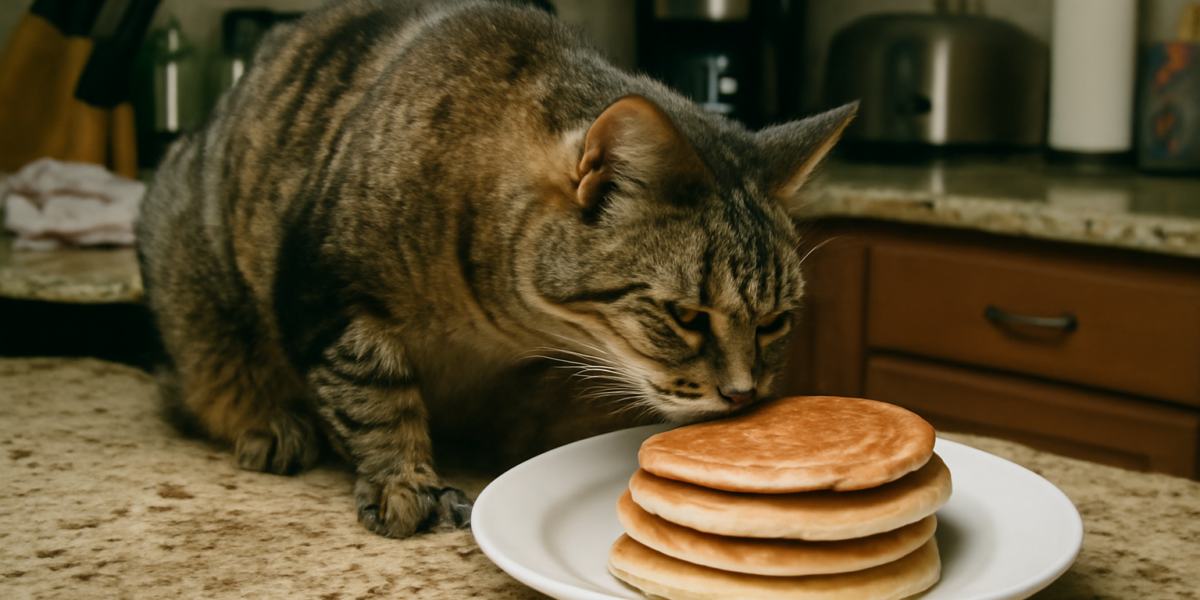
Weekend mornings often mean pancakes, and if you share your home with a cat, you have probably noticed your feline companion taking a keen interest in the warm, buttery stack on your plate. Pancakes look harmless enough — they are just flour, eggs, milk, and a bit of sugar, right? While none of those individual ingredients are acutely toxic to cats in small amounts, pancakes as a whole are not suited to the feline digestive system. Understanding why requires a closer look at what cats actually need from their food and how pancakes fail to deliver it.
Quick Answer: Cats should not eat pancakes as a regular treat. A tiny bite of plain pancake without syrup, butter, or toppings is unlikely to harm a healthy cat, but pancakes are high in carbohydrates and low in the animal protein that cats require. Syrup, chocolate chips, and artificial sweeteners can be genuinely dangerous.
Are Pancakes Safe for Cats?
Plain pancakes made from basic ingredients — flour, eggs, milk, baking powder, and a small amount of sugar — are not toxic to cats. However, they are also not appropriate or beneficial. Cats are obligate carnivores that derive their energy primarily from protein and fat, not carbohydrates. A pancake is essentially a disc of refined carbohydrates that provides no meaningful nutrition for a cat.
The safety concern escalates significantly when toppings and additions are involved. Maple syrup adds a large dose of sugar. Butter contributes extra fat and lactose. Chocolate chips contain theobromine, which is toxic to cats. Blueberry or banana pancakes introduce additional sugars. Some sugar-free syrups contain xylitol, which can cause liver failure and hypoglycemia in animals. Whipped cream adds lactose, which most adult cats cannot digest.
The base pancake itself is low-risk in very small quantities, but the dish as typically served to humans is a collection of ingredients that cats should avoid.
Nutritional Profile of Pancakes for Cats
A single medium-sized plain pancake (about 6 inches in diameter) contains approximately 175 calories, 5 grams of fat, 22 grams of carbohydrates, 5 grams of protein, and 5 grams of sugar. With butter and syrup, those numbers climb to roughly 300 calories, 10 grams of fat, and 20 or more grams of sugar.
- Carbohydrates: Make up the majority of a pancake’s calories. Cats have limited amylase production and a short digestive tract, making them inefficient at processing starches. These carbohydrates convert to fat when consumed by cats.
- Protein: The small amount present comes from eggs and milk — reasonable protein sources, but the ratio of carbs to protein is far too high for feline nutrition.
- Sugar: Even the sugar in the batter itself exceeds what a cat’s metabolism can handle efficiently. Added syrup compounds the problem dramatically.
- Fat: The butter and oil used in cooking pancakes add saturated fat that contributes to weight gain and can trigger pancreatitis in susceptible cats.
- Dairy: Milk and butter contain lactose. Most adult cats are lactose intolerant and will experience digestive discomfort from dairy consumption.
Benefits of Pancakes for Cats
Pancakes offer essentially no nutritional benefit to cats. The eggs in the batter do contain some beneficial protein and fatty acids, but the amount present in a bite-sized piece of pancake is negligible compared to the carbohydrate load that accompanies it.
Some cat owners use tiny pancake pieces to disguise medication, and in that specific use case, the small amount of pancake serves as a practical tool rather than a nutritional one. If you do use a tiny bit of plain pancake to administer medicine, this is a legitimate use, though commercial pill pockets designed for cats are a better option.
Risks and Side Effects of Pancakes for Cats
The risks of feeding pancakes to cats range from mild discomfort to serious medical emergencies depending on the quantity and ingredients involved.
Digestive upset: The most common reaction. The combination of refined flour, dairy, and sugar often causes vomiting, diarrhea, gas, or bloating in cats.
Lactose intolerance symptoms: The milk and butter in pancakes can trigger cramping, loose stools, and gas in lactose-intolerant cats, which includes the vast majority of adult felines.
Blood sugar impact: The simple carbohydrates and sugar in pancakes cause rapid blood glucose spikes. For cats with diabetes or prediabetic conditions, this can be medically significant.
Weight gain: Regular consumption of high-carbohydrate, high-calorie foods like pancakes promotes obesity. Feline obesity is associated with diabetes, joint disease, hepatic lipidosis, and shortened lifespan.
Pancreatitis risk: Pancakes cooked in butter or oil and served with additional butter carry enough fat to trigger pancreatitis in sensitive cats.
Topping toxicity: Chocolate chips (theobromine toxicity), xylitol in sugar-free syrup (liver failure), raisins (kidney failure), and macadamia nuts (neurological toxicity) all present specific, serious dangers.
How to Handle It If Your Cat Eats Pancakes
If your cat steals a small piece of plain pancake off your plate, the situation is generally low-risk. Provide fresh water and watch for any digestive upset over the next 12 to 24 hours.
If your cat ate pancakes with toppings, identify exactly what was on them. For standard maple syrup and butter, the main concern is digestive discomfort and excess sugar and fat. For chocolate chips, raisins, or sugar-free syrup, contact your veterinarian immediately as these are genuine toxicity risks.
- Kittens: Should not eat pancakes at all. Their developing digestive systems are sensitive, and the sugar and dairy content can cause disproportionate problems.
- Adult cats (6–10 lbs): A bite-sized piece of plain pancake without toppings is not an emergency but should not become a habit. Maximum: a piece the size of your thumbnail, very rarely.
- Large cats (over 10 lbs): Same guidelines as adult cats. Larger size does not make pancakes more appropriate — the nutritional mismatch remains the same.
Signs of Problems After Eating Pancakes
Watch for these symptoms if your cat eats pancakes, especially if toppings were involved:
- Vomiting or retching
- Diarrhea or very soft stools
- Gas, bloating, or abdominal discomfort
- Lethargy or decreased activity
- Loss of appetite for the next regular meal
- Increased thirst
- Restlessness or agitation (if caffeine-containing chocolate was present)
- Tremors or rapid heart rate (chocolate or caffeine toxicity)
Most symptoms from plain pancake ingestion resolve within 24 hours. If symptoms persist beyond that or worsen, consult your veterinarian.
Healthy Alternatives to Pancakes for Cats
If you want to include your cat in your breakfast routine, here are some cat-appropriate options:
- A small piece of plain scrambled egg: Cooked without butter, salt, or oil, eggs are an excellent source of animal protein for cats. See can cats eat eggs.
- A small piece of cooked chicken or turkey: Plain, unseasoned poultry is one of the best treats you can offer your cat.
- Freeze-dried meat treats: Convenient, mess-free, and formulated specifically for cats.
- A tiny portion of plain cooked bison: Lean and protein-rich. Read our guide on can cats eat bison.
- Commercial cat treats: Designed to be both tasty and safe, these are always a smarter choice than human food.
Considering adding a new cat to your family? Browse our adoption page to meet cats in need of forever homes.
Frequently Asked Questions
Can cats eat pancakes with maple syrup?
No. Pure maple syrup is essentially concentrated sugar, and even a small amount significantly exceeds what a cat’s body can process efficiently. Sugar-free syrup is even more dangerous because it may contain xylitol, an artificial sweetener that can cause liver failure and hypoglycemia in animals. Always keep syrup away from your cat.
Are protein pancakes safer for cats?
Protein pancakes made with protein powder still contain flour, sugar, and often dairy, making them no more appropriate for cats than regular pancakes. Additionally, some protein powders contain artificial sweeteners (including xylitol), cocoa, or other additives that can be harmful to cats. The protein in these pancakes is formulated for human nutritional needs, not feline ones.
My cat ate pancake batter — is that dangerous?
Raw pancake batter contains raw eggs, which carry a small risk of Salmonella. More importantly, if the batter was sitting out and has begun to ferment, the fermentation process produces small amounts of ethanol. If your cat consumed more than a lick or two, contact your veterinarian. For very small amounts, monitor for digestive upset and ensure your cat has access to fresh water.
Can cats eat crepes instead of pancakes?
Crepes are essentially thin pancakes made from the same basic ingredients — flour, eggs, milk, and butter. They carry the same nutritional drawbacks for cats: high carbohydrates, dairy, and minimal protein. The thinner format does not make them more suitable. Crepes are also often filled with chocolate, cream, or fruit sauces that add additional problematic ingredients.
How much plain pancake can a cat safely eat?
If you absolutely must share, a piece no larger than your thumbnail, with no butter, syrup, or toppings, given very rarely (no more than once a month) is unlikely to cause problems in a healthy adult cat. However, there is genuinely no good reason to feed your cat pancakes at all, and there are many better treat options available that actually align with their dietary needs.
Will pancakes make my cat sick?
A small piece of plain pancake may not make a healthy adult cat visibly sick, but it can cause subtle digestive discomfort. Larger quantities or pancakes with toppings are more likely to cause vomiting, diarrhea, and other symptoms. Cats with sensitive stomachs, diabetes, or pancreatitis history are more susceptible to adverse reactions from any amount of pancake.


