
Last updated: April 8, 2026
In this article
Can Cats Eat Maple Syrup? Safety Guide for Cat Owners
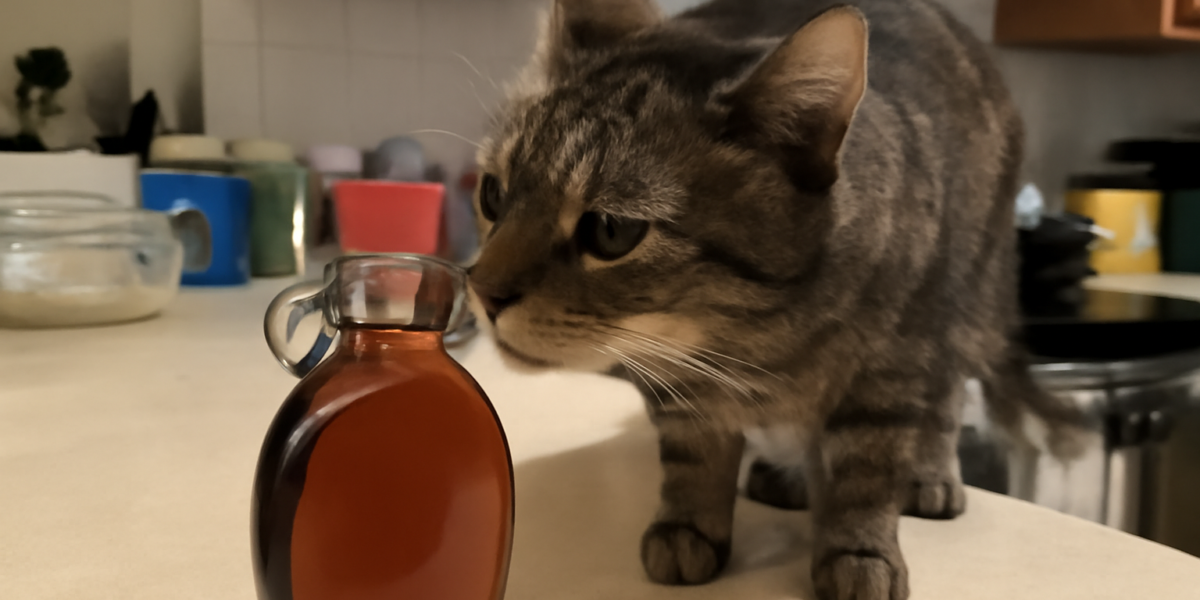
Maple syrup is a beloved natural sweetener enjoyed on pancakes, waffles, oatmeal, and in countless recipes. If your cat has ever sniffed at your breakfast plate or lapped up a stray drip of syrup from the counter, you may have wondered whether maple syrup is something cats can safely consume. The answer involves understanding both the nature of maple syrup and the unique biology of felines.
As obligate carnivores, cats have evolved to thrive on a diet of animal protein and fat. Their metabolic pathways, enzyme production, and digestive systems are all geared toward processing meat. Sugary plant-derived products like maple syrup fall completely outside their dietary framework, and understanding why helps explain why maple syrup is not appropriate for cats.
Quick Answer: Can Cats Eat Maple Syrup?
No, cats should not eat maple syrup. While pure maple syrup is not acutely toxic to cats, it provides absolutely no nutritional value for them and consists almost entirely of sugar, which cats neither need nor benefit from. A tiny lick of maple syrup from a plate is not a veterinary emergency, but maple syrup should never be intentionally offered to cats as a treat or food additive.
One of the most interesting aspects of feline biology is that cats lack functional sweet taste receptors. The gene responsible for detecting sweetness, Tas1r2, is non-functional in domestic cats and all other known felids. This means your cat literally cannot taste the sweetness that makes maple syrup appealing to humans. Any interest a cat shows in maple syrup is likely driven by the fat on the plate, the warmth of the food, or simple curiosity rather than the sweet flavor itself.
Nutritional Considerations for Cats
Maple syrup is composed primarily of sucrose, a disaccharide sugar, along with water and trace amounts of minerals. One tablespoon of pure maple syrup contains approximately 52 calories, 13 grams of sugar, and negligible amounts of protein and fat. It does contain small quantities of manganese, riboflavin, zinc, magnesium, calcium, and potassium, but these amounts are too small to be nutritionally meaningful, especially for a cat.
The sugar composition of maple syrup is the fundamental problem. Cats have a limited ability to metabolize carbohydrates compared to omnivores like humans and dogs. While cats can process some glucose, their metabolic pathways are optimized for gluconeogenesis, the process of creating glucose from amino acids derived from protein. Their bodies are not designed to handle a sudden influx of concentrated sugar from a source like maple syrup.
Cats also produce lower levels of amylase, the enzyme that initiates carbohydrate digestion, and they have reduced activity of other carbohydrate-processing enzymes in their intestines. This means that sugar from maple syrup is processed less efficiently and can contribute to blood sugar fluctuations, digestive disruption, and other metabolic stress.
It is also critical to distinguish between pure maple syrup and imitation maple syrup or pancake syrup. Imitation syrups are typically made from high-fructose corn syrup, artificial flavors, and various additives. These products are even less suitable for cats than pure maple syrup, as they may contain artificial ingredients, preservatives, or other compounds that could cause additional harm.
Benefits and Risks of Feeding Maple Syrup to Cats
There are no benefits to feeding maple syrup to cats. None. The trace minerals present in maple syrup are available in proper proportions in any quality commercial cat food, and the sugar that comprises the vast majority of maple syrup’s calories is something cats have no dietary need for and cannot even taste.
The risks, while generally not life-threatening from a small accidental exposure, are worth understanding:
- Digestive upset: The concentrated sugar in maple syrup can cause gastrointestinal disturbance in cats, including diarrhea, vomiting, stomach cramps, and gas. Cats simply are not equipped to handle a sugar load of this nature.
- Obesity and weight gain: Maple syrup is calorie-dense, with roughly 52 calories per tablespoon. For a cat needing only 200 to 300 calories per day, even a small amount of maple syrup represents a disproportionate caloric addition with no nutritional benefit. Regular consumption would contribute to weight gain and obesity.
- Diabetes risk: Cats are susceptible to Type 2 diabetes, and diets high in carbohydrates and sugar are a contributing factor. While a single exposure to maple syrup is unlikely to cause diabetes, repeated sugar consumption can contribute to insulin resistance over time, especially in cats that are already overweight or predisposed.
- Dental problems: Sugar promotes bacterial growth in the mouth and can contribute to dental decay and gum disease. Dental health is already a significant concern for cats, with a majority developing some form of dental disease by age three.
- Sticky consistency hazards: Maple syrup’s sticky texture can coat a cat’s mouth and teeth uncomfortably, and if it gets on fur, it can be difficult to clean and may lead to skin irritation or matting.
- Blood sugar spikes: The rapid absorption of concentrated sugar can cause blood sugar fluctuations that are stressful for a cat’s pancreas, particularly in cats with existing metabolic conditions.
How to Keep Your Cat Safe Around Maple Syrup
Since maple syrup should not be given to cats intentionally, the focus is on preventing accidental consumption:
- Store maple syrup in closed cabinets. Keep the bottle sealed and in a location your cat cannot access. Even a toppled bottle with a loose cap can create a sticky mess that your cat might investigate.
- Clean up spills immediately. Maple syrup drips on counters, tables, or floors should be wiped up promptly before your cat has a chance to lick them.
- Do not leave plates with syrup unattended. Breakfast plates with pooled syrup are an easy target for curious cats. Clear dishes promptly after eating.
- Keep your cat away from the kitchen during meal prep. If you are using maple syrup in cooking or baking, ensure your cat is not underfoot where it could encounter drips or spills.
- Check ingredient labels. Maple syrup appears in many processed foods, baked goods, sauces, and marinades. Be aware of what foods in your kitchen contain maple syrup and keep them away from your cat.
If your cat does lick up a small amount of maple syrup from a plate or counter, there is generally no need for alarm. Monitor for digestive upset over the following hours, but a tiny amount is unlikely to cause significant problems in a healthy adult cat.
Signs of Problems After Consuming Maple Syrup
If your cat has consumed maple syrup, especially in a larger quantity, watch for these symptoms:
- Diarrhea, which is the most common reaction to sugar ingestion in cats
- Vomiting or nausea
- Excessive gas or abdominal bloating
- Loss of appetite or refusal to eat regular food
- Increased thirst or urination, which may indicate blood sugar disruption
- Lethargy or decreased energy
- Sticky residue on fur or paws that the cat cannot groom away effectively
If your cat consumed imitation maple syrup or pancake syrup, the concern level is somewhat higher due to the potential presence of artificial additives, preservatives, and high-fructose corn syrup. Contact your veterinarian if your cat consumed a significant amount of any syrup product or if symptoms persist beyond 24 hours.
For cats with pre-existing diabetes, even a small amount of maple syrup could cause a problematic blood sugar spike. If your diabetic cat consumed maple syrup, contact your veterinarian immediately for guidance on monitoring and potential insulin adjustment.
Healthy Alternatives to Maple Syrup for Cats
If you are looking for ways to make your cat’s food more appealing or to offer special treats, here are options that actually align with feline nutritional needs:
- Warm chicken broth: Homemade, unseasoned chicken broth with no onion or garlic can be drizzled over dry food to add moisture and flavor. This serves as a much better “topping” than anything sweet.
- Plain cooked chicken or turkey: Shredded unseasoned poultry is a high-value treat that cats love and can actually benefit from. Check out our guide on whether cats can eat canned chicken for more details.
- Wet cat food as a topper: If your cat eats primarily dry food, adding a spoonful of quality wet food can make meals more exciting without any of the risks associated with human foods.
- Freeze-dried meat treats: These come in varieties like chicken, salmon, turkey, and shrimp, offering concentrated flavor and protein with minimal processing.
- Commercial cat treats: Choose treats formulated specifically for cats with real meat as the primary ingredient.
Remember that cats do not have sweet taste receptors, so the appeal of sweetness is a purely human concern. Your cat is far more interested in the savory, meaty flavors that match their carnivorous instincts. If you are considering adopting a cat, keeping these dietary principles in mind from the start will help you build healthy feeding habits that last a lifetime.
Frequently Asked Questions
Is maple syrup toxic to cats?
Pure maple syrup is not considered toxic to cats. It will not cause poisoning in the way that certain foods like chocolate, grapes, or onions can. However, being non-toxic does not make it safe or appropriate. The high sugar content can cause digestive upset, contribute to weight gain, and increase the risk of diabetes over time. It should not be offered to cats intentionally.
Can cats taste sweet things like maple syrup?
No, cats cannot taste sweetness. They lack functional sweet taste receptors due to a mutation in the Tas1r2 gene, which is shared across all known feline species. This means the primary appeal of maple syrup, its sweetness, is completely undetectable to your cat. If your cat shows interest in maple syrup, it is likely attracted to the fat on the plate, the temperature of the food, or general curiosity about what you are eating.
My cat licked maple syrup off my plate. What should I do?
If your cat licked a small amount of maple syrup, there is no need to panic. A tiny lick is unlikely to cause any significant health issues in a healthy adult cat. Simply remove the plate, clean any remaining syrup from surfaces your cat can reach, and monitor for mild digestive symptoms like soft stools or an upset stomach over the next day. If symptoms appear and persist, contact your veterinarian.
Is artificial maple syrup worse than real maple syrup for cats?
Yes, artificial or imitation maple syrup is generally worse for cats than pure maple syrup. Imitation products typically contain high-fructose corn syrup, artificial flavors, caramel color, and various preservatives. These additional chemicals and highly processed sugars introduce risks beyond those of pure maple syrup. If your cat accidentally consumes imitation maple syrup, monitor more closely and contact your vet if you have concerns.
Can maple syrup help a cat with low blood sugar?
In a veterinary emergency involving severe hypoglycemia, a very small amount of sugar solution may sometimes be applied to a cat’s gums as a temporary measure while seeking immediate veterinary care. However, this should only be done under direct veterinary guidance, and maple syrup is not the recommended sugar source for this purpose. Corn syrup or sugar water is typically preferred. Never attempt to treat suspected hypoglycemia at home without consulting your veterinarian first, as the underlying cause needs professional evaluation.
Can diabetic cats have any maple syrup at all?
Absolutely not. Diabetic cats must have their blood sugar carefully managed through diet, insulin therapy, and veterinary oversight. Maple syrup, being almost entirely sugar, could cause a dangerous blood sugar spike in a diabetic cat. Even a small amount could disrupt blood glucose control and potentially lead to a medical emergency. Keep all sugary foods, including maple syrup, completely away from diabetic cats.


