
Last updated: April 9, 2026
In this article
- Are Waffles Safe for Cats? A General Overview
- Nutritional Profile of Waffles and Why It Matters
- Potential Benefits of Waffles for Cats
- Risks and Side Effects of Feeding Waffles to Cats
- How to Feed Waffles to Cats Safely
- Signs Your Cat Is Having a Bad Reaction
- Healthier Alternatives to Waffles for Cats
- Frequently Asked Questions
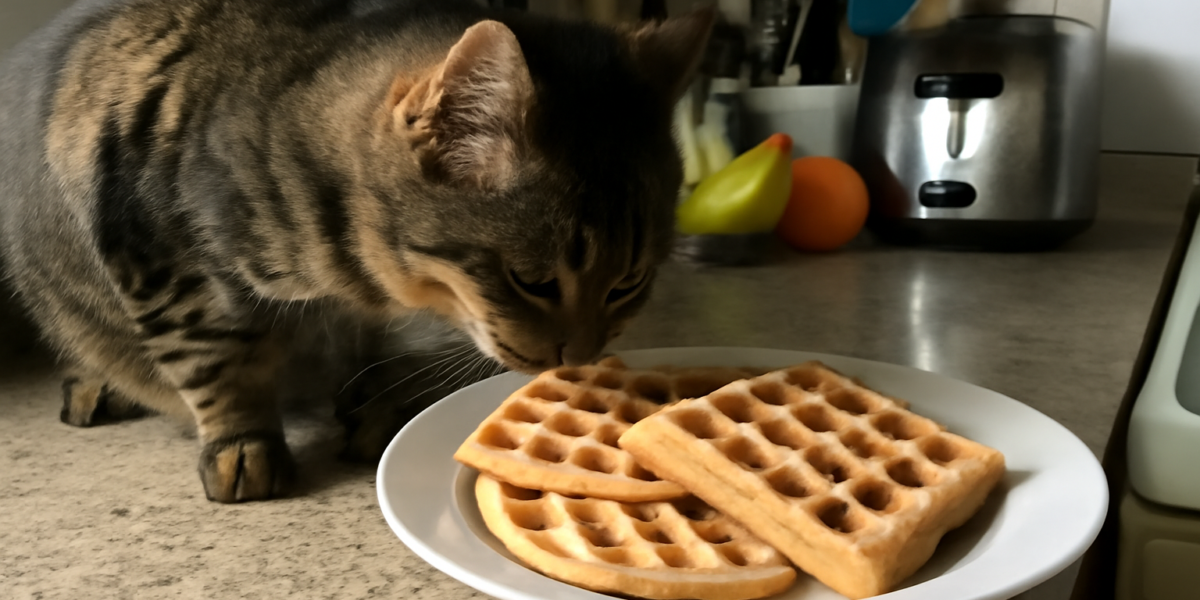
If you have ever sat down to a warm plate of waffles only to notice your cat staring intently at your breakfast, you are not alone. Many cat owners wonder whether sharing a small bite of waffle with their feline companion is safe. While waffles are not outright poisonous to cats, they are far from an ideal treat. Cats are obligate carnivores, meaning their bodies are designed to thrive on animal-based protein rather than carbohydrate-heavy foods like waffles. Before you tear off a corner for your kitty, it is important to understand exactly what waffles contain and how those ingredients affect feline health.
Quick Answer: Cats can technically eat a tiny piece of plain waffle without immediate danger, but waffles offer zero nutritional benefit and contain sugar, butter, and refined flour that can contribute to obesity and digestive upset over time. It is best to skip waffles entirely and offer a species-appropriate treat instead.
Are Waffles Safe for Cats? A General Overview
Plain waffles — made from flour, eggs, milk, butter, sugar, and baking powder — do not contain any single ingredient that is acutely toxic to cats. However, “not toxic” is a very different standard from “healthy” or “recommended.” Every major ingredient in a waffle is something a cat’s digestive system handles poorly compared to animal protein and fat.
The biggest concern is that waffles are calorie-dense, carbohydrate-heavy, and nutritionally empty from a feline perspective. A single standard waffle contains roughly 220 calories. For a 10-pound cat that needs about 200–250 calories per day, even a quarter of a waffle represents a significant portion of their daily intake with none of the essential amino acids, taurine, or arachidonic acid that cats require.
If a waffle is topped with syrup, whipped cream, chocolate, or fruit compote, the risks increase considerably. Chocolate is toxic to cats, xylitol (an artificial sweetener sometimes found in sugar-free syrups) can be fatal, and excessive sugar and dairy can cause gastrointestinal distress.
Nutritional Profile of Waffles and Why It Matters
A typical homemade waffle contains approximately 25 grams of carbohydrates, 10 grams of fat, 6 grams of protein, and 8 grams of sugar. While the small amount of protein from eggs might seem beneficial, the overall macronutrient profile is dramatically misaligned with feline nutritional needs.
Cats have a limited ability to process carbohydrates. Their bodies produce far less amylase — the enzyme responsible for breaking down starches — than omnivores or herbivores. When cats consume large amounts of carbohydrates, the excess is stored as fat, contributing to obesity. Feline obesity is linked to diabetes, joint disease, and a shortened lifespan.
Furthermore, waffles contain virtually no taurine, an essential amino acid that cats cannot synthesize on their own. Taurine deficiency leads to serious conditions including dilated cardiomyopathy, retinal degeneration, and reproductive problems. This is why cats must eat meat-based diets, and why plant-based or grain-heavy human foods should never replace proper cat food.
Potential Benefits of Waffles for Cats
Honestly, there are very few benefits to feeding your cat waffles. The only scenarios where a tiny piece might serve a purpose include:
Medication delivery: If your cat refuses to take a pill and you have exhausted all other options, a tiny piece of soft, plain waffle can sometimes be molded around a tablet. However, pill pockets designed for cats or a small piece of deli meat are far better choices.
Bonding moment: Some owners feel that sharing food strengthens their bond with their pet. While the sentiment is understandable, there are many cat-safe treats that accomplish the same goal without the nutritional downsides.
Beyond these edge cases, waffles provide nothing that a balanced cat diet does not already deliver in a more bioavailable form.
Risks and Side Effects of Feeding Waffles to Cats
The risks of feeding waffles to cats range from mild digestive upset to more serious long-term health consequences.
Digestive upset: The combination of butter, milk, and refined flour can cause gas, bloating, diarrhea, or vomiting in many cats. Adult cats are frequently lactose intolerant because they produce less lactase after weaning. The dairy in waffles can trigger uncomfortable gastrointestinal symptoms.
Obesity and weight gain: Regular consumption of calorie-dense, carbohydrate-rich foods contributes to weight gain. Even small amounts add up when your cat’s total daily caloric requirement is only 200–300 calories.
Blood sugar spikes: The refined flour and sugar in waffles cause rapid blood sugar increases. In cats that are already predisposed to or diagnosed with feline diabetes, this can be dangerous.
Toxic toppings: This is the most serious risk. Chocolate chips, xylitol-containing syrups, macadamia nuts, raisins, and excessive amounts of butter or cream can all cause severe reactions ranging from gastrointestinal distress to organ failure.
Allergic reactions: Although uncommon, some cats are allergic to wheat or eggs. Signs include itching, skin irritation, vomiting, or chronic ear infections.
How to Feed Waffles to Cats Safely
If you decide to let your cat sample a tiny bit of waffle despite the lack of nutritional benefit, follow these guidelines to minimize risk:
- Kittens: Do not feed waffles to kittens. Their developing digestive systems are even more sensitive, and they need every calorie to come from nutrient-dense, species-appropriate food.
- Adult cats (6–10 lbs): No more than a thumbnail-sized piece of plain waffle, no more than once a month. Remove all toppings.
- Large cats (over 10 lbs): A piece no larger than a one-inch square, plain only, and no more than once a month.
Always ensure the waffle is plain — no syrup, no butter, no powdered sugar, no fruit compote, and absolutely no chocolate. Let the piece cool to room temperature before offering it. Monitor your cat for the next 12–24 hours for any signs of digestive upset.
Treats of any kind — including human food — should make up no more than 10 percent of your cat’s total daily caloric intake. For most cats, this means treats should total 20–30 calories per day at most.
Signs Your Cat Is Having a Bad Reaction
If your cat ate a piece of waffle and is showing any of the following symptoms, contact your veterinarian:
Mild symptoms (monitor at home, call vet if they persist beyond 24 hours): soft stool, mild diarrhea, decreased appetite, excessive gas, or lethargy.
Moderate symptoms (call your vet promptly): repeated vomiting, refusal to eat for more than 24 hours, abdominal pain (hunched posture, reluctance to be touched), or significant behavioral changes.
Severe symptoms (seek emergency veterinary care immediately): difficulty breathing, seizures, collapse, bloody stool, or signs consistent with toxic ingestion (tremors, excessive drooling, uncoordinated movement). These are more likely if the waffle contained chocolate, xylitol, or other toxic ingredients.
When visiting the vet, bring information about exactly what your cat ate, including toppings and estimated quantities. This helps the veterinarian determine the appropriate course of treatment quickly.
Healthier Alternatives to Waffles for Cats
Instead of waffles, consider offering your cat treats that align with their biological needs as obligate carnivores:
Cooked plain chicken or turkey: Unseasoned, boneless, and skinless poultry is an excellent treat that provides high-quality protein and essential amino acids.
Freeze-dried meat treats: Many pet stores carry single-ingredient freeze-dried treats made from chicken, salmon, or turkey. These are convenient and nutritionally appropriate.
Small pieces of cooked fish: Salmon or whitefish, cooked without seasoning, offers protein and omega-3 fatty acids that support coat and skin health.
Commercial cat treats: High-quality cat treats formulated by veterinary nutritionists are designed to be both appealing and safe for feline consumption.
If you are looking for a new feline companion to share your breakfast table with — without sharing your waffles — consider adopting a cat through Walk Me Home. Thousands of cats in shelters are waiting for loving homes.
Frequently Asked Questions
Can cats eat frozen waffles?
Frozen waffles like Eggo-style products contain the same basic ingredients as homemade waffles but often include additional preservatives, artificial flavors, and higher sodium levels. These additives make frozen waffles an even poorer choice for cats than homemade versions. If your cat snagged a small piece of a plain frozen waffle, they will likely be fine, but it should not become a habit.
What if my cat ate a waffle with syrup?
A small amount of maple syrup is not toxic to cats, but it is essentially pure sugar and can cause a blood sugar spike and digestive upset. If the syrup was a sugar-free variety, check the label immediately for xylitol, which is extremely toxic to cats and requires emergency veterinary attention. Real maple syrup in a small quantity is unlikely to cause serious harm, but monitor your cat for vomiting or diarrhea.
Are waffle cones safe for cats?
Waffle cones are made from similar ingredients — flour, sugar, eggs, and butter — and carry the same risks. They are crunchy and could also pose a minor choking hazard if your cat tries to eat a large piece. As with regular waffles, waffle cones offer no nutritional value for cats.
Can cats eat pancakes instead of waffles?
Pancakes and waffles are nutritionally very similar and pose the same concerns for cats. Neither is toxic in tiny amounts, but neither provides any dietary benefit. If you want to learn more about related foods, check out our guide on whether cats can eat graham crackers or can cats eat noodles.
My cat loves waffles — how do I stop them from begging?
Cats beg because they have learned that the behavior is rewarded. The most effective strategy is to never feed your cat from your plate. Feed your cat their own meal at the same time you eat breakfast, or offer a species-appropriate treat in their bowl to redirect their attention. Consistency is key — if you give in occasionally, you reinforce the begging behavior.
Do waffles cause diabetes in cats?
A single bite of waffle will not cause diabetes. However, a pattern of feeding high-carbohydrate, high-sugar foods contributes to obesity, which is the single biggest risk factor for feline type 2 diabetes. Keeping your cat at a healthy weight with a protein-rich, low-carbohydrate diet is the best way to reduce diabetes risk.


