
Last updated: May 4, 2026
In this article
Can Cats Eat Whipped Cream? The Truth About Cats and Dairy
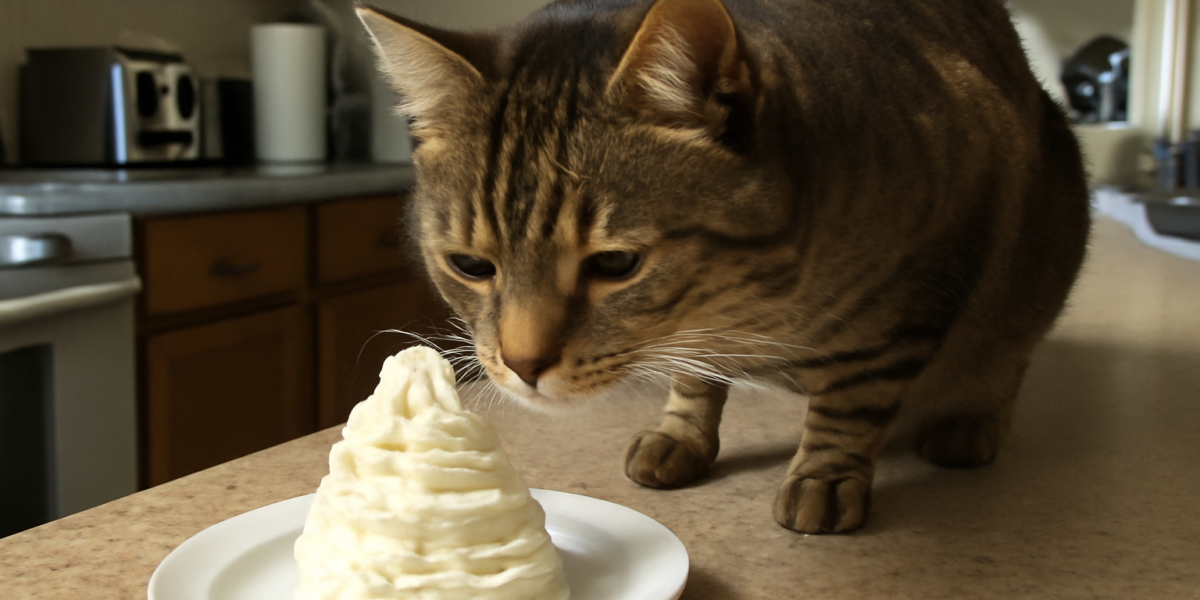
There’s something undeniably charming about a cat licking a dollop of whipped cream off a spoon, and the “puppuccino” trend at coffee shops has many cat owners wondering if their feline friends can enjoy a similar treat. Can cats eat whipped cream? Technically, a tiny amount of whipped cream is unlikely to be immediately dangerous for most cats, but it’s far from an ideal treat and can cause uncomfortable digestive issues for the majority of adult felines.
The relationship between cats and dairy products is more complicated than popular culture suggests. Despite the classic image of a cat happily lapping up a bowl of cream, most adult cats are actually lactose intolerant. In this article, we’ll explain why whipped cream isn’t the best choice for your cat, what happens when lactose-intolerant cats consume dairy, how much is too much, and what safer alternatives you can offer instead.
Why Whipped Cream Is Problematic for Cats
To understand why whipped cream isn’t great for cats, you need to understand feline lactose intolerance. Like most mammals, kittens produce an enzyme called lactase that allows them to digest lactose, the primary sugar found in milk and dairy products. This makes sense because kittens rely on their mother’s milk for nutrition during the first weeks of life.
However, as kittens are weaned and transition to solid food, their bodies gradually produce less and less lactase. By the time most cats reach adulthood, they produce very little lactase, making them functionally lactose intolerant. Estimates suggest that the vast majority of adult cats, possibly as many as 90% or more, have some degree of lactose intolerance.
When a lactose-intolerant cat consumes dairy products like whipped cream, the undigested lactose passes into the large intestine, where bacteria ferment it. This fermentation process produces gas, fluid accumulation, and irritation of the intestinal lining, leading to uncomfortable symptoms including bloating, abdominal cramps, flatulence, and diarrhea. These symptoms can appear within a few hours of dairy consumption and may last for a day or more.
Beyond lactose, whipped cream presents additional concerns. Commercial whipped cream products, whether from a can or a tub, typically contain added sugar, artificial sweeteners, stabilizers, emulsifiers, and preservatives. Some products contain vanillin, propellant gases, carrageenan, and other additives that serve no nutritional purpose for cats and may cause additional digestive irritation.
Sugar is another significant concern. Cats have no nutritional need for sugar, and their bodies are not well-equipped to handle it. Unlike humans and dogs, cats lack functional sweet taste receptors, so they don’t even particularly enjoy sweetness. The high sugar content in whipped cream provides nothing but empty calories that can contribute to weight gain and potentially increase the risk of diabetes, a serious and increasingly common condition in domestic cats.
For more information on cats and dairy, check out our guide on whether cats can drink milk, which covers the broader topic of feline lactose intolerance in detail.
What Happens If Your Cat Eats Whipped Cream
If your cat has already had some whipped cream, don’t panic. The outcome depends on several factors, including how much they ate, their individual level of lactose intolerance, and their overall health status.
A tiny lick or taste: For most cats, a tiny amount of whipped cream, such as a small lick from your finger, is unlikely to cause noticeable problems. The quantity of lactose in such a small amount is often below the threshold that triggers symptoms, even in lactose-intolerant cats. You probably don’t need to worry if this is all your cat consumed.
A tablespoon or two: This is where many cats will start to experience symptoms. A moderate amount of whipped cream delivers enough lactose to overwhelm the limited lactase production of most adult cats. You may notice soft stools, mild diarrhea, increased gas, or mild abdominal discomfort within a few hours. These symptoms are typically self-limiting and resolve within 12 to 24 hours.
A large amount: If your cat consumed a significant amount of whipped cream, perhaps they got into an unattended bowl or a can fell within reach, expect more pronounced digestive upset. Symptoms may include watery diarrhea, vomiting, significant bloating, audible stomach gurgling, loss of appetite, and general lethargy. While these symptoms are usually not life-threatening, they are uncomfortable for your cat and can lead to dehydration if diarrhea is severe or prolonged.
Cats with pre-existing conditions: Cats with diabetes, obesity, inflammatory bowel disease, pancreatitis, or other digestive or metabolic conditions may react more severely to whipped cream. The combination of lactose, fat, and sugar can exacerbate these conditions and potentially trigger a flare-up that requires veterinary intervention.
If you’re curious about other dairy products and cats, our articles on whether cats can eat cheese and whether cats can eat yogurt provide helpful comparisons of different dairy options.
Nutritional Breakdown and Why It Doesn’t Serve Cats
Let’s look at the typical nutritional content of whipped cream and why it’s fundamentally misaligned with feline dietary needs.
A two-tablespoon serving of standard whipped cream contains approximately 50 to 60 calories, 5 grams of fat, 2 to 3 grams of sugar, less than 1 gram of protein, and virtually no beneficial vitamins or minerals for cats. This might seem like a small amount, but let’s put it in perspective.
The average indoor adult cat weighing 10 pounds needs roughly 200 to 250 calories per day. Two tablespoons of whipped cream represent about 20 to 30 percent of that cat’s daily caloric needs, all from fat and sugar with no meaningful nutrition. That’s the feline equivalent of a human eating an entire dessert as a snack. Over time, even occasional indulgences like this can contribute to weight gain.
Fat content: Whipped cream is high in saturated fat, which can be difficult for cats to process in large amounts. While cats do need fat in their diet, it should come from animal-based sources as part of a balanced meal, not from dairy-derived fat. Excessive dietary fat can contribute to pancreatitis in susceptible cats, a painful inflammatory condition of the pancreas.
Sugar content: Cats are obligate carnivores with metabolic systems designed to process protein and fat, not carbohydrates and sugars. They have limited ability to metabolize sugar efficiently, and regular sugar consumption can strain their pancreas and increase the risk of developing diabetes mellitus, particularly in overweight or sedentary cats.
Protein content: The small amount of protein in whipped cream comes from milk proteins (casein and whey), which are not nutritionally equivalent to the animal-based proteins cats need. Cats require specific amino acids, particularly taurine, that are found abundantly in meat but are absent or insufficient in dairy proteins.
Missing essential nutrients: Whipped cream provides none of the essential nutrients cats need, including taurine, arachidonic acid, preformed vitamin A, and other nutrients found exclusively in animal tissue. Every calorie from whipped cream is a calorie that could have come from a nutritionally appropriate source.
Safer Alternatives to Whipped Cream for Cats
If you want to give your cat a special treat without the risks associated with whipped cream, there are several safer and more nutritionally appropriate options to consider.
Meat-based treats: Small pieces of plain cooked chicken, turkey, or fish (without seasoning, bones, or skin) are treats that align with your cat’s natural dietary needs. These provide high-quality protein and amino acids that actually benefit your cat’s health. Most cats go absolutely wild for a tiny piece of plain cooked chicken breast.
Commercial cat treats: High-quality commercial cat treats are formulated to be both appealing and nutritionally appropriate for felines. Lickable cat treats, such as puree tubes, provide a creamy texture similar to whipped cream but are made from meat and fish without dairy. Many cats love these and they can satisfy the desire to give your cat a special “creamy” treat.
Lactose-free cat milk: Several pet food brands produce specially formulated “cat milk” that has had the lactose removed. These products allow cats to enjoy the taste of milk without the digestive consequences. While they still add extra calories, they’re designed with feline biology in mind and are a much safer option than regular dairy products.
Small amounts of plain meat broth: A tablespoon of low-sodium chicken or bone broth (without onion, garlic, or excessive salt) can be a warming, hydrating treat that most cats enjoy. Make sure the broth doesn’t contain any ingredients from the allium family (onion, garlic, chives, leeks), which are toxic to cats.
Freeze-dried meat treats: These shelf-stable treats are made from single-ingredient proteins like chicken, salmon, or turkey. They have an appealing crumbly texture, strong aroma, and concentrated flavor that cats tend to love, and they’re nutritionally appropriate for feline metabolism.
Risks of Regular Whipped Cream Consumption
While a one-time tiny taste of whipped cream is unlikely to cause lasting harm, making it a regular habit can lead to several health concerns over time.
Obesity: The high calorie density of whipped cream, combined with its fat and sugar content, can contribute to weight gain if offered regularly. Feline obesity is a serious health issue that affects an estimated 60% of domestic cats and increases the risk of diabetes, joint disease, heart disease, urinary problems, and shortened lifespan. Even small caloric additions outside of regular meals can tip the balance toward weight gain over months and years.
Diabetes mellitus: Regular consumption of high-sugar, high-fat foods like whipped cream can increase a cat’s risk of developing Type 2 diabetes. This is particularly concerning for cats that are already overweight, sedentary, or genetically predisposed to diabetes. Once developed, feline diabetes requires daily management including insulin injections, regular blood glucose monitoring, and dietary changes.
Chronic digestive issues: Repeated exposure to lactose can cause ongoing low-grade inflammation in the digestive tract of lactose-intolerant cats. Over time, this can lead to chronic diarrhea, nutrient malabsorption, and general gastrointestinal discomfort that affects your cat’s quality of life.
Pancreatitis: The high fat content in whipped cream can contribute to pancreatitis, an inflammation of the pancreas that causes severe abdominal pain, vomiting, loss of appetite, and lethargy. Pancreatitis can be a serious condition requiring hospitalization and intensive veterinary care.
Dental issues: Sugar promotes the growth of bacteria that contribute to dental disease. Cats are already prone to dental problems, including periodontal disease and tooth resorption, and adding sugar to their diet only exacerbates these risks.
When to Call the Veterinarian
Most cats that eat a small amount of whipped cream will either show no symptoms or experience mild, self-limiting digestive upset. However, there are situations where veterinary attention is warranted.
Contact your vet if your cat develops severe or persistent diarrhea lasting more than 24 hours after eating whipped cream. Prolonged diarrhea can lead to dehydration, electrolyte imbalances, and nutritional deficiencies, especially in kittens, senior cats, or cats with existing health conditions.
Seek veterinary attention if your cat is vomiting repeatedly or seems to be in pain after consuming whipped cream. While mild nausea is not unusual, repeated vomiting or signs of abdominal pain (such as hunching, reluctance to be touched on the belly, or vocalization) could indicate a more serious reaction or an underlying condition that was aggravated by the dairy.
Call your vet if your cat consumed a whipped cream product containing xylitol or other artificial sweeteners. While xylitol toxicity is more commonly discussed in relation to dogs, some artificial sweeteners can also be problematic for cats. Check the ingredient label and share that information with your veterinarian.
Seek prompt veterinary care if your cat is diabetic and consumed a significant amount of whipped cream. The sugar and fat could affect blood glucose levels, and your vet may want to monitor your cat more closely or adjust their insulin dosage temporarily.
Contact your vet if you notice any signs of an allergic reaction, such as hives, facial swelling, difficulty breathing, or sudden onset of severe symptoms. True dairy allergies (as opposed to lactose intolerance) are uncommon in cats but can occur and may require medical treatment.
Frequently Asked Questions
Can kittens eat whipped cream?
Kittens should not be given whipped cream. While kittens do produce more lactase than adult cats, which allows them to digest their mother’s milk, this doesn’t mean they can handle processed dairy products like whipped cream. Kittens have very specific nutritional needs during their rapid growth period, and the sugar, fat, and additives in whipped cream provide no benefit while potentially causing digestive upset. Additionally, kittens are more vulnerable to dehydration from diarrhea than adult cats due to their small size. If you have a young kitten that needs milk supplementation, use a specially formulated kitten milk replacer, never cow’s milk products or whipped cream. These kitten-specific formulas are designed to match the nutritional profile of cat’s milk and are much easier for kittens to digest.
Is a “puppuccino” (small cup of whipped cream) safe for cats?
The popular “puppuccino” offered at many coffee shops is simply a small cup of plain whipped cream. While it has become a fun social media trend for pet owners, it’s not a great choice for cats. A typical puppuccino contains several tablespoons of whipped cream, which is a significant amount of lactose, fat, and sugar for a cat. Most adult cats would experience some degree of digestive upset from consuming that much dairy, ranging from soft stools and gas to full-blown diarrhea. If you really want to include your cat in a coffee shop outing, bring along a cat-appropriate treat from home instead. Your cat will appreciate a small piece of freeze-dried chicken just as much as whipped cream, and their digestive system will thank you.
Are there any dairy products that are safer for cats than whipped cream?
If you’re set on offering your cat a dairy treat, some options are marginally safer than whipped cream. Plain yogurt and aged hard cheeses like cheddar and Parmesan contain less lactose than milk and whipped cream because the fermentation and aging processes break down much of the lactose. A tiny amount, no more than half a teaspoon, of plain unsweetened yogurt may be tolerated by some cats without significant digestive issues. However, the safest approach is to use commercially available lactose-free cat milk products, which are specifically designed for feline consumption. These products remove the lactose entirely while providing a taste that cats enjoy. Regardless of which dairy product you choose, it should only be offered in very small amounts as an occasional treat, never as a regular part of your cat’s diet.
My cat seems to love whipped cream and doesn’t get sick. Is it still bad?
A small minority of adult cats retain enough lactase production to tolerate moderate amounts of dairy without obvious digestive symptoms. If your cat genuinely doesn’t show signs of digestive upset after eating whipped cream, they may be among the lucky few with better lactose tolerance. However, the absence of visible symptoms doesn’t necessarily mean whipped cream is good for them. The concerns about empty calories, high fat and sugar content, obesity risk, and potential contribution to diabetes and dental disease still apply regardless of lactose tolerance. Think of it this way: a food can be non-harmful in the short term while still being unhealthy in the long run. Even if your cat tolerates whipped cream digestively, there are far better treat options that provide actual nutritional benefits rather than just empty calories.


