
Last updated: May 6, 2026
In this article
Can Cats Eat Bone Broth? A Complete Guide for Cat Owners
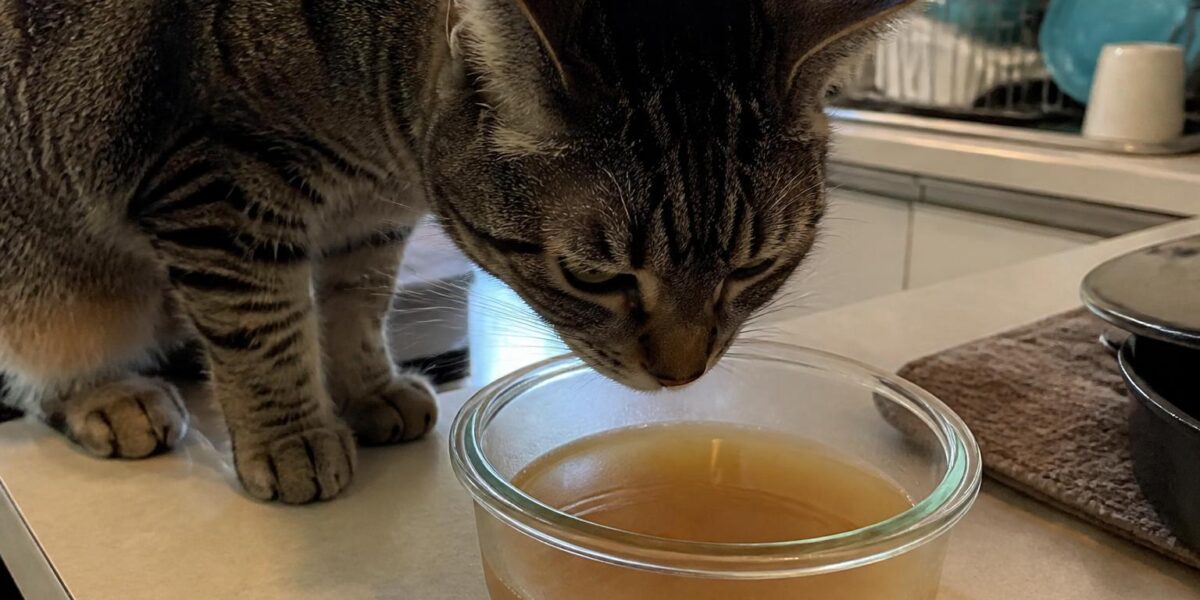
Bone broth has become incredibly popular in the wellness world, celebrated for its rich nutrient profile and potential health benefits for humans. Naturally, many cat owners have begun wondering whether their feline companions can enjoy bone broth too. The great news is that plain, properly prepared bone broth is not only safe for cats but can actually offer several meaningful health benefits, particularly for cats that struggle with hydration or have joint issues.
In this comprehensive guide, we will explore everything you need to know about feeding bone broth to your cat, from its nutritional profile and health benefits to proper preparation methods, serving guidelines, and situations where caution is warranted. Whether you are looking to support an aging cat’s joint health or encourage a picky cat to drink more fluids, bone broth may be exactly what you have been looking for.
What Is Bone Broth and Why Is It Beneficial?
Bone broth is a nutrient-rich liquid made by simmering animal bones, typically from chicken, beef, turkey, or fish, in water for an extended period, usually anywhere from 12 to 24 hours. This long, slow cooking process extracts valuable nutrients from the bones, including collagen, gelatin, amino acids, minerals, and other beneficial compounds that dissolve into the liquid.
The resulting broth is a concentrated source of several nutrients that are particularly relevant to feline health. Collagen, the most abundant protein in the body, breaks down during the cooking process into gelatin and individual amino acids like glycine, proline, and glutamine. These compounds support joint health, gut integrity, skin and coat condition, and overall immune function.
Bone broth also contains minerals that have been leached from the bones during the simmering process, including calcium, magnesium, phosphorus, and potassium, all in forms that are easy for the body to absorb. The exact nutritional content of bone broth varies depending on the types of bones used, the cooking duration, and whether additional ingredients like vinegar were added to help extract minerals from the bones.
For cats specifically, one of the most important attributes of bone broth is its high moisture content. Cats evolved as desert animals and have a naturally low thirst drive, which means many domestic cats do not drink enough water on their own. This chronic mild dehydration can contribute to urinary tract problems and kidney issues, two of the most common health concerns in cats. Bone broth provides an appetizing way to increase a cat’s fluid intake while simultaneously delivering valuable nutrients. If your cat shows signs of dehydration, bone broth can be a helpful supplemental fluid source alongside fresh water.
Health Benefits of Bone Broth for Cats
Bone broth offers a range of potential health benefits for cats, making it a valuable addition to their diet when prepared and served properly. While it should never replace a complete and balanced cat food, it can complement your cat’s nutrition in several meaningful ways.
Joint health support is one of the most significant benefits of bone broth for cats, particularly senior cats and those with arthritis or other joint conditions. The collagen, glucosamine, and chondroitin that are naturally present in bone broth are the same compounds found in many joint health supplements for pets. These compounds help maintain the integrity of cartilage, reduce inflammation in the joints, and support joint lubrication. Regular consumption of bone broth may help slow the progression of age-related joint deterioration and reduce discomfort associated with arthritis.
Digestive health is another area where bone broth can be particularly beneficial for cats. The gelatin in bone broth has been shown to support the integrity of the intestinal lining, which can help heal and prevent leaky gut syndrome, a condition where the intestinal barrier becomes compromised, allowing toxins and undigested food particles to enter the bloodstream. The amino acid glutamine, which is abundant in bone broth, is the primary fuel source for the cells that line the intestines and plays a crucial role in maintaining gut barrier function.
For cats recovering from illness, surgery, or digestive upset, bone broth can serve as a gentle, easy-to-digest source of nutrition and hydration. Veterinarians sometimes recommend offering bone broth to cats that are recovering from gastrointestinal problems, as it provides nutrients without putting excessive strain on the digestive system. The appealing aroma and flavor of bone broth can also encourage eating in cats that have lost their appetite due to illness or medication side effects. Cats recovering from illness who are eating plain chicken may benefit from bone broth as a complementary fluid source.
The amino acid glycine, found abundantly in bone broth, supports liver function and the body’s natural detoxification processes. This can be particularly beneficial for older cats, whose liver function may naturally decline with age. For cats dealing with kidney disease, bone broth can help with hydration, though it is essential to consult your veterinarian about appropriate types and amounts, as some formulations may contain too much phosphorus for cats with compromised kidney function.
Skin and coat health can also benefit from the regular consumption of bone broth. The collagen and amino acids in bone broth support the production of healthy skin cells and contribute to a glossy, resilient coat. Cats with dry, flaky skin or dull coats may show improvement with the addition of bone broth to their diet, though persistent skin issues should always be evaluated by a veterinarian to rule out underlying health problems.
How to Prepare Bone Broth for Your Cat
While commercial bone broth products for pets are widely available, making bone broth at home gives you complete control over the ingredients and ensures that nothing harmful to your cat is included. The process is straightforward, though it does require patience due to the long simmering time.
Start by selecting your bones. Chicken bones, including backs, necks, feet, and carcasses, are an excellent choice for cat-friendly bone broth because they produce a mild-flavored, gelatin-rich broth that most cats find appealing. Turkey, beef, and fish bones can also be used, though fish bone broth should be simmered for a shorter period, around 8 to 12 hours, to avoid developing an overly strong flavor.
Place the bones in a large stockpot or slow cooker and cover them with cold water. Add one to two tablespoons of apple cider vinegar, which helps extract minerals from the bones but will cook off during the simmering process and will not affect the flavor. Do not add any salt, onions, garlic, leeks, chives, or any other seasonings or aromatics. Onions and garlic, commonly used in human bone broth recipes, are toxic to cats and must be excluded entirely.
Bring the water to a gentle simmer and cook for 12 to 24 hours for poultry bones or 24 to 48 hours for beef bones. Maintaining a low simmer rather than a rolling boil produces a clearer, better-tasting broth. Skim off any foam or impurities that rise to the surface during the first hour of cooking. If using a slow cooker, set it to low and let it cook unattended.
Once the cooking is complete, strain the broth through a fine-mesh strainer or cheesecloth to remove all bone fragments, cartilage, and other solids. Allow the broth to cool, and then refrigerate it. A layer of fat will solidify on the surface as it cools. Remove and discard this fat layer before serving the broth to your cat, as excessive fat can cause digestive upset and contribute to pancreatitis.
Properly prepared bone broth can be stored in the refrigerator for up to five days or frozen in ice cube trays or small containers for up to six months. Freezing in small portions makes it easy to thaw just the right amount for your cat without waste.
Serving Guidelines and Portion Sizes
Knowing how much bone broth to offer your cat and how frequently to serve it is important for maximizing benefits while avoiding any potential issues. Bone broth should be treated as a supplement to your cat’s regular diet, not a replacement for complete and balanced cat food.
For most adult cats, one to two tablespoons of bone broth per day is an appropriate serving. You can offer it as a standalone treat, pour it over your cat’s dry kibble to add moisture and flavor, mix it into wet food to increase fluid intake, or serve it slightly warmed to release its aroma and make it more appealing. Most cats are attracted to the savory smell and flavor of bone broth and will readily lap it up.
When introducing bone broth to your cat for the first time, start with just a teaspoon and observe how your cat responds over the next 24 hours. While adverse reactions to plain bone broth are uncommon, individual cats may have sensitivities, and it is always wise to introduce any new food gradually. If your cat tolerates the initial serving well, you can gradually increase the amount over the course of a week.
For cats that are ill, recovering from surgery, or have reduced appetites, bone broth can be offered more frequently throughout the day in small amounts. Some veterinarians recommend offering bone broth via a syringe, without the needle, to cats that refuse to eat or drink on their own, as the appetizing flavor often encourages them to start licking and swallowing. Always check with your veterinarian before significantly increasing bone broth intake for a sick cat.
During hot weather, frozen bone broth cubes can serve as a cooling treat that many cats enjoy licking. This is a creative way to provide extra hydration during the warmer months when cats may be at higher risk of dehydration.
If you are using commercial bone broth products designed for pets, follow the serving guidelines on the packaging. If you are considering a bone broth product intended for human consumption, read the ingredient list very carefully to ensure it contains no onion, garlic, excessive sodium, or other ingredients that could be harmful to cats. Many human bone broth products contain these ingredients and are not suitable for cats.
Risks, Precautions, and When to Avoid Bone Broth
While bone broth is generally very safe for cats, there are some important precautions and situations where it may not be appropriate. Being aware of these considerations will help you make the safest choices for your feline companion.
The most significant risk associated with bone broth for cats comes from improper preparation. Bone broth made with onions, garlic, leeks, chives, or other allium family members is toxic to cats and can cause hemolytic anemia, a dangerous condition where red blood cells are destroyed faster than the body can replace them. Always ensure that any bone broth you give to your cat is completely free of these ingredients.
Excessive sodium is another common concern with bone broth, particularly commercial products. Cats have a relatively low tolerance for sodium, and excessive salt intake can contribute to dehydration, elevated blood pressure, and kidney strain. When making bone broth at home, never add salt. When purchasing commercial bone broth, choose low-sodium or sodium-free varieties and check the nutrition label carefully.
Cats with kidney disease require careful management of their phosphorus intake, and bone broth can be relatively high in phosphorus depending on how it is made. If your cat has been diagnosed with kidney disease, consult your veterinarian before introducing bone broth to determine whether it is appropriate and, if so, what type and amount would be safe.
The fat content in bone broth can cause digestive upset in some cats, particularly those with sensitive stomachs or a history of pancreatitis. Always remove the solidified fat layer from the surface of cooled bone broth before serving it to your cat. If your cat experiences vomiting or diarrhea after consuming bone broth, discontinue it and consult your veterinarian.
Food-borne illness is a potential risk with any homemade food product. Ensure that your bone broth is prepared using clean equipment, stored at proper temperatures, and consumed within the recommended timeframe. Discard any bone broth that has been left at room temperature for more than two hours, has developed an off smell, or has been stored in the refrigerator for more than five days.
Frequently Asked Questions
Can kittens have bone broth?
Kittens over eight weeks old can have small amounts of plain, unseasoned bone broth as an occasional treat. Start with just half a teaspoon and increase gradually if tolerated well. Bone broth can be particularly helpful for kittens transitioning from mother’s milk to solid food, as it provides an appealing liquid that encourages lapping skills and offers gentle nutrition. However, bone broth should never replace kitten formula for kittens under eight weeks old, and it should not replace a complete and balanced kitten food at any age. Always ensure the broth is completely free of onion, garlic, and added salt.
How long can I store homemade bone broth for my cat?
Homemade bone broth can be safely stored in the refrigerator for up to five days in a sealed container. For longer storage, freeze the broth in small portions using ice cube trays, silicone molds, or small freezer-safe containers. Frozen bone broth maintains its quality and nutritional value for up to six months. Thaw frozen portions in the refrigerator overnight rather than at room temperature to minimize bacterial growth. Once thawed, use the broth within two days and do not refreeze it. Always discard any broth that smells off or shows signs of spoilage.
Is store-bought bone broth safe for cats?
Some store-bought bone broths are safe for cats, but many are not. The primary concerns with commercial bone broth products are added sodium, onion, garlic, and other seasonings that are harmful to cats. If you want to use a store-bought product, look for bone broth specifically formulated for pets, which will be free of harmful ingredients and appropriately low in sodium. If you are considering a human-grade bone broth, read the ingredient list meticulously and choose only products that contain nothing beyond bones, water, and perhaps a small amount of vinegar. When in doubt, making bone broth at home is the safest option.
Can bone broth help a cat that will not eat?
Bone broth can be an effective tool for encouraging eating in cats that have lost their appetite due to illness, stress, or medication side effects. The strong, meaty aroma of warm bone broth can stimulate a cat’s appetite, and the liquid format is easy to lap up even when a cat does not feel like chewing solid food. Some cats will begin eating their regular food again once bone broth is poured over it. However, if your cat has not eaten for more than 24 to 48 hours, this is a serious concern that requires veterinary attention, as prolonged fasting in cats can lead to hepatic lipidosis, a potentially fatal liver condition.
When to Consult Your Veterinarian
While bone broth is a safe and beneficial supplement for most cats, there are situations where veterinary guidance is essential. Always consult your veterinarian before introducing bone broth if your cat has kidney disease, liver disease, pancreatitis, heart disease, or any other chronic health condition that requires dietary management. Your vet can advise you on whether bone broth is appropriate for your cat’s specific condition and, if so, what type and amount would be safe.
Seek veterinary attention if your cat experiences vomiting, diarrhea, or other signs of digestive upset after consuming bone broth. While these reactions are uncommon with properly prepared broth, they may indicate an underlying sensitivity or health issue that warrants investigation. If your cat shows signs of an allergic reaction, including facial swelling, hives, or difficulty breathing, seek emergency veterinary care immediately.
In conclusion, plain, unseasoned bone broth is a wonderful supplement for most cats, offering hydration support, joint-friendly nutrients, digestive health benefits, and an appealing flavor that even the pickiest cats tend to enjoy. Whether you make it at home or choose a high-quality commercial product formulated for pets, bone broth can be a valuable addition to your cat’s diet when served in appropriate amounts. Just remember to keep it free of onions, garlic, salt, and other harmful ingredients, and always consult your veterinarian if you have any concerns about your cat’s diet or health.


