
Last updated: June 13, 2026
In this article
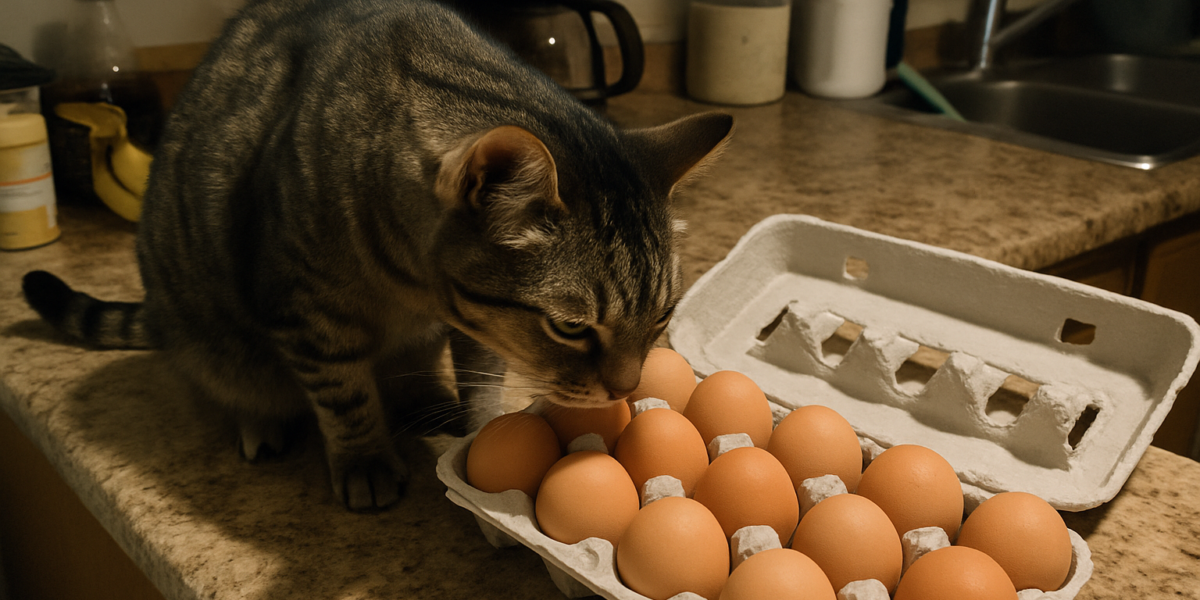
Eggs are one of nature’s most complete foods — packed with protein, healthy fats, vitamins, and minerals in a compact, affordable package. If your cat has ever shown interest in your breakfast plate, you have probably wondered whether sharing a bite would be safe. The good news is that eggs and cats are generally a good match, with one important caveat about how those eggs are prepared.
Quick Answer: Yes, cats can eat cooked eggs. Scrambled, boiled, or poached eggs — served plain without salt, butter, or seasoning — are a safe and nutritious treat for cats. Raw eggs are not recommended due to the risk of Salmonella and biotin deficiency.
Are Eggs Safe for Cats?
Cooked eggs are safe for cats. In fact, eggs are considered one of the highest-quality protein sources available for both humans and animals. The protein in eggs is highly bioavailable, meaning cats can digest and absorb it efficiently. Many premium commercial cat foods include egg as an ingredient precisely because of its nutritional completeness.
The key word is “cooked.” Raw eggs introduce two risks that are easily avoided through cooking. First, raw eggs can contain Salmonella and E. coli, bacteria that can cause serious illness in cats. While cats are generally more resistant to foodborne bacteria than humans, they are not immune, and Salmonella infection in cats can cause vomiting, diarrhea, fever, lethargy, and in severe cases, sepsis. Second, raw egg whites contain a protein called avidin, which binds to biotin (vitamin B7) and prevents its absorption. Over time, regular consumption of raw egg whites can lead to biotin deficiency, manifesting as skin problems, poor coat quality, and lethargy. Cooking denatures avidin, eliminating this concern entirely.
Egg yolks do not contain avidin and are generally safer than raw whites, but they are still best served cooked to eliminate bacterial risk. The yolk is where most of the egg’s fat, vitamins, and minerals are concentrated, and it is the part of the egg that many cats find most appealing.
For breed-specific dietary information, our cat breeds directory provides helpful guidance on feeding different types of cats.
Nutritional Profile of Eggs
A single large egg contains approximately 72 calories, 6.3 grams of protein, 4.8 grams of fat, and less than 1 gram of carbohydrates. For a cat, whose ideal diet is high in protein and moderate in fat with minimal carbohydrates, this macronutrient profile is nearly ideal.
The protein quality of eggs is exceptional. Eggs contain all nine essential amino acids in proportions that are highly suitable for feline metabolism. The biological value of egg protein — a measure of how efficiently the body can use the protein consumed — is higher than that of virtually any other whole food. This makes eggs particularly useful for cats who need extra protein, such as those recovering from illness, growing kittens (when served cooked and in small amounts), or senior cats experiencing muscle loss.
The fat in eggs is primarily concentrated in the yolk and includes a beneficial mix of saturated and unsaturated fatty acids. Egg yolks are one of the few food sources of naturally occurring vitamin D, which supports calcium absorption and bone health. They also provide choline, a nutrient essential for liver function and brain health; lutein and zeaxanthin, antioxidants that support eye health; and vitamin A, important for vision, immune function, and skin integrity.
Additional micronutrients in eggs include iron, phosphorus, selenium, vitamin B12, riboflavin (B2), and folate. The selenium content is particularly noteworthy, as this trace mineral supports thyroid function and acts as an antioxidant — relevant considerations for cats, who are prone to hyperthyroidism as they age.
The overall nutrient density of eggs — meaning the ratio of nutrients to calories — is impressive. For cats, eggs provide a lot of nutritional value in a small package, which makes them an efficient treat that does not contribute excessive calories.
Benefits of Eggs for Cats
When offered as a cooked, plain treat in appropriate amounts, eggs provide several meaningful benefits for cats.
Complete amino acid profile. Cats are obligate carnivores with specific amino acid requirements, including taurine, arginine, and methionine. Eggs provide all of these amino acids in bioavailable forms. While eggs alone are not a sufficient source of taurine for cats (compared to organ meats and muscle meat), they contribute meaningfully to the amino acid pool.
Skin and coat health. The combination of protein, healthy fats, biotin, and vitamin A in eggs supports skin integrity and coat quality. Cats with dull coats, dry skin, or excessive shedding may benefit from the nutritional support that eggs provide. The fatty acids in egg yolks, in particular, contribute to a glossy, healthy coat.
Muscle maintenance. The high-quality protein in eggs supports muscle maintenance and repair, which is particularly important for active cats, senior cats experiencing sarcopenia (age-related muscle loss), and cats recovering from surgery or illness. The protein in eggs is gentle on the digestive system, making it suitable even for cats with sensitive stomachs.
Appetite stimulant. The aroma and flavor of cooked eggs are appealing to most cats. For cats who have lost their appetite due to illness, medication, or stress, a small amount of scrambled egg can sometimes entice them to eat when other foods fail. This makes eggs a useful tool in a cat owner’s repertoire, particularly during times when maintaining caloric intake is important.
Low-carbohydrate nutrition. Cats have minimal carbohydrate requirements, and excessive carbohydrate intake can contribute to obesity and diabetes. Eggs are virtually carbohydrate-free, making them one of the most nutritionally appropriate treats you can offer a cat — more so than many commercial cat treats that contain grains, starches, and fillers.
Risks and Side Effects of Eggs for Cats
While cooked eggs are safe for most cats, there are several considerations to keep in mind.
Raw egg risks. As discussed, raw eggs carry the risk of Salmonella and E. coli infection, as well as biotin deficiency from avidin in raw egg whites. Always cook eggs before offering them to your cat. This applies to all forms of raw egg, including raw egg mixed into food, raw egg yolk, and any preparation that has not been thoroughly heated.
Caloric density. At 72 calories per egg, even a single egg represents a significant portion of a cat’s daily caloric needs. An average indoor cat requires roughly 200 to 250 calories per day. A whole egg would represent 30 to 36 percent of that — far more than the recommended ten percent treat allotment. Portion control is essential.
Allergies. Egg allergy is one of the more common food allergies in cats, though it is still relatively uncommon overall. Symptoms of egg allergy include itchy skin, excessive grooming, hair loss, gastrointestinal upset (vomiting, diarrhea), and recurrent ear infections. If you notice any of these symptoms after introducing eggs, discontinue and consult your veterinarian.
Cholesterol and fat concerns. Eggs are relatively high in cholesterol and fat. While cats metabolize dietary cholesterol differently than humans and are generally less susceptible to cholesterol-related cardiovascular issues, the fat content can be problematic for overweight cats, cats with pancreatitis, or cats with liver disease. For these cats, egg whites alone — which are almost pure protein with minimal fat — may be a better option.
Harmful preparation methods. Eggs cooked with butter, oil, salt, garlic, onion, cheese, or any seasoning are not safe for cats. Garlic and onion are toxic to cats and can cause hemolytic anemia. Butter and oil add unnecessary fat. Salt in excess can cause dehydration and electrolyte imbalances. Cheese can cause digestive upset in lactose-intolerant cats (which is most adult cats). Always serve eggs plain.
How to Feed Eggs to Your Cat Safely
Preparing eggs for your cat takes just a moment and ensures both safety and enjoyment.
Scrambled eggs (plain). Whisk an egg and cook in a non-stick pan without any oil, butter, salt, or seasoning. Cook until fully set — no runny or undercooked portions. Allow to cool to room temperature before serving. This is the most popular method because it is quick and produces a texture that most cats find appealing.
Hard-boiled eggs. Boil an egg for 10 to 12 minutes, cool under running water, peel, and chop or mash into small pieces. Hard-boiled eggs store well in the refrigerator for up to one week, making them convenient for portioning out over several days.
Poached eggs. Drop an egg into simmering water and cook for 4 to 5 minutes until fully set. No oil or seasoning is needed. Poaching is a gentle cooking method that preserves the egg’s nutrients while ensuring it is fully cooked.
Egg yolk only. Some owners prefer to offer only the yolk, which is richer in vitamins and minerals and typically more palatable to cats. Cook the yolk thoroughly — a hard-boiled yolk crumbled over food is an easy approach.
Suggested serving sizes:
- Small cats (under 8 lbs): One to two teaspoons of cooked egg, two to three times per week
- Average cats (8–12 lbs): One to two tablespoons of cooked egg, two to three times per week
- Large cats (over 12 lbs): Up to two tablespoons of cooked egg, two to three times per week
A good general rule is that egg should not exceed ten percent of your cat’s daily caloric intake. For most cats, this means no more than one-quarter to one-third of a whole egg per serving.
Signs of Problems After Eating Eggs
Most cats tolerate cooked eggs without any issues. However, monitor for the following signs, particularly when introducing eggs for the first time.
Digestive upset. Vomiting, diarrhea, or gas within a few hours of eating eggs may indicate sensitivity or intolerance. If mild, these symptoms usually resolve within 24 hours. Discontinue eggs temporarily and try again with a smaller amount later. If symptoms recur, your cat may not tolerate eggs well.
Allergic reaction. Itchy skin, excessive grooming focused on one area, hives, facial swelling, or gastrointestinal symptoms that recur each time eggs are offered suggest an egg allergy. Discontinue eggs permanently and consult your veterinarian for allergy testing if needed.
Signs of Salmonella infection (if raw egg was consumed). Vomiting, diarrhea (possibly bloody), fever, lethargy, and loss of appetite developing within 12 to 72 hours of consuming raw egg. Contact your veterinarian if you suspect Salmonella infection, particularly if symptoms are severe or your cat is very young, elderly, or immunocompromised.
Weight gain. If eggs are offered too frequently or in too-large portions, gradual weight gain may result from the additional calories. Monitor your cat’s body condition and adjust treat portions accordingly.
Healthy Alternatives to Eggs for Cats
If your cat does not tolerate eggs or if you want to rotate treats for variety, consider these alternatives. Cooked plain chicken is an excellent high-protein option that most cats love. Small amounts of canned tuna in water provide protein and omega-3s, though mercury concerns mean this should also be occasional. Cucumber slices can provide a low-calorie, hydrating treat for cats who enjoy crunchy textures.
Commercial cat treats formulated for feline nutrition are also a reliable option, as they are designed to be both safe and nutritionally appropriate for cats. Look for treats with high protein content and minimal fillers or artificial additives.
If you are considering adopting a cat, learning about safe foods and treats early on will help you establish healthy feeding practices from day one.
Frequently Asked Questions
Can cats eat raw eggs?
Raw eggs are not recommended for cats. They carry the risk of Salmonella and E. coli contamination, which can cause serious gastrointestinal illness. Additionally, raw egg whites contain avidin, a protein that interferes with biotin absorption and can lead to skin and coat problems over time. Cooking eggs to full doneness eliminates both of these risks while preserving the nutritional benefits.
Can kittens eat eggs?
Kittens over eight weeks old who are eating solid food can have very small amounts of cooked, plain egg as an occasional treat. Start with half a teaspoon and observe for any digestive upset. Kittens have more sensitive digestive systems and higher caloric needs per pound of body weight than adult cats, so treats should make up an even smaller proportion of their diet. A kitten’s primary food should always be a growth-formulated kitten food.
Are eggshells safe for cats?
Finely ground eggshells can be a source of calcium for cats, and some homemade cat food recipes include them for this purpose. However, large eggshell fragments can cause choking or injure the mouth and digestive tract. If you want to add eggshell calcium to your cat’s diet, grind the shells into a very fine powder using a coffee grinder or mortar and pestle, and consult your veterinarian about the appropriate amount. For most cats eating a balanced commercial diet, supplemental calcium from eggshells is unnecessary.
How often can I give my cat eggs?
Two to three times per week is a reasonable frequency for offering eggs as a treat, with each serving being no more than one-quarter to one-third of a whole egg. Daily egg feeding is not recommended due to the caloric density and fat content. Rotating eggs with other protein-based treats helps ensure nutritional variety without overloading any single nutrient.
Can cats eat scrambled eggs with cheese?
Scrambled eggs with cheese are not recommended for cats. Most adult cats are lactose intolerant and cannot properly digest dairy products, which can cause bloating, gas, diarrhea, and stomach discomfort. Cheese also adds unnecessary calories and fat. Always serve eggs plain — no cheese, butter, milk, salt, or any other additions. If your cat enjoys scrambled eggs, the plain version will be just as appreciated.
Do eggs help with a cat’s hairballs?
There is no direct evidence that eggs help with hairballs, but the protein, biotin, and fatty acids in eggs can support healthy skin and coat, which may indirectly reduce excessive shedding. Less shedding means less hair ingested during grooming, which could theoretically reduce hairball frequency. However, if your cat has a significant hairball problem, a dedicated hairball remedy, increased fiber intake, and regular grooming are more effective solutions.
For the full picture, see our complete guide to the human foods cats can eat safely.
Not sure what to keep away from your cat? See our complete list of foods toxic to cats.


