
Last updated: April 8, 2026
In this article
Can Cats Eat Canned Tuna? A Detailed Guide for Cat Owners
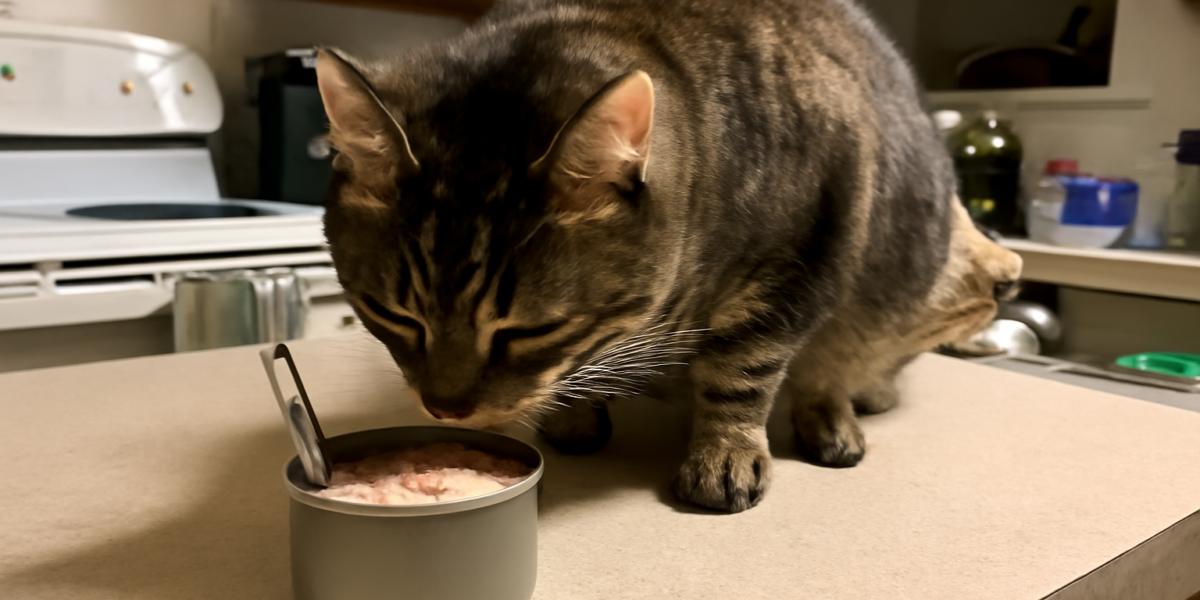
Few things capture a cat’s attention quite like the sound of a can opener paired with the unmistakable aroma of tuna. If you have ever opened a can of tuna in a house with a cat, you already know the magnetic effect it has. This leads to one of the most commonly asked questions among cat owners: can cats eat canned tuna? The answer is yes, but with significant caveats that every cat parent needs to understand. Canned tuna can be offered as an occasional treat, but it should never be a dietary staple due to risks including mercury accumulation, nutritional imbalances, and sodium concerns.
The relationship between cats and tuna is a cultural staple, reinforced by decades of cat food commercials and the seemingly universal feline obsession with this particular fish. However, the reality of feeding canned tuna to cats is more complex than many owners realize. The type of canned tuna you choose, how often you offer it, and how much you give all matter significantly for your cat’s health. Let us break down everything you need to know.
Canned Tuna for Humans Versus Cat Food Tuna
One of the most important distinctions to understand is the difference between canned tuna intended for human consumption and tuna-based cat food. These are not interchangeable products, and the differences are significant for your cat’s health.
Canned tuna made for humans is simply processed tuna fish packed in water, oil, or brine. It is not nutritionally complete for cats and lacks many essential nutrients that cats require, including adequate taurine, vitamin E, and the proper balance of calcium and phosphorus. Feeding human-grade canned tuna as a primary food source can lead to serious nutritional deficiencies over time.
Tuna-based cat food, on the other hand, is formulated by pet nutritionists to meet the complete nutritional requirements of cats. These products contain added vitamins, minerals, taurine, and other essential nutrients that plain tuna does not provide in adequate amounts. When you see tuna-flavored or tuna-based cat food, it has been specifically balanced to serve as a complete meal.
This means that when we discuss whether cats can eat canned tuna, we are primarily talking about human-grade canned tuna used as an occasional treat, supplementing a diet of nutritionally complete cat food. The human-grade product should never replace proper cat food, regardless of how much your cat seems to prefer it.
If you are choosing between different types of human-grade canned tuna for your cat, always select tuna packed in water with no added salt. Tuna packed in oil adds unnecessary fat and calories, while tuna packed in brine or with added salt contains dangerously high sodium levels for cats. Chunk light tuna is generally preferable to albacore (white) tuna because it comes from smaller tuna species that accumulate less mercury.
Mercury Risks: The Most Serious Concern
Mercury contamination is the most significant health concern associated with feeding canned tuna to cats. Tuna, particularly larger species like albacore and bluefin, are high on the oceanic food chain and accumulate mercury through a process called biomagnification. Every organism a tuna eats contributes to its mercury burden, and larger, longer-lived tuna accumulate the most.
Mercury, specifically methylmercury, is a potent neurotoxin that can cause serious damage to the nervous system. In cats, mercury poisoning can manifest as loss of coordination, difficulty walking, tremors, seizures, vision problems, and behavioral changes. Because cats are relatively small animals, they are more susceptible to the effects of mercury than larger species, and the toxic threshold is reached with smaller amounts.
Chronic, low-level mercury exposure from regular tuna consumption is perhaps more concerning than acute poisoning because it can go unnoticed for extended periods. Mercury accumulates in the body over time, and by the time symptoms appear, significant damage may have already occurred. This is why limiting tuna consumption, even when your cat seems perfectly healthy, is so important.
Chunk light tuna, which is typically made from skipjack tuna, contains significantly less mercury than albacore tuna. According to FDA data, chunk light tuna contains an average of 0.12 parts per million of mercury, while albacore averages 0.35 parts per million. For cats, always choose chunk light tuna to minimize mercury exposure.
As a general guideline, most veterinarians recommend limiting canned tuna treats to no more than one tablespoon, once or twice per week, for an average-sized adult cat. This frequency allows your cat to enjoy tuna as an occasional treat while keeping mercury exposure at manageable levels. Cats that are smaller, pregnant, nursing, or have health conditions should consume even less or avoid tuna altogether.
Other Nutritional Concerns with Canned Tuna
Beyond mercury, there are several other nutritional issues associated with regular canned tuna consumption in cats. Understanding these concerns helps explain why veterinarians consistently recommend moderation.
Taurine deficiency is a risk when cats eat too much plain tuna at the expense of their regular cat food. While tuna does contain some taurine, the processing and canning methods can reduce taurine levels. More importantly, if a cat fills up on tuna and eats less of their nutritionally complete cat food, they may not get enough taurine overall. Taurine deficiency leads to dilated cardiomyopathy, retinal degeneration, reproductive problems, and immune dysfunction.
Vitamin E deficiency is another concern with excessive tuna consumption. Tuna is high in polyunsaturated fatty acids, which increase the body’s need for vitamin E. A condition called steatitis, or yellow fat disease, can develop in cats that eat large amounts of tuna without adequate vitamin E supplementation. Steatitis causes inflammation of the body fat, leading to pain, fever, loss of appetite, and a reluctance to be touched.
The sodium content in canned tuna, even varieties packed in water, can be problematic for cats. A single can of tuna packed in water can contain 200 to 400 milligrams of sodium, which is far more than a cat’s daily requirement. Excessive sodium can strain the kidneys and cardiovascular system, and cats with existing kidney disease or heart conditions are particularly vulnerable.
The high protein and phosphorus content of tuna can be problematic for cats with kidney disease. While protein is essential for cats, damaged kidneys struggle to process the waste products of protein metabolism. Phosphorus, which is abundant in tuna, can accelerate the progression of kidney disease. If your cat has been diagnosed with any stage of chronic kidney disease, tuna should only be offered with veterinary approval.
Tuna addiction is a real phenomenon in cats. The strong flavor and aroma of tuna can cause some cats to develop a strong preference for it, to the point where they refuse their regular cat food. This can create a frustrating cycle where the cat holds out for tuna, and the owner gives in rather than watching their cat go hungry. Breaking a tuna addiction often requires patience, gradual transition strategies, and sometimes veterinary guidance.
How to Safely Feed Canned Tuna to Your Cat
If you want to share canned tuna with your cat as an occasional treat, following proper guidelines will help minimize risks while allowing your cat to enjoy this beloved flavor.
Always choose plain chunk light tuna packed in water with no added salt. Drain the water before serving, or alternatively, you can offer the tuna water separately as a flavor enhancer for your cat’s regular food or water bowl. Many cats enjoy the tuna-flavored water even more than the fish itself, and this approach provides flavor with minimal caloric and mercury impact.
Portion control is critical. For an average adult cat weighing 8 to 10 pounds, one tablespoon of canned tuna is an appropriate treat portion. Smaller cats should receive proportionally less. Offer tuna no more than once or twice per week, and ensure it does not replace any of your cat’s nutritionally complete meals.
You can use canned tuna strategically as a food topper to encourage a picky cat to eat their regular food. A small amount of tuna mixed into or sprinkled on top of cat food can make an otherwise rejected meal more appealing. This approach uses tuna as a flavor enhancer rather than a standalone treat, reducing the amount consumed while maximizing its appeal.
Canned tuna can also be useful for hiding medications. A small amount of tuna wrapped around or mixed with a pill can make medication time significantly easier. This is one of the most practical and veterinarian-approved uses of canned tuna for cats.
Consider alternating tuna with other fish treats that carry lower mercury risks. Salmon and sardines are both lower in mercury than tuna while providing similar omega-3 benefits and flavor appeal. Rotating between different fish types reduces the risk of mercury accumulation from any single source.
Signs of Tuna-Related Health Problems
Knowing the warning signs of tuna-related health issues can help you catch problems early and seek appropriate veterinary care. These symptoms may develop gradually over weeks or months of excessive tuna consumption, or they may appear acutely if a cat eats a large amount of tuna at once.
Signs of mercury toxicity include loss of coordination or wobbling when walking, tremors or involuntary muscle movements, vision changes or apparent blindness, behavioral changes such as unusual aggression or lethargy, loss of appetite, and in severe cases, seizures. If you notice any neurological symptoms in a cat that has been eating tuna regularly, contact your veterinarian immediately and mention the tuna consumption.
Symptoms of steatitis (yellow fat disease) include sensitivity to touch, lumpy or hardened areas under the skin, fever, loss of appetite, lethargy, and a reluctance to move. This condition is painful and requires veterinary treatment, typically including vitamin E supplementation and dietary changes.
Signs of sodium overload include excessive thirst, frequent urination, vomiting, diarrhea, and in severe cases, neurological symptoms such as disorientation or seizures. Cats with kidney or heart disease are most at risk for sodium-related complications.
If your cat develops an apparent addiction to tuna and refuses their regular food, consult your veterinarian for strategies to transition them back to a balanced diet. Going without food for more than 24 to 48 hours is dangerous for cats and can trigger hepatic lipidosis, a serious liver condition. Never attempt to starve a cat into accepting their food.
When to Contact Your Veterinarian
Reach out to your veterinarian if your cat shows any of the symptoms described above, or if you have concerns about how much tuna your cat has been consuming. Your vet can run blood tests to check for mercury levels, kidney function, vitamin E status, and overall nutritional health.
Cats with chronic conditions including kidney disease, heart disease, hyperthyroidism, or diabetes should have any tuna consumption approved by their veterinarian. These conditions may interact with the nutritional profile of tuna in ways that could worsen the underlying disease.
If your cat has consumed a large amount of canned tuna in a single sitting, particularly varieties packed in oil, brine, or with seasonings, contact your vet for advice. A one-time large consumption is unlikely to cause mercury toxicity, but the sodium and fat content could trigger acute digestive upset or, in cats with predisposing conditions, pancreatitis.
Frequently Asked Questions
Can cats eat canned tuna every day?
No, cats should not eat canned tuna every day. Daily tuna consumption significantly increases the risk of mercury accumulation, nutritional imbalances, steatitis, and sodium-related health problems. Even small daily amounts add up over time, and mercury in particular accumulates in the body faster than it can be eliminated. Most veterinarians recommend limiting canned tuna to no more than one to two tablespoons, one to two times per week. Your cat’s primary diet should consist of a nutritionally complete and balanced cat food formulated to meet all of their dietary needs.
Is tuna in oil or tuna in water better for cats?
Tuna packed in water is significantly better for cats than tuna packed in oil. Oil-packed tuna contains added fat that can contribute to weight gain and may trigger pancreatitis in susceptible cats. The oils used, typically vegetable or olive oil, add calories without providing significant nutritional benefits for cats. Additionally, oil-packed tuna can cause greasy stools and digestive discomfort. Always choose plain tuna packed in spring water with no added salt for the safest option. Drain the water before serving, or offer the tuna water separately as a flavor enhancer.
Why does my cat go crazy for tuna but ignore other foods?
Tuna has an exceptionally strong aroma and flavor that is highly stimulating to cats’ senses. The amino acids in tuna, particularly inosinic acid, create an umami flavor that cats find irresistible. Tuna also has a higher histamine content than many other fish, which contributes to its intense smell and taste. Unfortunately, this powerful appeal can lead to tuna addiction, where cats develop such a strong preference for tuna that they refuse other foods. If your cat is becoming overly fixated on tuna, gradually reduce the frequency and amount while mixing small amounts of tuna into their regular food to maintain interest in their balanced diet.
Can I use canned tuna to get my cat to take their medication?
Yes, canned tuna is one of the most effective and commonly recommended methods for hiding medications in cats. The strong flavor and aroma of tuna can mask the taste and smell of most pills and liquid medications. Wrap a small amount of tuna around the pill or mix crushed medication with a teaspoon of tuna. However, check with your veterinarian first, as some medications should not be taken with food, and some may interact with the nutrients in tuna. If your cat is on a restricted diet for kidney disease or another condition, ask your vet for alternative medication-hiding strategies that are compatible with their dietary requirements.


