
Last updated: April 8, 2026
In this article
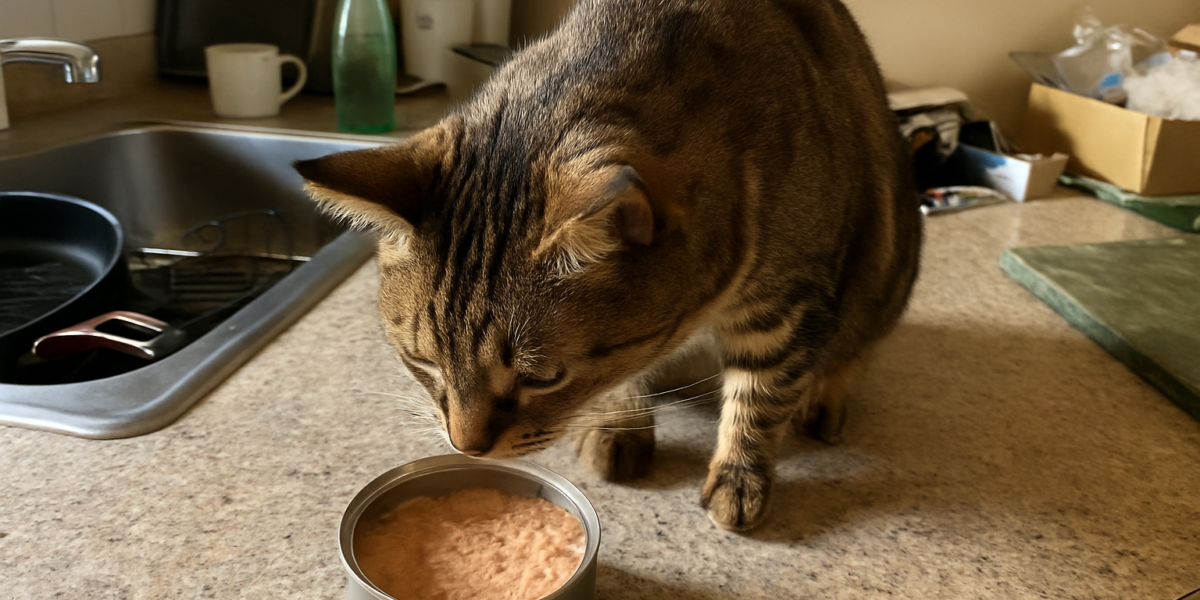
If there is one food that virtually every cat owner associates with feline enthusiasm, it is tuna. The moment you crack open a can, most cats materialize as if summoned by some ancient instinct, weaving between your legs and meowing with an urgency usually reserved for genuine emergencies. Cats are famously passionate about tuna — but that passion does not necessarily mean it is good for them in unlimited quantities. The relationship between cats and tuna is more nuanced than you might expect.
Quick Answer: Yes, cats can eat small amounts of plain tuna as an occasional treat. However, tuna should never be a primary food source. Too much tuna can lead to mercury poisoning, nutritional deficiencies, and a condition called steatitis. Moderation is essential.
Is Tuna Safe for Cats?
Tuna is safe for cats in small, occasional servings. It is not toxic, and the protein and omega-3 fatty acids it provides can be beneficial. Many commercial cat foods include tuna as an ingredient, which indicates that the fish itself is not inherently problematic for cats when incorporated into a balanced formulation.
The problems with tuna arise from frequency and quantity rather than from the fish being fundamentally unsafe. Tuna, as a large predatory fish, accumulates mercury through the food chain in a process called bioaccumulation. The larger and longer-lived the fish, the more mercury it tends to contain. Regular consumption of tuna can lead to mercury building up in a cat’s body over time, eventually reaching levels that cause neurological damage, kidney problems, and other serious health issues.
Additionally, tuna alone does not provide all the nutrients a cat needs. It is deficient in several vitamins and minerals that are essential for feline health, including taurine (in some preparations), vitamin E, calcium, and various B vitamins. A cat fed primarily on tuna can develop serious nutritional deficiencies even while consuming adequate calories and protein. This is why tuna should always be a treat, never a diet.
The type of tuna matters as well. Tuna canned in water is the safest option for cats. Tuna in oil adds unnecessary fat and calories. Tuna packed in brine is too salty. Fresh or raw tuna carries the risk of parasites and bacteria. And flavored or seasoned tuna products — including tuna salad, tuna with added garlic or onion, and sushi-grade tuna with wasabi — should never be given to cats. For more about feline nutrition across different breeds, our cat breeds directory offers helpful breed-specific information.
Nutritional Profile of Tuna
Tuna is a protein powerhouse. A three-ounce serving of canned light tuna in water contains approximately 73 calories, 16.5 grams of protein, and less than 1 gram of fat. This makes it one of the most protein-dense foods available, which explains its appeal in both human and feline diets.
The omega-3 fatty acid content is one of the most significant nutritional assets of tuna. EPA (eicosapentaenoic acid) and DHA (docosahexaenoic acid) are the two primary omega-3s found in tuna, and both play important roles in reducing inflammation, supporting brain and eye health, and maintaining healthy skin and coat. For cats, whose natural diet in the wild would include fish-derived omega-3s, these fatty acids are biologically appropriate and beneficial in moderation.
Tuna provides selenium, a trace mineral that acts as an antioxidant and supports thyroid function and immune health. It also contains niacin (vitamin B3), vitamin B12, and vitamin B6, all of which support energy metabolism and nervous system function. The phosphorus content supports bone and tooth health, though excess phosphorus can be problematic for cats with kidney disease.
What tuna lacks is equally important. It is low in calcium, which creates an imbalanced calcium-to-phosphorus ratio when fed as a primary food. It does not contain adequate vitamin E to counteract the polyunsaturated fats it provides, which can lead to a painful inflammatory condition called steatitis (yellow fat disease) with prolonged feeding. And depending on the preparation, it may not provide sufficient taurine — an essential amino acid that cats cannot synthesize and that is critical for heart function, vision, and reproduction.
Benefits of Tuna for Cats
When used appropriately as an occasional treat, tuna offers several benefits for cats.
High-quality protein. Tuna provides complete protein with all essential amino acids in a form that cats find extremely palatable. For cats who are recovering from illness, have reduced appetite, or need encouragement to eat, a small amount of tuna mixed into their regular food can be an effective appetite stimulant.
Omega-3 fatty acids. The EPA and DHA in tuna support skin and coat health, reduce inflammation, and may benefit cats with allergies, arthritis, or other inflammatory conditions. These are the same omega-3s that many veterinarians recommend supplementing, and whole-food sources like tuna provide them in their most bioavailable form.
Hydration support. Canned tuna in water provides both protein and moisture, which can be beneficial for cats who do not drink enough water on their own. Many cats have a naturally low thirst drive, particularly those who eat primarily dry food, and water-packed tuna can help increase fluid intake.
Mental enrichment and bonding. Offering tuna as a special treat provides mental stimulation and can strengthen the bond between a cat and their owner. The strong aroma and flavor of tuna make it one of the most effective reward foods for cats, useful during training, medication administration, or transitioning to a new food.
Palatability for picky eaters. Some cats are notoriously selective about their food. A small amount of tuna water drizzled over food can entice even the most finicky cat to eat, making it a useful tool for owners dealing with appetite issues or food transitions.
Risks and Side Effects of Tuna for Cats
The risks of tuna for cats are significant enough that veterinarians consistently recommend strict moderation.
Mercury accumulation. This is the most serious long-term risk. Mercury is a neurotoxin that accumulates in body tissues and is not easily eliminated. Cats are smaller than humans and therefore more vulnerable to mercury’s effects at lower exposure levels. Symptoms of mercury poisoning in cats include loss of coordination, difficulty walking, muscle tremors, vision problems, and in severe cases, seizures and death. These symptoms develop gradually over weeks to months of excessive tuna consumption.
Steatitis (yellow fat disease). This painful inflammatory condition develops when a cat consumes too much unsaturated fat without adequate vitamin E. Tuna is high in polyunsaturated fatty acids but low in vitamin E, creating the conditions for steatitis with prolonged exclusive feeding. Symptoms include painful fat deposits under the skin, lethargy, loss of appetite, fever, and sensitivity to touch. Treatment requires veterinary intervention and dietary correction.
Nutritional imbalances. Tuna does not provide balanced nutrition for cats. It lacks adequate calcium, vitamin E, and other nutrients that cats require. A cat fed exclusively or primarily on tuna will develop deficiencies that can lead to bone problems, immune dysfunction, reproductive issues, and other systemic health problems. Commercial cat foods formulated with tuna include supplemental vitamins and minerals to address these deficiencies — plain canned tuna does not.
Tuna addiction. This is a well-documented phenomenon in veterinary practice. Some cats develop such a strong preference for tuna that they refuse to eat anything else. This creates a dangerous cycle: the cat demands tuna, the owner provides it because the cat will not eat otherwise, and the cat’s nutritional status deteriorates. Once a tuna addiction develops, it can be very difficult to break. The best prevention is to never allow tuna to become a regular or primary food source.
Thiamine deficiency. Certain types of tuna, particularly raw tuna, contain thiaminase — an enzyme that destroys thiamine (vitamin B1). Thiamine is essential for nerve function in cats, and deficiency can cause neurological symptoms including loss of appetite, vomiting, seizures, and potentially death. Cooking destroys thiaminase, so this risk is primarily associated with raw or undercooked tuna.
Allergic reactions. While uncommon, some cats are allergic to fish proteins. Signs of a food allergy include itchy skin, excessive grooming, hair loss, gastrointestinal upset, and recurrent ear infections. If your cat develops these symptoms after eating tuna, discontinue and consult your veterinarian.
How to Feed Tuna to Your Cat Safely
Following a few straightforward guidelines will help you offer tuna as a safe, enjoyable treat.
Choose the right type. Canned light tuna in water is the best option for cats. Light tuna (typically skipjack) contains significantly less mercury than albacore (white) tuna. Always choose tuna packed in water rather than oil or brine. Drain the water before serving, or reserve it to drizzle over your cat’s regular food as a flavor enhancer.
Serve plain and unseasoned. No salt, no garlic, no onion, no lemon, no mayonnaise, no butter. Plain tuna straight from the can is the only appropriate form. Tuna salad, tuna casserole, and any seasoned preparations are not safe for cats.
Keep portions small. Tuna should make up no more than ten percent of your cat’s daily caloric intake. For an average 10-pound cat consuming roughly 200 calories per day, that means no more than about one tablespoon of canned tuna per serving, offered no more than two to three times per week.
Treat, not a meal. Never use tuna as a meal replacement. It should always be offered alongside or as a small supplement to a complete and balanced commercial cat food. If you are using tuna to encourage a sick cat to eat, discuss a long-term nutrition plan with your veterinarian.
Avoid raw tuna. Raw tuna can contain parasites, bacteria (including Salmonella and Listeria), and thiaminase. Always use cooked or canned tuna for cats. Sushi-grade tuna is not safer — the “sushi-grade” designation refers to handling practices, not the elimination of all pathogens.
- Suggested frequency: No more than two to three times per week
- Suggested portion: One tablespoon per serving for an average adult cat
- Best type: Canned light tuna (skipjack) in water, drained
Signs of Problems After Eating Tuna
Most cats who eat a small amount of plain canned tuna will have no adverse effects. However, watch for the following signs, especially with regular tuna consumption.
Short-term signs after eating too much tuna: Vomiting, diarrhea, loss of appetite for regular food, and excessive thirst (if the tuna was salty). These typically resolve within 24 hours. Ensure your cat has access to fresh water.
Signs of mercury accumulation (develops over weeks to months): Loss of coordination, stumbling or difficulty walking, muscle tremors or twitching, vision changes, disorientation, and behavioral changes. If you notice any of these symptoms in a cat who has been eating tuna regularly, discontinue all tuna immediately and see your veterinarian.
Signs of steatitis: Pain when touched (especially around the abdomen and limbs), fever, lethargy, loss of appetite, and lumpy or hardened fat deposits under the skin. This condition requires veterinary treatment including dietary changes and vitamin E supplementation.
Signs of tuna addiction: Refusing all food except tuna, demanding tuna by vocalizing excessively near the kitchen or where tuna is stored, and losing weight or developing poor coat quality due to nutritional imbalances. Address this early by gradually reducing tuna and mixing increasing amounts of balanced cat food with the tuna.
Healthy Alternatives to Tuna for Cats
If your cat loves fish but you want to reduce tuna-specific risks, several alternatives provide similar enjoyment with lower concerns. Cooked chicken is an excellent protein source that most cats enjoy and that carries no mercury risk. Cooked eggs provide complete protein and are well-tolerated by most cats. Commercial cat foods that use salmon, sardines, or mackerel as primary ingredients offer omega-3 benefits with more controlled nutrient profiles than plain tuna.
Sardines (canned in water, no salt) are a particularly good alternative because they are smaller fish with lower mercury levels than tuna, and they provide similar omega-3 benefits. Cooked white fish like cod or tilapia is another option that provides protein without the mercury concerns of larger fish.
If you are thinking about adopting a cat, understanding feline nutrition from the start will help you build healthy feeding habits that support your cat’s wellbeing for years to come.
Frequently Asked Questions
Can kittens eat tuna?
Kittens should not eat tuna. Their smaller body weight makes them even more vulnerable to mercury accumulation, and their rapidly developing bodies require carefully balanced nutrition that tuna alone cannot provide. Kittens should eat a complete, balanced kitten food formulated for growth. Once a cat is fully grown (around 12 months for most breeds), very small amounts of tuna can be introduced as an occasional treat.
Is canned tuna cat food the same as human canned tuna?
No. Cat food that contains tuna is formulated to be nutritionally complete, with added vitamins, minerals, taurine, and other essential nutrients that plain tuna lacks. Human canned tuna is just tuna and possibly water or oil — it does not contain the supplemental nutrients cats need. Cat food with tuna is designed to be fed as a meal; human canned tuna should only be an occasional treat.
Can cats eat tuna every day?
No. Daily tuna consumption increases the risk of mercury accumulation, nutritional imbalances, steatitis, and tuna addiction. Even small daily amounts compound these risks over time. Limiting tuna to two to three small servings per week is a much safer approach that still allows your cat to enjoy this treat without the associated health risks.
How do I know if my cat has eaten too much tuna?
Short-term overconsumption typically causes vomiting and diarrhea. Long-term overconsumption manifests as neurological symptoms (loss of coordination, tremors, vision problems) from mercury accumulation, or painful fat inflammation from steatitis. If your cat has been eating tuna frequently and you notice any changes in coordination, behavior, skin sensitivity, or coat quality, consult your veterinarian and discontinue tuna immediately.
Can cats drink tuna water?
Small amounts of the water from a can of plain tuna (packed in water, no salt added) can be offered to cats as an occasional treat or appetite stimulant. It can be drizzled over dry food to add flavor and encourage eating. However, the same moderation guidelines apply — the water contains some of the same compounds as the tuna itself, including trace mercury, so it should not be a daily offering. Never give cats the liquid from tuna packed in oil or brine.
Is albacore tuna worse than light tuna for cats?
Yes. Albacore (white) tuna contains approximately three times more mercury than light (skipjack) tuna. This is because albacore are larger fish that live longer and accumulate more mercury through their diet. If you are going to give your cat tuna, canned light tuna is always the better choice. Some veterinarians recommend avoiding albacore entirely for cats and reserving it only for occasional human consumption.


