
Last updated: April 1, 2026
In this article
Can Cats Eat Tilapia? Everything You Need to Know
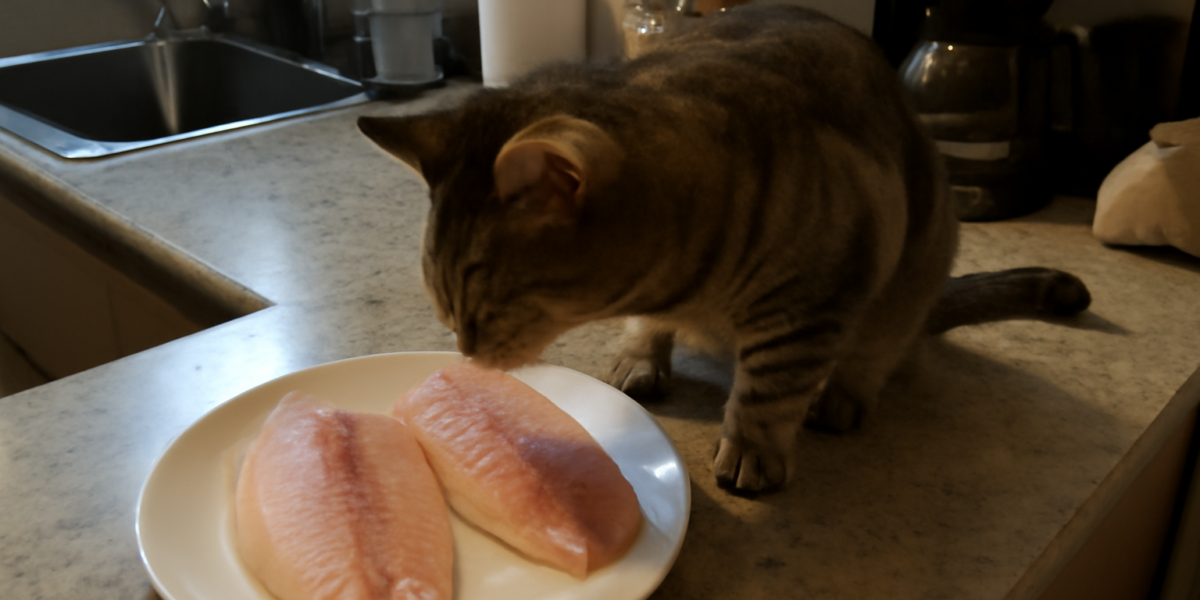
Cats and fish have a long-standing association in popular culture, from cartoon cats eyeing fishbowls to the fish flavors that dominate the cat food aisle. But when it comes to fresh fish from your kitchen, like tilapia, many cat owners are unsure whether it is truly safe to share. Tilapia is one of the most widely consumed fish in the world due to its mild flavor, affordability, and availability, so it is a common question for pet owners who prepare this fish regularly at home.
The answer is that yes, cooked, unseasoned tilapia is safe for cats to eat in moderation. It can even offer some nutritional benefits as an occasional treat. However, there are important guidelines to follow regarding preparation, serving size, and frequency to ensure your cat stays healthy and safe. This article will walk you through everything you need to know about feeding tilapia to your cat.
Nutritional Profile of Tilapia for Cats
Tilapia is a lean, white freshwater fish that offers a solid nutritional profile for both humans and cats. A three-ounce serving of cooked tilapia contains approximately 110 calories, 23 grams of protein, and only about 2 grams of fat. It is an excellent source of lean protein, which is the cornerstone of a cat’s dietary needs as obligate carnivores.
In addition to protein, tilapia provides several important vitamins and minerals. It is a good source of vitamin B12, which supports nervous system function and red blood cell production, niacin (vitamin B3), which aids in energy metabolism, selenium, an important antioxidant mineral, and phosphorus, which works alongside calcium to support bone and dental health. Tilapia also contains smaller amounts of potassium, vitamin D, and omega-3 fatty acids, though its omega-3 content is lower than that of fattier fish like salmon.
One of the key nutritional advantages of tilapia for cats is its low fat content. While cats do need dietary fat for energy and essential fatty acid requirements, the lean nature of tilapia makes it a good choice for cats that need to manage their weight or for those with conditions that require a lower-fat diet. The high protein content aligns well with cats’ biological need for animal-based proteins as their primary nutrient source.
It is important to note that while tilapia provides beneficial nutrients, it does not offer a complete nutritional profile for cats on its own. Cats require specific nutrients like taurine, arachidonic acid, and vitamin A in preformed quantities that may not be present in adequate amounts in tilapia alone. This is why tilapia should be a supplement to, not a replacement for, a complete and balanced commercial cat food.
How to Safely Prepare Tilapia for Your Cat
Proper preparation is critical when feeding tilapia to your cat. The way you cook fish for yourself likely involves ingredients and methods that are not appropriate for feline consumption, so it is important to prepare a separate, cat-safe portion.
Always cook tilapia thoroughly before offering it to your cat. Raw fish poses several risks to cats, including bacterial contamination from pathogens like salmonella and listeria, parasitic infections, and the presence of thiaminase, an enzyme that breaks down thiamine (vitamin B1) and can lead to a dangerous thiamine deficiency if raw fish is consumed regularly. Cooking destroys thiaminase and eliminates most bacterial and parasitic concerns.
The best cooking methods for preparing tilapia for your cat are baking, steaming, and poaching. These methods cook the fish thoroughly without requiring added oils or fats. To bake tilapia for your cat, place a plain fillet on a parchment-lined baking sheet and bake at 375 degrees Fahrenheit for about 15 to 20 minutes until the fish flakes easily with a fork. To steam, place the fillet over boiling water in a steamer basket and steam for 8 to 10 minutes. To poach, simmer the fillet in plain water for about 10 minutes until cooked through.
Do not add any salt, butter, oil, lemon juice, garlic, onion, herbs, spices, or sauces to the tilapia you prepare for your cat. Garlic and onion are toxic to cats, excessive salt can cause sodium poisoning, and oils and butter can lead to digestive upset and pancreatitis. The tilapia should be completely plain.
Before serving, carefully remove all bones from the cooked tilapia. While tilapia has relatively few bones compared to some other fish species, small pin bones can still be present and pose a choking hazard or cause injury to your cat’s mouth, throat, or digestive tract. Run your fingers along the flesh of the cooked fillet to check for any remaining bones and remove them. Flake the fish into small, manageable pieces that are easy for your cat to eat.
Allow the cooked tilapia to cool to room temperature or slightly warm before offering it to your cat. Hot food can burn your cat’s mouth and throat, while many cats prefer food that is closer to body temperature rather than cold from the refrigerator.
Portion Sizes and Feeding Frequency
Even though tilapia is safe for cats, moderation is essential. Treats and supplemental foods, including tilapia, should comprise no more than 10 percent of your cat’s daily caloric intake. The remaining 90 percent should come from a complete and balanced commercial cat food that meets all of your cat’s nutritional requirements.
For an average adult cat weighing around 10 pounds, a serving of one to two tablespoons of cooked, flaked tilapia is an appropriate treat portion. This equates to roughly half an ounce to one ounce of fish. Smaller cats should receive proportionally less, while larger cats can have slightly more, but always within the 10-percent treat guideline.
Tilapia should be offered no more than two to three times per week. Feeding fish too frequently can lead to an unbalanced diet, potential mercury exposure over time, and the development of finicky eating habits where your cat begins refusing their regular food in favor of fish. Rotating tilapia with other protein sources helps ensure nutritional variety and prevents your cat from becoming overly dependent on any single food.
Consider other fish options for your cat to provide variety. Different fish species offer different nutritional profiles, and rotating between them can provide a broader range of nutrients. Shrimp is another seafood option that many cats enjoy and that can be safely offered as an occasional treat.
If you notice that your cat is leaving their regular food uneaten and only wanting tilapia or other treats, reduce the frequency and amount of treats and ensure their regular meals are offered first when they are hungry. A cat that fills up on treats at the expense of their balanced diet will eventually develop nutritional deficiencies.
Potential Risks and Concerns
While tilapia is generally safe for cats, there are several risks and concerns that responsible cat owners should be aware of before making it a regular part of their cat’s treat rotation.
Mercury contamination is a concern with many types of fish, though tilapia is generally considered a lower-mercury option compared to larger predatory fish like tuna, swordfish, and mackerel. Mercury accumulates in fish through a process called bioaccumulation, where larger fish that eat smaller fish concentrate mercury in their tissues over time. Because tilapia is a smaller fish that feeds primarily on algae and plant matter, it tends to have lower mercury levels. However, regular exposure to even low levels of mercury can accumulate in your cat’s body over time, which is another reason to limit fish consumption to a few times per week.
Environmental contaminants are another consideration, particularly with farm-raised tilapia, which accounts for the majority of tilapia sold in stores. Farm-raised fish may be exposed to antibiotics, pesticides, and other chemicals used in aquaculture operations. While regulatory agencies set limits on these contaminants, choosing tilapia from reputable sources and varying the types of fish you offer your cat can help minimize exposure.
Allergic reactions to fish are possible in cats, though they are not extremely common. Signs of a food allergy in cats can include itching, particularly around the head and neck, hair loss, skin redness or sores, vomiting, diarrhea, and excessive grooming. If you notice any of these symptoms after introducing tilapia, discontinue it and consult your veterinarian. Food allergies are typically diagnosed through elimination diets conducted under veterinary supervision.
Thiamine deficiency is a risk primarily associated with raw fish consumption, as the enzyme thiaminase in raw fish destroys thiamine. However, cooking eliminates this enzyme, so this concern is addressed by always cooking tilapia thoroughly before serving it. Thiamine deficiency in cats can cause neurological symptoms, loss of appetite, and in severe cases, seizures and death, so the importance of cooking fish cannot be overstated.
Digestive upset, including vomiting and diarrhea, can occur if your cat eats too much tilapia at once or if they have a sensitive stomach. Introducing tilapia gradually in small amounts will help you identify any digestive sensitivities before they become a problem. If your cat consistently experiences digestive issues with tilapia, it may simply not agree with their system, and other protein sources should be explored instead.
Tilapia Compared to Other Fish for Cats
Understanding how tilapia compares to other commonly available fish can help you make the best choices for your cat’s treat rotation. Each type of fish has its own nutritional strengths and potential concerns.
Salmon is richer in omega-3 fatty acids than tilapia, which makes it potentially more beneficial for skin, coat, and joint health. However, salmon is also higher in fat and calories, which may not be ideal for overweight cats. Both fish are safe when cooked and served plain, and rotating between them provides a good balance of nutrients.
Tuna is extremely popular with cats due to its strong flavor and aroma, but it carries higher mercury levels than tilapia and can become addictive for some cats, leading them to refuse other foods. Tilapia is generally a safer choice for regular consumption due to its lower mercury content and milder flavor that is less likely to create food addiction.
Cod and haddock are comparable to tilapia in terms of their lean, mild profiles. They are all good low-fat protein sources for cats. Sardines offer higher omega-3 content and lower mercury levels due to their small size but are oilier than tilapia and should be offered in smaller portions.
Regardless of the type of fish you choose, the same basic rules apply: cook it thoroughly, serve it plain without seasonings, remove all bones, offer it in moderation, and always ensure your cat’s primary diet is a complete and balanced commercial food.
Frequently Asked Questions
Can cats eat raw tilapia?
No, cats should not eat raw tilapia. Raw fish can contain harmful bacteria like salmonella and listeria that can cause food-borne illness in cats. Raw tilapia also contains thiaminase, an enzyme that destroys thiamine, an essential B vitamin. Regular consumption of raw fish can lead to thiamine deficiency, which causes serious neurological problems in cats, including loss of coordination, seizures, and in severe cases, death. Always cook tilapia thoroughly before offering it to your cat to eliminate these risks.
Can I feed my cat tilapia skin?
It is best to remove the skin from tilapia before serving it to your cat. Fish skin can be tough and difficult for cats to chew and digest, and it may contain higher concentrations of environmental contaminants than the flesh. Additionally, tilapia skin is often prepared for humans with oil, seasoning, and salt, which are not safe for cats. If the skin is thoroughly cooked and completely plain, a small piece is unlikely to cause harm, but removing it is the safer and recommended practice.
How can I tell if my cat is allergic to tilapia?
Food allergies in cats typically manifest through skin symptoms or gastrointestinal signs. After introducing tilapia, watch for itching, excessive scratching or grooming, hair loss, red or inflamed skin, ear infections, vomiting, or diarrhea. These symptoms may appear within hours of eating the fish or may develop gradually over days or weeks of repeated exposure. If you suspect a food allergy, stop feeding tilapia and consult your veterinarian. Definitive diagnosis usually requires an elimination diet trial, where suspected allergens are removed from the diet for several weeks and then reintroduced one at a time to identify the culprit.
Is canned tilapia safe for cats?
Canned tilapia can be safe for cats if it is packed in water with no added salt, seasonings, or oils. Check the ingredient list and nutrition label carefully before offering canned tilapia to your cat. Many canned fish products contain significant amounts of added sodium, which can be harmful to cats. If you find a plain, water-packed canned tilapia with no added ingredients, it can be a convenient option. Drain the liquid before serving, and offer only a small portion as an occasional treat.
When to Call Your Veterinarian
In most cases, feeding your cat a small amount of cooked, plain tilapia will not cause any problems. However, you should contact your veterinarian if your cat shows signs of an allergic reaction after eating tilapia, including itching, swelling, vomiting, or difficulty breathing. Seek veterinary advice if your cat experiences persistent digestive upset after consuming tilapia, if your cat has eaten raw tilapia or tilapia that was prepared with garlic, onion, or other toxic ingredients, or if you are unsure whether tilapia is appropriate for your cat given their specific health conditions.
Cats with kidney disease, liver disease, or other chronic conditions may need dietary restrictions that affect whether tilapia is a suitable treat. Always check with your veterinarian before introducing new foods to cats with known health issues.
In summary, cooked, unseasoned, boneless tilapia is a safe and nutritious occasional treat for most cats. Its lean protein content aligns well with feline dietary needs, and its mild flavor appeals to many cats. By following proper preparation guidelines, controlling portions, and limiting frequency, you can safely share this popular fish with your feline companion as part of a varied and balanced diet.


