
Last updated: April 1, 2026
In this article
Can Cats Eat Wasabi? Safety Guide for Cat Owners
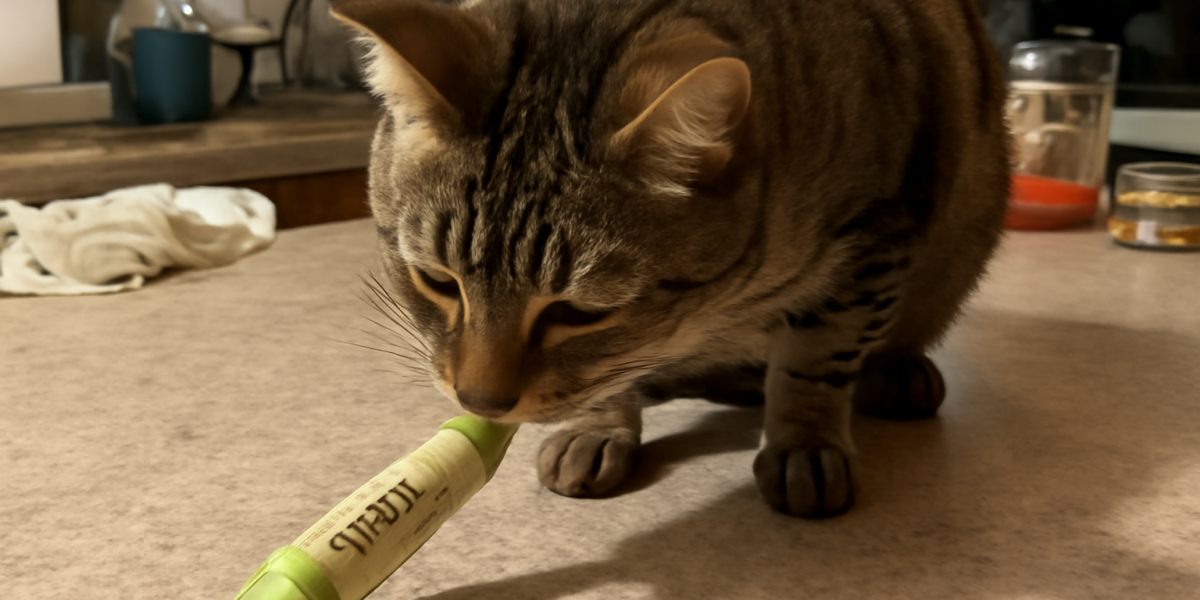
Wasabi is a fiery condiment that is a staple alongside sushi and other Japanese dishes. Known for its intense, sinus-clearing heat, wasabi delivers a sharp, pungent flavor that is unlike the slow burn of chili peppers. If you enjoy sushi at home, you may have noticed your cat showing interest in your plate. While cats are unlikely to voluntarily eat wasabi due to its powerful aroma, accidental exposure does occur, and some particularly adventurous cats may sample it out of curiosity.
As obligate carnivores, cats have very specific dietary needs centered around animal proteins. Their digestive systems and taste receptors are fundamentally different from those of humans, and they have no biological need for or tolerance of spicy condiments. Understanding why wasabi is harmful to cats is important for keeping your feline companion safe during mealtimes.
Quick Answer: Can Cats Eat Wasabi?
No, cats should never eat wasabi. Wasabi contains allyl isothiocyanate, the compound responsible for its intense heat. This chemical irritant can cause significant distress to a cat’s mouth, throat, stomach, and respiratory passages. Cats are far more sensitive to irritating compounds than humans, and even a small taste of wasabi can result in an uncomfortable and potentially dangerous reaction.
It is also worth noting that most commercial wasabi products sold outside Japan are not made from real wasabi root (Wasabia japonica) at all. They typically consist of horseradish, mustard, cornstarch, and green food coloring. These imitation wasabi products are equally harmful to cats, as horseradish and mustard contain the same class of irritating isothiocyanate compounds found in genuine wasabi.
Nutritional Considerations for Cats
Wasabi root, in its authentic form, does contain some nutrients that are beneficial to humans. Real wasabi provides small amounts of vitamin C, potassium, magnesium, zinc, and fiber. It also contains unique compounds called isothiocyanates, which have been studied for their antimicrobial and anti-inflammatory properties in human health research.
However, none of these nutritional attributes are relevant to feline health. Cats produce their own vitamin C and obtain all necessary minerals from a properly formulated meat-based diet. The quantities of wasabi that would need to be consumed to provide any measurable nutritional benefit would be far beyond what a cat could tolerate without serious adverse effects.
Cats have approximately 470 taste buds compared to the roughly 9,000 that humans possess. They cannot taste sweetness and have a limited palate that is optimized for detecting amino acids in meat. Spicy or pungent flavors serve no purpose in feline nutrition and offer no enjoyment to cats. The burning sensation caused by wasabi is a pain response, not a flavor experience, and cats experience this pain without any of the cultural enjoyment that humans associate with spicy foods.
A cat’s nutritional needs are best met through high-quality animal proteins, animal fats, taurine, preformed vitamin A, and other nutrients found in meat-based diets. Condiments and seasonings of any kind are unnecessary and often harmful additions to a cat’s food.
Benefits and Risks of Wasabi for Cats
There are absolutely no benefits to giving wasabi to cats. The risks, however, are immediate and can be severe.
The primary dangers of wasabi for cats include:
- Oral and throat irritation: Allyl isothiocyanate causes an intense burning sensation on contact with mucous membranes. A cat that eats wasabi will experience immediate pain and irritation in the mouth, tongue, and throat, which can lead to excessive drooling, pawing at the face, and distress.
- Gastrointestinal inflammation: Once swallowed, wasabi can irritate the lining of the stomach and intestines, causing vomiting, diarrhea, and abdominal pain. The gastric distress can be significant even from a small amount.
- Respiratory distress: The volatile compounds in wasabi can irritate a cat’s nasal passages and respiratory tract. Cats who inhale wasabi fumes or eat the paste may experience sneezing, coughing, watery eyes, and difficulty breathing.
- Dehydration risk: Prolonged vomiting and diarrhea from wasabi ingestion can lead to dehydration, which is a serious concern in cats and can escalate quickly, particularly in smaller or older animals.
- Stress response: The sudden pain and discomfort from wasabi can trigger a significant stress response in cats, potentially leading to behavioral changes, hiding, or reluctance to eat for hours or days afterward.
It should also be emphasized that intentionally giving wasabi to a cat to observe their reaction is a form of animal cruelty. Videos of pets reacting to spicy foods may circulate on social media, but causing deliberate pain to an animal for entertainment is irresponsible and harmful.
How to Keep Your Cat Safe Around Wasabi
Prevention is the only appropriate strategy when it comes to cats and wasabi. Here are practical steps to minimize the risk of accidental exposure:
When eating sushi or other meals with wasabi at home, keep your plate out of your cat’s reach. Many cats are attracted to the fish in sushi rather than the wasabi, but a cat pawing at your plate could easily get wasabi on their paws or fur and subsequently ingest it during grooming.
Store wasabi paste tubes, powder containers, and fresh wasabi root in closed cabinets or the refrigerator. Dispose of wasabi-contaminated takeout containers and packets in a sealed trash bin. Even residual wasabi on packaging can be enough to cause irritation if a cat investigates the garbage.
If you are preparing food with wasabi, wash your hands before touching your cat. The paste can cling to skin and transfer to your cat’s fur, where it may be licked off during normal grooming behavior. Similarly, wipe down counters and surfaces where wasabi was used.
If you enjoy sushi with your cat nearby, consider setting out a small cat-safe treat for them to enjoy at the same time, such as a bit of plain cooked fish. This can help redirect their attention away from your plate. For more information on fish-based options, read our article on whether cats can eat canned tuna in oil.
Signs of Problems After Wasabi Ingestion
If your cat has consumed wasabi, symptoms will typically appear very quickly, often within minutes. Watch for the following signs:
- Intense pawing at the mouth or face
- Excessive drooling or hypersalivation
- Gagging or retching
- Vomiting
- Watery or red eyes
- Sneezing fits
- Coughing or wheezing
- Diarrhea (may occur hours later)
- Refusal to eat or drink
- Hiding or avoiding interaction
If your cat has consumed a small taste of wasabi, offer them fresh water immediately. Do not force them to drink, but make clean water readily available, as it can help dilute the irritating compounds. Do not try to induce vomiting unless specifically instructed to do so by a veterinarian.
If symptoms are severe, persistent, or if you suspect your cat consumed a significant amount, contact your veterinarian or an emergency animal hospital right away. Difficulty breathing, persistent vomiting, or signs of severe pain warrant immediate professional attention.
Healthy Alternatives to Wasabi for Cats
Cats do not need or want spicy flavors in their food. If you are looking for ways to add variety to your cat’s diet, stick to options that are compatible with their carnivorous biology.
Small pieces of cooked, unseasoned fish such as salmon, cod, or tilapia can satisfy a cat’s interest in your seafood dinner without any of the risks posed by wasabi or other condiments. Cooked shrimp, with the shell and tail removed, is another protein-rich treat that most cats enjoy. You can also explore whether cats can safely eat anchovies as a flavorful fish-based snack.
Freeze-dried meat treats designed specifically for cats are an excellent option that provides the intense meaty flavor cats crave without any harmful additives. Look for single-ingredient treats made from chicken, turkey, salmon, or other quality proteins.
Commercial cat food toppers can also add variety to your cat’s meals. These are formulated to be safe and nutritionally appropriate for cats while providing new flavors and textures that keep mealtime interesting.
Considering adding a cat to your family? Browse our adoption listings to find a feline companion who would love to share mealtimes with you.
Frequently Asked Questions
My cat licked wasabi off my plate. What should I do?
Offer your cat fresh water immediately and monitor them closely. A small lick will likely cause temporary mouth irritation, evidenced by drooling or pawing at the face, but is unlikely to cause serious harm. If symptoms persist for more than an hour or if your cat shows signs of respiratory distress, contact your veterinarian.
Is real wasabi more dangerous than imitation wasabi for cats?
Both real wasabi and imitation wasabi are harmful to cats. Real wasabi (made from Wasabia japonica root) and imitation wasabi (typically made from horseradish and mustard) both contain isothiocyanate compounds that cause the characteristic burning sensation. The irritating effects on a cat’s system are comparable regardless of which type is consumed.
Can wasabi kill a cat?
While it is extremely unlikely that a cat would voluntarily consume enough wasabi to cause a life-threatening reaction, large amounts could theoretically lead to severe gastrointestinal distress and dehydration that may require veterinary intervention. The more immediate concern is the significant pain and discomfort that even small amounts can cause.
Why would a cat try to eat wasabi?
Cats are curious by nature and may investigate wasabi out of general interest in what their owner is eating. In most cases, a cat attracted to a sushi plate is interested in the fish rather than the wasabi. The strong smell of wasabi typically deters cats, but some particularly bold or indiscriminate eaters may sample it before realizing it is unpleasant.
Are other spicy condiments equally dangerous for cats?
Yes, all spicy condiments should be kept away from cats. Hot sauce, chili paste, sriracha, mustard, horseradish, and similar products all contain compounds that can irritate a cat’s digestive system and mucous membranes. Cats have no physiological need for spicy foods and gain nothing from their consumption. Stick to plain, unseasoned proteins for any treats outside of regular cat food.


