
Last updated: April 1, 2026
In this article
Can Cats Eat Canned Tuna in Oil? Safety Guide for Cat Owners
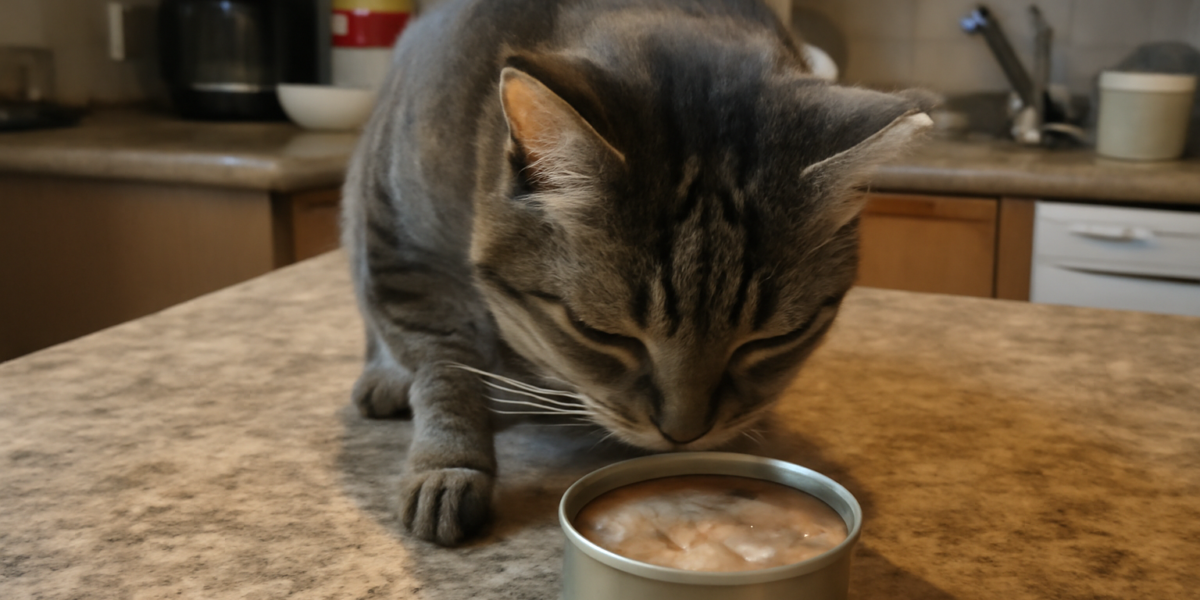
Few things capture a cat’s attention quite like the sound of a can opener and the aroma of tuna. Cats are well known for their love of fish, and canned tuna is one of the most commonly asked-about human foods when it comes to feline diets. While canned tuna in water is often discussed as an occasional treat for cats, canned tuna packed in oil presents additional considerations that every cat owner should understand.
Cats are obligate carnivores with a strong natural affinity for fish-based proteins. However, the fact that cats enjoy a food does not automatically make it a wise dietary choice. Canned tuna in oil differs significantly from the kind of fish a cat would encounter in nature, and the added oil introduces factors that can affect your cat’s health if not managed carefully.
Quick Answer: Can Cats Eat Canned Tuna in Oil?
Cats can eat a very small amount of canned tuna in oil on rare occasions, but it is not recommended as a regular treat. The oil significantly increases the fat and calorie content compared to tuna packed in water, and the excess fat can cause digestive upset, contribute to obesity, and potentially lead to pancreatitis with repeated exposure. If you do offer your cat canned tuna, tuna packed in water with no added salt is always the better choice.
It is important to note that canned tuna, regardless of the packing medium, should never replace a cat’s regular balanced diet. Tuna alone does not provide complete nutrition for cats and lacks adequate levels of several essential nutrients, including vitamin E, calcium, and certain B vitamins that cats require for optimal health.
Nutritional Considerations for Cats
Canned tuna is a protein-rich food that contains omega-3 fatty acids, selenium, vitamin D, and niacin. These nutrients can support various aspects of health in both humans and cats. The protein content of tuna aligns well with a cat’s high protein requirements, and the omega-3 fatty acids can contribute to skin, coat, and joint health.
However, when tuna is packed in oil, typically sunflower oil, soybean oil, or olive oil, the nutritional profile changes considerably. The added oil can more than double the calorie content of a serving, and the fat composition shifts toward plant-based oils that are less biologically appropriate for cats than the natural fats found in fish.
A typical can of tuna in oil contains approximately 200 to 250 calories, compared to roughly 100 to 130 calories for the same amount of tuna in water. For an average indoor cat that requires only 200 to 300 calories per day, even a small portion of oil-packed tuna represents a significant caloric contribution that could easily lead to overfeeding.
Cats also have specific needs for taurine, an amino acid essential for cardiac function, vision, and reproductive health. While tuna does contain taurine, the canning process can reduce taurine levels. Relying on tuna as a significant protein source could contribute to taurine deficiency over time, which can lead to serious health conditions including dilated cardiomyopathy.
Mercury content is another important nutritional consideration. Tuna, particularly larger species like albacore, can accumulate mercury in their flesh. Cats are smaller than humans and more susceptible to the effects of mercury accumulation. Regular tuna consumption, even in small amounts, can lead to mercury levels that affect a cat’s neurological system over time.
Benefits and Risks of Canned Tuna in Oil for Cats
The potential benefits of offering a small amount of canned tuna in oil to your cat are limited and primarily relate to palatability and hydration encouragement:
- Appetite stimulation: The strong aroma of tuna can encourage eating in cats who have lost their appetite due to illness, medication, or stress. A tiny amount of tuna juice mixed into regular food may help a finicky cat start eating again.
- Medication administration: A small piece of tuna can be useful for hiding pills or liquid medications that a cat would otherwise refuse.
- Bonding: Offering an occasional high-value treat can strengthen the bond between a cat and their owner.
The risks of canned tuna in oil for cats are more numerous and consequential:
- Excessive fat intake: The added oil dramatically increases fat content, which can cause immediate digestive upset including vomiting and diarrhea, and contribute to obesity with repeated exposure.
- Pancreatitis risk: High-fat foods are a known trigger for pancreatitis in cats, a painful and potentially life-threatening inflammation of the pancreas.
- Nutritional imbalance: Cats who develop a strong preference for tuna may refuse their nutritionally complete regular food, leading to deficiencies in vitamin E, calcium, and other essential nutrients.
- Mercury accumulation: Regular tuna consumption increases the risk of mercury toxicity, which can manifest as neurological symptoms including loss of coordination and balance issues.
- Sodium content: Many canned tuna products contain added salt, which can contribute to dehydration and put stress on a cat’s kidneys, particularly in older cats or those with existing kidney disease.
- Steatitis (yellow fat disease): A diet disproportionately high in unsaturated fats from fish, combined with insufficient vitamin E, can cause steatitis, a painful condition involving inflammation of body fat.
- Addiction-like behavior: Some cats develop such a strong preference for tuna that they refuse all other foods, a phenomenon sometimes called “tuna junkies” by veterinarians. This can make it extremely difficult to maintain proper nutrition.
How to Serve Canned Tuna in Oil Safely to Cats
If you choose to offer your cat a small amount of canned tuna in oil as a rare treat, follow these guidelines to minimize risks:
First, drain the oil as thoroughly as possible. Press the tuna against a strainer or colander to remove excess oil. The goal is to reduce the fat content to something closer to what you would find in water-packed tuna. You can also rinse the drained tuna briefly under water to further reduce both oil and sodium content.
Serve only a very small portion. For an average-sized adult cat, one to two teaspoons of well-drained tuna is an appropriate serving size. This amount provides the flavor experience your cat craves without delivering an overwhelming load of fat and calories.
Limit tuna treats to no more than once or twice per month. This frequency helps prevent the development of tuna addiction, reduces mercury accumulation, and minimizes the risk of nutritional imbalances. Keep track of when you offer tuna so you do not exceed this guideline.
Choose tuna packed in olive oil or sunflower oil over tuna in soybean oil when possible, as these oils are somewhat less likely to cause digestive upset. However, the best option remains tuna packed in water with no added salt.
Never serve tuna straight from the can as a meal replacement. Always offer tuna alongside or on top of your cat’s regular, nutritionally complete food. This helps ensure your cat continues to receive balanced nutrition and does not begin to associate tuna with mealtime exclusively.
Signs of Problems After Eating Canned Tuna in Oil
After consuming canned tuna in oil, watch your cat for the following symptoms, which may indicate that the fat content or other components have caused a negative reaction:
- Vomiting within a few hours of consumption
- Diarrhea or unusually soft stools
- Loss of appetite for regular food
- Abdominal discomfort, indicated by a hunched posture or reluctance to be touched on the belly
- Increased thirst due to sodium content
- Lethargy or reduced activity
- Greasy or oily-looking stool
For long-term or frequent tuna consumption, be alert for signs that may indicate mercury accumulation or nutritional deficiency:
- Loss of coordination or balance problems
- Changes in vision or pupil dilation
- Difficulty walking or unusual gait
- Dull or thinning coat
- Skin lumps or sensitivity, which may indicate steatitis
If you notice any acute symptoms after feeding tuna, withhold the treat in the future and consult your veterinarian if symptoms persist beyond 24 hours. For chronic symptoms, schedule a veterinary examination and be prepared to discuss your cat’s dietary history in detail.
Healthy Alternatives to Canned Tuna in Oil
There are several safer ways to satisfy your cat’s fish cravings without the risks associated with oil-packed tuna:
Canned tuna in water with no added salt is a significant improvement over oil-packed tuna. It provides the same appealing flavor and aroma with substantially less fat and fewer calories. Even water-packed tuna should be offered only as an occasional treat, not a dietary staple.
Small fish such as anchovies can be a flavorful alternative that is lower in mercury than tuna due to their small size and position lower on the food chain. Sardines packed in water are another option worth considering for similar reasons.
Commercial cat treats made with real fish are formulated to be nutritionally appropriate for cats while delivering the fishy flavor they love. These products are designed with proper vitamin E levels and balanced nutrients to avoid the issues associated with feeding straight fish.
Cooked fresh fish, such as salmon, cod, or tilapia, prepared without oil, butter, or seasonings, is perhaps the best occasional fish treat for cats. Cooking eliminates parasites that may be present in raw fish, and the absence of added fats keeps the calorie content appropriate.
If you are thinking about bringing a cat into your life, visit our adoption page to find cats looking for loving homes where they will be fed well and cared for properly.
Frequently Asked Questions
Is canned tuna in water better than canned tuna in oil for cats?
Yes, canned tuna in water is a better option than tuna in oil for cats. Water-packed tuna contains significantly less fat and fewer calories, reducing the risk of digestive upset, obesity, and pancreatitis. However, even water-packed tuna should only be offered as an occasional treat due to mercury content and the risk of nutritional imbalances.
How often can I give my cat canned tuna?
Veterinarians generally recommend limiting tuna treats to no more than once or twice per month. Tuna should represent a very small portion of your cat’s overall diet, ideally less than 5 percent of their total caloric intake. More frequent feeding increases the risks of mercury accumulation, tuna addiction, and nutritional deficiency.
Can kittens eat canned tuna in oil?
Kittens should not be given canned tuna in oil. Their developing digestive systems are even more sensitive than those of adult cats, and the high fat content can cause significant gastrointestinal distress. Kittens have specific nutritional requirements for growth that are best met by kitten-formulated food. If you want to offer a kitten a fish-based treat, consult your veterinarian for appropriate options.
My cat only wants to eat tuna and refuses regular food. What should I do?
This is a common problem known informally as “tuna addiction.” To wean your cat off tuna, gradually mix decreasing amounts of tuna into their regular food over the course of one to two weeks. Start with a mixture that is mostly tuna and slowly increase the proportion of regular food. Be patient and persistent. If your cat continues to refuse food entirely, consult your veterinarian, as prolonged fasting can lead to a dangerous condition called hepatic lipidosis (fatty liver disease) in cats.
Does the type of oil in canned tuna matter for cats?
While no type of oil is ideal for cats in the quantities found in canned tuna, olive oil is generally considered slightly less problematic than soybean or vegetable oil. Regardless of the oil type, the primary concern is the total fat content, which is elevated in all oil-packed tuna products. Draining and rinsing the tuna thoroughly is more important than the specific type of oil used.
Can canned tuna in oil cause pancreatitis in cats?
Yes, high-fat foods like oil-packed tuna are a recognized risk factor for pancreatitis in cats. A single high-fat meal can trigger an acute episode of pancreatitis in susceptible cats, causing severe abdominal pain, vomiting, lethargy, and loss of appetite. Cats with a history of pancreatitis or other digestive conditions should not be given any oil-packed foods, including tuna in oil.


