
Last updated: March 31, 2026
In this article
Can Cats Eat Peppers? Safety Guide for Cat Owners
Peppers come in a wide variety of shapes, colors, and heat levels, from sweet bell peppers to fiery habaneros. If your cat has ever shown curiosity about a piece of pepper on your cutting board or plate, you may have wondered whether it is safe to share. The answer depends largely on the type of pepper in question.
Cats are obligate carnivores whose digestive systems are optimized for processing animal proteins and fats. Vegetables like peppers are not part of their natural diet and provide no essential nutrients that cats cannot obtain from proper feline nutrition. That said, not all peppers are equally problematic, and understanding the differences is important for keeping your cat safe.
Quick Answer
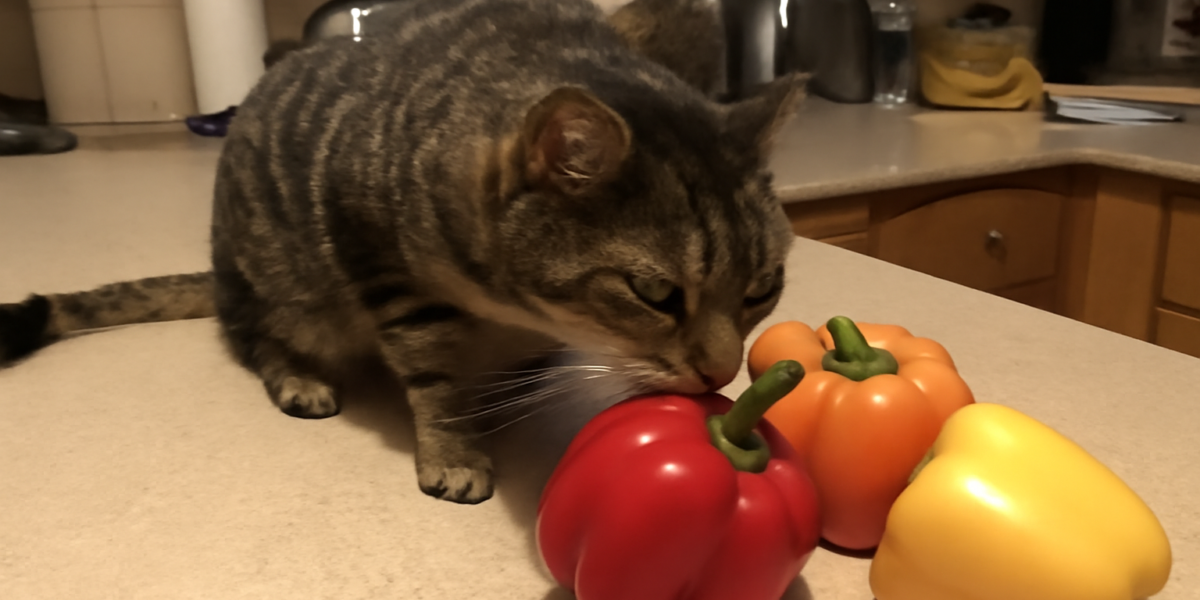
Sweet bell peppers (red, green, yellow, and orange varieties) are not toxic to cats and can be offered in very small amounts as an occasional treat. However, hot peppers of any kind, including jalapenos, cayenne, habaneros, and chili peppers, should never be given to cats. The capsaicin in hot peppers can cause significant pain, gastrointestinal distress, and irritation to a cat’s mouth, eyes, and digestive tract.
Even with safe bell peppers, there is no nutritional reason to add them to your cat’s diet. They should be considered a completely optional and infrequent treat at most. If your cat has nibbled a small piece of bell pepper, there is no need for concern. If your cat has eaten a hot pepper or shows signs of irritation, contact your veterinarian.
Nutritional Considerations for Cats
Bell peppers are nutritious for humans, offering a rich supply of vitamin C, vitamin A (as beta-carotene), vitamin B6, folate, and various antioxidants. A medium red bell pepper contains about 150 percent of the daily human requirement for vitamin C and is very low in calories.
For cats, however, this nutritional profile is largely irrelevant. Cats synthesize their own vitamin C internally and do not require dietary sources. While vitamin A is essential for cats, they obtain it most efficiently from animal sources such as liver, where it exists in its preformed retinol state. Cats have limited ability to convert beta-carotene from plant sources into usable vitamin A, making peppers an inefficient source.
The fiber content in peppers, while beneficial for human digestion, can be difficult for cats to process. A cat’s shorter digestive tract is designed for the rapid breakdown of animal proteins, not the slower fermentation of plant fiber. Excessive fiber from vegetables can lead to gas, bloating, and loose stools in felines.
The carbohydrate content in bell peppers is relatively low, but cats have minimal carbohydrate requirements and limited enzymatic capacity to process sugars compared to omnivores. In short, while bell peppers are not harmful, they contribute virtually nothing of value to a cat’s nutritional intake.
Benefits and Risks
The potential benefits of bell peppers for cats are minimal. Some cats may enjoy the crunchy texture as a form of enrichment, and the high water content could provide a negligible amount of additional hydration. Beyond these minor points, bell peppers serve no dietary purpose for felines.
The risks vary significantly by pepper type:
- Hot peppers and capsaicin: Capsaicin, the compound responsible for the heat in hot peppers, is highly irritating to cats. It can cause burning sensations in the mouth and throat, excessive drooling, watery eyes, vomiting, diarrhea, and significant distress. Cats are more sensitive to capsaicin than humans.
- Gastrointestinal upset: Even mild bell peppers can cause stomach upset in some cats, particularly if eaten in larger quantities. Symptoms may include vomiting, diarrhea, or reduced appetite.
- Choking hazard: Raw pepper pieces, especially the skin, can be difficult for cats to chew thoroughly and may present a choking risk. The tough outer skin of bell peppers can be particularly problematic.
- Pesticide residue: Peppers are among the produce items that can carry higher levels of pesticide residue. If offering bell pepper to your cat, washing thoroughly is essential.
- Seasoned or cooked peppers: Peppers prepared for human consumption often contain garlic, onion, salt, oil, or other seasonings that are harmful or toxic to cats. Never offer seasoned peppers to a cat.
How to Serve Safely
If you want to let your cat try a small piece of bell pepper, follow these steps to minimize any risks:
- Choose only sweet bell peppers. Red, yellow, orange, or green bell peppers are the only types that should be considered. Never offer hot peppers of any variety.
- Wash the pepper thoroughly. Rinse under running water and consider removing the outer skin to reduce pesticide exposure and choking risk.
- Remove all seeds and the white pith. While bell pepper seeds are not toxic, they can cause mild digestive irritation and are a choking concern.
- Cut into very small pieces. Offer a piece no larger than your fingernail. Small, thin slices are easier for cats to manage than chunks.
- Serve raw or lightly steamed. Do not add any oil, butter, salt, garlic, onion, or other seasonings. Lightly steaming can soften the tough skin and make the pepper easier to digest.
- Offer as a one-time taste test. Give one small piece and wait 24 hours to observe for any digestive reaction before considering offering it again.
Bell pepper should never make up more than a tiny fraction of your cat’s diet. Think of it as an occasional curiosity rather than a regular addition to meals. If you have recently decided to adopt a cat, consult with your veterinarian about appropriate treats during your first wellness visit.
Signs of Problems
After your cat eats any type of pepper, watch for these warning signs:
- Excessive drooling or pawing at the mouth (especially common with hot peppers)
- Watery or red eyes
- Vomiting or dry heaving
- Diarrhea
- Loss of appetite
- Lethargy
- Abdominal pain (hunched posture, reluctance to be touched)
- Sneezing or coughing (if capsaicin has irritated the airways)
If your cat has consumed a hot pepper, the symptoms are likely to appear quickly, often within minutes. Offer fresh water immediately and contact your veterinarian. Do not try to induce vomiting unless specifically instructed to do so by a veterinary professional. Capsaicin irritation can cause intense discomfort but is rarely life-threatening with prompt supportive care.
For bell peppers, mild digestive symptoms should resolve within 24 hours. If symptoms persist or worsen, seek veterinary advice. Cats with pre-existing gastrointestinal conditions such as inflammatory bowel disease may be more susceptible to adverse reactions.
Healthy Alternatives
Rather than offering peppers, consider these cat-appropriate treats that align with feline nutritional needs:
- Cooked chicken breast: Plain, unseasoned chicken is a high-protein treat that cats naturally enjoy and digest easily.
- Small pieces of cooked fish: Salmon or whitefish in small amounts can be an excellent occasional treat, though it should not replace balanced cat food.
- Commercial cat treats: Products specifically formulated for cats ensure appropriate nutrition and safe ingredients.
- Cooked egg: A small amount of scrambled or hard-boiled egg (without seasoning) provides protein that cats can utilize effectively.
- Freeze-dried meat treats: Single-ingredient freeze-dried treats made from chicken, turkey, or fish are convenient and nutritionally appropriate.
If your cat seems drawn to vegetables, it may be seeking texture or moisture rather than the food itself. Providing interactive feeders or puzzle toys with appropriate cat treats can satisfy that curiosity more safely. You might also explore our guides on other foods, such as can cats eat peanut butter or can cats eat figs, for more information on keeping your cat’s diet safe.
Frequently Asked Questions
Can cats eat red bell peppers?
Yes, red bell peppers are safe for cats in very small amounts. Red bell peppers are the sweetest and most nutrient-dense variety for humans, but these advantages do not translate to feline nutrition. A tiny piece as an occasional treat is acceptable, but it offers no health benefits for your cat.
What happens if my cat eats a jalapeno?
Jalapenos contain capsaicin, which is irritating and painful for cats. Your cat may experience drooling, pawing at the mouth, watery eyes, vomiting, and diarrhea. Offer fresh water and contact your veterinarian for guidance. While not typically life-threatening, the discomfort can be significant and may require supportive care.
Are pepper seeds dangerous for cats?
Bell pepper seeds are not toxic to cats, but they can cause mild digestive irritation and are best removed before offering any pepper to your cat. Hot pepper seeds, however, contain concentrated capsaicin and should absolutely be kept away from cats.
Can cats eat cooked peppers?
Plain steamed or boiled bell peppers without any seasoning are safe in small amounts. However, peppers cooked with oil, garlic, onion, salt, or spices should never be given to cats. Garlic and onion in particular are toxic to cats and can cause hemolytic anemia even in small quantities.
Why is my cat attracted to peppers?
Cats may be drawn to the texture, moisture content, or simply the novelty of peppers. Some cats are curious about any food their owner is handling. This curiosity does not indicate a nutritional need. If your cat frequently seeks out vegetables, ensure its primary diet is meeting all nutritional requirements by consulting with your veterinarian.
How often can I give my cat bell pepper?
Bell pepper should be an infrequent treat at most, offered no more than once or twice a week in very small amounts. A piece the size of your fingernail is sufficient. Since bell peppers offer no nutritional benefit to cats, there is no reason to make them a regular part of your cat’s diet. If you are looking to adopt a new feline friend, discuss appropriate treat options with the shelter staff or your veterinarian.


