
The Short Answer: Yes, in Small Amounts and Only the Right Kind
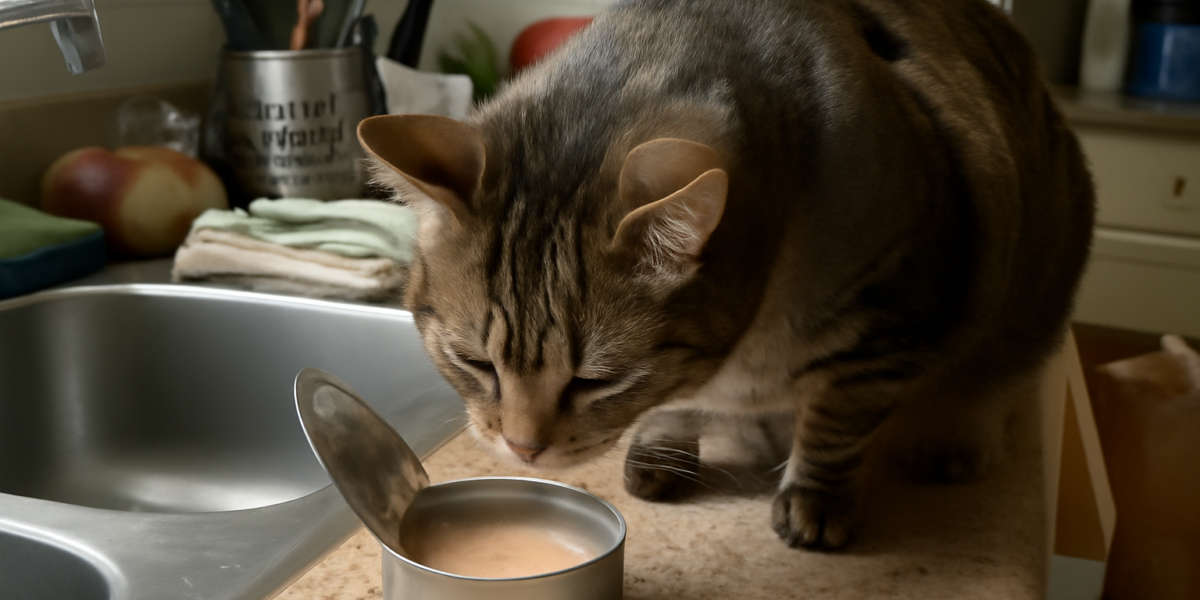
Can cats drink tuna water? Yes, cats can drink tuna water in small amounts as an occasional treat, but only if the tuna was packed in plain water with no added salt. Tuna packed in oil, brine, or with added broth and seasonings is not appropriate because of the sodium and fat load. Even safe tuna water should be a once-in-a-while treat, not a daily drink, because it is still fish-flavored salty water rather than proper hydration.
In this article
- The Short Answer: Yes, in Small Amounts and Only the Right Kind
- When Tuna Water Is a Good Idea
- What to Look For on the Label
- Safe Portion Size and Frequency
- Nutritional Context and the Sodium Issue
- Signs of Trouble
- What to Do If Your Cat Had Too Much Tuna Water
- Better Hydration Strategies
- Frequently Asked Questions
Tuna water’s reputation as a cat magnet is well earned. The smell is strong, the flavor is meaty, and many picky cats who refuse to drink more water will happily lap up a saucer of tuna water. That makes it a useful tool for encouraging hydration in cats who need it, with some clear caveats about portion size, frequency, and label reading.
When Tuna Water Is a Good Idea
The best use cases for tuna water all involve a cat who is not drinking enough. Common examples include:
- A cat recovering from illness or surgery who needs encouragement to drink
- A senior cat with early chronic kidney disease where your vet wants more fluid intake
- A cat who has been on a mostly dry food diet and needs motivation to increase water consumption
- A cat traveling or in an unfamiliar environment who is refusing the water bowl
- Making a medication more palatable when mixed with a teaspoon of tuna water
For all of these uses, tuna water is a short-term or occasional tool. It is not a replacement for fresh water, and it should not become a daily fixture. A cat who needs daily hydration support probably needs a diet change to wet food, a water fountain, or a medical workup to figure out what is driving the low intake.
What to Look For on the Label
Not all canned tuna is equal for this purpose. Read the can before you pour anything into a cat dish.
- Choose: Chunk light tuna packed in water with no added salt. The ingredient list should read something like “tuna, water” or “tuna, water, vegetable broth” with no added sodium.
- Avoid: Tuna packed in oil, tuna packed in broth with seasonings, tuna with added salt, and flavored tuna pouches (lemon pepper, herbs, etc.)
- Check for mercury: Light tuna has lower mercury than albacore or white tuna. Stick to light varieties for any cat application.
The phrase “no salt added” on the label is a good shortcut for finding safe tuna. Even regular water-packed tuna contains added sodium, and cats have a much lower sodium tolerance than humans. A teaspoon now and then will not cause problems, but repeated offerings of salty tuna water can add up.
Safe Portion Size and Frequency
Think of tuna water as a flavor bonus, not a drink. A few teaspoons a few times a week is plenty for a healthy adult cat. Specific guidelines:
- One to two teaspoons per serving as a treat
- Up to one tablespoon mixed into a larger bowl of fresh water if you are using it to encourage drinking
- No more than two or three servings per week for most cats
- Always offered alongside a fresh water bowl, never as a replacement
If your vet has recommended tuna water for a specific medical reason, follow their portion guidance instead. Some cats with kidney disease or urinary issues need more fluid intake, and your vet may suggest a slightly more generous schedule.
Nutritional Context and the Sodium Issue
Cats evolved eating prey and getting most of their water from food. Their bodies are not designed to handle large amounts of dietary sodium, and their kidneys work hard to excrete salt. Cats with any kidney, heart, or urinary tract condition should have sodium intake closely monitored, and tuna water can contain more sodium than you realize if the tuna was not labeled “no salt added.”
Beyond sodium, there is the question of mercury. Tuna contains mercury, and while occasional exposure is fine, regular long-term feeding of tuna water (or tuna itself) can contribute to mercury accumulation. Cats who eat tuna-flavored commercial food plus frequent tuna water treats plus occasional tuna flakes may be getting more than is ideal.
There is also a palatability concern. Cats who become accustomed to strong fish flavor sometimes become reluctant to eat their normal food afterward. Rotating treats and not turning tuna water into a daily event helps avoid this.
Signs of Trouble
Tuna water is unlikely to cause acute problems in healthy cats at treat-sized portions, but watch for these signs if you offer it regularly or if your cat has a sensitive stomach:
- Vomiting or diarrhea
- Increased thirst or urination beyond baseline
- Lethargy
- Refusing regular food in favor of tuna
- Picky behavior around the water bowl
- Weight loss or gain over weeks
Any persistent change should prompt a call to your vet. These signs are not specific to tuna water, but a diet review that includes the treats you offer is a reasonable starting point.
What to Do If Your Cat Had Too Much Tuna Water
A cat who knocked over a can and lapped up an entire serving of tuna water is probably going to be fine, especially if the tuna was packed in plain water. The most common immediate reaction is mild GI upset — soft stool or one episode of vomiting — followed by a return to normal.
Steps to take:
- Remove any remaining tuna or tuna water.
- Offer fresh water in a separate bowl.
- Skip the next one to two meals if your cat is vomiting, then resume normal feeding.
- Watch for any signs of salt toxicity: excessive thirst, lethargy, tremors, wobbly walking, or seizures. These are very unlikely from a normal can of tuna but can occur with high-sodium brine-packed products in small cats.
- Call your vet if any of those signs appear or if GI upset lasts more than 24 hours.
Better Hydration Strategies
If you are offering tuna water primarily because your cat does not drink enough water, there are more sustainable solutions worth trying. Switching from dry to wet food is the single most effective step for most cats because canned food contains around 70 to 80 percent water compared to 10 percent in dry kibble. A pet water fountain can also dramatically increase drinking for cats who prefer moving water. Multiple water bowls around the house, glass or ceramic rather than plastic, and water in a separate room from the litter box also help.
For cats with specific hydration needs, your vet may recommend a prescription diet or subcutaneous fluids. These are far more effective than any flavored water trick.
For more feeding guidance, see our articles on chicken broth for cats, beef broth safety, and baby food for cats. The cat care blog covers hydration in more detail, and our cat adoption hub discusses first-week feeding for new arrivals.
Frequently Asked Questions
Is tuna water safe every day?
No, daily tuna water is not recommended. Even no-salt-added tuna contains some sodium, and the habit can lead to picky eating. Limit to a few times a week at most.
Can I give tuna water to kittens?
Kittens should be on complete kitten food and formula or water. Small amounts of no-salt tuna water as an occasional treat after 12 weeks are usually fine, but kittens have specific nutritional needs and treats should be minimal.
What about tuna packed in oil?
Avoid oil-packed tuna for cats. The fat content is too high and the oil itself can cause GI upset or, in sensitive cats, pancreatitis.
Can cats drink the liquid from cat food cans instead?
Yes, and that is a better choice than tuna water for routine flavoring. Cat food gravies are formulated with feline nutritional needs in mind and typically have appropriate sodium levels.
What if my cat loves tuna water and refuses regular water?
This is a common problem. Gradually dilute the tuna water with plain water over several days, then phase it out entirely. Try a water fountain or wet food as a longer-term hydration strategy.


