
Last updated: April 8, 2026
In this article
Can Cats Eat Rhubarb? Safety Guide for Cat Owners
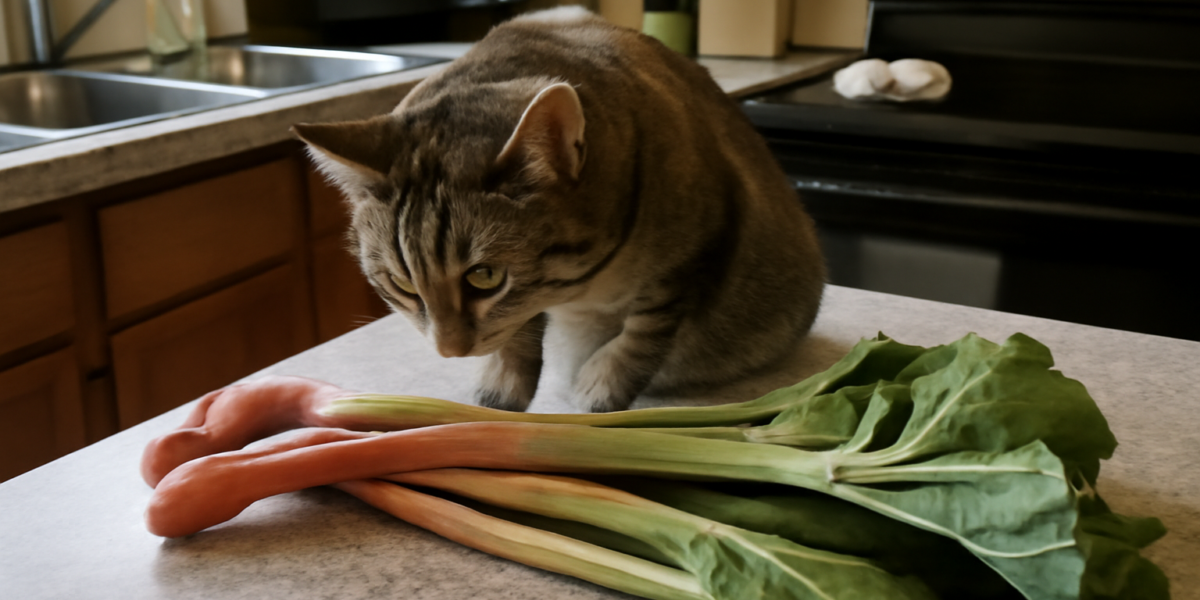
Rhubarb is a staple of spring and summer cooking, appearing in pies, crumbles, jams, and sauces across kitchens worldwide. Its distinctive tart flavor makes it a favorite ingredient for many home cooks. But if you grow rhubarb in your garden or have it on your kitchen counter, you need to know that this plant poses a genuine danger to your cat. Unlike many foods where the answer is “safe in moderation,” rhubarb is one of those clear-cut cases where caution is not just advisable — it is essential.
Quick Answer: No, cats should not eat rhubarb. Rhubarb is toxic to cats. The leaves are the most dangerous part, containing very high concentrations of oxalic acid and soluble oxalates, but the stalks also contain these compounds at lower levels. Ingestion can cause oral irritation, drooling, vomiting, diarrhea, kidney damage, and in severe cases, kidney failure or death. Keep all parts of the rhubarb plant away from your cat.
Quick Answer: Is Rhubarb Safe for Cats?
No. Rhubarb is not safe for cats. The ASPCA lists rhubarb (Rheum rhabarbarum) as toxic to cats, dogs, and horses. The toxic compounds responsible are oxalic acid and soluble calcium oxalate crystals, which are present throughout the plant but concentrated most heavily in the leaves.
This is not a case of “toxic only in large quantities.” While the leaves contain the highest concentration of oxalates, the stalks — the part humans eat — also contain meaningful levels. A cat’s small body size means that even a modest amount of rhubarb can deliver a proportionally significant dose of oxalic acid. The mechanism of toxicity is well-understood and serious: soluble oxalates bind with calcium in the bloodstream, forming insoluble calcium oxalate crystals that can deposit in the kidneys, urinary tract, and other organs, causing tissue damage and potentially acute kidney failure.
When people ask can cats eat rhubarb, the answer must be unequivocal. There is no safe preparation method, no safe portion size, and no part of the plant that can be considered risk-free for cats. This stands in contrast to many other foods covered in our dietary guides where the answer involves nuance and moderation. Rhubarb belongs in the same category as onions, garlic, and lilies — foods and plants that cats must simply not be allowed to access.
Cats are obligate carnivores with no biological need for any plant material in their diet, which makes the risk of rhubarb entirely unnecessary. There is nothing in rhubarb that a cat needs, and everything to lose from exposure.
Nutritional Considerations for Cats
While rhubarb’s nutritional profile is relevant in human dietetics, discussing its nutritional benefits for cats would be misleading given the plant’s toxicity. Instead, this section focuses on the compounds that make rhubarb dangerous to felines.
Oxalic acid. This is the primary toxic compound in rhubarb. Oxalic acid is a dicarboxylic acid found in many plants, but rhubarb contains it at unusually high concentrations — particularly in the leaves, where levels can reach 0.5 to 1.0 percent of the leaf’s fresh weight. The stalks contain lower but still significant levels, typically around 0.2 to 0.5 percent. When ingested, oxalic acid binds with calcium, magnesium, and other minerals in the body, forming insoluble crystals.
Soluble oxalates. Rhubarb contains both soluble and insoluble oxalates. The soluble oxalates (primarily potassium and sodium oxalate) are the more dangerous form because they are readily absorbed into the bloodstream. Once absorbed, they bind with blood calcium to form calcium oxalate crystals. These crystals can deposit in the kidneys, causing renal tubular necrosis — destruction of the cells lining the kidney tubules. This leads to acute kidney injury, which can progress to kidney failure if the dose is sufficient.
Insoluble calcium oxalate crystals. Rhubarb also contains raphides — needle-shaped insoluble calcium oxalate crystals embedded in the plant tissue. When chewed, these microscopic needles penetrate the soft tissues of the mouth, tongue, and throat, causing immediate pain, swelling, and intense irritation. This is the mechanism responsible for the burning sensation and drooling that often accompanies ingestion of oxalate-containing plants.
Anthraquinone glycosides. Rhubarb contains anthraquinone compounds that have a laxative effect. In cats, these compounds can cause diarrhea and abdominal cramping, adding gastrointestinal distress to the already significant toxicological concerns.
The nutritional content of rhubarb — its vitamin K, vitamin C, potassium, and manganese — is entirely irrelevant in the context of feline consumption. No nutritional benefit can justify exposure to a toxic plant, and cats obtain all necessary nutrients from a complete, balanced commercial diet based on animal protein.
Benefits and Risks of Rhubarb for Cats
There are no benefits of rhubarb for cats. This section focuses exclusively on the risks, which are substantial and well-documented.
Oral and gastrointestinal irritation. The raphides (needle-shaped calcium oxalate crystals) in rhubarb tissue cause immediate mechanical damage to the mouth, tongue, throat, and esophagus when chewed. Symptoms include intense drooling, pawing at the mouth, swelling of the lips and tongue, difficulty swallowing, and visible distress. This is often the first sign that a cat has chewed on rhubarb, and it can occur within minutes of contact.
Vomiting and diarrhea. Both the oxalate compounds and the anthraquinone glycosides in rhubarb cause gastrointestinal upset. Vomiting may begin within hours of ingestion, followed by diarrhea. These symptoms can lead to dehydration, which is particularly dangerous in small cats, kittens, and senior cats with compromised kidney function.
Hypocalcemia. Soluble oxalates bind with blood calcium, potentially reducing circulating calcium levels to dangerous lows — a condition called hypocalcemia. Symptoms of hypocalcemia in cats include muscle tremors, twitching, weakness, abnormal heart rhythms, and in severe cases, seizures. Hypocalcemia is a medical emergency requiring immediate veterinary intervention with intravenous calcium supplementation.
Acute kidney injury. The most serious consequence of rhubarb ingestion is kidney damage. Calcium oxalate crystals deposited in the renal tubules cause direct cellular injury to kidney tissue. Signs of kidney involvement include increased thirst, increased urination (followed by decreased urination as damage progresses), lethargy, loss of appetite, and in advanced cases, complete cessation of urine production. Acute kidney failure from oxalate toxicity can be fatal if not treated promptly and aggressively.
Urinary tract complications. Calcium oxalate crystals can also form or exacerbate urinary stones (uroliths) in the bladder or urethra. Cats, particularly male cats, are already predisposed to urinary blockages, and the additional crystal burden from oxalate ingestion can create or worsen a potentially life-threatening urinary obstruction.
All parts are hazardous. While the leaves contain the highest oxalate concentrations, no part of the rhubarb plant should be considered safe for cats. The stalks, leaves, roots, and flowers all contain oxalic acid at levels that are concerning for an animal as small as a cat. Cooked rhubarb — such as that in pies or compotes — still contains oxalates, and the added sugar in these preparations creates additional health concerns. Even rhubarb juice or rhubarb-flavored products should be kept away from cats.
What to Do If Your Cat Eats Rhubarb
If you know or suspect that your cat has eaten any part of a rhubarb plant, take the following steps immediately.
Remove access. Immediately remove your cat from the area where the rhubarb is located. If there are chewed pieces of rhubarb on the floor or within reach, clean them up to prevent further ingestion.
Do not induce vomiting. Unless specifically instructed to do so by a veterinarian or poison control, do not attempt to make your cat vomit. The oxalate crystals that already caused irritation on the way down will cause additional damage to the esophagus and mouth if brought back up. Inducing vomiting can make the situation worse rather than better.
Contact your veterinarian immediately. Call your veterinarian or an emergency veterinary hospital and describe the situation. Provide as much information as you can: what part of the plant was eaten, approximately how much, and when the ingestion occurred. Your vet will advise on whether immediate examination is needed or whether monitoring at home is sufficient based on the estimated exposure.
Contact poison control. The ASPCA Animal Poison Control Center (888-426-4435) and the Pet Poison Helpline (855-764-7661) can provide expert guidance on rhubarb toxicity in cats. There may be a consultation fee, but the expertise available is invaluable in a poisoning situation.
Note the symptoms. Document what symptoms your cat is showing and when they began. Drooling, pawing at the mouth, vomiting, diarrhea, lethargy, tremors, changes in urination — all of this information helps your veterinarian assess the severity of exposure and plan appropriate treatment.
Bring a sample if possible. If you can safely collect a piece of the plant your cat was chewing, bring it to the veterinary appointment. Positive identification of the plant helps the veterinary team confirm the toxin involved and calibrate their treatment approach.
Signs of Rhubarb Poisoning in Cats
The symptoms of rhubarb toxicity in cats can range from mild oral irritation to life-threatening organ damage, depending on the amount consumed and the part of the plant involved.
Immediate symptoms (within minutes to hours):
- Intense drooling and salivation
- Pawing at the mouth and face
- Swelling of the lips, tongue, and oral tissues
- Difficulty swallowing
- Visible distress or vocalization
- Decreased appetite or refusal to eat
Early systemic symptoms (within hours to a day):
- Vomiting (may be repeated)
- Diarrhea
- Abdominal pain (hunched posture, reluctance to be touched)
- Lethargy and weakness
- Muscle tremors or twitching (from hypocalcemia)
Severe symptoms (hours to days, indicating kidney involvement):
- Increased thirst and urination (early kidney stress)
- Decreased urination or no urine production (kidney failure)
- Complete loss of appetite
- Profound lethargy
- Seizures (from severe hypocalcemia or uremia)
- Collapse
Any cat showing these symptoms after possible rhubarb exposure requires veterinary attention. Kidney damage from oxalate crystals can be irreversible if not treated early, making prompt intervention critical. If you are a cat owner who gardens, understanding plant toxicity is an essential part of keeping your cat safe — and if you are considering adopting a cat, our adoption page can help you find a companion while our resources help you prepare a safe home environment.
Healthy Alternatives to Rhubarb for Cats
Since rhubarb is completely off-limits for cats, here are safe alternatives if you want to offer your cat an occasional treat.
Plain cooked chicken or turkey. Unseasoned, boneless, skinless poultry is the safest and most nutritionally appropriate treat for cats. It provides the animal protein that obligate carnivores require and is tolerated by virtually all cats. Small, shredded pieces make excellent rewards.
Blueberries. If you want to offer a fruit treat, blueberries are among the safest options. They are non-toxic, small enough for easy portion control, and contain antioxidants. Most cats show limited interest in berries, but some enjoy them. See our guide on whether cats can eat blueberries for more information.
Cooked pumpkin. Plain, cooked pumpkin (not pie filling with spices and sugar) is safe for cats and is sometimes recommended by veterinarians for digestive support. A teaspoon mixed into wet food can help with hairballs or mild constipation.
Cooked carrots. Steamed or boiled plain carrots are soft, non-toxic, and low in calories. They must be cooked until soft to eliminate the choking hazard of raw carrots, and should be cut into small pieces.
Commercial cat treats. Purpose-formulated cat treats offer the safest option with the least preparation. Look for treats with named animal protein as the primary ingredient. High-quality freeze-dried meat treats provide a single-ingredient, species-appropriate option.
The overarching principle for cat treats is simple: stick to foods that are known to be safe, prepare them plainly, keep portions small, and when in doubt, choose animal-based options that align with your cat’s obligate carnivore biology. When a food carries genuine toxicity risk — as rhubarb does — there is never a reason to test the boundaries. The alternatives are plentiful, safe, and better suited to what your cat actually needs.
Frequently Asked Questions
Can cats eat cooked rhubarb from a pie or crumble?
No. Cooking does not eliminate the oxalic acid and oxalate compounds in rhubarb. While cooking may reduce oxalate content slightly, the remaining levels are still sufficient to cause harm to a cat. Additionally, rhubarb desserts like pies and crumbles contain large amounts of added sugar, butter, and flour — none of which are appropriate for cats. The combination of residual oxalates and high sugar and fat content makes cooked rhubarb desserts doubly inappropriate for feline consumption.
How much rhubarb is toxic to cats?
There is no established safe threshold for rhubarb consumption in cats, and this is by design — the veterinary recommendation is zero exposure. A cat’s small body weight means that even a relatively small amount of rhubarb could deliver a proportionally significant dose of oxalates. The leaves are the most dangerous part and could cause serious toxicity from even a small amount of chewing. The stalks contain lower concentrations but are still hazardous. Given the severity of potential consequences — including kidney failure — there is no safe amount to test.
Is rhubarb more dangerous than other toxic plants for cats?
Rhubarb is considered moderately to severely toxic to cats, depending on the amount and part consumed. It is not as immediately deadly as some plants — lilies, for instance, can cause fatal kidney failure from extremely small exposures, including contact with pollen. However, rhubarb’s toxicity is serious and should not be underestimated. The combination of immediate oral irritation from raphides and the delayed but potentially severe kidney damage from soluble oxalates makes rhubarb a significant hazard. Any plant that can cause kidney damage should be treated with the highest level of caution.
My cat chewed a rhubarb leaf but spit it out. Should I still be concerned?
Yes, you should still be concerned and should monitor your cat closely. Even brief chewing can release raphides that cause oral irritation and introduce small amounts of soluble oxalates. While a cat that spit out the leaf likely consumed less than one that swallowed plant material, some absorption through the oral mucosa is possible. Watch for drooling, pawing at the mouth, swelling, and any systemic symptoms over the next 24 hours. Contact your veterinarian to report the incident — they can advise whether an examination is warranted based on your cat’s symptoms and health history.
How do I keep my cat safe from rhubarb in the garden?
If you grow rhubarb, take active steps to prevent your cat from accessing the plants. Fencing the rhubarb patch with a barrier that cats cannot jump over or squeeze through is the most reliable approach, though cats are notoriously skilled at circumventing barriers. Consider using a cage or enclosure over the rhubarb bed. If your cat has outdoor access, supervise outdoor time or use a catio (enclosed outdoor cat space) that keeps your cat contained in a safe area away from toxic plants. When harvesting rhubarb, dispose of leaves promptly — do not leave them lying on the ground where a cat might investigate. Compost piles containing rhubarb leaves should also be inaccessible to cats.


