
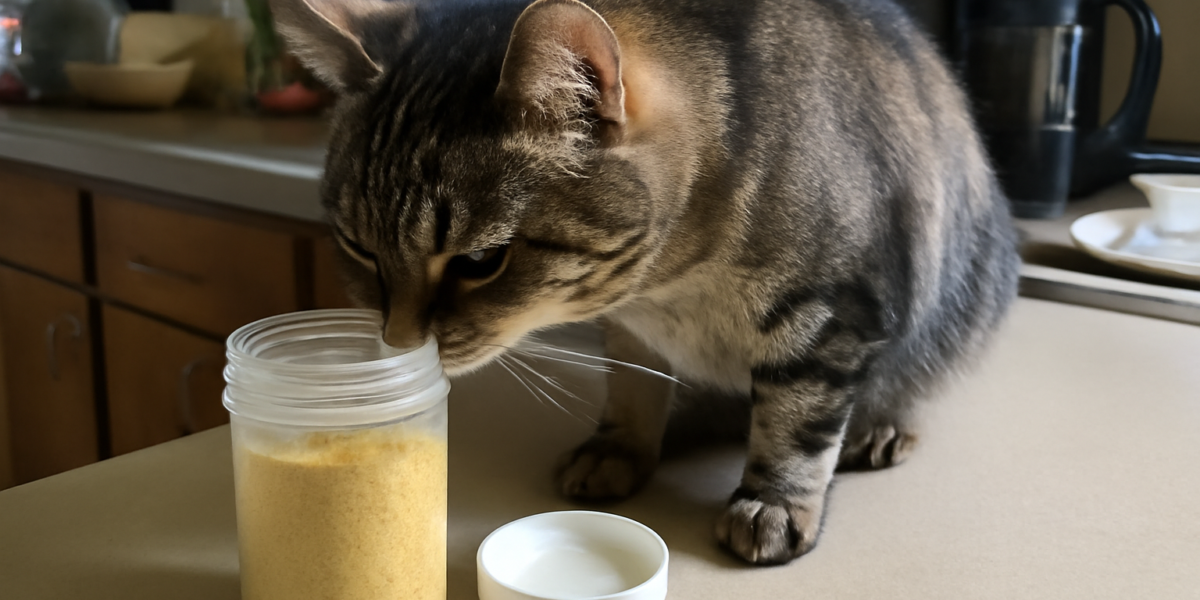
Can Cats Eat Nutritional Yeast?
Yes, cats can eat nutritional yeast in small amounts, and many cats love its savory, umami flavor. Nutritional yeast is a deactivated yeast (Saccharomyces cerevisiae) that is rich in B vitamins, protein, and trace minerals. It is generally considered safe as an occasional supplement or food topper for healthy cats. However, portion control matters because too much can cause digestive upset, and cats with certain health conditions should avoid it.
In this article
Nutritional yeast has gained popularity among pet owners as a natural way to boost their cat’s nutrient intake and entice picky eaters. While it does offer some genuine benefits, it is important to understand the correct amounts and potential risks before sprinkling it on your cat’s dinner.
Nutritional Profile and Benefits for Cats
Nutritional yeast is packed with nutrients that can complement a cat’s diet when used properly:
- B vitamins: Nutritional yeast is an excellent source of B1 (thiamine), B2 (riboflavin), B3 (niacin), B6, and B12 (when fortified). B vitamins support energy metabolism, nervous system function, and healthy skin and coat.
- Protein: A two-tablespoon serving contains about 8 grams of protein with all essential amino acids, making it a complete protein source.
- Fiber: Contains beta-glucan fiber that may support immune function.
- Trace minerals: Including zinc, selenium, and manganese.
Why Cats Are Attracted to Nutritional Yeast
Cats are drawn to nutritional yeast because of its naturally savory, cheesy flavor. This umami taste comes from the glutamic acid in the yeast, which is similar to the flavor compounds found in meat. For picky eaters, a small sprinkle of nutritional yeast on their regular food can make it more appealing.
Some pet owners use nutritional yeast as a way to encourage cats to eat a new food or to take medication hidden in food. Its strong flavor can mask other tastes and make mealtime easier.
Safe Portions and How to Serve
Moderation is key when feeding nutritional yeast to your cat. Here are the guidelines:
- Start small: Begin with a quarter teaspoon sprinkled on your cat’s food. Monitor for any digestive changes over 24 hours.
- Standard serving: For a healthy adult cat, a quarter to half teaspoon two to three times per week is a reasonable amount.
- Use it as a topper, not a meal. Nutritional yeast should supplement, not replace, a balanced commercial cat food.
- Choose plain, unflavored varieties. Some nutritional yeast products contain added salt, garlic powder, onion powder, or other seasonings that are toxic to cats. Always check the ingredient list.
- Store properly. Keep nutritional yeast in a cool, dry place in a sealed container. It has a long shelf life but can lose potency over time.
You can mix nutritional yeast directly into wet food, sprinkle it on dry kibble, or even use it as a training treat by letting your cat lick a small amount off your finger.
Potential Risks and Cats Who Should Avoid It
While nutritional yeast is generally safe, there are situations where it could cause problems:
Digestive Upset
Too much nutritional yeast can cause gas, bloating, loose stools, or diarrhea. The high fiber content is the usual culprit. Stick to recommended portions and increase gradually if your cat is new to it.
Cats with Yeast Sensitivities
Some cats are sensitive or allergic to yeast. Signs of a yeast allergy include itchy skin, ear infections, excessive grooming, and gastrointestinal symptoms. If your cat has a known yeast sensitivity, avoid nutritional yeast entirely.
Cats with Inflammatory Bowel Disease (IBD)
Cats with IBD or chronic gastrointestinal issues may react poorly to nutritional yeast. The fiber and yeast compounds can aggravate an already sensitive digestive tract. Consult your vet before introducing nutritional yeast to a cat with digestive health issues.
Cats with Urinary Conditions
Nutritional yeast contains purines, which break down into uric acid. In cats prone to urinary crystals or stones (particularly urate stones), additional purines are not recommended. If your cat has a history of urinary issues, talk to your veterinarian before adding nutritional yeast to their diet.
Cats on Restricted Diets
If your cat is on a prescription or veterinarian-prescribed elimination diet, do not add nutritional yeast without approval. It could interfere with the diagnostic or therapeutic purpose of the diet.
Nutritional Yeast vs. Other Types of Yeast
It is important to distinguish nutritional yeast from other yeast products, as they are not interchangeable:
- Nutritional yeast: Deactivated, safe for cats in small amounts. Will not cause yeast overgrowth because it is not alive.
- Brewer’s yeast: A byproduct of beer production. Also deactivated and sometimes used in pet supplements. Generally safe but has a more bitter taste.
- Active dry yeast / baker’s yeast: Dangerous for cats. Active yeast can ferment in the stomach, producing alcohol and carbon dioxide, which can cause bloating, alcohol poisoning, and life-threatening emergencies. Never feed active yeast to cats.
Always double-check that you are using nutritional yeast, not active baking yeast, when preparing treats for your cat. The packaging should clearly state “nutritional yeast” or “deactivated yeast.”
Signs of Trouble to Watch For
After introducing nutritional yeast, monitor your cat for any adverse reactions:
- Vomiting or diarrhea: Could indicate intolerance or that you gave too much.
- Excessive gas or bloating: Reduce the amount or frequency.
- Itchy skin, excessive scratching, or ear irritation: May signal a yeast allergy.
- Changes in urination: Increased frequency or straining could indicate urinary issues exacerbated by purines.
If symptoms are mild, simply stop giving nutritional yeast and see if they resolve within a day or two. Persistent symptoms or any severe reaction should prompt a call to your veterinarian. For more about foods cats can and cannot eat safely, read our guides on sweet corn safety, anchovies in oil, and cooked salmon for cats.
If you are welcoming a new cat into your home, working with your vet to establish a healthy diet from the start is one of the best investments you can make in their long-term health.
Frequently Asked Questions
Can I give my cat nutritional yeast every day?
Daily use is generally not necessary and could lead to digestive issues from the fiber content. Two to three times per week in small amounts (a quarter to half teaspoon) is sufficient for most cats. If you want to use it daily, stick to a very small pinch and monitor for any digestive changes.
Will nutritional yeast help my cat’s coat?
The B vitamins in nutritional yeast can contribute to healthy skin and coat condition. Some cat owners report shinier fur and less shedding after adding small amounts of nutritional yeast to their cat’s diet. However, a balanced commercial cat food should already provide adequate B vitamins. Nutritional yeast is a supplement, not a replacement for proper nutrition.
Is nutritional yeast the same as brewer’s yeast for cats?
They are similar but not identical. Both are deactivated forms of Saccharomyces cerevisiae and are safe for cats. Nutritional yeast is typically grown specifically for consumption and has a milder, cheesier flavor. Brewer’s yeast is a byproduct of beer production and tends to be more bitter. Both offer B vitamins and protein. Many cats prefer the taste of nutritional yeast.
Can nutritional yeast cause yeast infections in cats?
No. Nutritional yeast is deactivated, meaning the yeast cells are dead and cannot reproduce. It will not cause yeast infections or yeast overgrowth. Yeast infections in cats are caused by living yeast organisms, typically Malassezia species, and are unrelated to consuming nutritional yeast.
My cat ate a large amount of nutritional yeast from the container. What should I do?
A large amount of nutritional yeast is likely to cause digestive upset, primarily gas, bloating, and diarrhea. Offer plenty of fresh water and monitor your cat. If diarrhea is severe or persistent, or if your cat shows signs of abdominal pain or lethargy, contact your veterinarian. For most healthy cats, the effects of overeating nutritional yeast are temporary and resolve within 24 hours.


