
Last updated: April 10, 2026
In this article
Why Smoked Salmon Is Not Safe for Cats
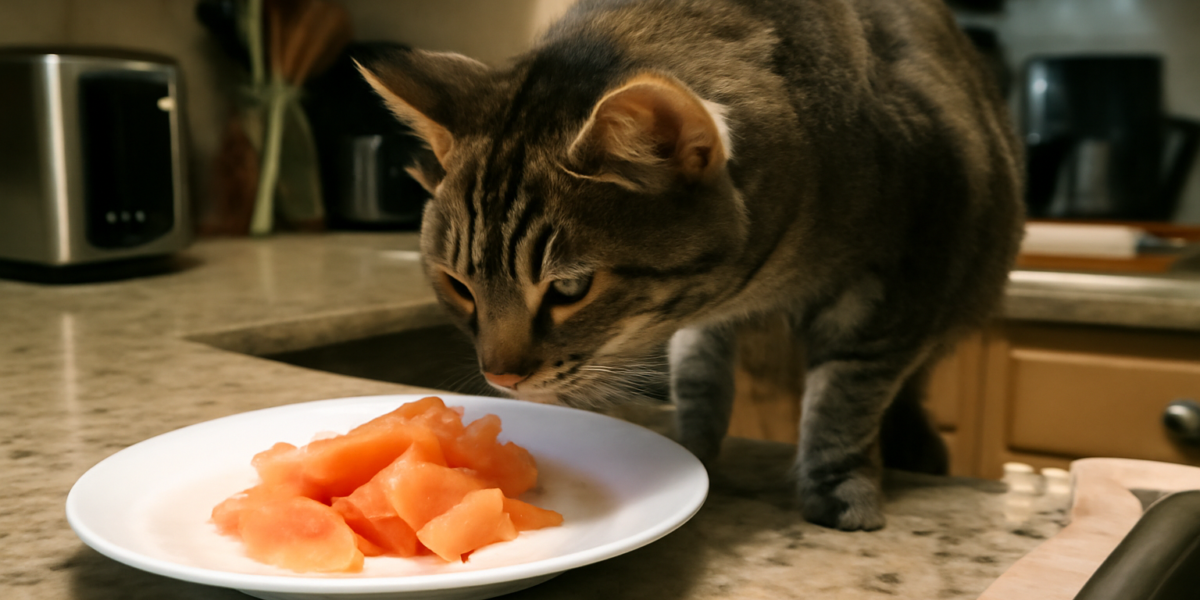
No, cats should not eat smoked salmon. While cats are obligate carnivores that naturally thrive on fish-based proteins, smoked salmon presents several health risks that outweigh any nutritional benefit. The smoking and curing process introduces dangerously high sodium levels, potentially harmful preservatives, and does not reliably kill parasites that could infect your cat.
A single ounce of smoked salmon contains roughly 300 to 600 milligrams of sodium, depending on the brand and preparation method. To put this in perspective, an average ten-pound cat needs only about 21 milligrams of sodium per day. Even a small bite of smoked salmon delivers a sodium load that far exceeds your cat’s daily requirement, putting stress on their kidneys and cardiovascular system.
If your cat has stolen a tiny piece of smoked salmon off your plate, there is no need to panic. A single small taste is unlikely to cause an emergency. However, smoked salmon should never be offered intentionally or regularly as a treat. Safer fish options exist that let your cat enjoy the flavors they love without the risks.
The Sodium Problem
Sodium is the primary reason smoked salmon is unsuitable for cats. The smoking process involves brining or dry-curing the salmon with large amounts of salt before smoking, and this salt permeates the flesh of the fish thoroughly.
Cats are much more sensitive to sodium than humans. Their small kidneys must work harder to process and excrete excess salt. Regular exposure to high-sodium foods can lead to:
- Excessive thirst and urination, which may be mistaken for diabetes or kidney disease symptoms
- Dehydration, as the body pulls water to process the salt
- Elevated blood pressure, which can damage the heart, kidneys, and eyes over time
- Kidney strain, particularly dangerous for cats with existing kidney disease
In extreme cases, consuming a large amount of high-sodium food at once can cause sodium ion poisoning. Symptoms include vomiting, diarrhea, tremors, elevated body temperature, and seizures. While this level of toxicity would require a cat to eat a substantial amount of smoked salmon, even moderate sodium excess causes discomfort and health strain that your cat cannot communicate to you.
Cats with pre-existing kidney disease, heart conditions, or hypertension are at even greater risk. Since chronic kidney disease affects a significant percentage of senior cats, avoiding high-sodium foods like smoked salmon is especially important for older felines.
Parasite and Bacteria Risks
Cold-smoked salmon, the type most commonly found in grocery stores sliced thin for bagels, is not cooked to temperatures high enough to kill all parasites and bacteria. This creates an additional risk for cats beyond the sodium concerns.
Parasites of concern include:
- Anisakis (herring worm), a nematode that can cause gastrointestinal symptoms
- Diphyllobothrium latum (broad fish tapeworm), which can establish infection in cats
- Nanophyetus salmincola, which carries the organism responsible for salmon poisoning disease (primarily a risk in Pacific Northwest salmon)
Bacterial risks include Listeria monocytogenes, which can contaminate cold-smoked fish products and cause listeriosis. While listeriosis is more commonly discussed as a human health concern, cats can also be affected, particularly those with weakened immune systems.
Hot-smoked salmon, which has a flaky, cooked texture, reaches higher internal temperatures during processing and carries lower parasite risk. However, it still contains excessive sodium and is not recommended for cats. If you are interested in feeding your cat fish safely, our guide on plain cooked salmon for cats covers proper preparation.
Preservatives and Additives
Many commercially produced smoked salmon products contain additional ingredients beyond salt that are problematic for cats.
Common additives in smoked salmon include sodium nitrite, used as a preservative and color fixative, and sugar or brown sugar used in the curing brine. Some products include liquid smoke flavoring, garlic powder, onion powder, or various spice blends. Garlic and onion are outright toxic to cats, damaging red blood cells and potentially causing Heinz body anemia.
Even “all-natural” smoked salmon with no added preservatives still undergoes the salt-curing process that makes it too salty for feline consumption. The smoking process itself can introduce polycyclic aromatic hydrocarbons (PAHs), compounds formed during the smoking of any food, which have been identified as potential carcinogens.
Reading ingredient labels is important if you are considering sharing any human food with your cat, but in the case of smoked salmon, the base product itself is the problem regardless of how few additives it contains.
What to Do If Your Cat Eats Smoked Salmon
If your cat has eaten a small amount of smoked salmon, such as a bite or two, monitor them but do not panic. Provide plenty of fresh water to help their kidneys flush the excess sodium. Watch for vomiting, diarrhea, excessive thirst, or lethargy over the next 12 to 24 hours.
For small accidental exposures, most cats will be fine with access to fresh water and normal food at their next meal. The main concern is ensuring they drink enough to process the sodium load.
Contact your veterinarian if your cat:
- Ate a large amount of smoked salmon (more than an ounce or two)
- Shows signs of excessive thirst or urination
- Develops vomiting or diarrhea that lasts more than a few hours
- Appears lethargic, uncoordinated, or disoriented
- Has a pre-existing kidney, heart, or liver condition
For significant ingestions, your vet may recommend blood work to check sodium levels and kidney function. IV fluids may be administered to help normalize sodium levels gradually. Rapid correction of sodium imbalances must be avoided, as it can cause its own neurological complications.
Safe Fish Alternatives for Cats
Your cat does not have to miss out on fish flavors entirely. Several fish options are much safer when prepared properly.
Plain cooked salmon is an excellent occasional treat. Bake, steam, or poach fresh salmon without any seasoning, oil, or butter. Remove all bones and skin before serving a small portion. Cooking to an internal temperature of 145 degrees Fahrenheit kills parasites and bacteria while preserving the omega-3 fatty acids that benefit your cat’s skin and coat.
Other cat-safe fish options include:
- Cooked shrimp, plain and deveined, in small amounts (see our cooked shrimp guide for details)
- Canned tuna in water (not oil or brine), offered sparingly due to mercury concerns
- Cooked whitefish like cod or tilapia, plain and boneless
- Sardines packed in water, in small amounts
Keep fish treats to no more than ten percent of your cat’s total caloric intake. While cats enjoy fish, a balanced commercial cat food should remain the foundation of their diet. Fish-heavy diets can lead to thiamine deficiency and expose cats to excessive mercury over time. For more on feline nutrition, check our guide on feeding cats chicken safely.
Frequently Asked Questions
Can cats eat smoked salmon skin?
No. Smoked salmon skin absorbs significant amounts of salt during the curing process and contains the same sodium concerns as the flesh. The skin may also harbor higher concentrations of preservatives and smoking-related compounds. Do not offer smoked salmon skin to your cat.
Is lox (cold-smoked salmon) safer than hot-smoked salmon for cats?
Neither is safe for cats. Lox is actually riskier because it is cured but not cooked, meaning it carries both the high sodium problem and a higher parasite and bacterial contamination risk. Hot-smoked salmon is technically more cooked but still far too salty for feline consumption.
My cat loves smoked salmon and begs for it. How can I redirect this behavior?
Cats are attracted to the strong fish aroma of smoked salmon. Redirect their interest by offering a small piece of plain cooked salmon or a fish-flavored commercial cat treat. Freeze-dried salmon treats made specifically for cats provide the flavor your cat craves with appropriate sodium levels. Over time, your cat will associate treat time with these safer options.
Can kittens eat smoked salmon?
Absolutely not. Kittens are even more vulnerable to the effects of high sodium than adult cats because of their smaller body size and developing kidneys. A kitten’s sodium tolerance is extremely low, and even a small amount of smoked salmon could cause significant symptoms. Stick to kitten-formulated food and vet-approved treats for young cats.
Is smoked salmon cream cheese safe for cats?
No. Smoked salmon cream cheese combines two problematic foods: smoked salmon with its excess sodium, and dairy products that most adult cats cannot digest properly due to lactose intolerance. This combination is likely to cause gastrointestinal upset and provides no nutritional benefit for your cat. For dairy-free alternatives, see our article on coconut yogurt for cats.


