
Last updated: April 10, 2026
In this article
Cooked Shrimp Is Safe for Cats in Moderation
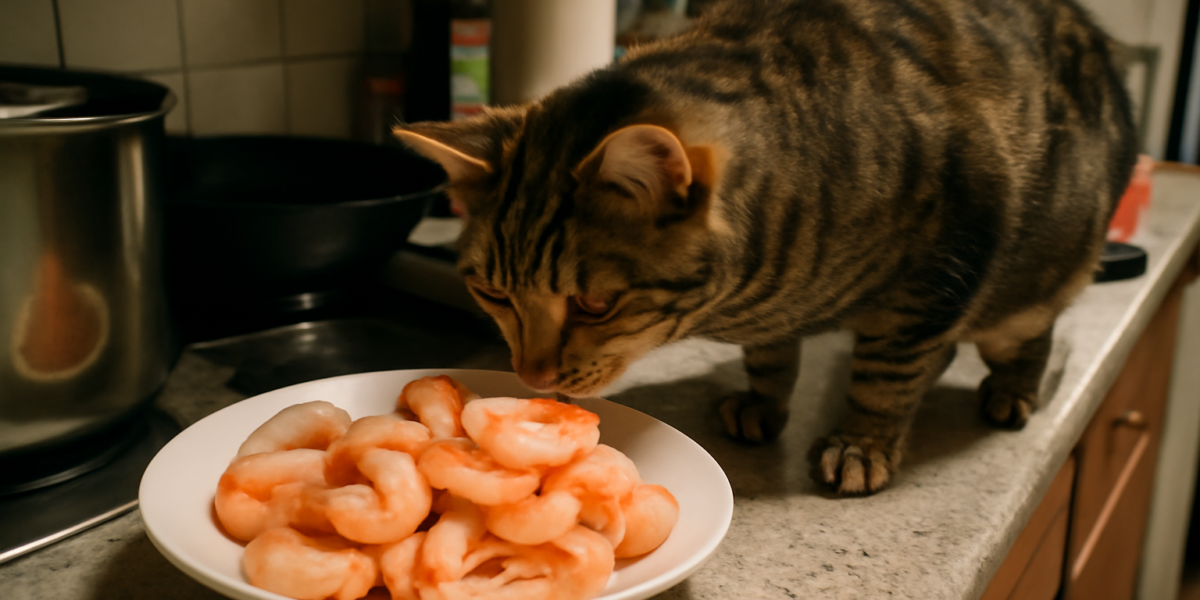
Yes, cats can eat cooked shrimp as an occasional treat. Plain, fully cooked shrimp is a protein-rich, low-calorie snack that most cats find irresistible. Shrimp provides beneficial nutrients including protein, omega-3 fatty acids, vitamin B12, and phosphorus, all of which support your cat’s overall health when offered as part of a balanced diet.
The key requirements are proper preparation and portion control. Shrimp must be plain, meaning no butter, garlic, seasoning, or sauces. It should be fully cooked, peeled, deveined, and served in small pieces appropriate for your cat’s size. As with any treat, cooked shrimp should make up no more than ten percent of your cat’s daily caloric intake.
Most cats are naturally attracted to the smell and taste of shrimp, making it an excellent high-value treat for training, hiding medication, or simply brightening your cat’s day. With proper preparation, it is one of the safer human foods you can share with your feline companion.
Nutritional Benefits of Shrimp for Cats
Shrimp offers a solid nutritional profile that complements a cat’s dietary needs as obligate carnivores.
Protein is the standout nutrient. A single medium shrimp contains approximately 1 gram of high-quality animal protein with minimal fat. This makes shrimp an excellent treat option for cats that need to maintain a healthy weight, as it satisfies their protein cravings without excessive calories.
Additional nutritional benefits include:
- Omega-3 fatty acids that support skin health, coat quality, and may help reduce inflammation
- Vitamin B12, essential for nervous system function and red blood cell formation
- Phosphorus, which works with calcium to support bone health
- Selenium, an antioxidant that supports immune function and thyroid health
- Astaxanthin, a natural antioxidant that gives shrimp its pink color and may provide anti-inflammatory benefits
Shrimp is also naturally low in mercury compared to larger fish like tuna or swordfish. This means you can offer it without the same mercury accumulation concerns that limit how often cats should eat certain other seafood options.
However, shrimp is not nutritionally complete for cats. It lacks adequate taurine, calcium, and several vitamins that cats need daily. Shrimp should always be a supplement to, not a replacement for, a balanced commercial cat food.
How to Prepare Shrimp for Your Cat
Proper preparation is essential for making shrimp safe and enjoyable for your cat. Follow these steps for worry-free shrimp treats.
Choose plain, unflavored shrimp. Fresh or frozen raw shrimp that you cook yourself is the safest option. Avoid pre-seasoned, pre-marinated, breaded, or fried shrimp, as these contain ingredients that are unhealthy or potentially harmful for cats.
Cook the shrimp thoroughly. Boiling or steaming are the best cooking methods because they require no added fat or seasoning. Cook until the shrimp turns pink and opaque throughout, reaching an internal temperature of 145 degrees Fahrenheit. Do not use butter, oil, garlic, lemon, Old Bay seasoning, or any other flavoring.
Peel and devein completely. Remove the shell, tail, and legs. The digestive vein (the dark line running along the back) should also be removed. While the shell is not toxic, it can pose a choking hazard and is difficult for cats to digest.
Cut into appropriate pieces. Slice each shrimp into two to four pieces depending on your cat’s size. Cats tend to swallow food with minimal chewing, so smaller pieces reduce choking risk. For kittens or very small cats, mince the shrimp finely.
Serve at room temperature or slightly cool. Let cooked shrimp cool completely before offering it to your cat. Hot food can burn your cat’s mouth, and most cats prefer food at room temperature or slightly warmed.
Portion Guidelines and Frequency
Treats, including shrimp, should constitute no more than ten percent of your cat’s daily caloric intake. Exceeding this threshold can unbalance your cat’s overall nutrition and contribute to weight gain.
For a typical ten-pound adult cat consuming approximately 200 calories per day, the treat allowance is about 20 calories. Since one medium boiled shrimp contains roughly 7 calories, your cat can safely enjoy two to three medium shrimp per serving.
Recommended portion guidelines by cat size:
- Small cats (under 8 pounds): 1-2 medium shrimp, once or twice per week
- Average cats (8-12 pounds): 2-3 medium shrimp, once or twice per week
- Large cats (over 12 pounds): 3-4 medium shrimp, once or twice per week
Do not offer shrimp daily. Even though it is a healthy treat, regular overconsumption could lead to nutritional imbalance, and your cat may begin refusing their regular food in favor of shrimp. Rotating between different treat options keeps your cat interested and ensures variety.
When introducing shrimp for the first time, start with a single small piece and monitor your cat for 24 hours. While shrimp allergies are uncommon in cats, any new food has the potential to cause digestive upset. If your cat tolerates the first serving well, you can gradually increase to the full recommended portion.
Types of Shrimp to Avoid
Not all shrimp preparations are safe for cats. Several common ways humans enjoy shrimp introduce ingredients or risks that make them unsuitable for feline consumption.
Fried shrimp contains excessive fat from cooking oil and often has a breaded coating with flour, salt, and other seasonings. The high fat content can cause digestive upset and, over time, contribute to obesity and pancreatitis.
Garlic or butter shrimp is a common preparation that is genuinely dangerous. Garlic and onion are toxic to cats, damaging red blood cells and potentially causing Heinz body anemia. Even small amounts of garlic butter sauce should not be offered.
Shrimp cocktail with sauce introduces high-sodium cocktail sauce, horseradish, and other ingredients that are inappropriate for cats. The shrimp itself may also be brined in salt water before serving.
Canned shrimp often contains added salt, preservatives, and sometimes citric acid. If you use canned shrimp, look for varieties packed in water with no added salt, and rinse thoroughly before offering.
Raw shrimp carries a risk of bacterial contamination including Vibrio, Salmonella, and E. coli. Always cook shrimp fully before serving it to your cat. For more on raw seafood risks, see our article on raw chicken safety for cats.
Special Considerations for Cats with Health Conditions
While cooked shrimp is safe for most healthy cats, certain health conditions may require extra caution or avoidance.
Cats with kidney disease need careful protein and phosphorus management. Shrimp is moderately high in phosphorus, and excessive phosphorus intake can accelerate kidney disease progression. Consult your veterinarian before offering shrimp to a cat with any stage of chronic kidney disease.
Overweight or obese cats can benefit from shrimp as a low-calorie treat replacement for higher-calorie commercial treats. A few shrimp offer satisfying protein with fewer calories than most packaged cat treats. Just be sure to account for the calories in your cat’s daily total.
Cats with a history of urinary issues should have shrimp approved by their veterinarian, as the mineral content in seafood may affect certain urinary conditions. This is particularly important for cats on therapeutic urinary diets.
Cats with known shellfish allergies, though rare, should obviously avoid shrimp entirely. Signs of a food allergy include itchy skin, vomiting, diarrhea, and facial swelling after eating the trigger food. If your cat shows these signs after eating shrimp, discontinue and consult your vet. You might want to try alternative protein treats like plain cooked chicken instead.
Frequently Asked Questions
Can cats eat shrimp tails?
It is best to remove shrimp tails before serving. While not toxic, shrimp tails are hard and sharp, posing a choking hazard and potentially irritating the esophagus or stomach lining. Some cats may try to swallow the tail whole, which increases the risk of choking or gastrointestinal obstruction. Always peel shrimp completely for your cat’s safety.
Can kittens eat cooked shrimp?
Kittens over four months old can try a tiny amount of plain cooked shrimp as an occasional treat. Cut it into very small pieces appropriate for their tiny mouths. However, kittens should primarily eat kitten-formulated food to ensure they get the concentrated nutrition needed for growth and development. Treats of any kind should be minimal during the kitten phase.
Is shrimp better for cats than tuna?
Shrimp has some advantages over tuna as a cat treat. It is lower in mercury, lower in fat, and less likely to become addictive. Some cats become so fixated on tuna that they refuse their regular food, a problem that occurs less frequently with shrimp. Both are safe occasional treats, but shrimp may be the better choice for regular treat rotation.
Can I use shrimp to hide my cat’s medication?
Shrimp can work well as a pill pocket for cats that enjoy it. Place a small pill inside a piece of shrimp and pinch it closed. The strong seafood flavor can mask the taste of medication. Verify with your vet that the medication can be taken with food, as some drugs require an empty stomach. For liquid medications, see our guide on administering liquid medicine to cats.
How should I store leftover cooked shrimp for my cat?
Store plain cooked shrimp in an airtight container in the refrigerator for up to three days. You can also freeze cooked shrimp in portion-sized amounts for up to three months. Thaw frozen shrimp in the refrigerator overnight before serving. Never refreeze thawed shrimp, and discard any shrimp that has been sitting at room temperature for more than two hours to prevent bacterial growth.


