
Last updated: April 10, 2026
In this article
Coconut Yogurt Is Safe Only in Very Small Amounts
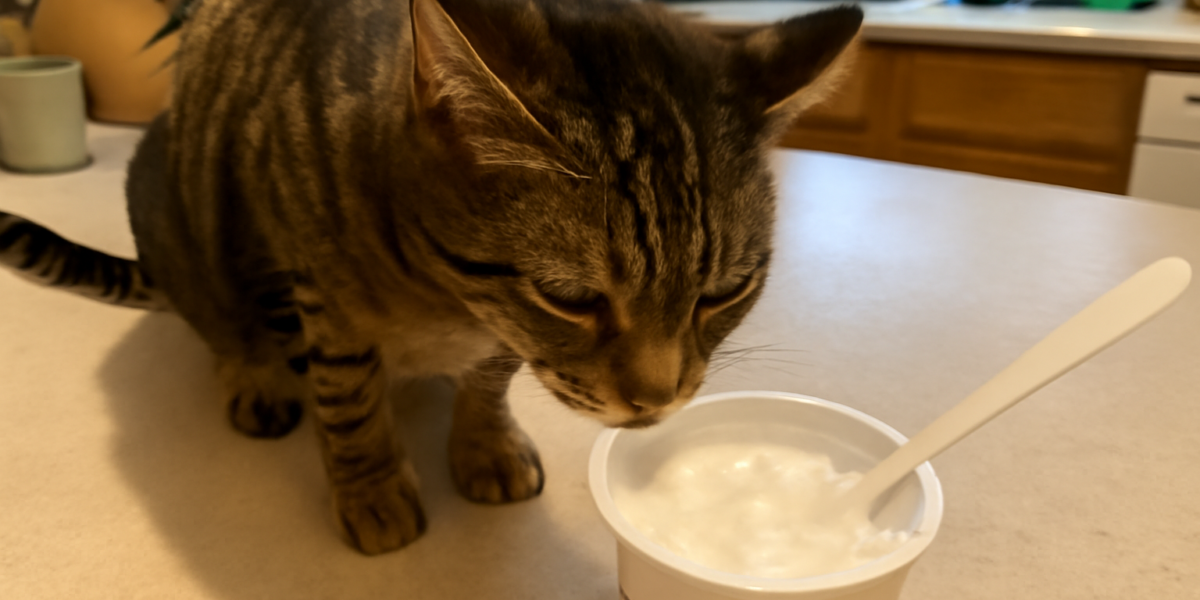
Cats can eat a tiny amount of plain, unsweetened coconut yogurt without immediate harm, but it is not a recommended treat. While coconut yogurt avoids the lactose problem that makes dairy yogurt troublesome for most adult cats, it introduces its own set of concerns including high fat content, potential additives, and zero nutritional necessity for felines. At best, coconut yogurt is an unnecessary indulgence. At worst, it can cause digestive upset and contribute to unhealthy weight gain.
If your cat has licked a spoonful of your coconut yogurt, there is no reason to worry. But intentionally feeding coconut yogurt as a regular treat is not something veterinarians recommend. Cats are obligate carnivores whose digestive systems are optimized for animal protein and fat, not plant-based coconut products.
The safest approach is to keep coconut yogurt as a very rare, very small taste if your cat shows interest, and to choose animal-protein-based treats that actually align with your cat’s nutritional biology.
Why Coconut Yogurt Appeals to Cat Owners
Many cat owners turn to coconut yogurt because they know their cat is lactose intolerant but still want to offer a yogurt-like treat. Most adult cats lack sufficient lactase, the enzyme needed to digest lactose, making dairy products like regular yogurt, milk, and cheese likely to cause gas, bloating, and diarrhea.
Coconut yogurt eliminates the lactose issue entirely because it is made from coconut cream or coconut milk, not dairy. This solves one problem but creates others that are less obvious at first glance.
The popularity of coconut yogurt in human health circles has also contributed to its appeal as a pet food. Coconut products are marketed for their medium-chain triglycerides (MCTs), probiotics, and overall “healthiness.” However, what is beneficial for humans does not automatically translate to benefits for cats, whose metabolism and nutritional requirements differ fundamentally from ours.
The Fat and Calorie Problem
Coconut yogurt is significantly higher in fat than many cat owners realize. A typical serving of coconut yogurt contains 12 to 16 grams of fat, almost entirely from saturated coconut fat. While cats can process fat better than humans, the concentration in coconut yogurt far exceeds what is appropriate for a feline treat.
The caloric density is the bigger practical concern. A single tablespoon of coconut yogurt can contain 30 to 50 calories. For a ten-pound cat consuming approximately 200 calories per day, even a tablespoon represents 15 to 25 percent of their daily caloric intake. That is far above the recommended ten percent treat threshold.
Regular consumption of high-fat treats contributes to:
- Weight gain and obesity, which affects an estimated 60 percent of domestic cats
- Increased risk of pancreatitis, an inflammation of the pancreas that can be triggered by high-fat foods
- Hepatic lipidosis (fatty liver disease), which obese cats are predisposed to developing
- Gastrointestinal upset including loose stools and diarrhea from the high fat content
Cats that are already overweight, have a history of pancreatitis, or have liver disease should avoid coconut yogurt entirely. For healthy cats, the occasional half-teaspoon as a rare treat is unlikely to cause problems, but there are much better treat options available.
Additives and Sweeteners to Watch For
Most commercially available coconut yogurts contain ingredients beyond simple coconut, and several of these additives are problematic for cats.
Added sugar is present in many flavored coconut yogurts and some “plain” varieties. Cats cannot taste sweetness, so added sugar provides no enjoyment while contributing empty calories and potentially disrupting gut flora.
Xylitol is a sugar alcohol used as a sweetener in some sugar-free yogurt products. While xylitol toxicity is most documented in dogs, where it causes dangerous blood sugar drops and liver damage, it is best avoided for cats as well. Always check ingredient labels for xylitol, birch sugar, or any sugar alcohols.
Artificial sweeteners like stevia, erythritol, and monk fruit extract are increasingly common in coconut yogurt. Their effects on cats are not well studied, and there is no reason to expose your cat to these compounds.
Thickeners and stabilizers such as guar gum, carrageenan, and locust bean gum are used in most coconut yogurts. While generally considered safe in small amounts, carrageenan has been associated with gastrointestinal inflammation in some animal studies and is avoided by some pet food manufacturers.
Fruit flavoring in flavored coconut yogurts adds sugar and may include ingredients that are toxic to cats. Grape-flavored products, for instance, should be strictly avoided as grapes are toxic to some pets.
If you do offer coconut yogurt, choose a product that is plain, unsweetened, and has the shortest possible ingredient list. Ideally, the only ingredient should be coconut cream or coconut milk plus live cultures.
Probiotic Benefits: Fact or Fiction for Cats
One argument for offering coconut yogurt to cats is the probiotic content. Coconut yogurt is fermented with live bacterial cultures, and probiotics can support digestive health. But the question is whether coconut yogurt is the right vehicle for delivering probiotics to your cat.
The probiotic strains in coconut yogurt, typically Lactobacillus and Streptococcus thermophilus, are strains developed for human gut health. They may or may not be the most beneficial strains for feline digestive systems. Research on feline-specific probiotics suggests that strains like Enterococcus faecium and certain Bifidobacterium species are more appropriate for cats.
More importantly, the amount of probiotics in a cat-safe serving of coconut yogurt (half a teaspoon) is minimal. A veterinary probiotic supplement formulated for cats delivers targeted strains in appropriate concentrations, making it a far more effective and safer option.
If your cat needs probiotic support for digestive issues, talk to your veterinarian about feline-specific probiotic products rather than relying on coconut yogurt. For digestive fiber support, plain pumpkin puree is a better-studied and more commonly recommended option.
Better Treat Alternatives for Your Cat
If you are looking for treats your cat will enjoy that actually align with their biological needs, several options outperform coconut yogurt in every way.
Animal-protein-based treats that cats love include:
- Plain cooked chicken or turkey, shredded into small pieces
- Plain cooked shrimp, a low-calorie protein treat most cats find irresistible
- Freeze-dried meat treats made specifically for cats, available in chicken, salmon, and other proteins
- A small amount of plain cooked egg, a complete protein source
- Commercial cat treats formulated with appropriate calorie content and nutrition
For cats that specifically enjoy creamy textures similar to yogurt, several cat-specific products on the market offer lickable treats in tubes or pouches. Brands like Churu, Delectables, and similar products are formulated for cats with appropriate ingredients and calorie content. These satisfy the “creamy treat” desire without the drawbacks of human coconut yogurt.
If your cat has shown interest in coconut specifically, note that plain, unsweetened coconut flakes in a tiny amount (a few shreds) are less calorie-dense than coconut yogurt and can satisfy the curiosity. However, coconut in any form remains a nutritionally unnecessary food for cats. Check our guide on salmon for cats for a more nutritionally relevant treat option.
Frequently Asked Questions
Is coconut yogurt better than dairy yogurt for cats?
Coconut yogurt eliminates the lactose intolerance issue, but it is not necessarily “better” overall. Plain dairy yogurt actually contains less fat per serving than most coconut yogurts and provides animal-based protein that cats can use more efficiently. If you must choose between the two, a tiny amount of plain, unsweetened dairy yogurt may actually be the slightly better option for cats that tolerate it. Neither should be a regular part of your cat’s diet.
My cat loves coconut yogurt and begs for it. How much is safe?
Limit coconut yogurt to no more than half a teaspoon once or twice per week for an average-sized cat. This keeps the fat and calorie contribution minimal. If your cat is overweight or has any health conditions, consult your veterinarian before offering any amount. Try redirecting your cat’s enthusiasm toward healthier high-value treats like cooked chicken or fish.
Can coconut yogurt cause diarrhea in cats?
Yes. The high fat content in coconut yogurt can cause loose stools or diarrhea in cats, especially those with sensitive stomachs or when consumed in larger amounts. Cats that have never eaten coconut products before may be particularly prone to gastrointestinal upset. Start with a very small taste and observe your cat’s stool quality for 24 hours before offering more.
Is coconut oil safer for cats than coconut yogurt?
Coconut oil is equally high in fat and carries similar calorie concerns. Some veterinarians recommend tiny amounts of coconut oil for specific purposes like hairball prevention or skin health, but these uses are not universally endorsed by veterinary nutritionists. As with coconut yogurt, moderation is essential and veterinary guidance is recommended.
Can cats eat coconut yogurt with fruit mixed in?
No. Flavored coconut yogurts with fruit contain added sugar and may include fruits that are harmful to cats. Grapes and raisins are toxic to some pets, and citrus fruits can cause gastrointestinal upset. Even safe fruits add unnecessary sugar. If you offer coconut yogurt at all, it must be plain and unsweetened. Visit our cat care hub for more feline nutrition resources.


