
Last updated: April 9, 2026
In this article
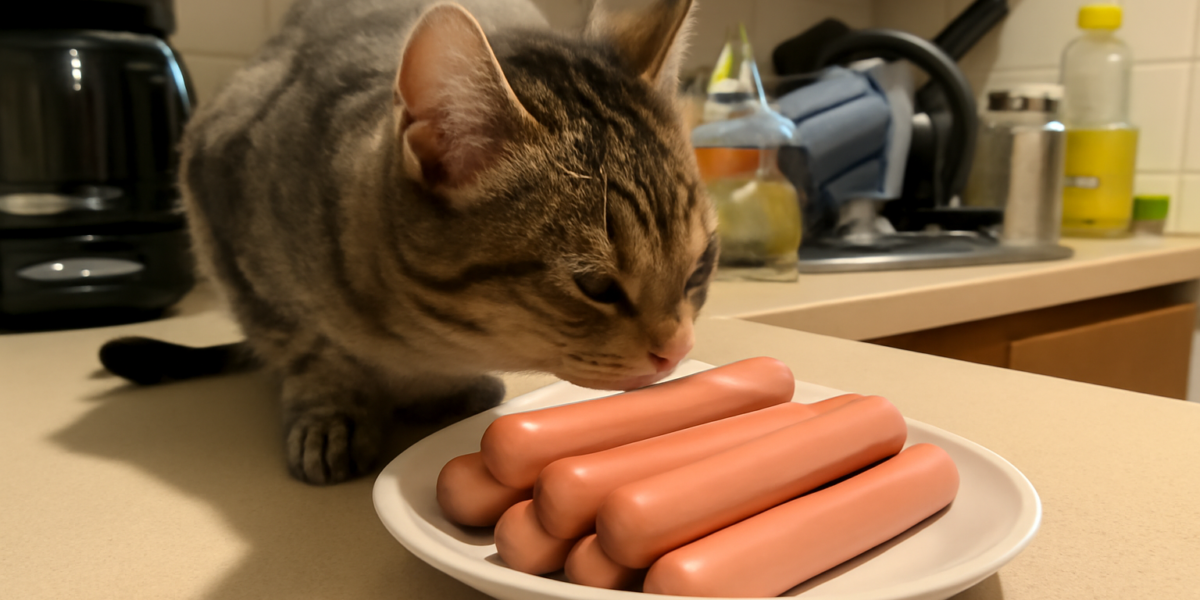
Hot dogs are an American cookout classic, and their unmistakable aroma is enough to bring any household cat running. Since hot dogs are made from meat, it might seem reasonable to offer a piece to your cat. But hot dogs are one of the most heavily processed meat products on the market, and the long list of additives, preservatives, and seasonings they contain makes them genuinely unsuitable — and potentially dangerous — for feline consumption.
Quick Answer: No, cats should not eat hot dogs. Despite being meat-based, hot dogs contain extremely high levels of sodium (a single hot dog can contain 400–600 mg), along with garlic powder, onion powder, nitrates, nitrites, and other preservatives that are harmful to cats. The fat content can trigger pancreatitis, and the seasonings may cause Allium toxicity. Plain, cooked meat is always the safer alternative.
Are Hot Dogs Safe for Cats?
Hot dogs are not safe for cats and should not be fed intentionally. While a cat is unlikely to experience a life-threatening emergency from licking a piece of hot dog, the ingredient profile of this food makes it one of the worst processed meats you could offer a feline.
Here is what a typical hot dog contains that makes it problematic for cats:
- Excessive sodium: A standard beef hot dog contains approximately 400–600 mg of sodium. A 10-pound cat needs only about 42 mg of sodium per day. A single hot dog delivers roughly 10–15 times a cat’s total daily sodium requirement.
- Garlic and onion powder: These are standard ingredients in nearly all hot dog brands. Both are members of the Allium family and are toxic to cats. They cause oxidative damage to red blood cells, which can lead to Heinz body anemia — a condition where damaged red blood cells are destroyed faster than they can be replaced.
- Nitrates and nitrites: Sodium nitrate and sodium nitrite are used as curing agents and preservatives in hot dogs. These compounds can interfere with hemoglobin function and, in large amounts, cause methemoglobinemia — a condition where blood cannot effectively carry oxygen.
- High fat content: A single hot dog contains roughly 13–17 grams of fat, much of it saturated. High-fat foods are a known trigger for pancreatitis in cats.
- Fillers and binders: Many hot dogs contain corn syrup, modified food starch, dextrose, and other carbohydrate-based fillers that provide no nutritional value for obligate carnivores.
Nutritional Profile of Hot Dogs
One standard beef hot dog (about 52 grams) contains approximately 189 calories, 17 grams of fat (6.2 grams saturated), 7 grams of protein, 1.7 grams of carbohydrates, and 493 mg of sodium. It also provides some vitamin B12, zinc, and phosphorus, though these come packaged with harmful additives.
The calorie-to-nutrition ratio is particularly poor for cats. A single hot dog represents 75–95 percent of a typical cat’s daily caloric need, yet it provides only 7 grams of protein — far below the roughly 25–30 grams of protein a cat needs daily. The overwhelming majority of calories come from fat and salt rather than from the lean animal protein that feline metabolism demands.
Cats are obligate carnivores that thrive on high-protein, moderate-fat, low-carbohydrate diets derived from animal tissue. Hot dogs invert this profile, delivering excessive fat and sodium with inadequate protein quality. The processing involved in making hot dogs (emulsification, curing, smoking) also degrades some heat-sensitive nutrients like taurine.
Risks and Side Effects of Hot Dogs for Cats
- Allium toxicity (garlic and onion): Even small amounts of garlic and onion can cause hemolytic anemia in cats. Symptoms may be delayed by 1–5 days and include pale or yellowish gums, rapid breathing, dark brown or red urine, weakness, and collapse. This is a serious veterinary emergency.
- Sodium poisoning: Acute sodium overconsumption can cause excessive thirst, vomiting, diarrhea, incoordination, tremors, elevated body temperature, and seizures. Chronic excess sodium contributes to hypertension and kidney damage.
- Pancreatitis: The high fat content is a well-documented trigger for pancreatic inflammation in cats. Pancreatitis causes severe abdominal pain, vomiting, diarrhea, fever, and can require hospitalization.
- Choking hazard: The cylindrical shape and firm texture of hot dog pieces can be a choking risk for cats who tend to gulp rather than chew their food. Hot dog pieces are a recognized choking hazard even for young children.
- Obesity: At 189 calories per hot dog, even a small portion represents a significant percentage of a cat’s daily caloric needs. Regular hot dog consumption would rapidly contribute to weight gain.
- Nitrate and nitrite exposure: These preservatives can form nitrosamines — compounds with carcinogenic potential — particularly when processed meats are cooked at high temperatures. While the direct cancer risk to cats from occasional exposure has not been extensively studied, chronic exposure to nitrosamines is a concern in any species.
- Digestive upset: The combination of fat, spices, preservatives, and fillers frequently causes vomiting and diarrhea in cats.
What If My Cat Ate a Hot Dog?
If your cat grabbed a piece of hot dog at a barbecue, take these steps:
- Determine approximately how much was consumed
- Check the ingredient list for garlic powder, onion powder, and other Allium ingredients
- Offer fresh water to help dilute the sodium load
- Monitor for vomiting, diarrhea, excessive thirst, or lethargy over the next 12–24 hours
If the hot dog contained garlic or onion (which most do), contact your veterinarian even if your cat shows no immediate symptoms. Allium toxicity can take several days to manifest as anemia, and early monitoring through blood work can catch the problem before it becomes critical.
Seek immediate veterinary care if your cat shows:
- Persistent vomiting or diarrhea
- Trembling, incoordination, or seizures
- Pale, white, or yellow gums
- Dark urine or blood in urine
- Rapid breathing or panting
- Extreme lethargy or unresponsiveness
How to Give Your Cat Safe Meat Treats Instead
- Kittens: Stick to complete kitten food. If supplementing, offer a teaspoon of plain cooked chicken or turkey breast once per week.
- Adult cats (6–10 lbs): 1 ounce (2 tablespoons) of plain, cooked, unseasoned meat — chicken, turkey, lean beef, or salmon — once or twice per week.
- Large cats (over 10 lbs): Up to 1.5 ounces of plain, cooked, unseasoned meat once or twice per week.
The meaty flavor your cat is seeking in a hot dog is available in a much safer form: plain cooked meat. Boil, bake, or steam chicken breast, turkey breast, or lean ground beef without any salt, oil, garlic, onion, or seasonings. Dice it into appropriate-sized pieces and let it cool. This provides everything your obligate carnivore needs from a meat treat — protein, taurine, and meaty satisfaction — without any of the dangers of processed hot dogs.
Alternatives to Hot Dogs for Cats
- Plain cooked chicken: Lean, high in protein, naturally contains taurine, and universally well-tolerated by cats.
- Plain cooked turkey: Another excellent lean protein. Avoid any processed turkey products (deli meat, turkey sausage).
- Cooked shrimp: Low in calories, high in protein, and most cats find them irresistible. Remove shells and tails.
- Cooked salmon: Rich in protein and omega-3 fatty acids. Bake or steam without seasoning and remove all bones.
- Freeze-dried meat treats: Commercial freeze-dried treats made for cats (chicken, salmon, turkey) provide pure meat flavor with controlled, cat-safe ingredients.
Frequently Asked Questions
Can a small piece of hot dog hurt my cat?
A very small piece is unlikely to cause a medical emergency, but it is not harmless either. Even a small piece delivers disproportionate amounts of sodium, fat, and potentially toxic seasonings (garlic and onion powder) relative to a cat’s body weight. The damage from Allium compounds is cumulative, and repeated small exposures can build toward anemia over time. It is better to avoid hot dogs entirely.
Are all-beef hot dogs safer for cats?
No. “All-beef” refers to the type of meat used, not the absence of harmful additives. All-beef hot dogs still contain high sodium, garlic powder, onion powder, nitrates, and other preservatives. The seasoning and curing process is the same regardless of the base meat. All-beef hot dogs are equally inappropriate for cats.
What about uncured or “natural” hot dogs?
Uncured or “natural” hot dogs are marginally better in that they may use celery powder or cherry powder as nitrate sources instead of synthetic sodium nitrate. However, they still contain high sodium, fat, and seasonings including garlic and onion. “Natural” does not mean cat-safe. These products are still heavily processed and inappropriate for feline consumption.
Can cats eat hot dog buns?
Hot dog buns are not toxic to cats but provide no nutritional value. They are essentially refined wheat flour, which offers nothing for an obligate carnivore. Some cats may have wheat sensitivities that could cause digestive upset. The bread itself is less concerning than the hot dog, but neither component belongs in a cat’s diet.
Why does my cat love hot dogs so much?
Cats are attracted to the smell and flavor of meat, and hot dogs deliver concentrated meat aromas enhanced by salt, fat, and smoke. The high fat content in particular creates an appealing scent profile for cats, whose olfactory systems are attuned to detecting animal fats and proteins. Your cat is responding to the meat component — not the sodium, preservatives, or seasonings. You can satisfy this craving much more safely with plain cooked meat.
Is one hot dog enough to cause onion or garlic toxicity in a cat?
The toxic dose of garlic for cats is approximately 5 grams of raw garlic per kilogram of body weight, though some cats are more sensitive. Hot dogs contain garlic powder (which is more concentrated than raw garlic) in relatively small amounts per serving. One hot dog is unlikely to deliver a lethal dose of garlic to most cats, but it may be enough to cause subclinical red blood cell damage, especially in smaller cats or with repeated exposure. It is a risk with no corresponding benefit.
Ready to welcome a cat who will love you even more than they love the smell of cookout food? Check out our adoption page to find your perfect feline match.


