
Last updated: June 13, 2026
In this article
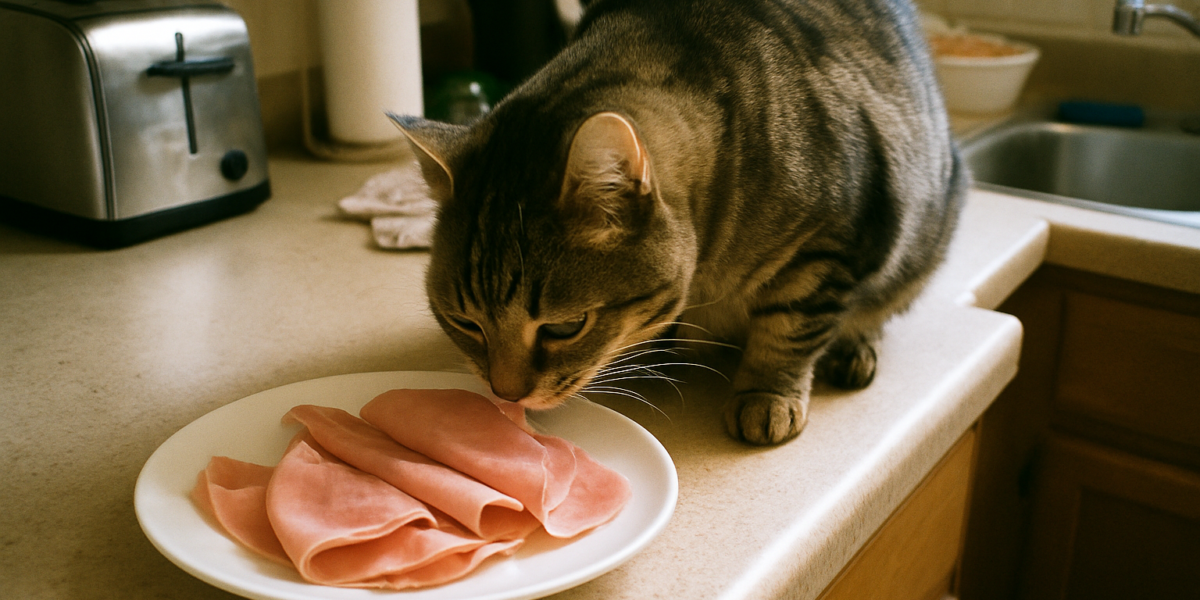
Ham is a kitchen staple in many households — sliced for sandwiches, baked for holiday dinners, diced into omelets. Its rich, salty aroma is practically irresistible to cats, who are obligate carnivores with a hardwired attraction to meat. When your cat weaves between your legs while you prepare a ham sandwich, the temptation to share a piece is strong. But before you toss a slice their way, it is important to understand why ham, despite being a meat product, is far from an ideal food for cats.
Quick Answer: Ham is not recommended for cats. While not toxic, ham is extremely high in sodium and fat — both of which are problematic for feline health. A tiny, occasional piece of unseasoned, unglazed ham is unlikely to cause harm, but ham should not be a regular part of your cat’s diet.
Is Ham Safe for Cats?
Ham is not toxic to cats in the way that onions, garlic, or chocolate are toxic. A cat who steals a small piece of ham from a countertop is not in immediate danger of poisoning. In that basic sense, ham is technically safe. However, the way ham is processed and preserved makes it a poor food choice for cats by virtually every nutritional measure.
The fundamental problem with ham is sodium. Ham is a cured meat, meaning it has been preserved through a process that involves soaking or injecting the meat with a brine solution containing salt, sugar, and often nitrates or nitrites. This curing process is what gives ham its distinctive flavor, pink color, and extended shelf life — but it also makes ham one of the saltiest meats available. A single ounce of deli ham contains roughly 350 to 400 milligrams of sodium. A cat’s daily sodium requirement is approximately 42 milligrams. That means a single ounce of ham contains nearly ten times the amount of sodium a cat needs in an entire day.
Cats are particularly sensitive to sodium excess because their kidneys, while efficient at concentrating urine (an evolutionary adaptation from their desert-dwelling ancestors), are not designed to process the kind of sodium loads that processed human foods deliver. Chronic high sodium intake can contribute to hypertension, kidney damage, and heart disease in cats. Acute sodium overload can cause vomiting, diarrhea, excessive thirst, lethargy, tremors, seizures, and in extreme cases, sodium ion poisoning.
The fat content of ham is another concern. Depending on the cut, ham can contain 5 to 15 grams of fat per ounce. Cats need fat in their diet, but the saturated fat in ham is not the ideal type, and excessive fat intake can lead to obesity and pancreatitis — a painful and potentially life-threatening inflammation of the pancreas. For insights on other foods and feline nutrition, visit our cat breeds directory.
Nutritional Profile of Ham
To understand why ham is problematic for cats, it helps to examine its nutritional composition in detail. A one-ounce (28-gram) serving of regular sliced deli ham typically contains approximately 46 calories, 5 grams of protein, 2.5 grams of fat (including about 0.8 grams of saturated fat), 1 gram of carbohydrates (often from added sugars in glazes), and 350 to 400 milligrams of sodium.
The protein content is the one nutritional aspect of ham that might seem beneficial for cats. As obligate carnivores, cats require a high-protein diet, and ham does deliver animal protein. However, the quality of that protein is diminished by the processing. The curing process can alter amino acid structures and reduce the bioavailability of certain nutrients. Additionally, the protein in ham comes packaged with so much sodium and fat that the drawbacks overwhelm any protein benefit. There are many superior protein sources available for cats that provide the amino acids they need without the problematic extras.
Ham contains some B vitamins, particularly thiamine (vitamin B1), niacin (vitamin B3), and vitamin B6, all of which are important for feline health. It also provides phosphorus, zinc, and selenium in modest amounts. However, a nutritionally complete cat food already provides these nutrients in appropriate amounts, so ham does not fill any nutritional gap in a properly fed cat’s diet.
The preservatives in ham add another layer of concern. Sodium nitrate and sodium nitrite, commonly used in ham curing, have been the subject of health debates in human nutrition for decades. Their effects on cats have not been extensively studied, but adding unnecessary chemical preservatives to a cat’s diet when they serve no nutritional purpose is generally inadvisable.
Glazed hams introduce additional problematic ingredients. Brown sugar glazes, honey glazes, and maple glazes add significant amounts of sugar that cats cannot taste (cats lack sweet taste receptors) and do not need. Some glazes contain mustard, cloves, or other spices that can irritate a cat’s digestive system.
Risks and Side Effects of Ham for Cats
The risks of feeding ham to cats are numerous and significant enough to warrant keeping ham off the feline menu.
Sodium overload. As discussed, the sodium content of ham is dangerously high relative to feline needs. Even a small amount delivers a disproportionate sodium load that stresses the kidneys. Cats with existing kidney disease — extremely common in senior cats — are at particular risk, as compromised kidneys cannot efficiently excrete excess sodium. Chronic sodium excess contributes to hypertension (high blood pressure), which in cats can cause retinal detachment, blindness, heart enlargement, and further kidney damage. The relationship between sodium intake and kidney disease in cats is a vicious cycle that is best avoided entirely.
Obesity. Ham’s calorie density, driven by its fat content, can contribute to weight gain in cats when given regularly. Feline obesity is an epidemic affecting an estimated 60 percent of pet cats, and it increases the risk of diabetes, arthritis, liver disease, and reduced lifespan. For a 10-pound cat with a daily caloric requirement of about 200 calories, a single ounce of ham represents nearly 25 percent of their entire daily allowance.
Pancreatitis. The high fat content of ham is a trigger for pancreatitis in cats. Feline pancreatitis can range from mild and self-limiting to severe and life-threatening, causing vomiting, abdominal pain, lethargy, loss of appetite, and fever. Cats who have experienced pancreatitis are at elevated risk of recurrence, and dietary fat is the most common trigger.
Digestive upset. The combination of high fat, high sodium, and unfamiliar spices or glazes commonly causes vomiting and diarrhea in cats who eat ham. Some cats may also experience gas, bloating, or abdominal discomfort. These symptoms can range from mild and self-resolving to severe enough to require veterinary treatment, depending on the amount consumed and the individual cat’s sensitivity.
Nitrate and nitrite exposure. The preservatives used in ham curing are unnecessary additions to a cat’s diet. While the amounts in a small piece of ham are unlikely to cause acute toxicity, chronic exposure to these compounds is best minimized. For other cat food safety questions, check our guide on crab for cats.
How to Feed Ham to Your Cat Safely
If you choose to give your cat a small taste of ham despite the concerns, these guidelines will help minimize the risks.
Choose wisely. If you must share ham, opt for the least processed version available. Fresh-baked ham with no glaze is better than deli ham. Low-sodium ham is better than regular. Unglazed, unseasoned ham roasted at home is the least problematic option. Avoid any ham with garlic, onion, mustard, clove, or other seasonings, as these can be toxic or irritating to cats.
Keep it tiny. A piece no larger than your fingernail — roughly the size of a small pea — is sufficient as a rare treat. This is not about being stingy; it is about keeping the sodium and fat content within a range that your cat’s body can handle without stress.
Make it rare. If you give your cat ham at all, it should be an exceptionally rare occurrence — perhaps a tiny taste once a month at most, not a regular treat. The less frequently your cat eats ham, the lower the cumulative impact on their kidneys and cardiovascular system.
Remove fat and skin. Trim any visible fat, skin, or glaze from the ham before offering it to your cat. The lean meat portion, while still high in sodium, at least reduces the fat-related risks.
Provide water. After your cat eats ham, ensure they have access to plenty of fresh water. The sodium in ham will increase their thirst, and adequate hydration helps the kidneys process the excess sodium more efficiently.
Monitor afterward. Watch your cat for signs of digestive upset, excessive thirst, or lethargy in the 12 to 24 hours following ham consumption. If symptoms appear, do not give ham again.
Signs of Problems After Eating Ham
Know what to watch for after your cat has eaten ham, so you can respond appropriately.
Increased thirst and urination. The most common and expected response to ham’s sodium content is increased thirst and more frequent urination. This is the body’s attempt to flush out excess sodium. For a healthy cat, this should normalize within 12 to 24 hours. If excessive thirst persists beyond 24 hours, or if your cat is urinating outside the litter box, consult your veterinarian.
Vomiting and diarrhea. Mild gastrointestinal upset — a single episode of vomiting or slightly loose stool — is common after eating rich, salty foods. This typically resolves within a few hours. Multiple episodes of vomiting, watery diarrhea, or blood in the stool warrant a call to your veterinarian.
Lethargy. A cat who becomes noticeably lethargic, withdrawn, or uninterested in normal activities after eating ham may be experiencing more significant sodium effects or the early stages of pancreatitis. If lethargy persists for more than a few hours or is accompanied by other symptoms, seek veterinary advice.
Severe symptoms. Tremors, seizures, difficulty breathing, extreme lethargy, staggering, or collapse after eating ham constitute a veterinary emergency. These could indicate sodium ion poisoning, an allergic reaction, or acute pancreatitis. Seek immediate emergency veterinary care.
Safer Protein Alternatives to Ham for Cats
There are many protein sources that satisfy your cat’s carnivorous cravings without the problems that ham brings.
Plain cooked chicken. Boiled or baked chicken breast with no seasoning is arguably the best human food you can share with your cat. It is high in lean protein, low in sodium, low in fat, and extremely palatable to most cats. Simply cook it plain, shred it into small pieces, and serve at room temperature.
Plain cooked turkey. Similar to chicken, unseasoned turkey breast provides excellent lean protein for cats. Avoid turkey skin (too fatty) and any turkey prepared with onion, garlic, or other seasonings. Turkey deli meat, like ham, is too high in sodium for regular feline consumption.
Cooked fish. Small amounts of cooked salmon, tuna, or whitefish (boneless and unseasoned) provide protein along with omega-3 fatty acids that support skin, coat, and joint health. Fish should be an occasional treat rather than a dietary staple due to concerns about mercury and thiaminase. Read our guide on feeding crab to cats for more seafood guidance.
Cooked eggs. Scrambled or hard-boiled eggs (with no butter, oil, or seasoning) are a complete protein source that most cats enjoy. Eggs provide essential amino acids, B vitamins, and selenium. One tablespoon of scrambled egg makes an excellent occasional treat.
Commercial cat treats. High-quality cat treats formulated to be nutritionally appropriate for felines are always a safer choice than human foods. Look for treats with a named animal protein as the first ingredient and minimal additives. Many freeze-dried meat treats offer a single-ingredient option that satisfies cats’ protein cravings safely.
Frequently Asked Questions
Can cats eat deli ham?
Deli ham is one of the worst types of ham for cats. It is heavily processed, extremely high in sodium (350 to 400 milligrams per ounce), and often contains preservatives, flavorings, and additives. A single slice of deli ham delivers far more sodium than a cat should consume in an entire day. While a tiny piece stolen from a sandwich is unlikely to cause a medical emergency in a healthy cat, deli ham should not be intentionally offered as a treat. If you want to share meat with your cat, plain cooked chicken or turkey is a vastly superior choice.
Can cats eat cooked ham bones?
No, cats should never be given ham bones — cooked or raw. Cooked bones are particularly dangerous because cooking makes them brittle, causing them to splinter into sharp fragments when chewed. These splinters can cause oral injuries, choking, esophageal tears, stomach perforation, and intestinal obstruction. Raw ham bones, while less likely to splinter, carry bacterial contamination risks and are still a choking and obstruction hazard. Keep all ham bones securely disposed of where your cat cannot access them.
My cat ate a large piece of ham — should I be worried?
If your cat ate a large piece of ham (more than a tablespoon or two), monitor closely for the next 24 hours. Provide plenty of fresh water to help flush excess sodium. Watch for vomiting, diarrhea, excessive thirst, lethargy, or signs of abdominal discomfort. A single episode of overconsumption in an otherwise healthy cat is unlikely to cause a crisis, but it may cause noticeable digestive upset. If your cat shows severe symptoms — persistent vomiting, tremors, difficulty breathing, or extreme lethargy — contact your veterinarian. Cats with existing kidney disease, heart disease, or a history of pancreatitis should be seen by a veterinarian as a precaution regardless of symptoms.
Is ham more dangerous for kittens than adult cats?
Yes, ham poses greater risks for kittens than adult cats. Kittens have developing kidneys that are even less equipped to handle sodium overloads, smaller body sizes that make proportional sodium and fat intake higher per unit of body weight, and more sensitive digestive systems. A piece of ham that might cause mild upset in an adult cat could cause significant problems in a kitten. Kittens should not be given ham at all. Their nutritional needs are best met by high-quality kitten food formulated for their growth requirements.
Can cats eat honey-glazed ham?
No, honey-glazed ham combines all the problems of regular ham with additional sugar from the glaze. While cats cannot taste sweetness, the sugar in a honey glaze adds unnecessary calories and carbohydrates that cats do not need. Some honey glazes also contain spices like mustard, cloves, or cinnamon that can irritate a cat’s digestive system. If the glaze contains garlic or onion — ingredients found in many recipes — the ham becomes actively toxic to cats. Honey-glazed ham should be kept away from cats entirely.
Why does my cat love ham so much if it is bad for them?
Cats are obligate carnivores with taste receptors and olfactory systems finely tuned to detect and appreciate animal protein and fat. Ham, being a highly flavored, aromatic, protein-and-fat-rich meat, triggers nearly every food-related instinct a cat has. The salt content also enhances the flavor perception, making ham even more appealing. Unfortunately, what tastes amazing to a cat is not always what is healthy for them — just as humans are drawn to foods that are not ideal for their health. A cat’s enthusiastic response to ham is a reflection of their evolutionary programming, not an indication that the food is appropriate for them.
For the full picture, see our complete guide to the human foods cats can eat safely.
Not sure what to keep away from your cat? See our complete list of foods toxic to cats.


