
Last updated: April 1, 2026
In this article
Can Cats Eat Crab? A Comprehensive Guide for Cat Owners
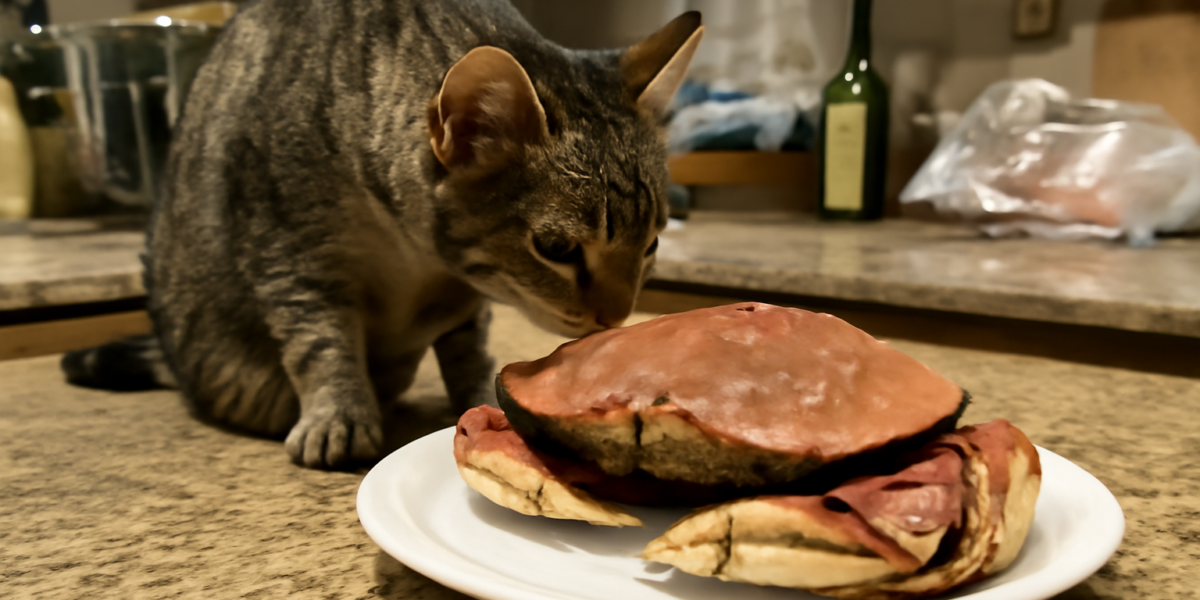
If your cat has ever shown interest in your seafood dinner, you’re not alone. Many cats are drawn to the smell and taste of shellfish, and crab is no exception. The good news is that plain, fully cooked crab meat is generally safe for cats and can even provide some nutritional benefits when offered in moderation. However, like all human foods, there are important preparation and safety guidelines you need to follow to keep your feline friend healthy and happy.
In this guide, we’ll cover everything you need to know about feeding crab to your cat, from the nutritional value of crab meat to proper preparation methods, appropriate portion sizes, potential risks, and when to seek veterinary advice. Whether your cat has already sampled some crab or you’re considering it as a new treat option, this article has you covered.
Is Crab Meat Safe for Cats?
Yes, plain, fully cooked crab meat is safe for most cats when offered as an occasional treat. Crab is a lean source of high-quality animal protein, which aligns well with the dietary needs of cats as obligate carnivores. The protein in crab meat provides essential amino acids that support muscle maintenance, immune function, and overall health in felines.
The key qualifiers here are “plain,” “fully cooked,” and “occasional.” Raw crab can harbor bacteria and parasites that are dangerous to cats. Seasoned or prepared crab dishes typically contain ingredients like garlic, butter, lemon, Old Bay seasoning, or excessive salt that can be harmful to felines. And even plain cooked crab should be a supplement to your cat’s regular balanced diet, not a replacement for it.
It’s also important to distinguish between real crab meat and imitation crab (sometimes called “krab” or surimi). Imitation crab is a processed food product made from white fish that has been pulverized, shaped, and flavored to resemble crab. While not toxic, imitation crab contains added sugars, sodium, starches, and artificial flavors that make it a poor choice for cats. Stick to real crab meat whenever possible.
If your cat enjoys seafood, you might also want to explore our guides on whether cats can eat shrimp and whether cats can eat fish for more options.
Nutritional Benefits of Crab for Cats
Crab meat offers several nutritional benefits that can complement your cat’s regular diet when offered as an occasional treat.
High-quality protein: Crab meat is an excellent source of complete animal protein, containing all the essential amino acids that cats need. A 3-ounce serving of cooked crab meat provides approximately 16 to 20 grams of protein, making it one of the more protein-dense seafood options. For obligate carnivores like cats, animal-based protein is the cornerstone of a healthy diet, supporting muscle development and maintenance, organ function, and immune health.
Low in fat: Crab is a naturally lean protein source, with most varieties containing less than 2 grams of fat per 3-ounce serving. This makes it an appealing treat option for cats that need to watch their weight or those on calorie-restricted diets. The small amount of fat present in crab meat includes beneficial omega-3 fatty acids.
Omega-3 fatty acids: Crab contains omega-3 fatty acids, particularly EPA and DHA, which support skin and coat health, reduce inflammation, and promote cardiovascular and brain health. While the omega-3 content in crab is lower than in fatty fish like salmon or mackerel, it still provides a meaningful contribution to your cat’s overall omega-3 intake.
Vitamin B12: Crab is rich in vitamin B12 (cobalamin), an essential nutrient that supports nervous system function, red blood cell formation, and DNA synthesis. Cats require B12 in their diet, and crab is one of the richest natural sources of this vital vitamin.
Zinc: This trace mineral is essential for immune function, wound healing, protein synthesis, and skin health. Crab is a good source of zinc, and the zinc in animal-based foods is more bioavailable (easier for the body to absorb and use) than zinc from plant sources.
Selenium: Crab provides selenium, an antioxidant mineral that protects cells from oxidative damage and supports thyroid function and immune health. Adequate selenium intake is important for cats of all ages.
Taurine: Crab meat contains taurine, an amino acid that is absolutely essential for cats. Unlike most animals, cats cannot synthesize enough taurine on their own and must obtain it from their diet. Taurine deficiency can lead to serious health problems including heart disease (dilated cardiomyopathy), vision loss, and reproductive issues.
How to Prepare Crab for Your Cat
Proper preparation is essential to ensure that crab is both safe and beneficial for your cat. Follow these guidelines for the best results.
Always cook crab thoroughly: Never feed raw or undercooked crab to your cat. Raw shellfish can carry harmful bacteria such as Salmonella, Listeria, and Vibrio, as well as parasites that can cause serious illness in cats. Cooking crab to an internal temperature of at least 145 degrees Fahrenheit kills these pathogens and makes the meat safe to consume. Steaming or boiling are the best cooking methods for crab intended for your cat, as they don’t require the addition of oil or fat.
Remove all shell fragments: Crab shells are sharp and can cause serious damage to your cat’s mouth, throat, esophagus, and digestive tract. Even small fragments of shell can cut or puncture delicate tissue and potentially cause intestinal perforation, which is a life-threatening emergency. Carefully pick through the crab meat and remove every piece of shell, cartilage, and hard material before offering it to your cat. Pay special attention to the thin, translucent shell fragments that can be easy to miss.
Keep it plain: Do not add any seasoning, butter, oil, garlic, onion, lemon juice, salt, or any other flavoring to crab meat intended for your cat. Many common crab seasonings contain ingredients that are toxic to cats. Garlic and onion, for example, can damage red blood cells and cause hemolytic anemia. Excessive salt can lead to sodium ion toxicity. Plain, unseasoned crab meat is what your cat needs.
Shred or flake the meat: Break the crab meat into small, manageable flakes or shreds appropriate for your cat’s size. This makes it easier for your cat to chew and swallow safely, reducing the risk of choking. It also allows you to inspect the meat more thoroughly for any remaining shell fragments.
Serve at room temperature: Avoid serving crab straight from the refrigerator, as very cold food can be less appealing to cats and may cause mild stomach discomfort. Let the crab meat come to room temperature before offering it to your cat, but don’t leave it out for more than an hour to prevent bacterial growth.
For another nutritious seafood option for your cat, check out our guide on whether cats can eat salmon.
Portion Sizes and Feeding Frequency
Even though crab meat is nutritious, it should be treated as a treat rather than a meal component. Here are appropriate portion guidelines for cats.
Average-sized cats (8-12 pounds): One to two tablespoons of flaked, plain cooked crab meat per serving is an appropriate portion. This provides a meaningful treat experience without overloading your cat with extra calories or protein beyond what their regular diet provides.
Small cats or kittens (under 8 pounds): One tablespoon or less of flaked cooked crab meat per serving. Smaller cats have lower caloric needs, and even a small amount of crab represents a notable portion of their daily intake. Kittens over 12 weeks old can try tiny amounts of crab, but their primary nutrition should come from kitten-specific food.
Large cats (over 12 pounds): Up to two to three tablespoons of flaked cooked crab meat per serving. Even for larger cats, there’s no need to exceed this amount. The goal is a treat-sized portion, not a meal replacement.
Frequency: Crab should be offered no more than once or twice a week as a treat. All treats combined, including crab, should make up no more than 10% of your cat’s total daily caloric intake. The remaining 90% should come from a complete and balanced commercial cat food that provides all the essential nutrients your cat needs in the right proportions.
When introducing crab for the first time, start with an even smaller amount than recommended above, perhaps just a teaspoon or two, and observe your cat for any signs of digestive upset or allergic reaction over the next 24 to 48 hours before gradually increasing the portion.
Potential Risks and Concerns
While crab is generally safe for cats, there are several risks and concerns that responsible cat owners should be aware of.
Shellfish allergies: Some cats are allergic to shellfish, including crab. Signs of a food allergy in cats can include itching (especially around the face and ears), skin rashes or hives, vomiting, diarrhea, and in severe cases, difficulty breathing or swelling. If you notice any of these symptoms after your cat eats crab for the first time, discontinue the treat and consult your veterinarian. Shellfish allergies can develop at any time, even if your cat has previously eaten crab without issues.
Mercury and heavy metals: Like all seafood, crab can contain trace amounts of mercury and other heavy metals that accumulate in marine organisms. While crab generally has lower mercury levels than many fish species, regular and excessive consumption could lead to mercury accumulation over time. This is one reason why crab should remain an occasional treat rather than a dietary staple. Choosing smaller crab species and sourcing from cleaner waters can help minimize heavy metal exposure.
Sodium content: Crab meat naturally contains more sodium than many other protein sources. A 3-ounce serving of cooked crab contains roughly 270 to 900 milligrams of sodium, depending on the variety and cooking method. Cats have lower sodium needs than humans, and excessive sodium intake can contribute to high blood pressure and put strain on the kidneys, particularly in cats with existing kidney disease. Rinsing cooked crab meat under fresh water before serving can help reduce its sodium content.
Thiaminase concerns: Some raw shellfish contain thiaminase, an enzyme that destroys thiamine (vitamin B1). While cooking destroys thiaminase, this is another important reason to always serve crab fully cooked. Thiamine deficiency in cats can cause neurological problems, loss of appetite, and in severe cases, can be fatal.
Shell and cartilage hazards: As mentioned in the preparation section, crab shell fragments are a significant physical hazard. Even tiny pieces can cause cuts, punctures, or blockages in the digestive tract. Always inspect crab meat meticulously before serving.
Bacterial contamination: Improperly stored or prepared crab can harbor harmful bacteria. Always use fresh crab from a reputable source, cook it thoroughly, refrigerate leftovers promptly, and discard any crab meat that has been sitting at room temperature for more than two hours.
When to Contact Your Veterinarian
While most cats that eat a small amount of properly prepared crab will be perfectly fine, there are situations that call for veterinary attention.
Contact your veterinarian if your cat shows signs of an allergic reaction after eating crab, including hives, facial swelling, severe itching, vomiting, diarrhea, or difficulty breathing. Allergic reactions can escalate and may require antihistamines, steroids, or other medical intervention.
Seek emergency veterinary care if you suspect your cat swallowed a piece of crab shell. Signs of internal injury or obstruction include gagging, drooling, pawing at the mouth, refusal to eat, vomiting (possibly with blood), abdominal pain, or bloody stools. Shell fragments can cause serious damage to the digestive tract and may require surgical intervention.
Call your vet if your cat consumed raw crab and develops symptoms of foodborne illness such as vomiting, diarrhea, fever, lethargy, or loss of appetite. Bacterial infections from raw shellfish can be serious and may require antibiotic treatment.
Contact your veterinarian if your cat ate a large amount of crab that was prepared with butter, garlic, onion, or heavy seasoning. Garlic and onion are toxic to cats, and your vet may want to assess the situation and recommend monitoring or treatment.
Reach out to your vet if digestive symptoms persist for more than 24 hours after your cat ate crab. While mild, temporary stomach upset is not unusual when introducing a new food, prolonged symptoms warrant professional evaluation.
Frequently Asked Questions
Can cats eat imitation crab meat?
While imitation crab (surimi) is not toxic to cats, it’s not recommended as a treat. Imitation crab is a highly processed product made from pulverized white fish (usually pollock) that has been combined with starches, sugars, sodium, artificial flavors, and sometimes food coloring to mimic the taste and appearance of real crab. The high sodium content, added sugars, and artificial additives make it nutritionally inferior to real crab meat for cats. Some imitation crab products also contain MSG (monosodium glutamate) and other flavor enhancers that are best avoided in a cat’s diet. If you want to treat your cat to crab, invest in the real thing and prepare it plain. Your cat will enjoy it more, and it will be better for their health.
Can cats eat crab sticks or canned crab?
Canned crab can be acceptable for cats, but you need to choose carefully. Select canned crab packed in water rather than oil or brine, and look for products with no added salt or seasonings. Drain and rinse the crab meat thoroughly before serving to reduce sodium content. Avoid canned crab that lists excessive additives or preservatives on the label. As for crab sticks, these are typically the same as imitation crab (surimi), which is a processed product that’s not ideal for cats. Always read the label to confirm whether a product is made from real crab or imitation crab before sharing it with your feline friend. When in doubt, fresh-cooked plain crab is always the safest and most nutritious option.
How do I know if my cat is allergic to crab?
Shellfish allergies in cats can manifest in several ways. The most common signs include skin-related symptoms like itching, redness, rashes, or hives, particularly around the face, ears, and neck. Gastrointestinal symptoms such as vomiting, diarrhea, and excessive gas may also indicate an allergic reaction. In more severe cases, you might notice swelling of the face or throat, difficulty breathing, or rapid onset of severe symptoms (anaphylaxis), which is a medical emergency. To test for a potential allergy, offer your cat a very small amount of crab, no more than a teaspoon, and observe them carefully for 24 to 48 hours. If no symptoms appear, you can gradually increase the portion in subsequent offerings. If any concerning symptoms develop, discontinue crab immediately and consult your veterinarian, who may recommend allergy testing or an elimination diet to confirm the allergy.
Is crab better for cats than other types of seafood?
Crab is a solid seafood option for cats, but whether it’s “better” than other seafood depends on what you’re prioritizing. Compared to fatty fish like salmon and mackerel, crab is lower in calories and fat but also provides fewer omega-3 fatty acids. Compared to shrimp, crab has a similar nutritional profile but tends to have slightly more protein per serving. Compared to tuna, crab generally has lower mercury levels, which is an advantage for regular consumption. The best approach is to rotate between different seafood treats, such as crab, shrimp, salmon, and white fish, to provide variety and a range of nutrients while minimizing the risk of accumulating any single contaminant. Regardless of which seafood you choose, it should always be plain, fully cooked, and offered in moderation as a supplement to a complete and balanced cat food diet.


